Key Takeaways
-
Retained baby teeth are not automatically a problem, but they warrant a professional check when the adult tooth is more than about a year late or hasn't erupted within six months of its matching tooth.
-
The most common causes include a missing adult tooth, impaction, crowding, ankylosis (root fused to bone), and obstructions like extra teeth; a clinical exam and X-ray usually identify which one applies.
-
Retained baby teeth do not always need removal; if the adult tooth is on track, watchful waiting with regular check-ups may be the best approach.
-
Extracting a retained baby tooth often allows the adult tooth to erupt, but it does not guarantee correct positioning, so braces or aligners may still be needed afterward.
-
A retained tooth can cause crowding or bite changes by taking up space the adult tooth needs, and signs like teeth tipping toward a gap or a shifting bite should prompt an evaluation.
-
Adults can keep baby teeth when the adult tooth never formed, so the issue is not limited to children and can be addressed with orthodontic planning at any age.
Every parent knows the sweet little milestone of a first wobbly tooth. But what happens when a baby tooth just will not budge? Maybe your child is 12 and still has a tiny tooth hanging on. Maybe the adult tooth has already poked through right behind it. Or maybe everything looks fine, and you are just wondering if it really is.
Take a deep breath. A late baby tooth is not automatically a problem. Kids lose teeth on their own schedule, and timing can vary quite a bit from one child to the next. Still, retained baby teeth can sometimes point to something worth checking, like a missing adult tooth, crowding, or a tooth that has fused to the bone.
In this friendly guide, we walk through the top 10 retained baby teeth and orthodontic questions we hear from families. You will learn what causes them, when to get a check-up, and what treatment can look like. Whether you are a parent, a teen, or an adult who still has a baby tooth, you will find clear answers here.
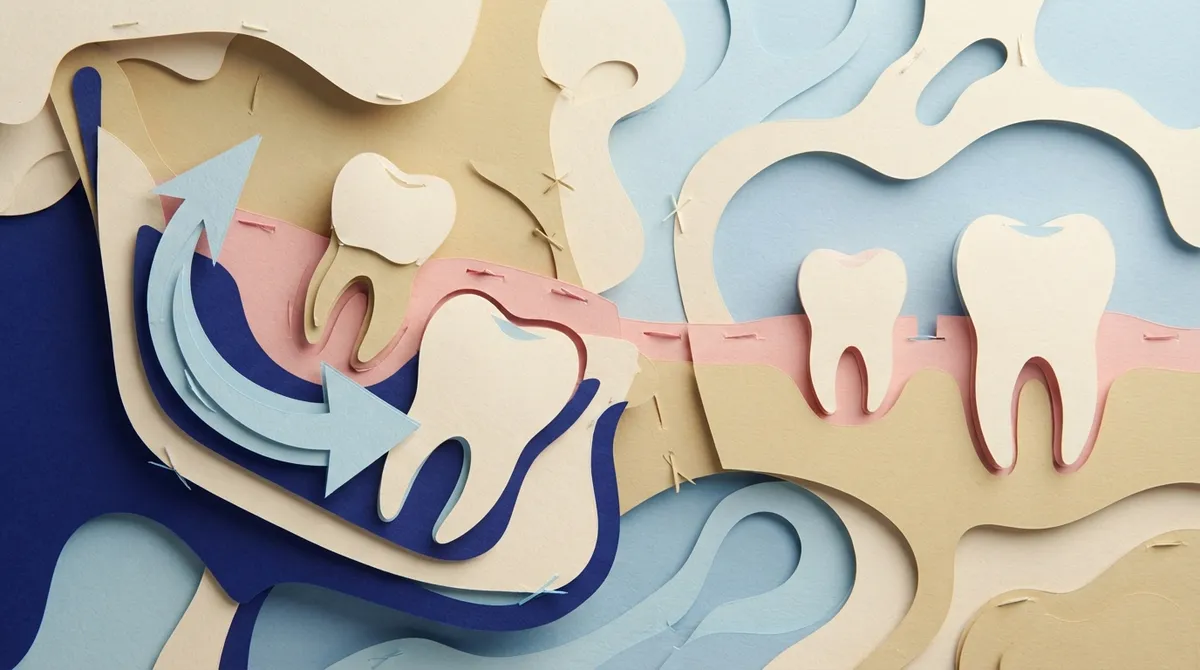
1. What Is a Retained Baby Tooth, Exactly?
A retained baby tooth (also called a retained primary tooth) is a baby tooth that stays in the mouth past the time it would normally loosen and fall out. Most children lose their first baby teeth around age 6 and finish losing them in the early teen years.
Here is the key point: timing varies by tooth and by child. One late tooth does not always mean trouble. What matters most is the pattern and what the developing adult tooth is doing underneath.
Think of it like a bus schedule. A bus running a few minutes late is no big deal. But if the bus never shows up, it is time to find out why.
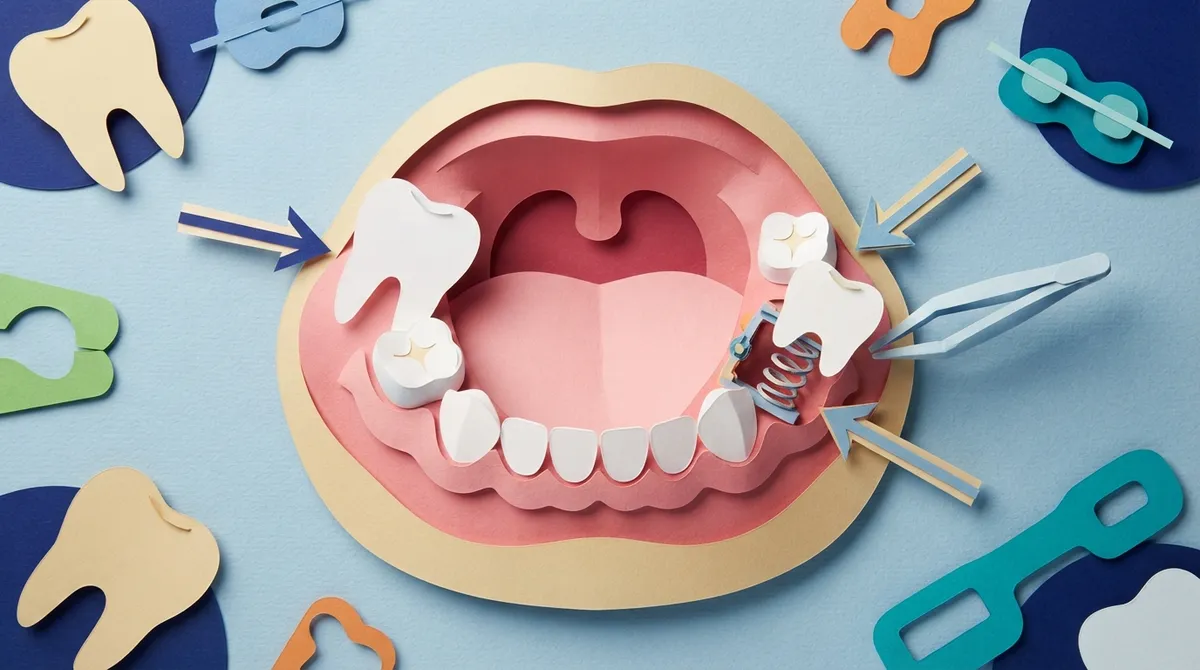
2. Why Is My Child’s Baby Tooth Not Falling Out?
This is the number one question we hear. There are several possible reasons, and a quick exam can usually sort them out. Common causes include:
- A missing adult tooth. Some children are born without certain permanent teeth, so there is nothing pushing the baby tooth out.
- Delayed or off-track eruption. The adult tooth may be coming in late or heading in the wrong direction.
- Impaction. The adult tooth may be stuck under the gum or bone.
- Crowding. Not enough room can keep teeth from moving into place.
- Ankylosis. The root of the baby tooth has fused to the surrounding bone.
- An obstruction. An extra tooth or other growth can block the path.
The good news? Once we know the cause, we can build a plan that fits your child. A simple look and the right X-ray often tell the whole story.
3. Can a Baby Tooth Stay If the Permanent Tooth Is Missing?
Yes, it can. Missing permanent teeth are a common reason for retained baby teeth. One review in the British Dental Journal reports that missing permanent teeth show up in roughly 2.5 to 6.9 percent of people. That number is about missing adult teeth, not retained baby teeth in general, but the two are closely linked.
When the adult tooth is not there, a healthy baby tooth may stay in place for years, sometimes well into adulthood. If the baby tooth is in good shape, we may plan to keep it for as long as it serves you well. If it is not, we talk about longer-term options, such as closing the space or restoring it later.
Every smile is different, so the plan should be too. This is where an orthodontist and your family dentist can team up.
4. When Should a Retained Baby Tooth Be Checked?
Parents often ask for a clear rule. While there is no one-size-fits-all rule, one clinical review offers helpful prompts for when to look closer:
- An adult tooth is more than about a year later than expected.
- An adult tooth has not started to come in within about six months of the matching tooth on the other side of the mouth.
These are signals to get a professional look, not strict diagnostic rules. Kids vary, and that is normal.
As a simple guideline, bring your child in if you notice:
- A baby tooth that has not loosened when its neighbors have.
- An adult tooth growing in behind or beside a baby tooth.
- A baby tooth that looks lower than the teeth next to it.
- Crowding, a shifting bite, or teeth that look tilted.
Many families start with the early treatment approach, where we monitor growth and step in only when it helps. You can also read about when your child should first see an orthodontist.
5. How Do Orthodontists Find the Cause?
Finding the cause starts with a gentle, hands-on exam. We look at the tooth, the gums, and the way your child bites together. Then, if needed, we use dental X-rays to see what is going on below the gumline.
X-rays help us answer big questions, such as:
- Is there an adult tooth under the baby tooth?
- Where is it positioned, and is it heading the right way?
- Are the roots, bone, or nearby teeth affected?
The right imaging depends on your child’s case, so we choose it carefully. If you are wondering what the first appointment feels like, our first visit page walks you through it. We also use modern tools like digital scans and 3D imaging to plan with care and comfort. At Brockway Orthodontics, Dr. Brockway takes time to explain every step in plain language.
6. What Does It Mean If a Baby Tooth Sits Lower Than the Others?
Sometimes a baby tooth seems to “sink” below the biting level of the teeth around it. Orthodontists call this infraocclusion. It is often linked to ankylosis, where the tooth root has fused to the jawbone. The tooth stays put while the teeth and bone around it keep growing.
Here is a helpful snapshot of how this can look:
| What You Notice | What It May Mean | What Might Happen Next |
|---|---|---|
| Baby tooth looks lower than neighbors | Possible infraocclusion or ankylosis | Exam and X-ray to check the cause |
| Baby tooth will not wiggle at all | Root may be fused to bone | Monitoring or planned removal |
| Neighboring teeth tilting toward it | Space may be shrinking | Orthodontic planning to protect space |
According to the AAPD guideline search results, ankylosis occurs in roughly 7 to 14 percent of primary teeth. That figure covers ankylosis only, not every cause of a retained tooth. Not every ankylosed tooth needs the same care. Some can simply be watched. Others may need action if the tooth sinks further, neighbors tip, or space is lost.
7. Does a Retained Baby Tooth Always Need to Be Removed?
No, and that surprises many parents. Treatment depends on the cause, the health of the tooth, whether an adult tooth is present, how much room there is, and how your child is growing.
Here are the main paths we may consider:
- Watchful waiting. If the adult tooth is on a good path, we may simply keep an eye on things with regular check-ups.
- Extraction. If the baby tooth is blocking the adult tooth, we may recommend removing it.
- Space maintenance or regaining. We protect or open room so the adult tooth can come in well.
- Orthodontic guidance. Braces or other tools help teeth move to better spots.
- Surgical exposure and traction. For an impacted adult tooth, a surgeon exposes it and we gently guide it into place with braces.
If the adult tooth is missing, we may plan to preserve a healthy baby tooth where it makes sense. The goal is always a healthy, stable bite for the long run.
8. Will the Adult Tooth Come In After the Baby Tooth Is Pulled?
Often yes, but it is not a guarantee. Removing a retained baby tooth gives the adult tooth room and a clear path, but it does not promise the tooth will land in the perfect spot.
The adult tooth may still need help with:
- Space. If neighbors have drifted in, we may need to make room.
- Direction. A tooth heading sideways may need guidance.
- Alignment. Once it is in, braces or aligners may fine-tune the fit.
That is why we like to pair extraction with a clear orthodontic plan. Learn more about your options for guiding teeth with braces or Spark Clear Aligners, a budget-friendly alternative to Invisalign.
9. Can a Retained Baby Tooth Cause Crowding or Bite Problems?
It can. When a baby tooth stays too long, it may take up space that an adult tooth needs. That can push the new tooth out of line, cause crowding, or change how the top and bottom teeth meet.
Here are signs a retained tooth may be affecting the bite:
- An adult tooth coming in behind or in front of a baby tooth (often called “shark teeth” when it happens on the lower front).
- Teeth tipping toward an empty or sunken space.
- A bite that feels uneven or shifts to one side.
- Gaps or twisting that were not there before.
Think of your child’s mouth like a parking lot. If one car will not leave its spot, the next car has to park crooked. The earlier we spot it, the easier it is to guide everyone into place. Our guide to orthodontics for kids goes deeper on this.
10. How Common Are Retained Baby Teeth, and Can Adults Have Them?
Numbers vary a lot depending on the group studied. A 2024 review reported retained primary teeth in about 11.74 percent of adolescents aged 12 to 15 in China. Rates can differ by region, age, and how studies define the problem, so please do not treat that number as a rule for every child.
And yes, adults can have them too. Many adults discover they still have a baby tooth because the adult tooth never formed. If that is you, you are in good company. It is one of the things that can come up in adult orthodontic treatment, and it is also common for people who want to get braces with missing teeth.
For teens and adults who care about looks and comfort, modern options like clear aligners or ceramic braces can fit around a busy life. Our adolescent treatment page shares more for teens. If you had braces before and your teeth have shifted, a fresh look at the situation may help too.
What to Expect at Brockway Orthodontics
If you are in Clearwater, Florida, and have questions about a retained baby tooth, we would love to help. Dr. Brockway listens first, explains clearly, and builds a plan that fits your family. We treat kids, teens, and adults, so everyone can come to one friendly place.
We also keep things easy. Many families like our flexible financing and insurance options, and we offer same-day treatment in certain cases. Curious about the space and team? Take a peek at our office.
Want to hear from real patients? You can visit us on Google and see what Brockway Orthodontics families say. For general oral health guidance, the American Dental Association is a handy resource, and the Florida Association of Orthodontists shares helpful information about orthodontic care in our state.
Quick Checklist Before Your Visit
A little prep makes your appointment smoother. Try this:
- Write down which tooth is retained and how long it has been there.
- Note any pain, swelling, or changes in the bite.
- Bring any recent dental X-rays from your family dentist.
- List questions you want answered, so nothing gets missed.
Final Thoughts: A Late Tooth Is a Great Reason to Ask
A retained baby tooth is common, and in many cases it is very manageable. The most important step is finding out why it is staying, so we can protect your child’s space, bite, and smile. Sometimes the answer is simply to watch and wait. Other times, a small plan now saves a lot of work later.
If you have questions about a baby tooth that will not fall out, we are here for you. Book your free consultation online and let Dr. Brockway take a look. Prefer to talk first? Contact us and our friendly team will help you find the right next step.
FAQs
Q: Why is my child’s baby tooth not falling out?
A: There are a few common reasons, like a missing adult tooth, crowding, a tooth fused to bone, or an adult tooth that is late or off course. A quick exam and the right X-ray can show which one it is, so we can make a plan that fits your child.
Q: Does a retained baby tooth always need to be removed?
A: Not always! If the adult tooth is on track, we may simply watch it. If the baby tooth is blocking the way or space is being lost, removal may be the best step. If there is no adult tooth, a healthy baby tooth may be kept for as long as it serves you well.
Q: Will the permanent tooth come in after the baby tooth is extracted?
A: Often it will, but it is not a promise that it lands in the perfect spot. The adult tooth may still need extra room, a little guidance, or braces to line up well. That is why we pair extraction with a clear orthodontic plan.
Q: When should a retained baby tooth be checked by an orthodontist?
A: Get it checked if an adult tooth is a year or more late, or has not started coming in within about six months of the matching tooth on the other side. You should also come in if a baby tooth looks lower than its neighbors or an adult tooth grows in behind it. These are prompts for a look, not strict rules, since every child is different.
Q: Can adults have retained baby teeth?
A: Yes, and it is more common than you might think. Many adults keep a baby tooth because the adult tooth never formed. We can review your X-rays and talk through the options, from keeping the tooth to planning longer-term care.
Our Service Area