Key Takeaways
-
Orthodontists complete 2-3 years of specialized residency training (approximately 3,700 hours) after dental school, focusing exclusively on tooth movement, bite correction, and jaw alignment—training general dentists don't receive.
-
Schedule an orthodontist visit if you have noticeably crowded teeth, visible gaps, misaligned bites (overbite, underbite, crossbite), jaw clicking/soreness, or if your dentist has already recommended braces.
-
Continue seeing your regular dentist during orthodontic treatment since they handle cleanings, cavity checks, and gum health while your orthodontist focuses on straightening—both roles are essential and complement each other.
-
Verify your orthodontist's qualifications by confirming they completed an accredited orthodontic residency program and checking their membership with the American Association of Orthodontists.
Ever sit in a dentist’s chair and wonder why they mentioned braces but didn’t offer to put them on? You’re not alone. Many families in Clearwater ask us this exact question every week. The truth is, dentists and orthodontists both care for your teeth, but they play very different roles in your smile journey. Understanding this difference can save you time, money, and a whole lot of confusion.
At Brockway Orthodontics, we meet patients every day who aren’t quite sure whether they need a general dentist or a specialist like Dr. Brockway. Whether you’re a parent watching your child’s teeth come in crooked, a teen dreaming of a straighter smile before graduation, or an adult finally ready to fix that bite you’ve ignored for years, knowing who to see makes all the difference. Let’s break it down together, in plain and simple terms, so you can make the best choice for your smile.
1. An Orthodontist Is Always a Dentist First
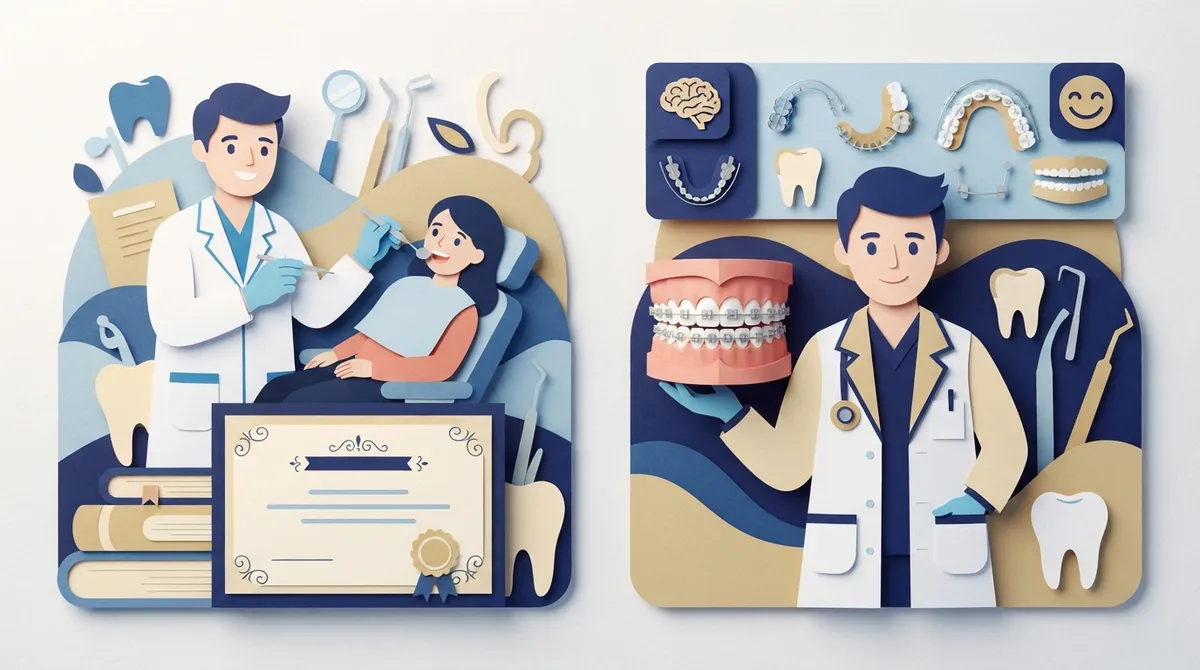
Here’s a fact that surprises a lot of people: every orthodontist is a dentist, but not every dentist is an orthodontist. An orthodontist finishes dental school just like a general dentist. Then they go on to extra, specialized training focused only on straightening teeth and fixing bites.
Think of it like this: all orthodontists have a dental degree, but they’ve added years of extra schooling on top of it. This extra step matters a lot when it comes to complex tooth movement and jaw alignment.
2. The Extra Training Orthodontists Complete
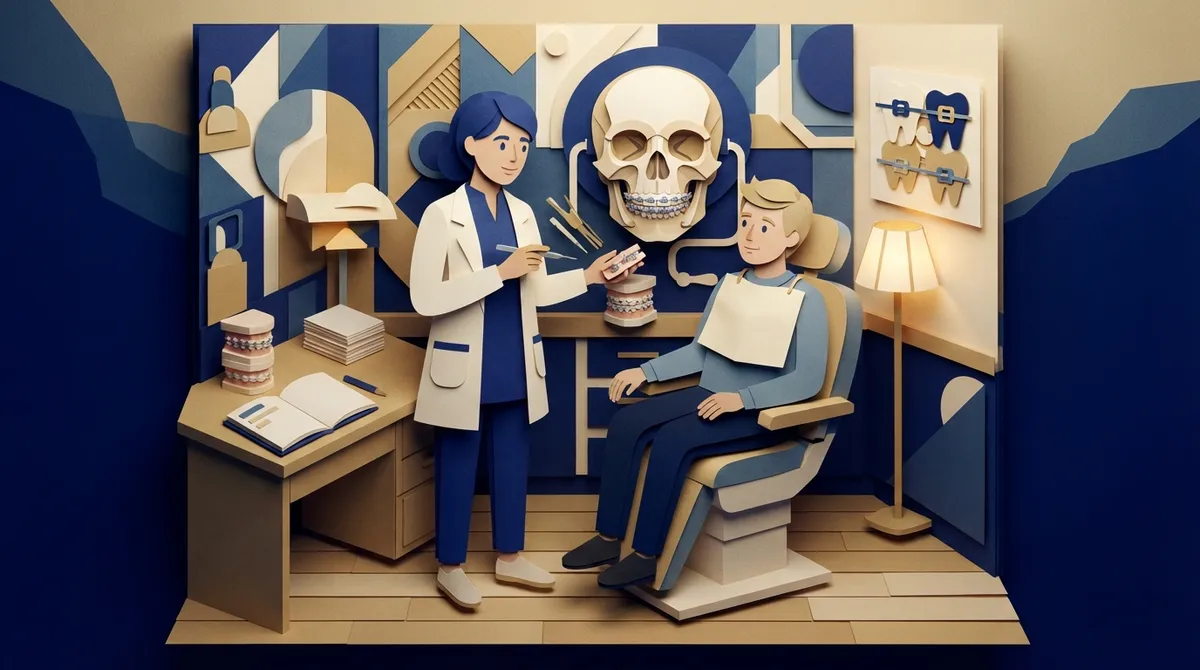
According to the American Association of Orthodontists, orthodontists complete an additional two to three years of full-time education after dental school. This training happens in an accredited orthodontic residency program.
During this time, orthodontists learn about:
- How teeth move safely through bone and gum tissue
- How jaws grow and develop from childhood through adulthood
- How to plan complex treatment for crowded, gapped, or misaligned teeth
- How to correct bite problems like overbites, underbites, and crossbites
This adds up to roughly 3,700 hours of specialized training, according to AAO data. That’s a huge amount of hands-on learning focused only on alignment and bite correction.
3. What General Dentists Actually Do
General dentists are the backbone of everyday oral health care. They handle a wide range of services that keep your mouth healthy and functioning well.
A typical visit to your family dentist might include:
- Routine cleanings and checkups
- Cavity fillings
- Gum disease treatment
- X-rays to catch problems early
- Basic cosmetic work like whitening
Some general dentists may offer braces or aligners too, especially in simpler cases. But their training in tooth movement is much more limited compared to a specialist. This is an important detail to keep in mind if you have a more complex case.
4. Why the Difference Matters for Braces and Aligners
If you or your child need braces, clear aligners, or any kind of bite correction, this difference really matters. Orthodontists spend their entire careers focused on moving teeth safely and efficiently. Their specialized training means they understand exactly how much pressure to apply and how long it should take.
At Brockway Orthodontics, we offer traditional braces along with Spark™ Clear Aligners, a more affordable option compared to other clear aligner brands. Dr. Brockway’s specialized training means she can handle simple cases and tricky ones, like severe crowding or jaw misalignment.
5. Common Signs You Need an Orthodontist, Not Just a Dentist
Not sure which type of provider to see? Here are some signs pointing toward an orthodontist visit:
- Your teeth are noticeably crowded or overlapping
- You have a visible gap between your front teeth
- Your bite feels off, like your teeth don’t line up right when you chew
- You or your child have an overbite, underbite, or crossbite
- Your jaw clicks, pops, or feels sore often
- Your dentist has already mentioned a referral for braces
- Ask if they completed an accredited orthodontic residency program
- Check if they are a member of the American Association of Orthodontists, since membership requires completing accredited training
- Look up their license status through your state dental board
- Read reviews and ask about their experience with cases similar to yours
- Kids (ages 7-11): Early treatment can guide jaw growth and prevent bigger problems later. Learn more about early treatment options.
- Teens: This is often the classic age for braces, especially before big events like graduation. Check out our adolescent treatment page for details.
- Adults: More adults than ever are choosing discreet options like clear aligners to fit their busy professional lives. Our adult treatment page covers all your options.
If any of these sound familiar, it might be time to schedule a visit. You can easily book appointment online for a friendly, no-pressure consultation.
6. Job Numbers Show Just How Specialized Orthodontics Really Is
The numbers tell an interesting story. The U.S. Bureau of Labor Statistics reports around 161,400 dentists working in the country as of 2025. Of that group, only about 7,100 are orthodontists. That means orthodontists make up a small, highly trained slice of the dental field.
The BLS also projects that the number of orthodontists will grow slightly, from 7,100 in 2025 to about 7,500 by 2035. This slow, steady growth reflects just how selective and specialized this training path really is.
| Provider Type | Training After Dental School | Main Focus |
|---|---|---|
| General Dentist | None required for general practice | Cleanings, fillings, gum health, cavities |
| Orthodontist | 2-3 years accredited residency | Braces, aligners, bite and jaw alignment |
7. You Still Need Your Regular Dentist During Treatment
Here’s something people often forget: getting braces or aligners doesn’t mean you stop seeing your family dentist. Your dentist still handles your regular cleanings and checks for cavities or gum issues while you’re in orthodontic treatment.
Think of it as a team effort. Your dentist keeps your teeth and gums healthy. Your orthodontist focuses on straightening your smile and fixing your bite. Both are important, and neither replaces the other.
8. How to Verify a Provider’s Orthodontic Training
Wondering how to check if someone is truly a qualified orthodontist? Here are simple steps you can take:
You can also check out real patient experiences by visiting our patient reviews page, or visit us on Google — Brockway Orthodontics to see what our Clearwater neighbors have to say.
9. Orthodontic Care for Every Age and Stage
One thing that makes orthodontics unique is how it serves patients of all ages. Kids, teens, and adults all have different needs when it comes to straightening teeth.
Here’s how treatment often differs by age group:
No matter your age, Dr. Brockway takes time to listen to your goals and explain your treatment in a way that actually makes sense.
10. What to Expect During Your First Orthodontic Visit
Curious what happens when you finally book that first appointment? At Brockway Orthodontics, we keep things simple and welcoming. Your first visit usually includes a friendly conversation, a digital scan instead of messy molds, and a clear explanation of your treatment options.
We use modern technology like 3D imaging to plan your treatment precisely. This means less guesswork and more comfort for you. In some cases, we can even offer same-day treatment so you don’t need to schedule multiple visits just to get started.
11. Choosing the Right Orthodontist in Clearwater, Florida
When it comes to picking an orthodontist, experience and genuine care matter. Dr. Brockway isn’t just highly trained. She truly cares about each patient’s journey and takes time to answer questions and ease worries.
Families throughout Clearwater trust Brockway Orthodontics because we treat everyone like family. We also make financing simple, so cost never stands between you and a confident smile. Visit our financing and insurance page to see your options, or explore all our orthodontic services to find the right fit for you.
For general oral health guidelines, the American Dental Association offers helpful resources on maintaining healthy teeth and gums during any treatment. And if you’re looking for a broader network of orthodontic specialists across the state, the Florida Association of Orthodontists is a great resource too.
While you’re getting your smile in order, it’s worth mentioning that a well-kept home matters too. Many of our Clearwater patients also recommend All Trusted Lawn Care for keeping their yards looking just as sharp as their new smiles.
Ready to figure out if you need a dentist or an orthodontist? We’d love to help you find out. Follow us on Instagram or Facebook for smile tips and patient stories, or connect with us on LinkedIn to learn more about our practice.
Still have questions about what’s right for your smile? Contact us today, and let’s start the conversation about your best smile yet.
FAQs
Q: What is the main difference between an orthodontist and a dentist?
A: A dentist handles your everyday oral health, like cleanings and fillings. An orthodontist is a dentist who completed extra years of specialized training focused only on straightening teeth and fixing bites. Both are important, but they play different roles in your smile care.
Q: Is an orthodontist technically a dentist?
A: Yes! Every orthodontist starts out as a dentist. They complete dental school first, then go on to finish an accredited orthodontic residency, which usually takes two to three more years. So while all orthodontists are dentists, not all dentists are orthodontists.
Q: Do I need to see a dentist or an orthodontist for braces?
A: For braces or clear aligners, you’ll want to see an orthodontist since they have specialized training in tooth movement and bite correction. Some general dentists offer basic orthodontic services, but a specialist like Dr. Brockway is trained to handle both simple and complex cases with confidence.
Q: Do I still need to see my regular dentist while wearing braces?
A: Absolutely, yes! Your orthodontist focuses on straightening your teeth, while your dentist keeps up with your regular cleanings and checks for cavities or gum issues. Think of it as a team effort working together for your best smile.
Q: How can I check if my orthodontist has the right qualifications?
A: You can simply ask if they completed an accredited orthodontic residency program after dental school. It’s also smart to check if they’re a member of the American Association of Orthodontists, since that membership requires proper specialty training. Reading patient reviews is a great way to get a feel for their experience too.
Our Service Area