
Key Takeaways
-
Orthodontists complete 2-3 additional years of specialized residency training beyond dental school, making them distinctly qualified for complex cases involving jaw growth or severe crowding compared to general dentists offering basic services.
-
Start your orthodontist search using the American Association of Orthodontists locator tool, verify state licensure independently, and ask about board certification through the American Board of Orthodontics as markers of quality.
-
Orthodontic treatment costs range from $3,000-$7,000 for metal braces to $7,000-$12,000+ for lingual braces, with many dental plans covering 25-50% of eligible costs up to a $1,000-$3,000 lifetime maximum.
-
Schedule your child's first orthodontic evaluation by age 7 to catch developing bite issues early and allow orthodontists to guide jaw growth at the optimal time, even if immediate treatment isn't needed.
Searching “orthodontist specialist near me” on your phone can feel like opening a can of worms. Dozens of names pop up, star ratings blur together, and suddenly you’re not sure who actually knows what they’re doing. Take a breath, friend. Finding the right orthodontic specialist doesn’t have to feel like a guessing game.
Whether you’re a parent watching your child’s teeth come in crooked, a teenager dreaming of a graduation-ready smile, or an adult professional finally ready to fix that bite you’ve ignored for years, this guide walks you through exactly what to look for. We’ll cover credentials, costs, questions to ask, and how to spot a practice that actually cares. By the end, you’ll feel confident picking a specialist instead of just picking the closest office. Let’s get into it!
1. Understand What Makes an Orthodontist Different from a Dentist
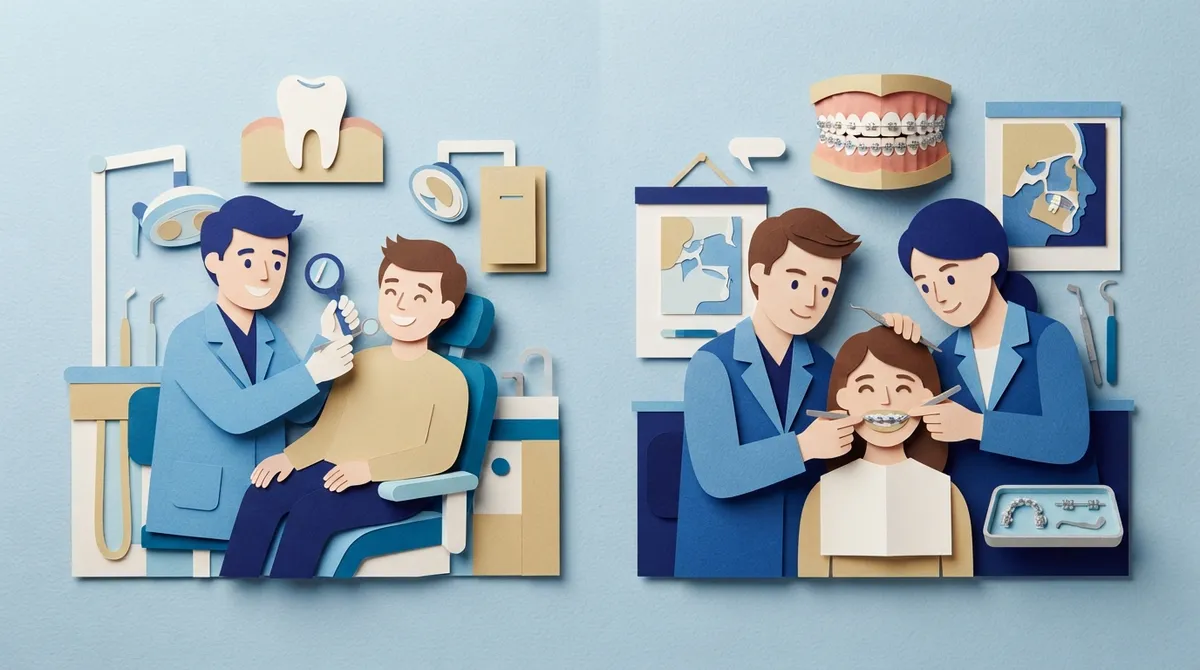
First things first: not every dentist is an orthodontist. An orthodontist is a dental specialist who finishes dental school, then completes two to three more years of focused residency training. That extra training is all about teeth alignment, bite problems, and jaw relationships.
A general dentist can offer basic orthodontic services, but they haven’t gone through the same specialized residency. If you want someone who lives and breathes tooth movement every single day, look specifically for a licensed orthodontic specialist. This distinction matters more than people realize, especially for tricky cases involving jaw growth or severe crowding.

2. Start Your Search with the Right Tools
You don’t have to wander blindly through search results. The American Association of Orthodontists offers a helpful locator tool that lists orthodontists by area. Since AAO membership is limited to trained orthodontic specialists, it’s a solid starting point.
That said, don’t stop there. Always double-check state licensure on your own, too. Here in Florida, the Florida Association of Orthodontists is another great resource for verifying credentials and finding trusted local providers.
3. Check for Board Certification
Board certification through the American Board of Orthodontics is like a gold star for orthodontists. It shows a provider went the extra mile after residency to prove their skills through a rigorous certification process.
It’s not the only thing that matters, though. Experience, communication style, and how comfortable you feel during your visit all count too. Think of certification as one strong piece of the puzzle, not the whole picture.
4. Know When Your Child Should Have Their First Visit
Parents often ask us this exact question. The American Association of Orthodontists recommends kids get their first orthodontic evaluation by age 7. That doesn’t mean your seven-year-old needs braces right away.
It simply means an early check can catch developing bite issues or crowding before they become bigger problems. Early evaluations give orthodontists a chance to guide jaw growth at the perfect moment. Curious about what early treatment actually looks like? Our page on early treatment breaks it down in simple terms.
5. Compare Treatment Options Available Near You
Not every orthodontic office offers the same menu of treatments. Here’s a quick rundown of common options:
- Traditional metal braces – reliable, effective, and often the most budget-friendly option
- Ceramic (clear) braces – less noticeable than metal, great for image-conscious teens and adults
- Lingual braces – hidden behind the teeth for a fully invisible look
- Clear aligners – removable trays that quietly shift teeth over time
At Brockway Orthodontics, we proudly offer Spark™ Clear Aligners, a comfortable and more affordable option compared to some other aligner brands. We also provide traditional metal braces and ceramic options, so families in Clearwater have real choices. Learn more about our full lineup on our services page.
6. Ask the Right Questions During Your Consultation
A good consultation isn’t just a quick peek in your mouth. It should feel like a real conversation. Here’s what a thorough visit typically includes:
- A full exam of your teeth, gums, and bite
- Diagnostic records like photos, X-rays, or digital scans
- A discussion of your goals for your smile
- An overview of treatment options that fit your case
- An estimated timeline for treatment
- Information on risks and what to expect along the way
- Details about retainers after treatment ends
- A clear breakdown of total fees
Don’t be shy about asking questions. A great orthodontist wants you to understand everything before you commit. Curious what a visit at our Clearwater office feels like? Check out your first visit for a friendly walkthrough.
7. Weigh Convenience Alongside Quality
Even the best orthodontist in the world isn’t much help if you can never get an appointment. When comparing options near you, think about these practical factors:
- Distance from your home, school, or workplace
- Appointment availability that fits your schedule
- Emergency support for broken brackets or poking wires
- Office hours, including evenings or Saturdays
- Whether the practice treats kids, teens, and adults
- How the team communicates (text reminders, online portals, etc.)
Some offices, including ours, can even offer same-day starts for certain cases, so you don’t have to juggle multiple visits just to begin treatment.
8. Understand Typical Costs Before You Commit
Money talk isn’t fun, but it’s necessary. Orthodontic treatment costs vary quite a bit depending on your case and the type of appliance you choose.
| Treatment Type | Estimated Cost Range |
|---|---|
| Traditional Metal Braces | $3,000 – $7,000 |
| Ceramic Braces | $4,000 – $8,500 |
| Clear Aligners | $4,000 – $8,500 |
| Lingual Braces | $7,000 – $12,000+ |
These numbers are general estimates, not guarantees. Your actual price depends on your specific needs, treatment length, and where you live. A written treatment plan from your orthodontist is the only way to know your real cost.
9. Ask About Insurance and Payment Plans
Dental plans with orthodontic benefits often cover about 25% to 50% of eligible costs. Many plans also have a lifetime orthodontic maximum, commonly somewhere between $1,000 and $3,000.
Some plans don’t cover adult orthodontics at all, so it’s smart to call your insurer directly before assuming anything. Our financing and insurance page explains how we help patients navigate payment options, including flexible plans that spread out costs over time.
10. Consider Options for Adult Orthodontic Care
Adult braces and aligners are more popular than ever. Busy professionals want a straighter smile without looking like they’re wearing a mouth full of metal all day.
Clear aligners and ceramic braces are especially popular among adults who want something discreet for work meetings and social events. If you’re curious whether adult treatment fits your lifestyle, our adult treatment page covers what to expect, timelines, and options tailored just for grown-up smiles.
11. Plan for Life After Braces with Proper Retention
Treatment doesn’t end the moment your braces come off or your last aligner tray is done. Retainers keep your teeth from drifting back to their old positions, and skipping them is one of the biggest regrets we hear from patients.
Ask your orthodontist upfront about retainer types, replacement costs, and how long you’ll need to wear them. Our retainers page walks through everything you need to know about keeping your new smile in place for good.
12. Read Reviews and Ask About Community Involvement
Online reviews tell you a lot, but so does a practice’s relationship with the local community. An orthodontist who genuinely cares about their patients usually shows it outside the office, too, through sponsorships, school partnerships, or simple word-of-mouth trust built over years.
Want a real feel for what patients say about their experience? Feel free to visit us on Google — Brockway Orthodontics to see honest reviews from families right here in Clearwater. You can also connect with us on Facebook or follow along on Instagram for behind-the-scenes looks at our office and patient stories.
13. Choose a Practice That Feels Like the Right Fit
At the end of the day, the best orthodontist for you is one who listens, explains things clearly, and makes you feel like more than just a number. Dr. Brockway takes real pride in getting to know her patients and their goals, not just their teeth.
Our team at Brockway Orthodontics uses modern technology like digital impressions and 3D imaging to make treatment more comfortable and precise. We treat entire families, from young kids getting their first check-up to adults finally getting the smile they’ve always wanted. Learn more about the person behind the practice on our Meet Dr. Brockway page, or explore our our office page to see what a visit with us looks like.
For general dental questions outside our specialty, the American Dental Association is a helpful, trustworthy resource. But when it comes to orthodontic care specifically, right here in Clearwater, we hope you’ll consider our team part of your family’s dental journey.
Ready to take the next step toward a smile you’ll love? Book appointment online today, or if you have questions first, feel free to contact us and our friendly team will be happy to help.
FAQs
Q: How do I find a qualified orthodontist specialist near me?
A: Start with the American Association of Orthodontists locator tool, since membership is limited to trained specialists. Then double-check state licensure and read reviews to feel confident in your choice. Our team at Brockway Orthodontics in Clearwater is always happy to answer questions too!
Q: What is the difference between an orthodontist and a general dentist?
A: An orthodontist completes dental school plus two to three extra years of specialized training focused on teeth alignment and bites. A general dentist can offer basic orthodontic services, but they haven’t done that additional residency. For complex cases, a specialist is usually your best bet.
Q: At what age should a child first see an orthodontist?
A: The American Association of Orthodontists recommends an evaluation by age 7. This doesn’t mean treatment starts right away, but it helps catch bite or eruption issues early. We love seeing young patients for these early check-ins here in Clearwater!
Q: How much do braces or clear aligners cost near me?
A: Costs vary widely, but metal braces often range from $3,000 to $7,000, while ceramic braces and clear aligners typically run $4,000 to $8,500. Your exact price depends on your case and treatment length. We’re always transparent about pricing during your consultation.
Q: Does dental insurance cover orthodontic treatment for children or adults?
A: Many dental plans cover roughly 25% to 50% of costs, though lifetime maximums often fall between $1,000 and $3,000. Some plans skip adult coverage entirely, so it’s worth calling your insurer directly. Our team can also help you understand your benefits before you commit.
Our Service Area