Key Takeaways
-
Traditional braces are roughly 4.8 months faster than Invisalign for simple cases (1.3 vs 1.7 years), contradicting the common myth that aligners are always quicker.
-
Extraction cases take approximately 44% longer with aligners than braces, making traditional braces the more predictable choice for complex bite corrections and tooth rotations.
-
Clear aligners work equally well as braces only for mild-to-moderate crowding and non-extraction cases; complex cases require braces' superior mechanical control for better outcomes.
-
Compliance with 20-22 hours daily wear is mandatory for aligner success, while braces work continuously without daily decisions, making braces better for patients struggling with consistency.
-
Both treatments require long-term retention (nightly wear recommended indefinitely) to prevent relapse; skipping this step undoes months of treatment and often leads to costly retreatment.
-
Get a personalized orthodontic exam to evaluate your specific case complexity, extraction needs, and lifestyle before choosing treatment, rather than relying on cost or perceived speed advantages.
Picking between Invisalign and traditional braces feels like a big decision, and honestly, it is one worth getting right. Grab a coffee and let’s chat about this like friends because that’s exactly how we treat everyone who walks through our doors at Brockway Orthodontics. Whether you’re a parent weighing options for your teen, a busy professional wanting a discreet fix, or someone who had braces years ago and now needs a little retreatment, this guide is for you.
Here’s the thing: most people don’t fail at orthodontic treatment because they picked the “wrong” option. They struggle because they made avoidable mistakes along the way, like ignoring compliance rules, chasing speed over results, or picking a treatment based on price alone without understanding their case. We’re going to walk through the three biggest mistakes people make when comparing invisalign vs traditional braces, backed by real research, so you can make a confident, informed choice for your smile.
Understanding the Basics Before You Decide
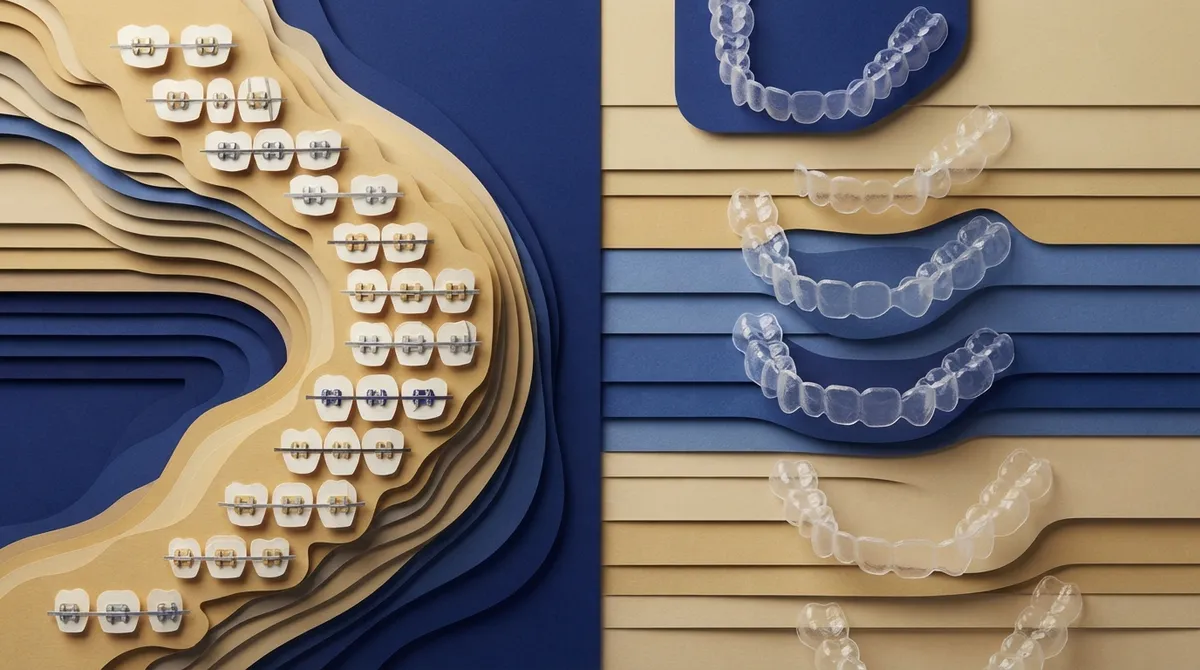
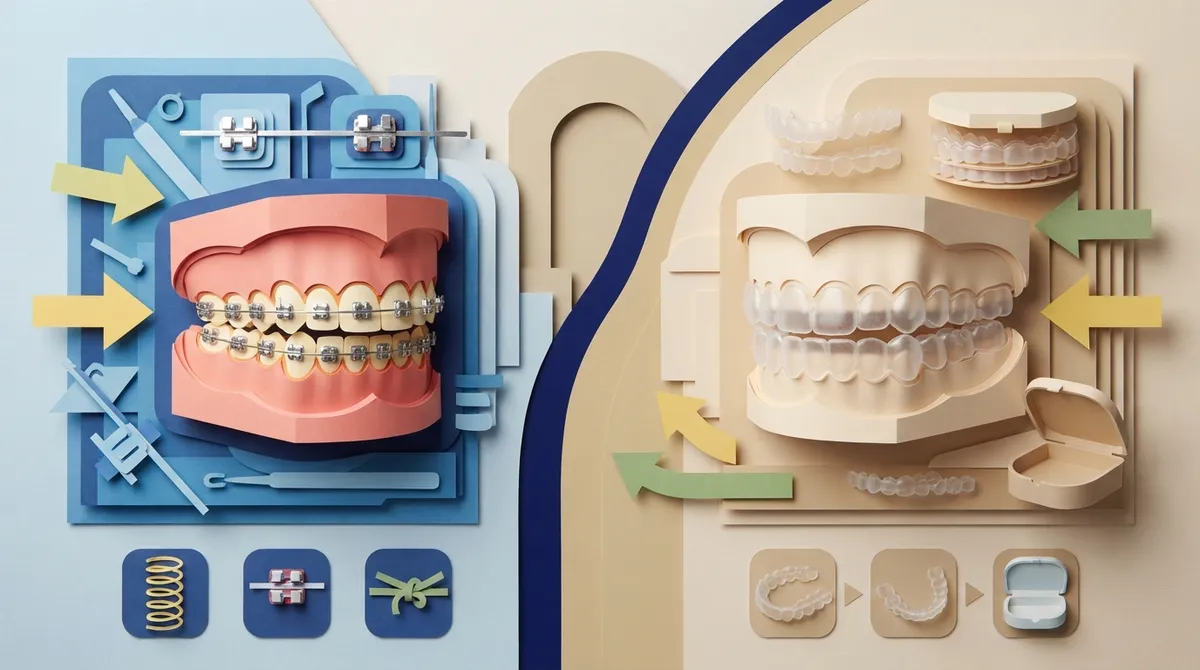
Before diving into the mistakes, let’s cover what makes these two treatments different. Invisalign and similar clear aligner systems use a series of custom, removable trays that gently shift your teeth over time. Traditional braces use brackets and wires bonded to your teeth, applying continuous pressure that you can’t remove yourself.
Both methods work. Both have been used successfully for decades (well, aligners are newer, but you get the idea). The real question isn’t which one is universally “better.” It’s which one fits your specific bite, lifestyle, and goals. At Meet Dr. Brockway, our patients get a personalized recommendation based on a real exam, not a one-size-fits-all sales pitch.
How the Two Options Actually Compare
Let’s put some numbers side by side so you can see the tradeoffs clearly.
| Factor | Invisalign / Clear Aligners | Traditional Braces |
|---|---|---|
| Visibility | Nearly invisible | Visible metal or ceramic brackets |
| Removability | Removable for eating and brushing | Fixed, cannot be removed |
| Best for | Mild-to-moderate crowding, spacing, non-extraction cases | Severe crowding, extractions, complex bite issues |
| Average treatment time (simple cases) | About 1.7 years in some studies | About 1.3 years in the same studies |
| Compliance needed | 20-22 hours per day wear required | No daily compliance decisions needed |
| Extraction cases | Can take roughly 44% longer per some reviews | Generally more predictable finishing |
Notice that neither option wins across the board. A 2024 systematic review of 10 studies found that clear aligner treatment duration was actually similar to braces for mild-to-moderate crowding, with no significant difference overall. So the “aligners are always faster” myth just doesn’t hold up in the research.
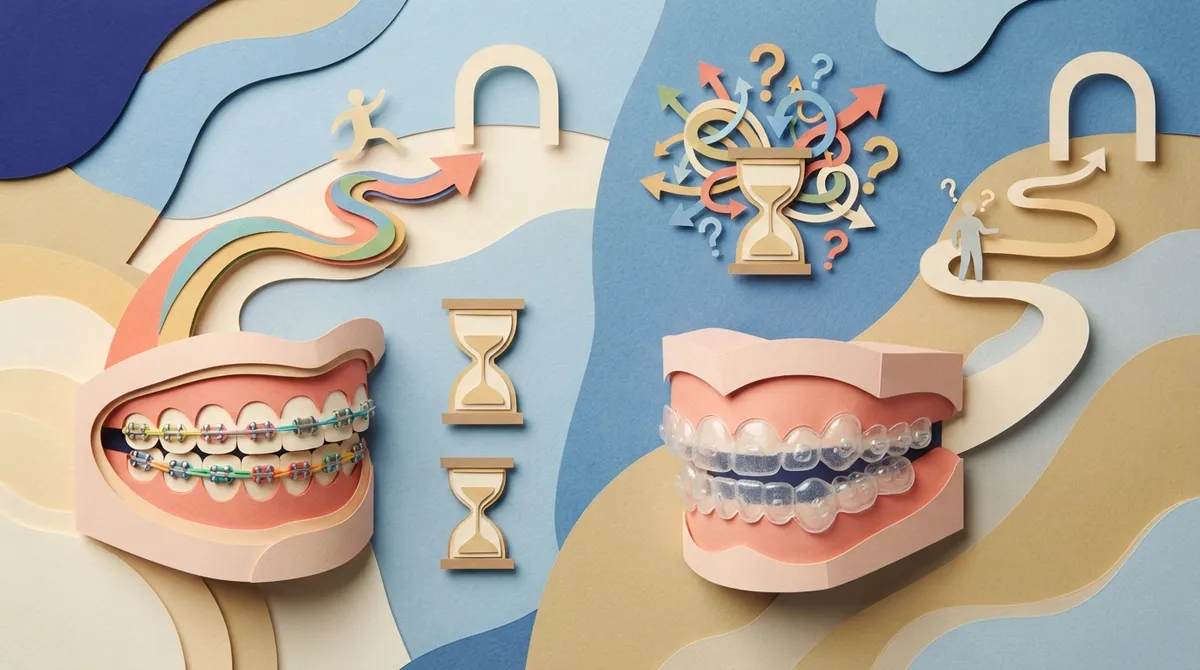
Mistake 1: Assuming Invisalign Is Always Faster or Better
This is probably the most common misconception we hear at our Clearwater office. Patients often assume clear aligners will finish treatment quicker simply because they’re modern and removable. The research tells a more nuanced story.
A 2021 comparative study of simple Class I malocclusions found that Invisalign took about 1.7 years on average, compared to 1.3 years for traditional braces. That’s roughly 4.8 months longer with aligners, even though the final results looked similar. Meanwhile, a different 2024 study reported the opposite pattern, with braces taking 24 months versus 18 months for aligners, and success rates around 88 to 90 percent for both.
What does this tell us? Treatment time depends heavily on your specific case, not just the technology you choose. A 2019 systematic review covering 887 adult patients found that aligner treatment had less favorable average outcomes compared to fixed appliances, especially in more complex cases. This doesn’t mean aligners are bad. It means outcomes depend on case selection and how closely you follow your treatment plan.
- Simple, non-extraction cases often do equally well with either method
- Extraction cases and complex bite corrections tend to favor traditional braces
- Compliance with aligner wear time directly affects your timeline
- Individual anatomy and growth patterns play a bigger role than marketing claims
The fix here is simple: don’t choose based on assumed speed. Instead, sit down for a real evaluation. Our team walks you through your first visit so you know exactly what timeline to expect for your unique smile.
Mistake 2: Ignoring Case Complexity When Choosing a Treatment
The second big mistake is picking a treatment option based on looks or convenience alone, without considering whether it can actually fix your specific problem. Clear aligners are wonderful for many situations, but they aren’t magic. They have real limitations.
When Clear Aligners Shine
Clear aligners are generally most predictable for mild-to-moderate crowding, spacing issues, and many non-extraction cases. They’re also great for people who want a nearly invisible option and are willing to commit to wearing them as directed. Our Spark™ Clear Aligners are a fantastic, more affordable alternative that many of our Clearwater patients love for exactly these reasons.
When Traditional Braces Make More Sense
Traditional braces remain the gold standard for more complicated situations. According to a 2025 systematic review, fixed appliances generally provide better control over tooth rotation and torque, which matters a lot in cases involving significant misalignment. Braces also handle extraction cases more predictably. One review found aligner treatment took approximately 44% longer than braces when teeth needed to be extracted first.
Here’s a simple way to think through this decision:
- Get a full exam and diagnosis, not just a photo-based assessment
- Ask your orthodontist whether your case involves extractions, severe rotations, or bite corrections
- Discuss how much control the treatment plan needs over vertical tooth movement
- Consider your comfort with wearing removable trays consistently, versus fixed appliances that work without daily decisions
- Review both options’ realistic timelines for your specific situation, not general averages
Skipping this evaluation step is where people run into trouble. Choosing aligners for a case that really needs the mechanical control of braces can mean longer treatment, added attachments, or disappointing results. Learn more about all about braces to understand when this classic option truly is the smarter path.
Mistake 3: Forgetting About Retention After Treatment
Here’s a mistake that trips up even people who did everything else right: assuming treatment ends the moment your braces come off or you finish your last aligner tray. Both treatments require retention afterward, and skipping this step can undo months or years of hard work.
Teeth naturally want to shift back toward their original position. This is called relapse, and it’s incredibly common. Whether you had traditional braces or clear aligners, your orthodontist will recommend a retainer, either removable or fixed, to keep your new smile in place. Many orthodontic professionals recommend long-term or even indefinite nighttime wear for best results.
We see this a lot with our orthodontic relapse patients, adults who had braces years ago but stopped wearing their retainer and watched their smile slowly drift. The good news is that retreatment is absolutely possible, and modern clear aligners often make it a comfortable, low-key second chance. Explore our retainers options to understand how to protect your investment for the long haul.
Quick Retention Checklist
- Wear your retainer exactly as instructed, especially in the first year
- Replace lost or cracked retainers promptly rather than skipping wear
- Attend follow-up checkups so your orthodontist can catch small shifts early
- Ask about fixed retainers if you’re worried about consistency
- Remember that both braces and aligner patients need retention, no exceptions
Cost Considerations Worth Knowing
Cost is often the deciding factor for many families, and it’s a fair concern. Pricing varies based on case complexity, treatment length, and which appliance system you choose. Generally, traditional metal braces tend to be the most budget-friendly option, while clear aligners can range depending on the brand and number of trays needed.
At Brockway Orthodontics, we offer Spark™ Clear Aligners as a genuinely more affordable alternative to premium aligner brands, along with metal braces and ceramic (clear) braces for patients who want a more discreet fixed option. We also work with families on financing and insurance so cost doesn’t have to stand between you and a healthier smile.
Why Personalized Care Matters More Than Trends
Dr. Brockway has built her Clearwater practice around one simple idea: every smile is different, and every treatment plan should be too. She takes the time to listen to your concerns and goals, walking you through your options in plain, friendly language so you always know what to expect. This isn’t about pushing the newest trend. It’s about finding what actually works for your teeth, your schedule, and your budget.
Our office uses modern technology like digital impressions and 3D imaging to plan treatment with real precision, which helps us give you an accurate, honest recommendation from day one. We also offer same-day treatment starts in certain cases, because we know life gets busy and waiting around for multiple appointments isn’t always realistic for families.
Whether you’re exploring adolescent treatment for your child, considering adult treatment for yourself, or wondering if early treatment makes sense for a younger child, our team is here to guide you every step of the way. According to the American Dental Association, regular orthodontic evaluations help catch alignment issues early, which can simplify treatment later.
Questions to Ask During Your Consultation
Walking into your consultation prepared makes a huge difference. Here are a few smart questions to bring along:
- Based on my specific bite, which option gives more predictable results?
- What’s a realistic timeline for my case, not just an industry average?
- Will I need extractions, attachments, or elastics with either option?
- How will my daily life, work, or sports affect my ability to comply with treatment?
- What does retention look like after treatment ends?
The Florida Association of Orthodontists encourages patients to seek care from a licensed specialist who can properly diagnose your case rather than relying on generic online quizzes. That’s exactly the kind of thorough, honest evaluation you’ll get here.
Let’s Find Your Best Smile Together
Choosing between Invisalign-style aligners and traditional braces doesn’t have to feel overwhelming. Avoid these three common mistakes, get a real exam, understand your case complexity, and commit to retention, and you’ll set yourself up for a smile you’ll love for years to come.
If you’re in the Clearwater area and ready to explore your options, we’d love to meet you. Book appointment online today and let Dr. Brockway create a personalized plan just for you. Curious what other patients think? Feel free to visit us on Google — Brockway Orthodontics to read real reviews from our community. And if you have questions before booking, don’t hesitate to contact us. We’re always happy to chat and help you feel confident about your next step.
FAQs
Q: Is Invisalign as effective as traditional braces?
A: For many mild-to-moderate cases, clear aligners work just as well as braces! Research shows similar treatment durations for non-extraction crowding cases. But for severe or complex issues, traditional braces often provide more predictable control, so it really comes down to your specific smile.
Q: Which is faster: Invisalign or traditional braces?
A: Honestly, it depends on your case! Some studies show braces finishing a few months faster, while others show similar timelines for both. Extraction cases tend to take longer with aligners, so your orthodontist’s evaluation is the best way to know your true timeline.
Q: Can Invisalign treat severe crowding, overbite, underbite, or crossbite?
A: Clear aligners can handle many bite issues, but severe cases often need the extra control that traditional braces provide. We’ll take a close look at your bite during your consultation to recommend the option that truly fits your needs.
Q: Are Invisalign aligners or braces better for teenagers?
A: Both work great for teens! Braces don’t rely on remembering to wear something, which some parents love, while aligners offer a more discreet look that many teens prefer. We can help your family weigh the pros and cons together.
Q: How long do I need to wear a retainer after Invisalign or braces?
A: Retention is a must for both treatments since teeth naturally want to shift back over time. Most orthodontists, including our team, recommend long-term or nightly retainer wear to protect your beautiful new smile for good.
Our Service Area