Key Takeaways
-
Orthodontists receive 3,700+ extra hours of specialized training beyond dental school to safely move teeth and handle adult-specific complications like existing crowns, implants, or missing teeth.
-
Tooth relapse is common in adults who stopped wearing retainers; clear aligners can often fix relapse faster than initial treatment in 8-12 months for mild cases.
-
Clear aligners require 22 hours daily wear to be effective, while traditional braces offer more precise control for complex bite issues and work regardless of compliance.
-
Adult orthodontists must assess gum/bone health, existing dental work, grinding habits, and medications before treatment, requiring personalized planning that differs from teen orthodontics.
-
Modern treatment options including ceramic braces and nearly invisible clear aligners make adult orthodontics viable for professionals concerned about appearance during work or video calls.
-
Flexible payment plans and partial dental insurance coverage for adults make orthodontic treatment financially manageable; checking your specific insurance coverage directly is essential before starting.
Ever caught yourself staring at your smile in a photo and wishing your teeth were straighter? You are not alone. More grown-ups than ever are walking into orthodontic offices, ready to finally fix the smile they have wanted for years. In fact, an adult orthodontist treats a huge share of grown-up patients today, and the numbers keep climbing every year.
Maybe your teeth shifted after your teens. Maybe you skipped braces as a kid. Or maybe you finished treatment years ago and things slowly moved back. Whatever brought you here, you are in good company. Today, orthodontists treat 64% of adult patients, compared to smaller shares treated by general dentists or mail-order companies, according to the American Association of Orthodontists. This article walks you through the clear signs that it might be time to see an adult orthodontist, plus what to expect along the way. Grab a cup of coffee, and let us dig in together.
What Exactly Does an Adult Orthodontist Do?
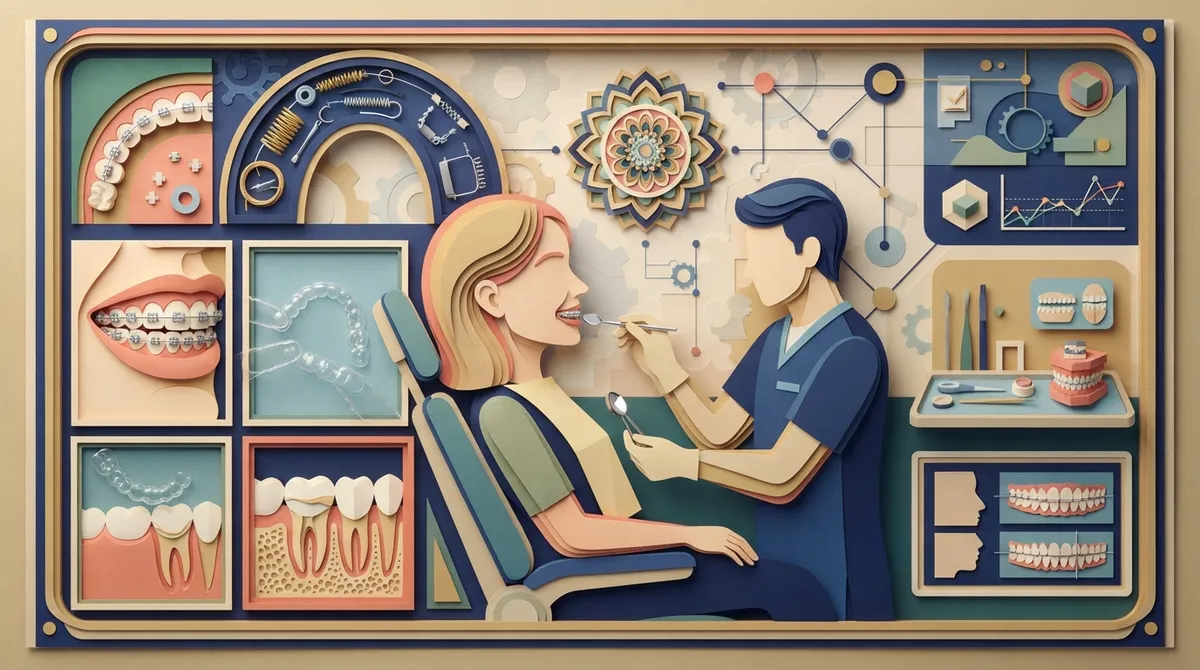
An adult orthodontist is a dental specialist who checks and treats bite and alignment problems in grown-ups. This is not the same as a general dentist. Orthodontists go through extra training after dental school. The American Association of Orthodontists says this training adds up to about 3,700 extra hours focused just on moving teeth safely and effectively.
This extra schooling matters a lot for adults. Your mouth is different from a teenager’s mouth. Your jawbone has fully grown. You might have crowns, fillings, or even missing teeth. An experienced orthodontist knows how to plan around these details so your treatment works well and lasts. At Meet Dr. Brockway, patients in Clearwater get exactly this kind of thoughtful, personalized planning.
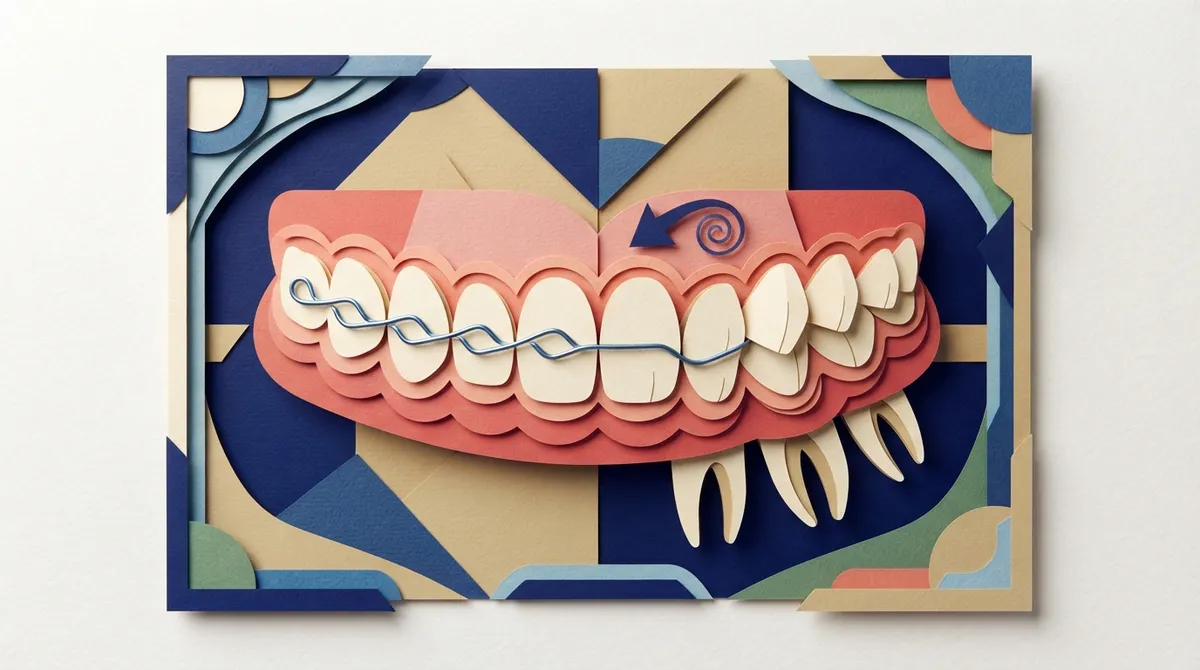
Sign 1: Your Teeth Have Shifted or Relapsed
Did you wear braces as a teen and figure your smile was set for life? Many adults find their teeth slowly drift back over the years. This is called relapse, and it happens more often than people think.
Common reasons your teeth may have shifted include:
- You stopped wearing your retainer years ago
- Your retainer broke or got lost and was never replaced
- Natural aging causes slow changes in your jaw and teeth
- Wisdom teeth came in and pushed your other teeth
- Grinding or clenching your teeth at night
If your smile looks different from your old braces photos, that is a clear sign to book a check-up. Orthodontic relapse patients often need a shorter, more focused treatment than a first-time patient. Many adults in Clearwater find that a quick round of Spark™ Clear Aligners can fix relapse fast and quietly.
Sign 2: You Have Bite Problems That Bother You Daily
Sometimes it is not about looks at all. Maybe you deal with jaw pain, trouble chewing, or teeth that just do not line up right. These are classic signs your bite needs attention.
Here are common bite issues adults bring to an orthodontist:
- Overbite — top teeth stick out too far over the bottom teeth
- Underbite — bottom teeth sit in front of the top teeth
- Crossbite — some upper teeth sit inside the lower teeth instead of outside
- Open bite — front teeth do not touch when your mouth is closed
- Crowding or spacing — teeth are too close together or have big gaps
Fixing these issues can do more than improve your smile. It can also make chewing easier and reduce strain on your jaw. Our guide on How Do Braces Fix a Deep Overbite? breaks down exactly how this works, step by step.
Sign 3: You Are Ready for a Confidence Boost
Let’s be honest, sometimes the reason is simple: you want to feel good about your smile. Adult professionals often tell us they held off for years because they worried about how braces would look in meetings or on video calls. Good news! Treatment today looks nothing like it did when you were a kid.
You have real choices now, and none of them scream “metal mouth”:
| Treatment Option | Best For | Visibility |
|---|---|---|
| Traditional Metal Braces | Complex bite issues, precise control | Visible |
| Ceramic (Clear) Braces | Adults wanting a subtle look with strong results | Low visibility |
| Spark™ Clear Aligners | Busy adults wanting a removable, discreet option | Nearly invisible |
| Lingual Braces | Adults wanting braces hidden behind teeth | Not visible |
There truly is no upper age limit for treatment. Adults can often get results just as good as younger patients get. Our page on All About Braces covers every option in detail, so you can pick what fits your life best.
How Adult Treatment Differs From Teen Treatment
Your mouth as an adult brings a few extra things to think about. This does not mean treatment is harder. It just means your orthodontist needs to plan a bit differently.
Things Your Orthodontist Will Check
- Gum and bone health, since adult bones have finished growing
- Existing dental work like crowns, bridges, or implants
- Missing teeth or teeth that have worn down over time
- Habits like clenching, grinding, or smoking
- Any medications that might affect bone or gum healing
None of these things rule out treatment. They just help your orthodontist build a smart, safe plan made just for you. If you have periodontal concerns, your orthodontist may work closely with your dentist to make sure your gums stay healthy throughout treatment. This teamwork approach is a big part of what we do for health-conscious patients at our Clearwater practice.
Braces vs. Clear Aligners: Which Wins for Adults?
This is probably the question we hear most from adult patients. Both options work well, but they fit different lifestyles.
Clear aligners are removable, so you can take them out to eat and brush your teeth like normal. But they only work if you wear them about 22 hours a day. If you know you will forget or skip wearing them, braces might serve you better since they stay in place the whole time. Braces also offer more precise control for complex tooth movements, according to the American Dental Association.
Curious how these two stack up in every category? Check out our full comparison in Metal vs. Clear Braces for Adults: Which Is Right for You? to see which path fits your daily routine.
How Long Does Adult Orthodontic Treatment Take?
This depends a lot on your case. Mild cases might wrap up in about 8 to 12 months. More complex cases can take a couple of years. The American Association of Orthodontists says these are general ranges, not guarantees, since everyone’s mouth is different.
Sticking to your treatment plan matters a lot here. Wearing your aligners as directed, showing up for adjustments, and following your orthodontist’s advice all help keep your timeline on track. Skipping steps can add months to your journey, which nobody wants.
What Happens at Your First Adult Orthodontic Visit
Walking into an orthodontist’s office for the first time as an adult can feel a little nerve-wracking. Here is what usually happens, step by step:
- You will fill out some basic health and dental history forms
- Your orthodontist will take digital scans or X-rays of your teeth and jaw
- You will talk about your goals, concerns, and any past dental work
- Your orthodontist will explain your treatment options clearly
- You will get a cost estimate and learn about payment or insurance options
At Brockway Orthodontics, we use modern digital scanning instead of messy molds, which makes this whole process faster and more comfortable. Learn more about what to expect on Your First Visit page before you come in.
Paying for Adult Orthodontic Care
Cost is often the biggest worry for adults thinking about braces or aligners. The good news is that many practices, including ours, offer flexible payment plans to spread out the cost over your treatment time.
Some dental insurance plans do cover part of adult orthodontic treatment, though coverage varies quite a bit. It is worth calling your insurance provider to ask directly. Our team can also walk you through your options on our Financing And Insurance page, so you know exactly what to expect before you commit.
Why Choose Brockway Orthodontics in Clearwater
Dr. Brockway brings real training and genuine care to every adult patient who walks through our doors. She takes time to listen to your goals and answer every question, so you never feel rushed or confused about your treatment plan.
We treat whole families here in Clearwater, from teens getting their first braces to parents finally getting the smile they always wanted. Our office uses modern tools like digital impressions and 3D imaging to plan your treatment with real precision, and in some cases, we can even get you started the same day you visit. Curious what real patients think? You can visit us on Google — Brockway Orthodontics to read reviews from your neighbors right here in the Clearwater area.
Want to see more before-and-after style stories from adults just like you? Our post on Why Are So Many Adults Getting Orthodontic Treatment in 2026? shares the bigger trend happening across the country right now.
Ready to Take the Next Step?
You deserve a smile that makes you feel proud every single day. Whether you are dealing with relapse, bite pain, or just want a straighter smile before a big event, an adult orthodontist can help you get there safely and comfortably. You can also follow our journey and see real patient smiles on Facebook or check out the Florida Association of Orthodontists to learn more about choosing a qualified specialist near you.
There is no perfect age to start, and there is no reason to wait any longer. Ready to find out what your smile could look like? Book appointment online today and take the first step toward a smile you will love showing off.
FAQs
Q: Am I too old to get braces or clear aligners?
A: Not at all! There is no upper age limit for orthodontic treatment. Plenty of our patients start their smile journey in their 40s, 50s, and beyond, and they get wonderful results. Your orthodontist just needs to check your gum and bone health first.
Q: What is the difference between an orthodontist and a general dentist?
A: An orthodontist completes extra specialty training after dental school, about 3,700 hours focused just on moving teeth and fixing bites. A general dentist handles your overall oral health, while an orthodontist specializes in alignment and bite correction.
Q: Can I get orthodontic treatment if I have crowns, implants, or missing teeth?
A: Yes, in most cases! Your orthodontist will simply take these into account when building your treatment plan. Many adults with existing dental work go through treatment successfully every year.
Q: Does dental insurance cover braces or aligners for adults?
A: It depends on your specific plan, since coverage varies a lot from one insurance provider to another. We recommend calling your insurance company directly, and our team is always happy to help you sort through your options.
Q: How long does adult orthodontic treatment usually take?
A: Mild cases can wrap up in about 8 to 12 months, while more complex cases may take a couple of years. Your orthodontist can give you a personalized estimate after your first exam.
Our Service Area