Key Takeaways
-
The best teeth straightening method depends on individual factors including teeth alignment, bite type, lifestyle, and age—there is no one-size-fits-all solution that works for everyone.
-
Clear aligners work best for mild-to-moderate crowding and require consistent wear of at least 22 hours daily; skipping this commitment can significantly delay treatment progress.
-
Traditional metal braces remain highly effective for complex bite issues and are often the most budget-friendly option, while ceramic braces offer a discreet alternative for professionals and teens.
-
Most orthodontic treatment takes 18-24 months, but timelines vary based on case complexity; regular in-person check-ups with a qualified orthodontist are essential to prevent unnoticed dental problems.
-
Retainers are mandatory after any straightening method because teeth naturally drift back over time; many patients need to wear them part-time or lifelong to maintain their results.
-
Children should see an orthodontist by age 7 for early intervention, which can guide jaw growth and create space for adult teeth, often making later treatment shorter and simpler.
Staring at your smile in the mirror and wondering if there’s a better way to fix it? You’re not alone. Every week, families and adults walk into our Clearwater office asking the same question: what’s the best teeth straightening method for me? Here’s the honest truth, and it might surprise you. There isn’t one single answer that works for everyone. The best choice depends on your teeth, your bite, your lifestyle, and even your age.
The good news? You don’t have to figure this out alone. Dr. Brockway and our team love walking patients through their options, step by step, until they find the perfect fit. Whether you’re a parent looking into adolescent treatment for your teen, or an adult professional who wants a discreet fix, this guide breaks down six proven paths to a straighter smile. Let’s dig in together.
1. Traditional Metal Braces
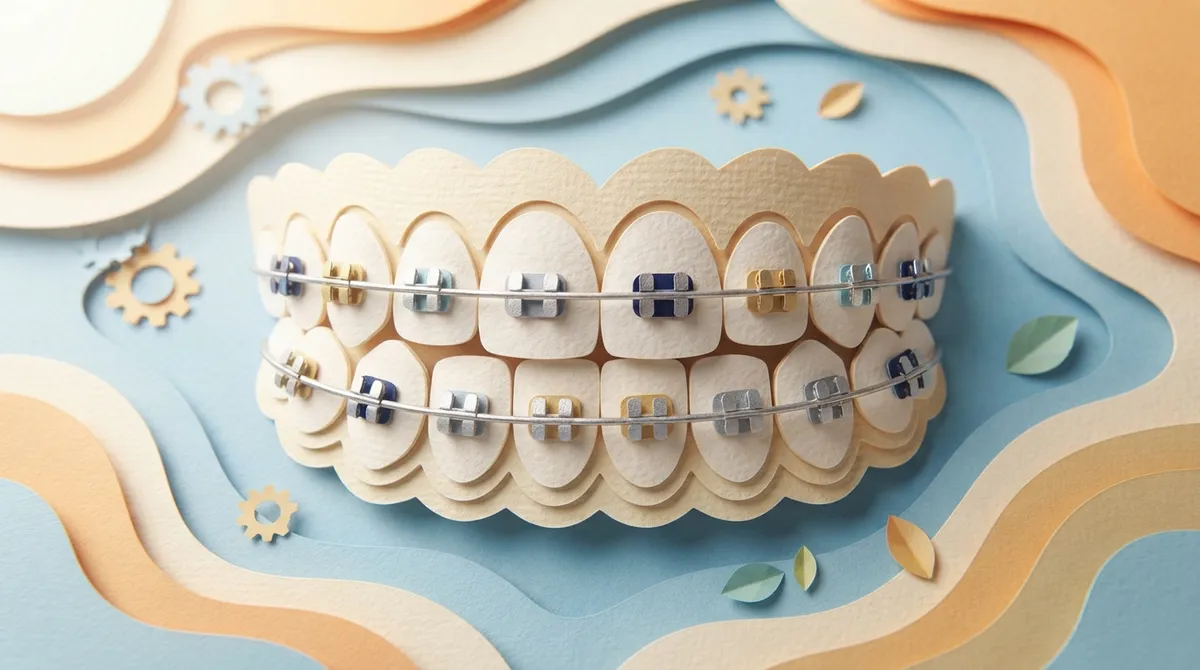
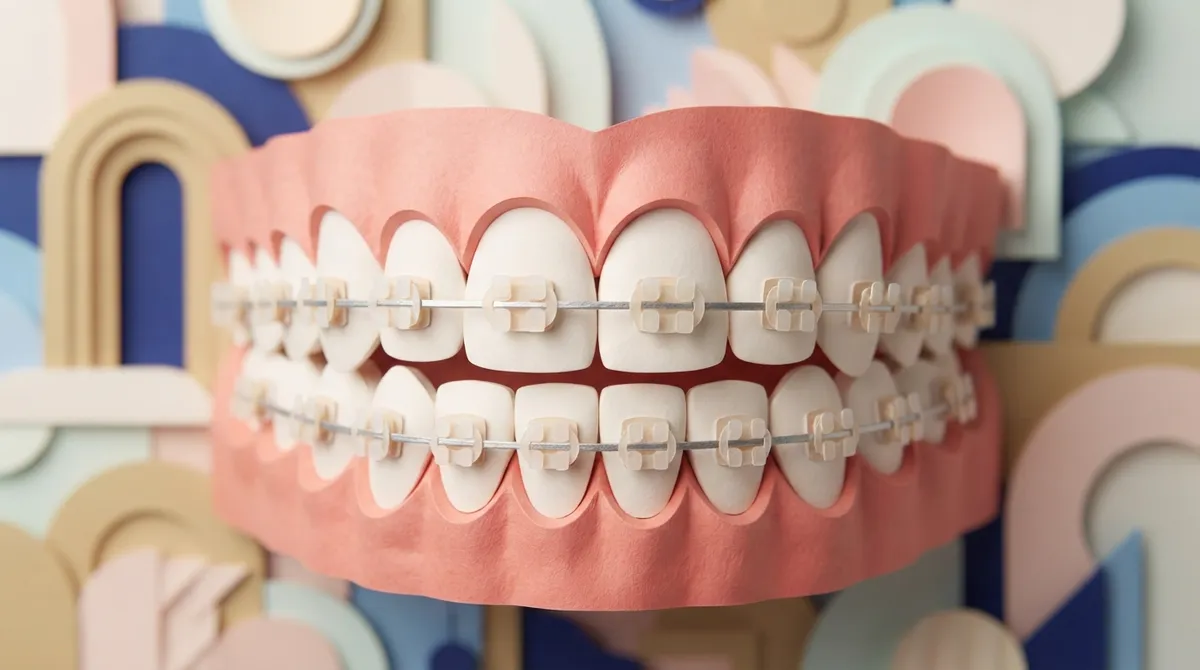
Metal braces have been around for decades, and there’s a good reason for that. They work. Fixed braces use brackets and wires to slowly guide teeth into place, and they can treat almost any alignment or bite problem out there. Unlike removable options, they stay on your teeth the whole time. That means you never have to remember to put them back in after lunch.
Metal braces are a great pick for kids, teens, and even adults with more complex bite issues. They’re also usually one of the more budget-friendly choices. Curious about what makes them tick? Check out our full breakdown of all about braces to see if this classic option fits your smile goals.
2. Ceramic (Ohh-So-Subtle) Braces
Want the strength of braces without the shiny metal look? Ceramic braces use tooth-colored brackets that blend in much better with your natural teeth. They work the same way as metal braces, moving teeth steadily over time, but they’re far less noticeable in photos and video calls.
This option is popular with adult professionals who want effective treatment without drawing extra attention during meetings. It’s also a hit with teens heading into big milestones like graduation photos or prom. If a more discreet look while still getting reliable, predictable results sounds appealing, ceramic braces might be your best teeth straightening method.
3. Spark™ Clear Aligners
Here’s where things get exciting. Clear aligners are removable, custom-made trays that gradually shift your teeth. At Brockway Orthodontics, we proudly offer Spark™ Clear Aligners, a comfortable and often more affordable alternative to other big-name aligner brands.
Clear aligners are a wonderful fit for many teens and adults dealing with mild-to-moderate crowding or spacing. According to the American Association of Orthodontists, aligners are typically worn at least 22 hours a day, and each tray is usually swapped out weekly. That means your success really depends on how consistently you wear them. Removed too often for snacks or forgotten at a friend’s house? Your treatment could stall.
A 2024 systematic review found that, for mild-to-moderate crowding, aligners and fixed braces often take about the same amount of time to finish treatment. However, that evidence was rated as low-certainty, and severe cases weren’t well studied. This is exactly why an orthodontist’s exam matters so much before choosing your path.
Who Tends to Love Clear Aligners
- Adult professionals who want a nearly invisible option for meetings and social events
- Teens preparing for photos, sports, or performances
- Patients with mild-to-moderate crowding or gaps
- Anyone who values being able to remove their trays for eating and brushing
4. Combination Treatment Plans
Sometimes the best teeth straightening method isn’t just one option. It’s a mix. For more complicated bite issues, Dr. Brockway may recommend starting with braces to correct bigger movements, then switching to aligners to fine-tune the final result. Or vice versa.
This kind of personalized plan is especially common for patients dealing with both crowding and bite misalignment, like an overbite or crossbite. It’s also a great option for our adult treatment patients who had braces as kids but need a little retreatment now. If your smile has shifted since your teenage years, you’re definitely not alone, and a fresh, tailored plan can get you back on track.
5. Early Intervention for Kids
Parents, this one’s for you. Sometimes the best method for your child isn’t full braces right away. It’s catching issues early. Early treatment can guide jaw growth and create space for adult teeth, often making later treatment shorter and simpler.
The American Dental Association recommends kids see an orthodontist around age 7, even if it seems too early. At that visit, we can spot problems that are easier to fix now than later. Think of it like catching a small crack before it becomes a big one. For more on timing, take a look at our guide on orthodontics for kids to know what to expect.
6. A Personalized Plan After a Real Exam
Here’s the thing nobody tells you: the single best teeth straightening method is the one built just for you. Not your neighbor. Not your coworker. You. That means your diagnosis, your bite, your oral health, and even your daily habits all play a part in the decision.
This is exactly why skipping an in-person exam and jumping straight into a mail-order aligner kit can backfire. Without a trained eye watching your progress, dental or bite problems can go unnoticed. Regular checkups with a qualified professional protect your smile and your investment. Your first step? Book a visit and let us map out your first visit so you know exactly what to expect.
Comparing Your Options at a Glance
Feeling a little overwhelmed by all the choices? Totally normal. Here’s a simple side-by-side to help things click.
| Method | Best For | Visibility | Removable? |
|---|---|---|---|
| Metal Braces | Complex bites, all ages | Visible | No |
| Ceramic Braces | Discreet fix for teens and adults | Subtle | No |
| Spark™ Clear Aligners | Mild-to-moderate crowding or spacing | Nearly invisible | Yes |
| Combination Plans | Complex or relapse cases | Varies | Varies |
| Early Treatment | Kids ages 7 and up | N/A | Varies |
How Long Does Treatment Really Take?
Most patients ask this within the first five minutes of their consultation, and it’s a fair question. According to NHS guidance, orthodontic treatment usually lasts between 18 and 24 months, though this can shift based on how complex your case is. Simple crowding might wrap up faster. Bigger bite corrections can take longer.
A 2025 review looking at clear aligners in teen treatment found patient and parent satisfaction rates between 85% and 92%. That’s a pretty strong vote of confidence, though results always depend on the individual case and how well the plan is followed.
Don’t Forget About Retainers
Here’s a fact that surprises a lot of patients: no matter which method you choose, you’ll need a retainer afterward. Teeth naturally want to drift back to their old positions, and a good retainer routine keeps your hard-earned smile in place. Many patients wear retainers part-time for years, sometimes for life, to protect their results.
Skipping this step is one of the most common regrets we hear about from orthodontic relapse patients. If your teeth have shifted since your last treatment, don’t worry. Retreatment is possible, and we can help you get back to smiling with confidence.
Why Clearwater Families Choose Brockway Orthodontics
Dr. Brockway isn’t just another orthodontist in Clearwater, FL. She’s someone who genuinely listens to your goals and explains every option in plain, friendly language. Our office uses modern tools like digital impressions and 3D imaging, so you skip the messy molds and get a treatment plan built specifically around your smile.
We also know life gets busy, so we offer same-day treatment starts in certain cases, meaning you won’t need to juggle multiple appointments just to get going. Want to see what real patients say about their experience? Feel free to visit us on Google — Brockway Orthodontics and read through their stories. You can also connect with us on Instagram or Facebook to see smile transformations happening right here in our community.
For general dental health guidance alongside your orthodontic care, resources from the American Dental Association and the Florida Association of Orthodontists are excellent places to learn more about keeping your whole mouth healthy during treatment.
Making Your Decision With Confidence
So, what’s the best teeth straightening method for you? It really comes down to a simple checklist: your bite, your goals, your budget, and your willingness to follow through with the plan. Metal braces might win for a busy teen who won’t remember to wear removable trays. Clear aligners might be the answer for a professional who wants a nearly invisible option for work.
Here’s a quick recap to help you decide:
- Get a full exam so your orthodontist can see exactly what your teeth and bite need.
- Ask about all your options, including braces, ceramic braces, and clear aligners.
- Talk honestly about your daily habits. Will you remember to wear removable trays?
- Consider your timeline. Do you have an event coming up, or is this a longer-term investment?
- Plan for retention. Ask what your retainer routine will look like after treatment.
- Choose a provider you trust, one who takes time to answer your questions.
Ready to stop guessing and start smiling? Our team would love to walk you through your options and build a plan that fits your life. Book appointment online today and take the first step toward the smile you’ve been dreaming about. Still have questions? Contact us anytime. We’re always happy to help.
FAQs
Q: What is the best teeth straightening method for adults?
A: Honestly, it depends on your bite and your lifestyle! Many of our adult patients love Spark™ Clear Aligners because they’re discreet and removable, but ceramic braces are also a wonderful choice if you need more complex correction. The only way to know for sure is with a personalized exam, so we can match you to the right fit.
Q: Are clear aligners as effective as braces?
A: For mild-to-moderate crowding, research suggests aligners and braces often take a similar amount of time to work their magic. That said, more complex bite issues may still respond better to braces or a combination plan. We’ll help you figure out exactly where you land after a friendly, thorough exam.
Q: How long does teeth-straightening treatment take?
A: Most patients are looking at somewhere between 18 and 24 months, though simpler cases can finish sooner and more complex ones may take a bit longer. Every smile is different, so we’ll give you a realistic timeline once we’ve seen your teeth in person.
Q: Do teeth move back after braces or aligners, and how long do I need a retainer?
A: Yes, teeth naturally want to shift back over time, which is why retainers are so important! Many patients wear them part-time for years, and sometimes for life, to protect that beautiful new smile. Think of it as ongoing insurance for all your hard work.
Q: Is orthodontic treatment safe without regular in-person checkups?
A: We always recommend working with a qualified orthodontist who can check your progress in person. Skipping regular visits, like with unsupervised mail-order kits, can let small problems go unnoticed until they become bigger ones. Your smile deserves real, hands-on care every step of the way.
Our Service Area