
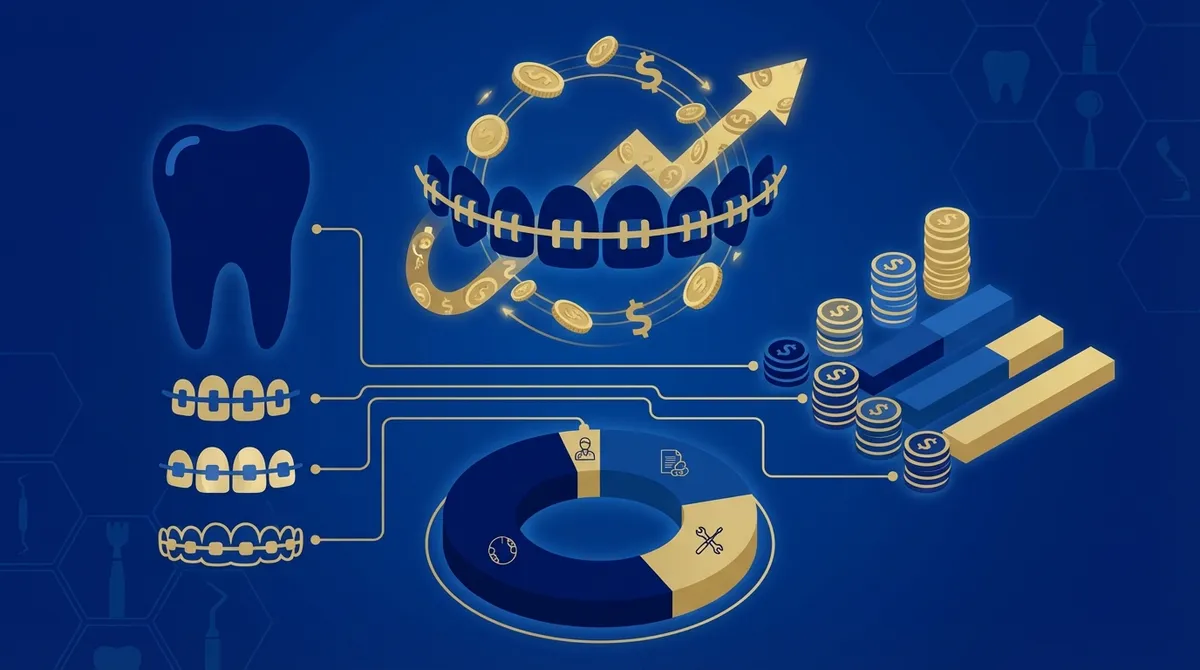
Understanding how much braces cost is essential for families and individuals considering orthodontic treatment. The investment in a confident, healthy smile extends beyond aesthetics—proper alignment improves oral health, reduces long-term dental problems, and enhances overall well-being. However, orthodontic pricing varies significantly based on multiple factors, making it crucial to understand what influences the final cost before committing to treatment.
In 2025, the average cost of traditional metal braces ranges from $3,000 to $7,000, though this figure can fluctuate based on your location, treatment complexity, and the orthodontist you choose. Clear aligners, ceramic braces, and lingual braces typically cost more, with prices reaching $8,000 or higher for comprehensive treatment. These numbers may seem overwhelming at first, but many orthodontic practices offer flexible payment plans and accept insurance to make treatment more accessible.
This comprehensive guide examines seven critical factors that determine how much braces cost, helping you budget effectively and make informed decisions about your orthodontic care. Whether you’re considering treatment for yourself or a family member, understanding these pricing elements empowers you to plan financially while prioritizing oral health.
1. Type of Braces and Treatment Technology
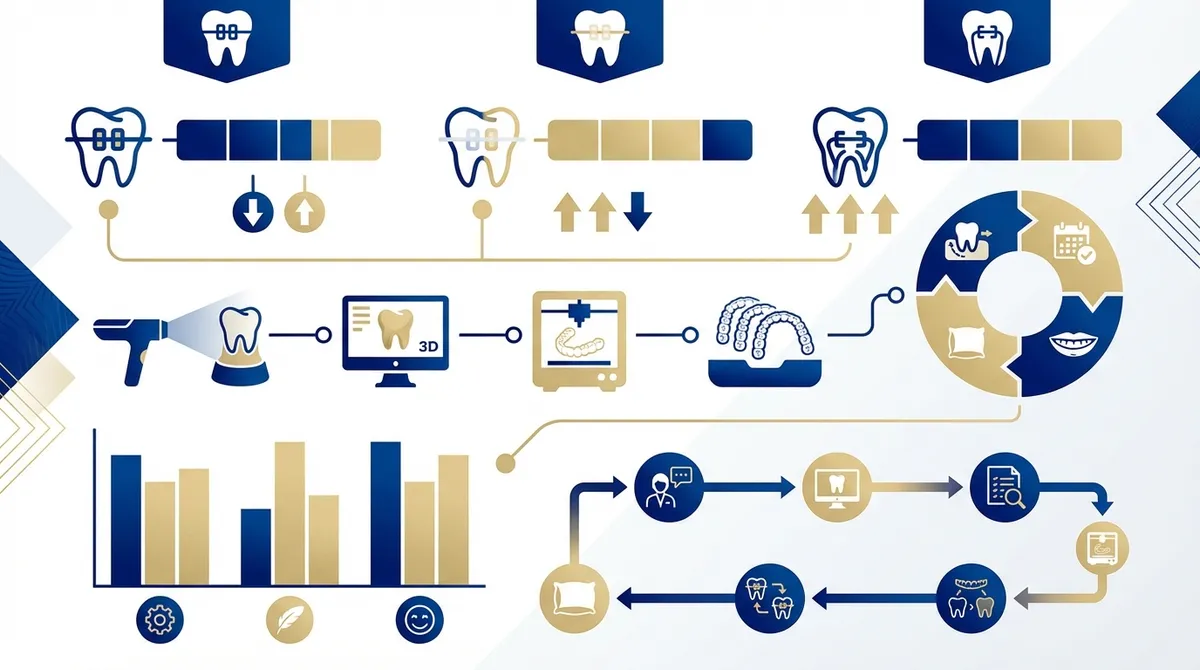
The type of braces you select significantly impacts the overall cost of orthodontic treatment. Traditional metal braces remain the most affordable option, utilizing stainless steel brackets and wires to gradually shift teeth into proper alignment. These time-tested appliances offer excellent results for even the most complex orthodontic cases.
Ceramic braces provide a more aesthetically pleasing alternative, using tooth-colored or clear brackets that blend with your natural teeth. While they function similarly to metal braces, ceramic options typically add $1,000 to $2,000 to the total treatment cost due to the premium materials used in their construction.
Clear aligners like Spark™ Clear Aligners represent the most discreet treatment option, using virtually invisible plastic trays to move teeth. These removable aligners offer unparalleled convenience for adults and teenagers concerned about appearance during treatment. The cost for clear aligner therapy generally ranges from $4,000 to $8,000, depending on treatment duration and case complexity.
Lingual braces, which attach to the back surfaces of teeth rather than the front, offer complete invisibility but command the highest price point. These specialized appliances require advanced training to install and adjust, with costs frequently exceeding $8,000 for full treatment.
|
Braces Type |
Average Cost Range |
Visibility |
Treatment Duration |
|---|---|---|---|
|
Traditional Metal |
$3,000 – $7,000 |
Visible |
18-24 months |
|
Ceramic |
$4,000 – $8,000 |
Less visible |
18-24 months |
|
Clear Aligners |
$4,000 – $8,000 |
Nearly invisible |
12-18 months |
|
Lingual |
$8,000 – $10,000 |
Completely hidden |
18-36 months |
2. Treatment Complexity and Duration
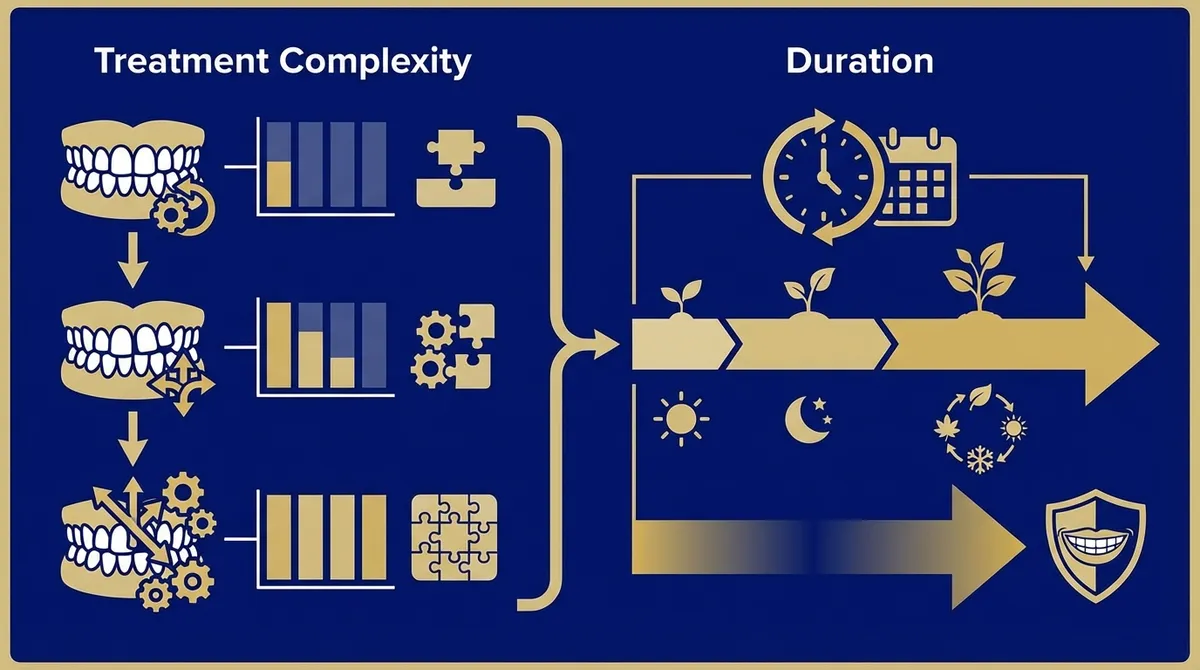
The severity of your orthodontic issues directly correlates with treatment cost. Minor corrections, such as slight crowding or small gaps between teeth, require fewer appointments and shorter treatment times, resulting in lower overall expenses. Patients with mild misalignment might complete treatment in 12 to 15 months with reduced costs.
Moderate cases involving significant crowding, spacing issues, or bite misalignment demand more extensive intervention. These treatments typically span 18 to 24 months and may require additional appliances or procedures, increasing the financial investment accordingly.
Complex orthodontic problems, including severe overbites, underbites, crossbites, or jaw alignment issues, necessitate comprehensive treatment plans. These cases often involve collaboration with oral surgeons, extended treatment timelines of 24 to 36 months, and specialized appliances beyond standard braces. The complexity adds considerable cost due to the expertise and time required to achieve optimal results.
Factors Increasing Treatment Complexity
-
Impacted or missing teeth requiring space management
-
Jaw discrepancies necessitating surgical intervention
-
Severe crowding requiring tooth extraction
-
Significant bite problems affecting jaw function
-
Previous orthodontic treatment requiring correction
According to the American Dental Association, comprehensive treatment planning ensures patients receive accurate cost estimates based on individual needs. Working with experienced orthodontists who thoroughly assess your case helps prevent unexpected expenses during treatment.
3. Geographic Location and Regional Pricing Variations

Where you live substantially affects how much braces cost due to regional economic factors. Orthodontic practices in major metropolitan areas typically charge more than those in smaller cities or rural communities, reflecting higher operating costs including rent, staff salaries, and overhead expenses.
Urban centers like New York City, Los Angeles, and San Francisco often see braces costs 20% to 40% higher than the national average. Conversely, patients in smaller markets may find more competitive pricing, with some practices offering comprehensive treatment for $2,500 to $5,000.
State-to-state variations also influence pricing, with some regions maintaining higher average costs due to increased demand, limited competition, or higher standards of living. Coastal states generally command premium prices compared to Midwestern or Southern states.
|
Region Type |
Average Metal Braces Cost |
Cost Variation |
|---|---|---|
|
Major Metropolitan |
$5,000 – $7,500 |
20-40% above average |
|
Mid-Size Cities |
$3,500 – $5,500 |
Near national average |
|
Small Towns/Rural |
$2,500 – $4,500 |
15-30% below average |
At Brockway Orthodontics, we understand the importance of providing transparent, competitive pricing while delivering exceptional care. Our Florida-based practice combines advanced treatment options with flexible payment solutions designed to fit various budgets.
4. Insurance Coverage and Benefits

Dental insurance significantly reduces out-of-pocket expenses for orthodontic treatment. Most comprehensive dental plans include orthodontic benefits, typically covering 50% of treatment costs up to a lifetime maximum of $1,000 to $2,000. Understanding your specific policy details helps you maximize available benefits and minimize personal expenses.
Insurance coverage varies widely between plans, with some offering generous lifetime maximums of $3,000 or more, while basic plans may provide limited or no orthodontic benefits. Employer-sponsored group plans generally offer better coverage than individual policies purchased independently.
Maximizing Insurance Benefits
-
Review your policy’s orthodontic coverage details before starting treatment
-
Verify lifetime maximums and percentage coverage rates
-
Confirm age restrictions, as some plans only cover orthodontics for patients under 18
-
Understand waiting periods that may delay benefit eligibility
-
Ask your orthodontist’s office to submit a pre-authorization for accurate cost estimates
Many orthodontic practices, including Brockway Orthodontics, work directly with insurance providers to handle claims processing and maximize your benefits. Our experienced billing specialists verify coverage, submit necessary documentation, and help patients understand their financial responsibility before treatment begins.
For patients without orthodontic insurance or those who have exhausted lifetime benefits, health savings accounts (HSAs) and flexible spending accounts (FSAs) offer tax-advantaged ways to pay for treatment. These accounts allow you to set aside pre-tax dollars specifically for medical and dental expenses, effectively reducing the net cost of braces.
5. Orthodontist Experience and Practice Reputation
The expertise and reputation of your orthodontist influence treatment costs. Board-certified orthodontists who have completed specialized training beyond dental school often charge premium rates reflecting their advanced education and proven track record of successful outcomes.
Experienced orthodontists bring valuable skills to complex cases, potentially reducing treatment time and minimizing complications. While their fees may exceed those of less experienced providers, the investment often yields superior results and greater patient satisfaction.
Practice reputation also matters. Orthodontic offices with state-of-the-art technology, comfortable facilities, and exceptional patient service typically maintain higher fee schedules. These practices invest substantially in continuing education, advanced equipment, and staff training to deliver outstanding care experiences.
When evaluating orthodontists, consider factors beyond price alone. The Florida Association of Orthodontists recommends researching credentials, reading patient reviews, and scheduling consultations with multiple providers to compare treatment approaches and pricing structures.
Questions to Ask During Consultations
-
What are your credentials and years of experience?
-
How many cases similar to mine have you treated?
-
What technology do you use for treatment planning?
-
Can you provide before-and-after photos of previous patients?
-
What does your treatment estimate include?
6. Additional Treatment Requirements and Procedures
Orthodontic treatment sometimes requires supplementary procedures that increase overall costs. These additional services address underlying issues that must be resolved before or during braces treatment to achieve optimal results.
Tooth extractions become necessary when severe crowding prevents proper alignment. Oral surgeons typically perform these procedures at an additional cost of $150 to $400 per tooth, depending on complexity and whether the tooth is impacted.
Jaw surgery, or orthognathic surgery, addresses skeletal discrepancies that braces alone cannot correct. Patients with significant overbites, underbites, or facial asymmetry may require surgical intervention costing $20,000 to $40,000, though medical insurance often provides coverage since these procedures address functional problems beyond cosmetic concerns.
Temporary anchorage devices (TADs), small titanium screws placed in the jawbone to provide stable anchor points for tooth movement, may be recommended for complex cases. These devices typically add $300 to $500 per screw to treatment costs.
Pre-orthodontic treatments like palatal expanders, which widen the upper jaw in growing children, or space maintainers, which preserve room for permanent teeth, represent additional expenses ranging from $500 to $2,500 depending on the appliance type and duration of use.
7. Payment Plans and Financing Options
Orthodontic practices understand that the cost of braces represents a significant financial commitment for most families. Consequently, many offices offer flexible payment arrangements that make treatment accessible without requiring full payment upfront.
Interest-free payment plans remain the most popular financing option, allowing patients to spread costs over the treatment duration with monthly installments. These arrangements typically require a down payment of 10% to 25% of the total cost, with the balance divided into equal monthly payments.
Third-party financing companies like CareCredit and LendingClub provide orthodontic loans with various repayment terms and interest rates. Patients with excellent credit often qualify for promotional periods with 0% APR for 12 to 24 months, while longer-term loans may carry interest rates from 6% to 20% depending on creditworthiness.
|
Financing Option |
Typical Terms |
Best For |
|---|---|---|
|
In-House Payment Plans |
0% interest, 12-24 months |
Patients preferring direct arrangements |
|
Healthcare Credit Cards |
0-20% APR, 6-60 months |
Flexible payment needs |
|
HSA/FSA Accounts |
Pre-tax contributions |
Reducing taxable income |
|
Personal Loans |
Fixed rates, 24-60 months |
Large treatment costs |
Some orthodontic practices offer discounts for payment in full at treatment initiation, typically ranging from 3% to 5% of the total cost. Families treating multiple members simultaneously may also receive sibling discounts of $200 to $500 per additional patient.
Budgeting Tips for Orthodontic Treatment
-
Start saving early if you anticipate needing braces within the next year
-
Maximize FSA contributions during open enrollment periods
-
Compare financing offers from multiple sources before committing
-
Ask about all available discounts and payment incentives
-
Factor in additional costs like retainers and follow-up appointments
Hidden Costs and Treatment Extras
Beyond the base price of braces, patients should budget for supplementary expenses that arise throughout treatment. Understanding these additional costs prevents financial surprises and ensures comprehensive treatment planning.
Retainers, essential for maintaining results after braces removal, typically cost $200 to $600 depending on whether you receive removable or fixed options. Most orthodontists include one set of retainers in the overall treatment price, but replacements for lost or damaged retainers incur additional charges.
Emergency appointments for broken brackets, loose wires, or other urgent issues may carry fees of $50 to $150, particularly if they occur outside regular office hours. Proper care of your All About Braces minimizes these unexpected visits and associated costs.
Teeth whitening after braces removal represents a popular optional service, with professional treatments ranging from $300 to $800. While not medically necessary, many patients appreciate the enhanced aesthetic results following completion of orthodontic treatment.
X-rays and diagnostic records, including photographs and digital scans, help orthodontists monitor progress throughout treatment. Most practices include these imaging services in the comprehensive treatment fee, but it’s wise to confirm what your quoted price covers.
Comparing Costs: Braces vs. Clear Aligners
Many patients wrestle with the decision between traditional braces and clear aligner therapy, with cost representing a significant consideration. While treatment outcomes are comparable for appropriate cases, pricing structures differ in important ways.
Traditional metal braces generally offer the most budget-friendly option, with comprehensive treatment starting around $3,000. Their versatility in addressing complex orthodontic problems makes them cost-effective for patients with severe misalignment, extensive crowding, or significant bite issues.
Clear aligners like Spark™ typically cost $4,000 to $8,000, positioning them in the mid-to-upper price range. This premium reflects the advanced technology required to fabricate custom trays and the convenience of removable, nearly invisible treatment. However, for patients with mild to moderate orthodontic needs, the added cost may prove worthwhile given the lifestyle benefits.
Treatment duration influences total costs regardless of appliance type. Clear aligners often complete treatment faster than traditional braces for simple cases, potentially reducing the number of required appointments and associated expenses. Conversely, complex cases may extend aligner therapy beyond typical timeframes, increasing costs proportionally.
Cost Comparison Considerations
-
Initial consultation fees (often complimentary at most practices)
-
Required office visits throughout treatment
-
Replacement costs for lost or damaged aligners vs. broken brackets
-
Refinement treatments if initial results require adjustment
-
Post-treatment retention and follow-up care
When to Start Saving for Orthodontic Treatment
Proactive financial planning makes orthodontic treatment more manageable and less stressful. The American Association of Orthodontists recommends children receive their first orthodontic evaluation by age seven, providing ample time to budget for future treatment needs.
Early assessment identifies developing problems that might require intervention during the growth years, potentially reducing treatment complexity and cost. Phase I treatment, performed while children still have primary teeth, can create space for permanent teeth and guide jaw development, sometimes eliminating the need for more extensive Phase II treatment later.
For adults considering orthodontic correction, starting a dedicated savings account as soon as you recognize the desire for treatment helps accumulate funds gradually. Setting aside $100 to $200 monthly for two years generates $2,400 to $4,800, covering a substantial portion of treatment costs and reducing reliance on financing.
Tax-advantaged savings vehicles like HSAs and FSAs offer additional benefits when planning for orthodontic expenses. These accounts reduce taxable income while earmarking funds specifically for healthcare costs, including comprehensive dental and orthodontic treatments.
Making Orthodontic Treatment Affordable
Despite the significant investment required, orthodontic treatment remains accessible for most families willing to explore available financial options. The key lies in understanding your priorities, researching providers thoroughly, and leveraging all available resources to minimize out-of-pocket expenses.
Start by scheduling complimentary consultations with multiple orthodontists to compare treatment recommendations and pricing structures. Reputable practices provide detailed cost breakdowns, insurance verification, and clear explanations of payment options during these initial visits.
Maximize insurance benefits by timing treatment to optimize coverage periods and confirming eligibility requirements before beginning care. Coordinating treatment for multiple family members simultaneously can yield substantial discounts while addressing everyone’s orthodontic needs efficiently.
Don’t hesitate to discuss financial concerns openly with your orthodontist. Experienced practices like Brockway Orthodontics work with patients to develop customized payment solutions that fit individual budgets while ensuring no one foregoes necessary treatment due to cost barriers. Connect with us on Facebook to see testimonials from satisfied patients who have successfully navigated the financial aspects of orthodontic care.
Consider the long-term value of orthodontic investment beyond the immediate cost. Properly aligned teeth improve oral health, reduce the risk of tooth decay and gum disease, enhance speech and chewing function, and boost confidence. These benefits compound over a lifetime, making orthodontic treatment one of the most valuable investments in overall health and well-being.
Conclusion
Understanding how much braces cost requires examining multiple factors that influence final pricing, from the type of appliances selected to treatment complexity, geographic location, and available financing options. While the average cost ranges from $3,000 to $7,000 for traditional metal braces, individual circumstances significantly impact actual expenses.
Successful orthodontic treatment planning balances clinical needs with financial realities. By researching providers thoroughly, maximizing insurance benefits, and exploring flexible payment arrangements, patients can access high-quality care without compromising their financial stability. The investment in a healthy, confident smile delivers returns that extend far beyond treatment completion, improving oral health and quality of life for years to come.
At Brockway Orthodontics, we pride ourselves on transparent pricing, personalized care, and flexible financial solutions that make orthodontic treatment accessible for families throughout Florida. Dr. Brockway and our dedicated team are committed to helping you achieve the smile you deserve while respecting your budget and financial priorities.
Ready to take the first step toward your perfect smile? Book appointment online today for a complimentary consultation, and let us create a customized treatment plan that fits both your orthodontic needs and your budget!
FAQs
Q: What is the average cost of braces in 2025?
A: The average cost of traditional metal braces in 2025 ranges from $3,000 to $7,000, depending on treatment complexity, geographic location, and the type of braces selected. Clear aligners and ceramic braces typically cost more, ranging from $4,000 to $8,000, while lingual braces can exceed $8,000 for comprehensive treatment. Most orthodontic practices offer flexible payment plans and accept insurance to make treatment more affordable.
Q: Does dental insurance cover braces?
A: Most comprehensive dental insurance plans include orthodontic benefits, typically covering 50% of treatment costs up to a lifetime maximum of $1,000 to $2,000. Coverage varies significantly between plans, with some offering maximums of $3,000 or more. It’s essential to verify your specific policy details, including age restrictions and waiting periods, before beginning treatment to maximize available benefits.
Q: What factors make braces more expensive?
A: Several factors increase braces costs, including treatment complexity (severe crowding or bite issues), the type of braces selected (ceramic or lingual options cost more than metal), geographic location (urban areas charge premium prices), and additional procedures like tooth extractions or jaw surgery. The orthodontist’s experience and practice reputation also influence pricing, with board-certified specialists typically charging higher fees.
Q: Are payment plans available for braces?
A: Yes, most orthodontic practices offer flexible payment plans to make braces more affordable. Interest-free in-house payment plans typically require a down payment of 10-25% with the balance spread over 12-24 months. Third-party financing options like CareCredit provide additional flexibility with promotional 0% APR periods or longer-term loans. Many practices also offer discounts for payment in full or for treating multiple family members simultaneously.
Q: How much do clear aligners cost compared to traditional braces?
A: Clear aligners like Spark™ typically cost $4,000 to $8,000, positioning them $1,000 to $2,000 higher than traditional metal braces on average. While more expensive, clear aligners offer advantages including near-invisibility, removability for eating and cleaning, and often shorter treatment times for mild to moderate cases. The cost difference reflects the advanced technology required to create custom aligners and the convenience they provide throughout treatment.