Key Takeaways
-
Early orthodontic evaluation, even for children as young as seven, can catch problems while jaws are still growing, potentially shortening treatment time and preventing future complications like gum disease and jaw strain.
-
Skipping retainer wear after treatment is a critical mistake; teeth naturally shift back over time, so wear retainers full-time for at least three months post-treatment, then nightly for about 12 hours to maintain your investment.
-
Avoid DIY teeth straightening methods like rubber bands or mail-order aligners, as they can cause permanent tooth damage, gum recession, bite problems, and tooth loss without professional orthodontic supervision.
-
Choose an orthodontist based on qualifications, modern technology, and clear communication rather than price alone; poor quality treatment often costs more long-term through relapse requiring additional work.
Thinking about fixing your smile? You’re not alone, and that’s wonderful news! Every day, folks of all ages walk into orthodontic offices ready to start their teeth correction journey. But here’s the thing: some common mistakes can slow down your progress, cost you extra money, or leave you feeling frustrated. The good news? These slip-ups are totally avoidable once you know what to watch for.
At Brockway Orthodontics in Clearwater, we’ve helped families, teens, and busy professionals navigate teeth correction with confidence. We’ve seen firsthand what works and what doesn’t. So grab a cup of coffee, get comfy, and let’s walk through seven mistakes you’ll want to steer clear of. Whether you’re a parent researching braces for your kiddo, a young adult prepping for graduation photos, or an adult finally ready to invest in your smile, this guide is for you.
What Is Teeth Correction, Really?
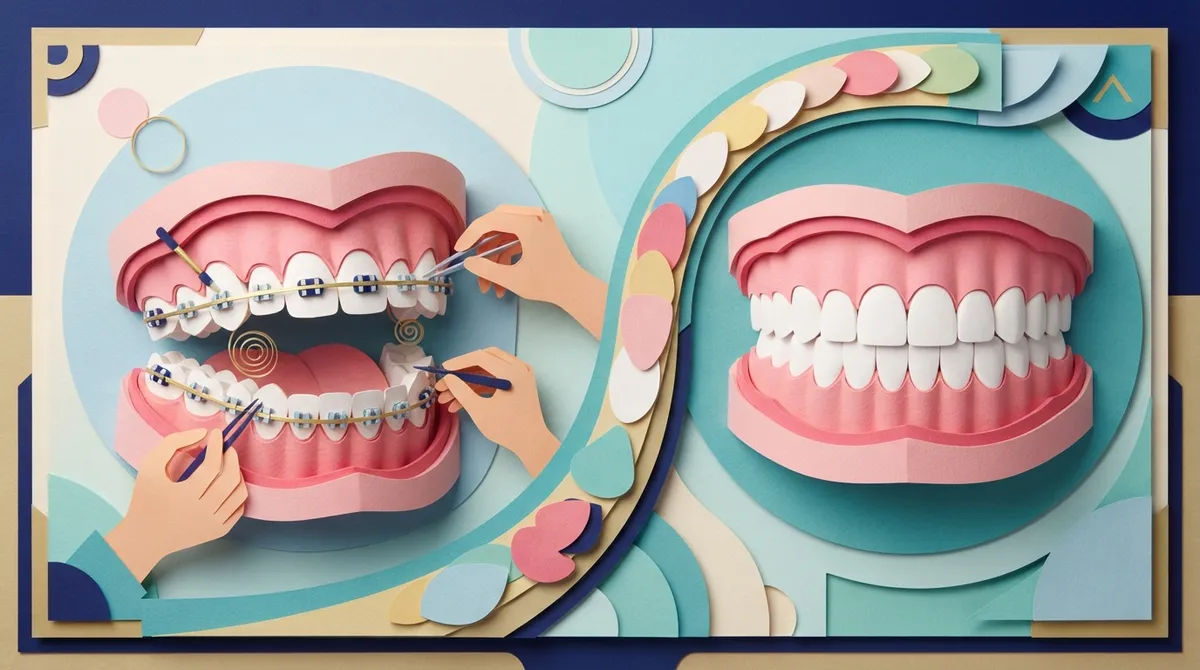
Teeth correction is the process of fixing crooked, crowded, or protruding teeth, along with bite problems like overbites and underbites. It’s not just about looks, either. Good orthodontic services improve how your teeth function, making it easier to chew, speak, and even breathe comfortably.
According to the American Dental Association, misaligned teeth can lead to bigger problems down the road, including gum disease and jaw strain. That’s why catching issues early and treating them properly really matters.
Levels of Orthodontic Care You Should Know
Not every case needs the same approach. Orthodontists typically break treatment into three levels:
- Preventive care: No tooth movement needed, just guidance for healthy development.
- Limited treatment: Aligning a small group of teeth, usually four to six.
- Comprehensive treatment: Full correction of teeth and jaw structure, often using braces or aligners.
Understanding which level applies to you helps set realistic expectations for time and cost.

Mistake 1: Waiting Too Long to Get an Evaluation
One of the biggest mistakes people make is putting off that first orthodontic visit. Parents sometimes assume they should wait until all baby teeth fall out. Adults often think they’ve “missed their window.” Neither is true!
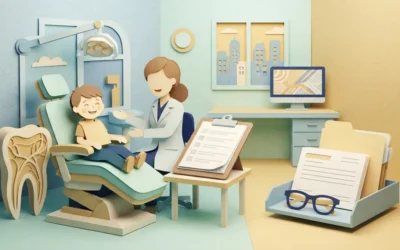
Early evaluation, even for kids as young as seven, helps orthodontists catch problems while jaws are still growing. This can mean shorter treatment time later. Curious what early treatment looks like? Check out our guide on early treatment options for children.
And adults, don’t feel discouraged. There’s genuinely no age limit for teeth correction. Many of our patients start their journey in their 30s, 40s, and beyond.
Mistake 2: Choosing Treatment Based on Price Alone
We get it. Orthodontic care is an investment. But picking the cheapest option without considering quality can backfire.
| Treatment Type | Average Cost Range | Typical Duration |
|---|---|---|
| Traditional Metal Braces | $5,000 – $13,000 | 1 – 3 years |
| Clear Aligners | $3,000 – $8,000 | 6 months – 2 years |
| Ceramic (Clear) Braces | Comparable to metal, slightly higher | 1 – 2 years |
Instead of chasing the lowest price, look at value. Ask about financing and insurance options that spread out costs while still getting expert care. A rushed or poorly monitored treatment plan often costs more in the long run through relapse or redo work.
Mistake 3: Not Understanding Your Treatment Options
Many patients don’t realize how many choices they actually have. Braces aren’t your only path to a straighter smile anymore.
Popular Teeth Correction Options Today
- Traditional metal braces: Reliable and effective for complex cases.
- Ceramic braces: Same technology, less noticeable appearance.
- Clear aligners: Removable, nearly invisible trays for mild to moderate cases.
- Spark™ Clear Aligners: A comfortable, affordable alternative offered right here at Brockway Orthodontics.
Learn more about our Spark™ Clear Aligners or explore All About Braces to see which fits your lifestyle best. Busy professionals especially love aligners because they’re discreet and easy to remove for meetings or big events.
Mistake 4: Skipping Retainer Wear After Treatment
This one trips up so many people! You finish months, maybe years, of hard work straightening your teeth. Then you stop wearing your retainer, thinking you’re done. Big mistake.
Retainers are not optional extras. They’re essential to keeping your new smile in place. Teeth naturally want to shift back over time, especially right after treatment ends.
- Wear retainers full-time for at least three months after braces or aligners come off.
- Transition to nighttime wear, typically about 12 hours, after that initial period.
- Never skip check-ins recommended by your orthodontist.
If you’ve experienced relapse and your teeth have shifted, you’re not alone, and it’s fixable. Learn more about retainers and how they protect your investment.
Mistake 5: Trying DIY Teeth Straightening
We know the internet is full of tempting shortcuts. Rubber bands, mail-order aligners, gap bands, you name it. Please, don’t go this route.
DIY teeth straightening without professional supervision can cause serious harm, including:
- Permanent tooth or root damage
- Gum recession
- Bite problems that get worse instead of better
- Tooth loss in severe cases
Orthodontic treatment requires careful monitoring by a trained professional. Every adjustment matters, and only an orthodontist can track your progress safely. If cost is your concern, talk to us about flexible payment plans instead of risky shortcuts.
Mistake 6: Ignoring Bite Function and Focusing Only on Looks
A straight smile is wonderful, but teeth correction is about more than appearance. A proper bite means your upper and lower teeth meet correctly when you chew.
Left untreated, bite problems can lead to:
- Uneven tooth wear over time
- Jaw joint pain or clicking
- Difficulty chewing certain foods
- Speech issues in some cases
- Increased risk of gum disease
A skilled orthodontist looks at your whole mouth, not just the front teeth people see when you smile. This is why a thorough consultation matters so much. During your first visit, we’ll evaluate both function and appearance together.
Mistake 7: Choosing the Wrong Orthodontist for Your Needs
Not all orthodontic offices offer the same level of care, technology, or personal attention. This mistake can affect your entire experience, from comfort during appointments to how happy you are with your final results.
What to Look for in a Quality Orthodontic Practice
- Board-certified orthodontist with proven experience
- Modern technology like digital impressions and 3D imaging
- Clear communication about your treatment plan
- Flexible scheduling, including same-day options when needed
- Genuine care for patients of all ages, from kids to adults
Dr. Brockway brings extensive training and a warm, patient-first approach to every visit. She takes time to listen to your goals and explains treatment in a way that actually makes sense, no confusing jargon. Our office proudly serves Clearwater families with adolescent treatment and adult treatment plans tailored to real life.
Curious what past patients think? You can Visit us on Google — Brockway Orthodontics to read honest reviews from our Clearwater community. We’re also active on Facebook and Instagram, sharing smile transformations and helpful tips daily.
Quick Comparison: Braces vs Clear Aligners
| Feature | Traditional Braces | Clear Aligners |
|---|---|---|
| Visibility | Noticeable (ceramic less so) | Nearly invisible |
| Removable | No | Yes |
| Adjustment Frequency | Every 4–10 weeks | New tray every 1–2 weeks |
| Daily Wear Requirement | Full-time | At least 22 hours daily |
| Best For | Complex cases | Mild to moderate cases |
Steps to Start Your Teeth Correction Journey the Right Way
Ready to avoid these common mistakes? Here’s a simple path forward:
- Schedule a consultation, even if you think it’s too early or too late.
- Ask questions about every treatment option available to you.
- Get a clear breakdown of costs, timelines, and financing options.
- Choose a provider who explains things clearly and makes you feel comfortable.
- Commit to wearing retainers and following your treatment plan closely.
Following these steps puts you on track for a smile you’ll love, without unnecessary delays or expenses.
Bringing It All Together
Teeth correction is a journey, and like any good journey, a little planning goes a long way. Avoiding these seven common mistakes can save you time, money, and frustration while helping you reach your best smile faster. Remember, there’s no perfect age to start, no shame in needing a retreatment, and no reason to settle for less than personalized, expert care.
The team at Brockway Orthodontics genuinely loves what we do, and it shows in how we treat every patient who walks through our Clearwater doors. Whether you’re bringing in your teenager for their first consultation or finally taking that step for yourself as an adult, we’re here to make the process feel welcoming, not overwhelming. For broader guidance on orthodontic standards, the Florida Association of Orthodontists is also a great resource for patients researching their options.
Ready to take the next step toward a straighter, healthier smile? Book appointment online today, or feel free to contact us with any questions. We can’t wait to meet you and help you smile with confidence!
FAQs
Q: What is the difference between limited and comprehensive orthodontic care?
A: Limited treatment focuses on aligning just a few teeth, usually four to six, while comprehensive treatment addresses your whole bite and jaw structure. Your orthodontist will recommend the right level based on your specific needs during your first visit.
Q: How long does teeth correction with braces typically take?
A: It really depends on your case! Mild issues might take about six months, while more complex situations involving the jaw can take up to three years. Most patients fall somewhere in the one to two year range.
Q: Can adults get teeth correction if they missed it as children?
A: Absolutely, yes! There’s no age limit when it comes to straightening your smile. Many of our adult patients at Brockway Orthodontics finally invest in their smile in their 30s, 40s, and even later.
Q: What happens if you don’t wear your retainer after treatment?
A: Skipping your retainer can allow teeth to shift back toward their original position, undoing months or years of hard work. That’s why we always recommend full-time wear initially, followed by nightly use to keep your smile in place.
Q: Are clear aligners better than braces for severe misalignment?
A: For very complex cases, traditional braces often provide more control and predictable results. Clear aligners work wonderfully for mild to moderate cases, so your orthodontist will help you choose the best fit for your unique smile.
Our Service Area