Key Takeaways
-
Get your child's first orthodontic evaluation around age 7, even if treatment isn't needed immediately, as early detection allows orthodontists to guide jaw growth and tooth eruption while options are still optimal.
-
Crowding severity varies from mild (under 4mm) to severe (over 8mm), requiring different treatments—clear aligners work for mild to moderate cases, while severe crowding often needs traditional braces or extraction for lasting results.
-
Wear your retainer exactly as instructed after treatment completion, since teeth shift as bone and tissue settle; skipping retainers is the most common cause of relapse that requires retreatment.
-
Don't attempt interproximal reduction (enamel slenderizing) at home or ignore mild crowding; improper DIY attempts damage teeth, while untreated crowding increases plaque buildup, cavities, and gum inflammation risks.
Do you cover your mouth when you smile? Or maybe you’ve noticed your child’s teeth coming in twisted or overlapping. You’re not alone. Crowded teeth are one of the most common concerns we see here at Brockway Orthodontics in Clearwater. The good news? Correction is easier and more comfortable than ever. But here’s the catch: small mistakes along the way can slow your progress, waste your money, or even undo your results down the road.
A 2022 review found that dental crowding affects a mean of 33.8% of children and teens, though rates swing widely depending on the population studied. Whether you’re a parent watching your child’s smile develop, a busy professional ready for a straighter smile, or someone whose teeth have shifted back after old orthodontic work, avoiding these common mistakes matters. Let’s walk through the eight biggest crowded teeth correction mistakes and how you can steer clear of them.

1. Waiting Too Long to Get an Evaluation
One of the biggest mistakes families make is putting off that first orthodontic checkup. The American Dental Association and orthodontic experts agree that kids should have their first orthodontic evaluation around age 7. This doesn’t mean your child needs braces right away. It simply means an orthodontist can catch problems early, while there’s still time to guide jaw growth and tooth eruption.
Waiting until all the permanent teeth come in can limit your options later. If you’re unsure when to bring your child in, our Early Treatment program is a great place to start learning what to expect.
2. Assuming All Crowding Needs the Same Fix
Here’s a mistake we see often: people assume crowded teeth always need the same treatment. That’s simply not true. Crowding ranges from mild (under 4mm of space needed) to severe (over 8mm), according to clinical frameworks used by orthodontists. Mild cases might just need a little reshaping between teeth. Severe cases may call for expansion, braces, or in some cases, extraction.
An orthodontist evaluates your specific situation using photos, digital scans, and sometimes X-rays. There’s no one-size-fits-all answer. This is why a proper exam matters so much. During Your First Visit, Dr. Brockway will look at your bite, jaw size, and tooth positions before recommending anything.
Common Causes of Crowded Teeth
- Genetics that create a mismatch between tooth size and jaw size
- Losing baby teeth too early from decay or injury
- Baby teeth that don’t fall out on schedule
- Teeth erupting in the wrong direction
- Extra teeth taking up space in the jaw
- Prolonged thumb-sucking or pacifier habits in childhood
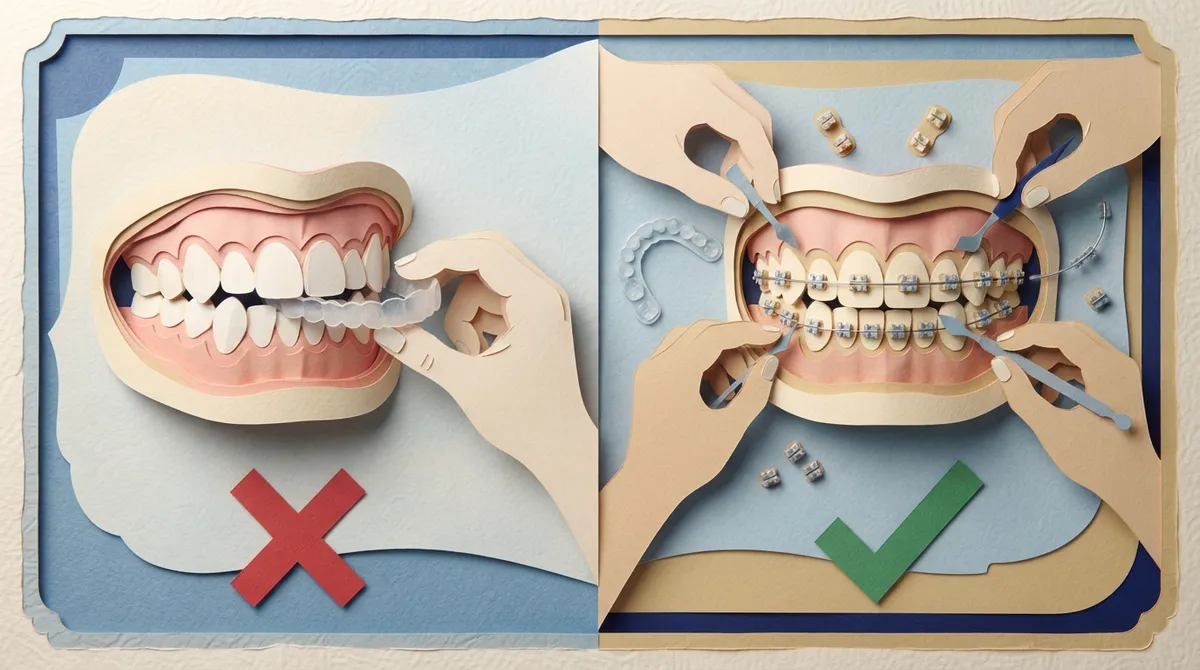
3. Thinking Clear Aligners Work for Every Case
Clear aligners have become incredibly popular, and for good reason. They’re comfortable and nearly invisible. But assuming they can fix any level of crowding is a mistake that can lead to disappointing results or wasted time.
Clear aligners like our Spark™ Clear Aligners work wonderfully for mild to moderate crowding. But severe crowding, impacted teeth, or cases needing extraction often require the stronger control that traditional braces provide. Our All About Braces page breaks down when fixed appliances make more sense.
| Treatment Option | Best For | Typical Duration |
|---|---|---|
| Clear Aligners | Mild to moderate crowding | 6-18 months |
| Traditional Braces | Mild to severe crowding, complex cases | 12-36 months |
| Palatal Expansion | Narrow arches in growing children | Varies by growth stage |
| Interproximal Reduction | Very mild spacing needs | Done in one or few visits |
4. Fearing Extraction Without Understanding Why
Nobody loves the idea of losing a tooth. But panicking about extraction, or refusing to consider it, is a mistake that can backfire. Extraction isn’t automatic just because crowding exists. It’s considered only when non-extraction methods would harm your bite, gum health, or facial balance.
Your orthodontist looks at the whole picture, not just a millimeter measurement. If extraction is recommended, it’s because the goal is a healthy, stable, and beautiful result that lasts. Trust the process and ask questions during your consultation.
5. Skipping Interproximal Reduction Education
Interproximal reduction, sometimes called enamel slenderizing, removes tiny amounts of enamel between teeth to create space. Some patients worry this sounds scary, or they try to do something similar at home. Please don’t. This is a mistake that can seriously damage your teeth.
When done properly by a trained professional, interproximal reduction is safe and only removes a very small, controlled amount of enamel. It’s one tool among many, not a DIY project. Always trust your orthodontic team to handle these techniques.
6. Ignoring Crowded Teeth Because They “Aren’t That Bad”
Mild crowding might not seem urgent. But ignoring it completely is a mistake that can create bigger problems over time. Crowded teeth are harder to clean properly. This raises your risk of plaque buildup, cavities, and gum inflammation.
Crowding can also cause uneven wear on your enamel and make chewing less comfortable. Left untreated, some patients also experience jaw discomfort or self-consciousness about their smile. Getting things checked out doesn’t mean you need treatment immediately, but it does mean you’ll have good information to make a decision. According to the Florida Association of Orthodontists, regular evaluations help catch these issues before they grow into bigger concerns.
7. Forgetting About Retainers After Treatment
You did it. Your braces are off or your last aligner tray is finished. Time to relax forever, right? Not quite. Skipping retainer wear is one of the most common and most frustrating mistakes people make.
Your teeth can shift back over time because the bone and tissue around them are still settling into their new positions. Retainers hold everything in place while your mouth adjusts. Whether you get a fixed retainer, a removable one, or both, following your orthodontist’s schedule is essential. Check out our Retainers page for tips on keeping your smile straight for good.
Steps to Protect Your Results Long-Term
- Wear your retainer exactly as instructed, even if it feels like a hassle at first
- Attend follow-up appointments so your orthodontist can check for shifting
- Replace worn or lost retainers right away instead of waiting
- Tell your orthodontist if you notice any changes in your bite
- Keep up with regular dental cleanings to protect your investment
8. Trying to Fix Relapse on Your Own
Maybe you had braces years ago, but life happened and you stopped wearing your retainer. Now your teeth have shifted again. This happens more often than you’d think, and trying to fix it yourself with online gadgets is a mistake that can cause real harm.
Relapse can be corrected safely with a new evaluation and a fresh treatment plan. Many adults come to us feeling embarrassed, but there’s no need. Our Adult Treatment options are designed for exactly this situation, whether you need a quick touch-up or a more complete retreatment.
Why Choose Brockway Orthodontics for Your Correction Journey
Dr. Brockway and her team have built a reputation in Clearwater for personalized, friendly care. We take time to explain your options clearly, whether you’re a parent bringing in a seven-year-old or an adult ready to finally fix that shifted smile. We offer Services ranging from traditional metal braces to ceramic braces and Spark™ Clear Aligners, so there’s a solution that fits your lifestyle and budget.
We also use modern digital scanning technology instead of messy molds, and in certain cases, we can offer same-day treatment starts so you’re not waiting around. Curious what other patients think? You can visit us on Google — Brockway Orthodontics to read real reviews from Clearwater families just like yours. You can also follow along on Instagram or connect with us on Facebook for smile transformation stories and tips.
Ready to Start Your Smile Journey?
Crowded teeth correction doesn’t have to feel overwhelming. With the right team guiding you, avoiding these eight common mistakes is simple. From early checkups for your kids to relapse treatment for adults, Brockway Orthodontics is here to support your family every step of the way. Ready to see what your options look like? Book appointment online today, or feel free to contact us with any questions. We can’t wait to help you love your smile!
FAQs
Q: What is the best treatment for crowded teeth?
A: Honestly, it depends on your unique smile! Mild crowding might just need small enamel reshaping or clear aligners, while more severe cases often do best with traditional braces. Dr. Brockway will look at your specific situation during a consultation and help you find the perfect fit.
Q: Can crowded teeth be fixed without braces?
A: Sometimes, yes! Mild crowding can occasionally be corrected with clear aligners or a small procedure called interproximal reduction. But for moderate to severe crowding, braces usually offer the control needed for lasting, healthy results.
Q: Can crowded teeth be corrected in adults?
A: Absolutely, it’s never too late! We see adults of all ages come through our doors, from those wanting their first orthodontic treatment to folks dealing with relapse from years ago. Modern options like clear aligners make adult treatment more discreet and comfortable than ever.
Q: Will crowded teeth come back after orthodontic treatment?
A: They can shift if you skip your retainer, which is why we always stress how important that step is. Your bone and gum tissue need time to settle, so wearing your retainer as directed keeps your beautiful new smile exactly where it belongs.
Q: At what age should a child be evaluated for crowded teeth?
A: We recommend an orthodontic checkup around age 7. This doesn’t mean treatment starts right away, but it gives us a chance to catch potential crowding issues early and plan ahead if needed. Early awareness really can make a big difference down the road.
Our Service Area