
Key Takeaways
-
There is no age limit for braces; orthodontists evaluate candidacy based on oral health, not age, and healthy teeth can be moved at any stage of life.
-
Adult orthodontic treatment typically takes 18 months to 3 years—slightly longer than teen treatment—but delivers lasting results worth the wait.
-
One in three orthodontic patients is now an adult, a major shift from a decade ago when only one in five were adults, showing this is an increasingly common choice.
-
Key requirements for adult braces include healthy gum tissue, adequate bone density, good oral hygiene habits, and no untreated decay—existing dental work like crowns or implants don’t automatically disqualify you.
-
Modern treatment options like clear aligners are more discreet and comfortable than ever, making them ideal for working professionals seeking invisible orthodontic treatment.
-
Teeth naturally shift throughout life even after previous braces (orthodontic relapse), but retreatment is highly effective and often takes less time than original treatment.
Here’s something that might surprise you: there is no age limit for braces. That’s right — whether you’re 16, 36, or 66, you can still get a straighter, healthier smile. Yet so many adults write off orthodontic treatment before even asking the question.
Maybe you missed out on braces as a kid. Maybe your teeth have shifted since then. Or maybe you just want to feel more confident at work and in life. Whatever brought you here, you’re in the right place. This article walks you through 8 honest truths about adult orthodontic treatment so you can make the best decision for your smile.
Spoiler: it’s almost never too late. Let’s dig in.

1. Age Alone Does Not Disqualify You from Braces
The biggest myth about braces is that they’re only for teenagers. In reality, orthodontists evaluate candidacy based on oral health, not age. As long as your teeth and gums are in good shape, treatment is possible at almost any age.
The American Dental Association confirms that healthy teeth can be moved at any stage of life. Bone density, gum health, and overall oral hygiene matter far more than the number of candles on your birthday cake.
If you’ve been putting off orthodontic care because you thought you aged out, this is your sign to reach out. You can schedule a free consultation and find out where you actually stand.

2. One in Three Orthodontic Patients Is an Adult
You are far from alone in this. According to the American Association of Orthodontists, one in three orthodontic patients is now an adult. That’s a huge shift from just a decade ago, when only one in five patients was an adult.
More people than ever are choosing to invest in their smiles later in life. Whether it’s for confidence, career, or health, adults are embracing orthodontic treatment in record numbers in 2026.
- Adults in their 30s are starting treatment for the first time
- Adults in their 40s are correcting shifts that happened after teenage braces
- Adults in their 50s and 60s are improving bite function and comfort
- Retirees are investing in their smiles as part of overall wellness goals
The community of adult orthodontic patients is growing every year — and it’s a welcoming one.

3. Adults Can Get Braces in Their 40s, 50s, and Beyond
Yes, really. Patients in their 40s, 50s, and even 60s successfully complete orthodontic treatment every single day. The adult orthodontic treatment process is simply tailored to your unique needs at that stage of life.
Your orthodontist will assess your bone density and gum health before creating a personalized plan. As long as those foundations are solid, age is truly just a number when it comes to straightening your teeth.
| Age Group | Common Reason for Treatment | Best Treatment Option |
|---|---|---|
| 20s–30s | First-time treatment or minor shifting | Braces or clear aligners |
| 40s–50s | Orthodontic relapse or bite issues | Clear aligners or traditional braces |
| 60s and beyond | Comfort, function, and aesthetics | Personalized plan with orthodontist |
4. Treatment Takes a Little Longer for Adults — But It’s Worth It
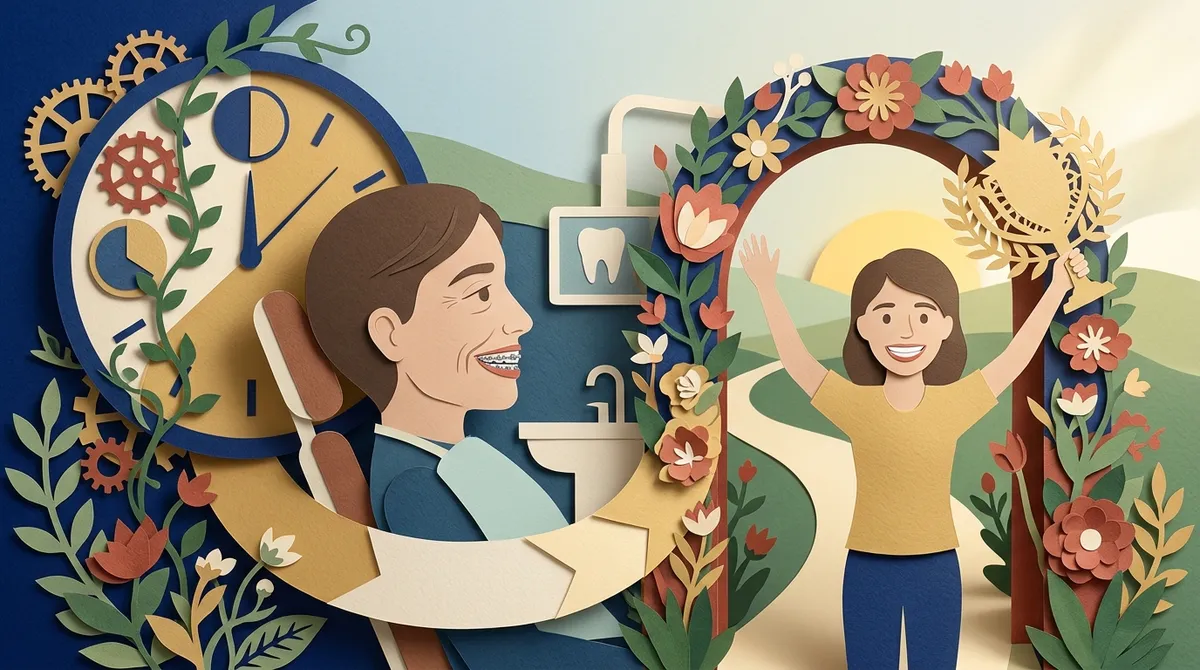
Here’s an honest truth: adult orthodontic treatment usually takes longer than treatment for kids or teens. Adult bones are fully developed, which means teeth move more slowly. On average, adults can expect treatment to last 18 months to 3 years.
Compare that to the general average of about 2 years for all patients. The difference isn’t dramatic, but it’s worth knowing upfront so you can plan accordingly.
| Patient Type | Average Treatment Duration | Key Factor |
|---|---|---|
| Children (early treatment) | 12–18 months | Jaw still developing |
| Teenagers | 18–24 months | Faster bone response |
| Adults | 18 months to 3 years | Fully developed bones |
The good news? A beautiful, lasting smile is absolutely worth the wait. And modern treatment options make the journey far more comfortable than you might imagine.
5. These Are the Real Requirements for Adult Braces
So what does it actually take to qualify for orthodontic treatment as an adult? Here are the key requirements your orthodontist will look for:
- Healthy gum tissue — Gum disease must be treated or managed before starting orthodontic care
- Adequate bone density — Enough bone must surround the roots of your teeth to support movement
- Good oral hygiene habits — A commitment to keeping teeth clean throughout treatment is essential
- No untreated decay — Any cavities or active infections need to be addressed first
Notice that “being under a certain age” is not on that list. Meeting with an orthodontist is the best way to understand your specific situation. Check out what to expect at your first visit so you feel fully prepared walking in.
6. Dental Work Won’t Necessarily Stop You
One of the most common concerns among adult patients is existing dental work. Crowns, fillings, bridges, and even implants don’t automatically rule out orthodontic treatment. Many adults with complex dental histories still achieve great results with a personalized plan.
Here’s how common dental situations are typically handled:
- Crowns and fillings — Usually compatible with braces or aligners with no special adjustments
- Missing teeth — Orthodontic treatment can actually help create space for implants or bridges
- Dental implants — Implants can’t move like natural teeth, so treatment plans are adjusted accordingly
- Bridges — These may require coordination between your orthodontist and general dentist
The key is an open conversation with your provider. At Brockway Orthodontics, Dr. Brockway takes the time to review your full dental history before recommending any treatment plan. That personalized approach makes all the difference.
7. Teeth Keep Shifting — Even After Previous Braces
Did you have braces as a teenager and notice your teeth have moved since then? You’re not imagining it. Teeth continue to shift throughout life, especially if retainers weren’t worn consistently after treatment.
This is called orthodontic relapse, and it’s incredibly common. The good news is that retreatment is very effective and often takes less time than the original treatment.
If you had braces years ago and are noticing shifting, you might want to learn more about retainers and whether a new round of orthodontic care makes sense. Thousands of adults go through retreatment every year with excellent outcomes.
| Reason for Adult Treatment | Who It Applies To | Recommended Next Step |
|---|---|---|
| Never had braces | First-time adult patients | Schedule a consultation |
| Orthodontic relapse | Former orthodontic patients | Evaluation and retreatment plan |
| Bite problems or discomfort | Adults with functional concerns | Comprehensive orthodontic assessment |
| Aesthetic goals | Adults wanting confidence boost | Discuss clear aligner options |
8. Modern Options Make Adult Treatment More Comfortable Than Ever
If the thought of metal braces is making you hesitate, take a breath. Today’s orthodontic options are more discreet, comfortable, and lifestyle-friendly than anything available even a decade ago.
Here’s a quick look at what’s available for adult patients in 2026:
- Traditional metal braces — More streamlined and comfortable than ever, great for complex cases
- Clear ceramic braces — Blend with tooth color for a subtler look while providing precise control
- Clear aligners — Virtually invisible, removable, and perfect for working professionals
Clear aligners are especially popular among adult patients. They fit seamlessly into busy professional and social lives. You can explore Spark™ Clear Aligners as one excellent option for adults who want discreet treatment without sacrificing results.
Want to see all your options laid out? Browse the full range of orthodontic services available so you can go into your consultation feeling informed and confident.
The Florida Association of Orthodontists also offers helpful resources if you want to learn more about finding qualified orthodontic care in your area.
Benefits of Getting Braces as an Adult
Still on the fence? Here’s a quick rundown of what adult orthodontic treatment can do for you:
- Boost your confidence in social and professional settings
- Improve oral hygiene by making teeth easier to clean
- Correct bite problems that cause jaw pain or headaches
- Reduce the risk of tooth wear from misalignment
- Help you feel great in photos, at events, and every single day
A straighter smile isn’t just about looks — it’s about your overall health and quality of life. And you deserve both.
Curious about how adult-specific treatment differs from teen treatment? Check out the details on adult orthodontics in Clearwater to see what a personalized experience looks like from start to finish.
What to Do Next
The best step you can take right now is simple: book a consultation. A qualified orthodontist will evaluate your teeth, gums, and bone health to give you a clear picture of what’s possible. You’ll walk away with real answers, not guesses.
Patients all around Clearwater, Florida are discovering that it’s never too late to invest in their smiles. Visit us on Google to read real reviews from real patients who started their journey at all different ages — and are so glad they did.
Whether you want to explore clear aligners in Clearwater or learn more about everything braces have to offer, the answers are just a conversation away.
Conclusion
So, what age is too late for braces? Honestly, for most people, there isn’t one. Your oral health, not your birthday, determines whether orthodontic treatment is right for you. Adults of all ages are achieving beautiful, healthy smiles — and you can too.
Don’t let age hold you back from something that could genuinely change your life. Whether you’re 28, 48, or 68, the right time to explore your options is now. Your smile has waited long enough!
Ready to take the first step? Book your free orthodontic consultation with Dr. Brockway today and find out exactly what’s possible for your smile. We can’t wait to meet you.
FAQs
Q: Is 30 too old to get braces?
A: Not at all! Thirty is actually a very common age to start orthodontic treatment for the first time. As long as your gums and teeth are healthy, you’re a great candidate — and plenty of patients in their 30s achieve stunning results.
Q: Can adults get braces in their 50s or 60s?
A: Absolutely! Adults in their 50s and 60s successfully complete orthodontic treatment every day. Your orthodontist will evaluate your gum health and bone density to create a personalized plan that works for your stage of life.
Q: How long does orthodontic treatment take for adults?
A: Adult treatment typically takes between 18 months and 3 years, slightly longer than teen treatment because adult bones are fully developed and teeth move a bit more slowly. The exact timeline depends on the complexity of your case.
Q: What is the difference between braces and clear aligners for adults?
A: Both options can deliver great results for adults! Traditional braces are fixed to your teeth and work well for complex cases, while clear aligners like Spark™ are removable and nearly invisible — a popular choice for working professionals who want a discreet option.
Q: Can I get braces if I had them as a teenager but my teeth have shifted?
A: Yes! Teeth naturally shift over time, especially if retainers weren’t worn consistently — this is called orthodontic relapse. Retreatment is very common and often takes less time than your original treatment, so don’t be discouraged!