Key Takeaways
-
Teeth naturally want to shift back after braces are removed through a process called relapse; retainers hold them steady while mouth tissue and bone adjust to new positions, similar to how wet cement needs to set.
-
Hawley retainers are highly durable and adjustable but visible with a metal wire, while clear plastic retainers are invisible but typically need replacement every 1-2 years due to wear and discoloration.
-
Fixed bonded retainers eliminate the need to remember nightly wear since they're permanently attached, but they require extra cleaning with floss threaders to prevent plaque buildup and gum irritation.
-
Research shows no single retainer type significantly outperforms others for long-term stability; the best choice depends on your bite, relapse risk, gum health, and ability to maintain consistent wear habits.
-
Skipping retainer wear for even a few months can allow teeth to drift and trigger orthodontic relapse, making retreatment necessary later; many adults return years after initial braces for this reason.
-
Modern 3D-printed retainers using digital scanning technology provide a more precise fit from the start, reducing discomfort and eliminating the need for fitting adjustments compared to traditional mold-based retainers.
You just got your braces off, or your last aligner tray is finally empty. Your smile is straight, and you feel amazing. But here’s a little secret your teeth are keeping from you: they still want to shift back. That’s exactly why your orthodontist hands you a retainer on your way out the door. Choosing the right one matters more than most people realize, and understanding your options can help you protect all that hard work for years to come.
At Brockway Orthodontics, we help patients across Clearwater, Florida figure out which retainer fits their lifestyle, budget, and smile goals. Whether you’re a parent picking out a retainer for your teen, or an adult who just finished a round of Spark™ Clear Aligners, this guide walks you through every option. Let’s dig into the types of retainers you might be offered, and what makes each one tick.
Why Retainers Matter So Much After Braces
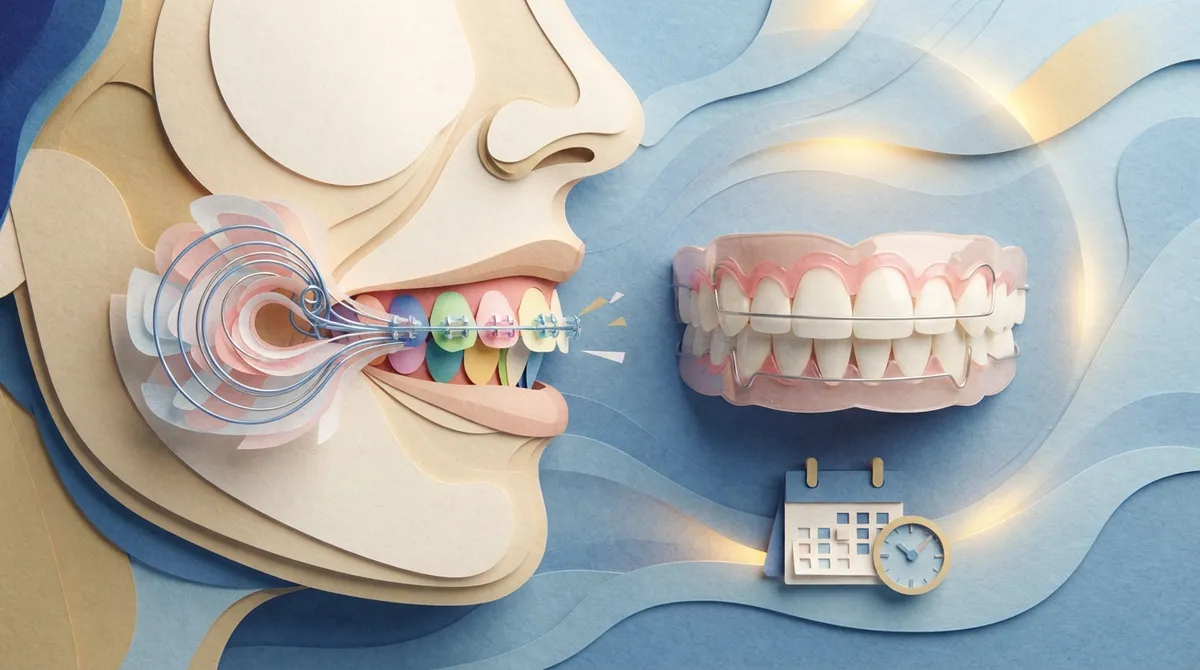
Your teeth are held in place by tissue and bone that need time to adjust to their new positions. Even after your braces or aligners do their job, your teeth can drift back toward their old spots. This is called relapse, and it’s incredibly common without proper retention.
Retainers hold your teeth steady while your mouth catches up to your new smile. Think of it like wet cement. Braces shape it, but the retainer keeps it from moving before it fully sets. According to a 2023 critical review, Hawley retainers, vacuum-formed retainers, and bonded lingual wires are the most commonly used systems today, and each one does this job a little differently.
1. Hawley Retainers
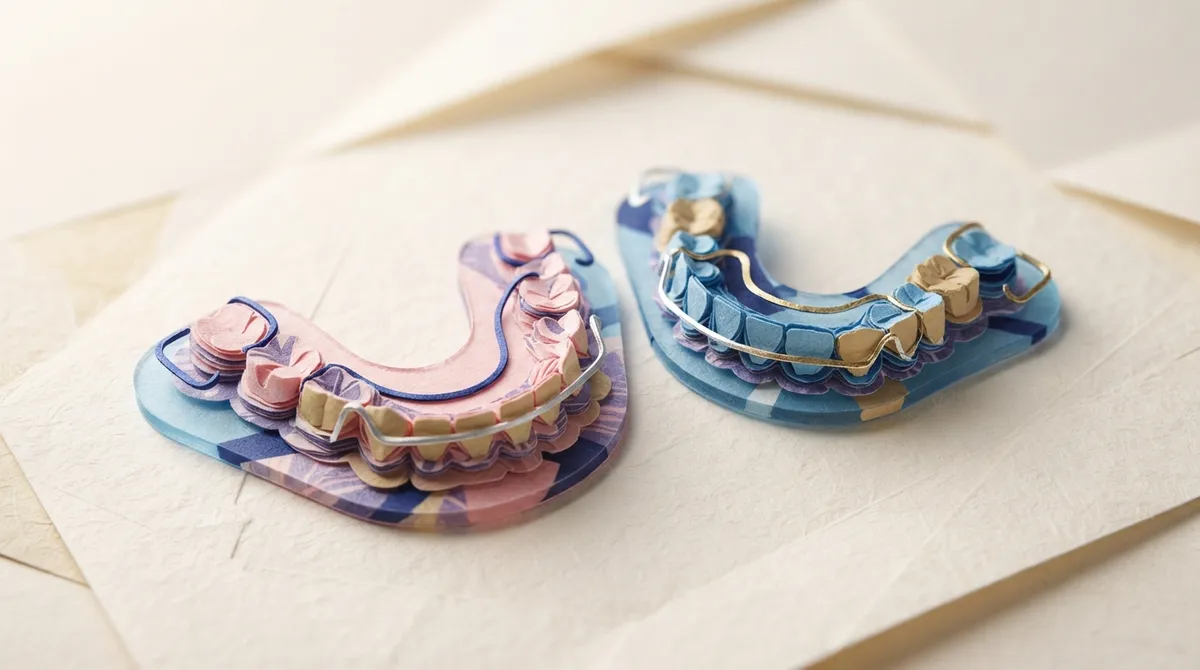
The Hawley retainer is the classic, old-school option, and it’s still going strong for good reason. It’s made from a hard acrylic base that sits against the roof of your mouth or behind your lower teeth, paired with a thin metal wire that wraps across your front teeth.
Here’s what makes Hawley retainers stand out:
- They’re incredibly durable and can last many years with good care.
- Orthodontists can adjust the wire if small tooth movements happen.
- The acrylic base comes in fun colors and patterns, which teens often love.
- They’re easy to clean with a toothbrush and mild soap.
The downside? That metal wire is visible when you talk or smile, and some patients notice a temporary lisp during the first few days of wear. Most people adjust within a week or two.
2. Clear Plastic Retainers (Essix and Vacuum-Formed)
If you loved the invisible look of clear aligners, you’ll probably love clear plastic retainers too. Sometimes called Essix retainers, these thin, see-through trays are molded to fit snugly over your teeth.
They’re a favorite among teens and working professionals who want retention without anyone noticing. A systematic review of retainer studies involving 854 participants found few major differences in effectiveness between Hawley and clear thermoplastic retainers, though researchers noted the overall evidence quality was still considered low.
Clear retainers do have some trade-offs. They tend to wear down faster than Hawley retainers, and they can crack or discolor over time, especially with hot drinks or poor cleaning habits. Many patients replace them every one to two years.
3. Fixed or Bonded Retainers
Fixed retainers are a thin wire bonded directly to the back of your front teeth, usually on the lower arch. Unlike removable options, only your orthodontist can take this one out.
This type is popular for patients who struggle to remember to wear a removable retainer every night. Since it’s always there, there’s no risk of losing it or forgetting it at a friend’s house. A Cochrane review found that thermoplastic removable retainers showed slightly poorer lower-arch stability compared to bonded wires, with a mean difference of 0.6mm on a common measurement scale.
That said, fixed retainers require extra care. Plaque and tartar can build up around the wire, so you’ll need floss threaders or interdental brushes to keep things clean. The same Cochrane review noted less gum bleeding with removable retainers compared to fixed ones, so good hygiene habits are essential if you go this route.
4. Combination Retainers
Some patients get the best of both worlds: a fixed retainer on the lower front teeth paired with a removable retainer for the upper arch. This combo approach is common because lower teeth tend to shift more easily than upper teeth.
Your orthodontist will look at your specific bite, your relapse risk, and your daily habits before recommending this setup. If you’re unsure which combination works for your smile, our retainer options page breaks down what Dr. Brockway typically recommends for different cases.
5. Spring Aligner Retainers
These are a specialty removable retainer used mostly for very minor corrections, like slight crowding in the front teeth after treatment. They use a small spring mechanism to nudge a tooth gently back into place.
Spring aligners aren’t a replacement for full retention, but they’re sometimes used alongside a standard retainer if minor relapse has already started. This is more of a corrective tool than a long-term retention device.
6. Positioner Retainers
A positioner looks like a thick rubber mouthguard that covers both your upper and lower teeth at once. It’s less common today but still used in specific cases, especially when a patient needs a bit more tooth movement finishing touches right after braces come off.
Positioners require a good amount of wear time to be effective, often several hours a day, which makes them less convenient than other options for most patients.
7. Vivera-Style Clear Retainers
These are a heavier-duty version of the standard clear plastic retainer, made from a thicker material designed for extra durability. Patients who tend to crack or wear through their clear retainers quickly often do better with this sturdier option.
They cost a bit more upfront, but many patients find they last longer between replacements, which can even out the cost over time.
8. Custom 3D-Printed Retainers
Thanks to modern digital scanning technology, many orthodontic offices now design retainers using 3D imaging instead of old-fashioned molds. This means a more precise fit right from the start, with less discomfort during the fitting process.
At Brockway Orthodontics, we use digital impressions to design retainers that fit comfortably the very first time. This modern approach saves you a trip back to the office for adjustments and gets you into your retainer routine faster.
Comparing the Main Retainer Types
Here’s a quick side-by-side look to help you compare your options at a glance.
| Retainer Type | Visibility | Durability | Patient Compliance Needed |
|---|---|---|---|
| Hawley Retainer | Visible wire | Very high | High (removable) |
| Clear Plastic (Essix) | Nearly invisible | Moderate | High (removable) |
| Fixed/Bonded Wire | Hidden behind teeth | High | Low (always in place) |
| Vivera-Style Clear | Nearly invisible | High | High (removable) |
How Long Will You Need to Wear a Retainer?
This is the question we hear most often, and the honest answer is: longer than you might expect. Teeth can shift throughout your entire life, not just in the first year after treatment. Most orthodontists start patients on full-time wear, then gradually move to nights-only wear over several months.
A 2016 evidence review found no strong proof that full-time wear provides better long-term results than part-time wear, though the study samples were small. This is why following your orthodontist’s specific instructions matters more than any general rule you might read online.
Signs Your Retainer Needs a Checkup
Watch for these warning signs and reach out to your orthodontic team right away:
- The retainer feels tight or doesn’t seat fully anymore.
- You notice a crack, chip, or broken wire.
- Your gums feel irritated or sore after wearing it.
- You can’t remember the last time you wore it consistently.
- Your teeth look like they’ve shifted even slightly.
Never try to force a warped or ill-fitting retainer into place. This can cause more harm than good and may even damage your teeth.
Caring for Your Retainer the Right Way
Good habits keep your retainer working properly for years. Follow these simple steps:
- Rinse your retainer with cool or lukewarm water after each use, never hot water.
- Brush it gently with a soft toothbrush, avoiding toothpaste, which can scratch clear plastic.
- Store it in its case whenever it’s not in your mouth, away from pets and heat sources.
- Avoid bleach or alcohol-based cleaners, which can damage the material or be unsafe if swallowed.
- Bring it to your regular checkups so your orthodontist can check the fit.
Most removable retainers should come out before eating, unless your orthodontist tells you otherwise. Fixed retainer wearers should ask about floss threaders to clean underneath the wire properly, since plaque buildup there can lead to gum irritation.
Choosing the Best Retainer for Your Lifestyle
There’s no single “best” retainer for everyone. Current research, including a 2023 review of retention procedures with evidence through April 2022, found no strong proof that one retainer type beats all the others for long-term stability. The right choice depends on your bite, your relapse risk, your gum health, and honestly, how good you are at remembering to wear something every night.
Busy parents often love fixed retainers for their kids because there’s nothing to lose or forget. Teens and young adults heading to prom or graduation often prefer clear plastic retainers for their invisible look. Adult professionals juggling meetings and social events also tend to gravitate toward the discreet clear option. Whatever your situation, Dr. Brockway takes time during your visit to walk through the pros and cons based on your specific smile.
For more general guidance on organizing braces or retainer costs into your budget, check out our resource on financing and insurance options available at our Clearwater office.
What Happens If You Skip Retainer Wear
We get it, life happens, and sometimes retainers slip down the priority list. But skipping retainer wear, even for a few months, can allow your teeth to drift. This is called orthodontic relapse, and it’s one of the most common reasons patients come back for retreatment later in life.
If you’ve experienced this yourself, you’re definitely not alone. Many adults return to our office years after their first round of braces because their teeth shifted slowly over time. The good news is that modern treatment options, including clear aligners, make correcting relapse easier than ever before. Learn more about your adult treatment options if you think you might need a refresher.
Why Families Trust Brockway Orthodontics for Retention Care
Dr. Brockway believes that finishing braces or aligner treatment is only half the journey. The other half is protecting that smile for the long run. Our Clearwater office uses modern digital imaging, offers same-day options for busy families, and takes the time to explain exactly why we recommend a specific retainer for your unique smile.
We proudly serve families throughout Clearwater and the greater Pinellas County area, and we love building long-term relationships that go beyond just straightening teeth. You can read what our patients have to say and visit us on Google — Brockway Orthodontics to see real reviews from our community. You can also follow along and see smile transformations on our Instagram page or connect with us on Facebook.
For general orthodontic health standards, the American Dental Association offers helpful resources on maintaining oral hygiene during retention. You can also learn more about regional standards of care from the Florida Association of Orthodontists, which represents licensed orthodontic professionals across our state.
Ready to Talk Retainers?
Choosing the right retainer isn’t something you should have to figure out alone. Every smile is different, and your retention plan should be too. If you’re finishing treatment soon, noticing your retainer doesn’t fit like it used to, or just have questions about your options, our friendly Clearwater team is here to help.
Ready to protect your smile for good? Book appointment online today, or feel free to contact us with any questions about retainers, braces, or clear aligners. We can’t wait to help you keep that beautiful smile shining for years to come.
FAQs
Q: What are the different types of orthodontic retainers?
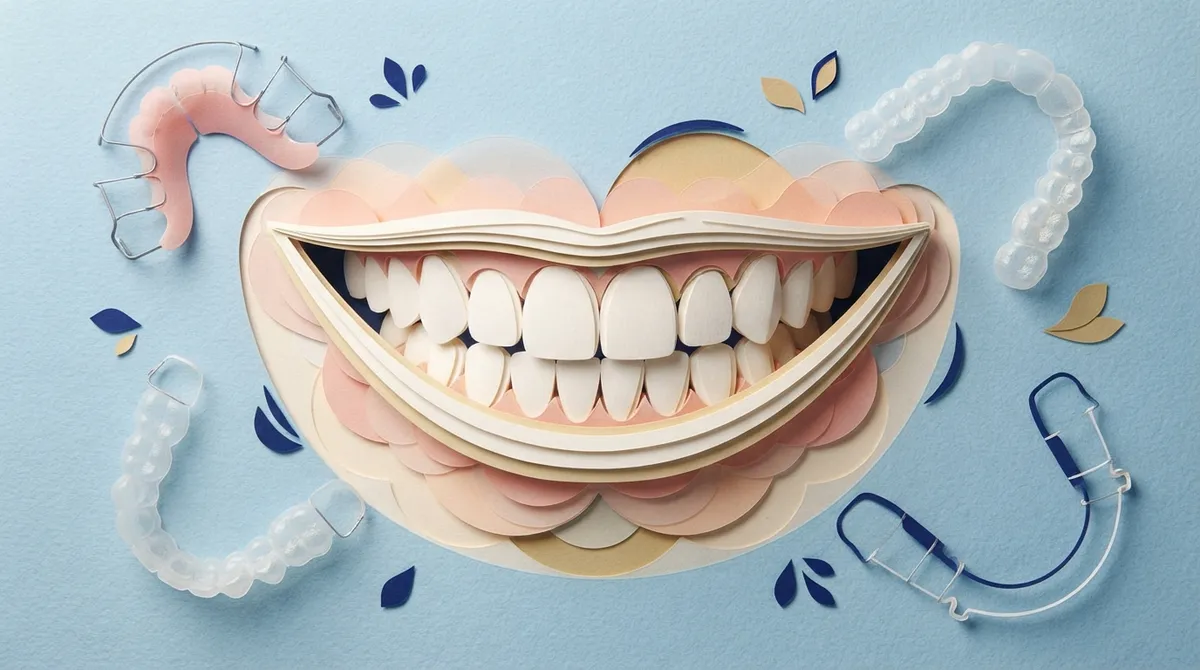
A: The main types include Hawley retainers with a wire and acrylic base, clear plastic Essix retainers, and fixed bonded wires behind your teeth. Some patients also use combination setups, or thicker Vivera-style clear retainers for extra durability. Your orthodontist will help you pick the one that best matches your smile and lifestyle.
Q: Is a Hawley retainer better than a clear Essix retainer?
A: Neither one is universally better. Hawley retainers tend to last longer and are easier to adjust, while clear retainers are more discreet but wear out faster. It really comes down to what matters most to you, durability or invisibility.
Q: Are fixed or permanent retainers better than removable retainers?
A: Both have their perks. Fixed retainers don’t rely on you remembering to wear them, but they need extra cleaning care to avoid plaque buildup. Removable retainers are easier to clean but only work if you actually wear them as instructed.
Q: How long do you need to wear a retainer after braces?
A: Most people wear their retainer full-time at first, then switch to nights-only wear over time. Honestly, though, your teeth can shift throughout your whole life, so many orthodontists recommend some form of nighttime wear indefinitely.
Q: What should I do if my retainer no longer fits?
A: Don’t try to force it into place, since this can hurt your teeth or gums. Give your orthodontist’s office a call right away so they can check the fit and figure out the best next step for your smile.
Our Service Area