Key Takeaways
-
Schedule your child's first orthodontic evaluation by age 7, as recommended by the American Association of Orthodontists, to catch bite and jaw growth issues early during the mixed dentition stage.
-
Early evaluation doesn't mean immediate braces; most children evaluated early only need periodic monitoring while their orthodontist tracks growth and determines the right treatment timing.
-
Verify that your orthodontist has completed specialty training beyond dental school, not just a general dentist offering braces, to ensure proper diagnosis and treatment of alignment and bite issues.
-
Watch for specific warning signs like difficulty chewing, improper bite alignment, crowded teeth, or jaw sounds that require professional evaluation rather than assuming your child will 'grow out of it.'
-
Don't base your child's treatment timing on friends' experiences or social media; every child's mouth develops differently, so treatment planning should be individualized by a trained professional.
-
Explore treatment options beyond traditional metal braces, including ceramic braces, clear aligners, and removable appliances, depending on your child's age, needs, and lifestyle preferences.
Waiting until your child’s teeth look “bad enough” is one of the biggest mistakes parents make. Many moms and dads in Clearwater assume orthodontic care is only for teenagers with a mouth full of crooked teeth. But that simple belief can cost families time, money, and sometimes a smoother treatment journey down the road. A child orthodontist does much more than just put on braces later in life. They watch how teeth and jaws grow, catch small problems early, and help guide healthy development while your child is still growing.
The good news? You don’t need to become an expert overnight. You just need to know which common mistakes to avoid. Below, we’ll walk through nine slip-ups parents often make when it comes to their child’s orthodontic care, and how to sidestep each one. Whether your child is 6 or 16, this guide will help you make confident, informed choices for their smile.

1. Waiting Too Long for the First Evaluation
Many parents wait until a child is 10, 11, or even older before scheduling an orthodontic check-up. This is one of the most common mistakes we see. The American Dental Association and the American Association of Orthodontists both recommend an orthodontic evaluation by age 7, or sooner if you notice a concern.
This doesn’t mean your 7-year-old needs braces right away. It simply means a specialist gets an early look at how things are developing. Around this age, kids usually have a mix of baby teeth and permanent teeth. This mixed dentition stage gives an orthodontist helpful clues about bite issues, crowding, or jaw growth patterns before they become bigger problems.
2. Assuming Early Screening Always Means Early Braces
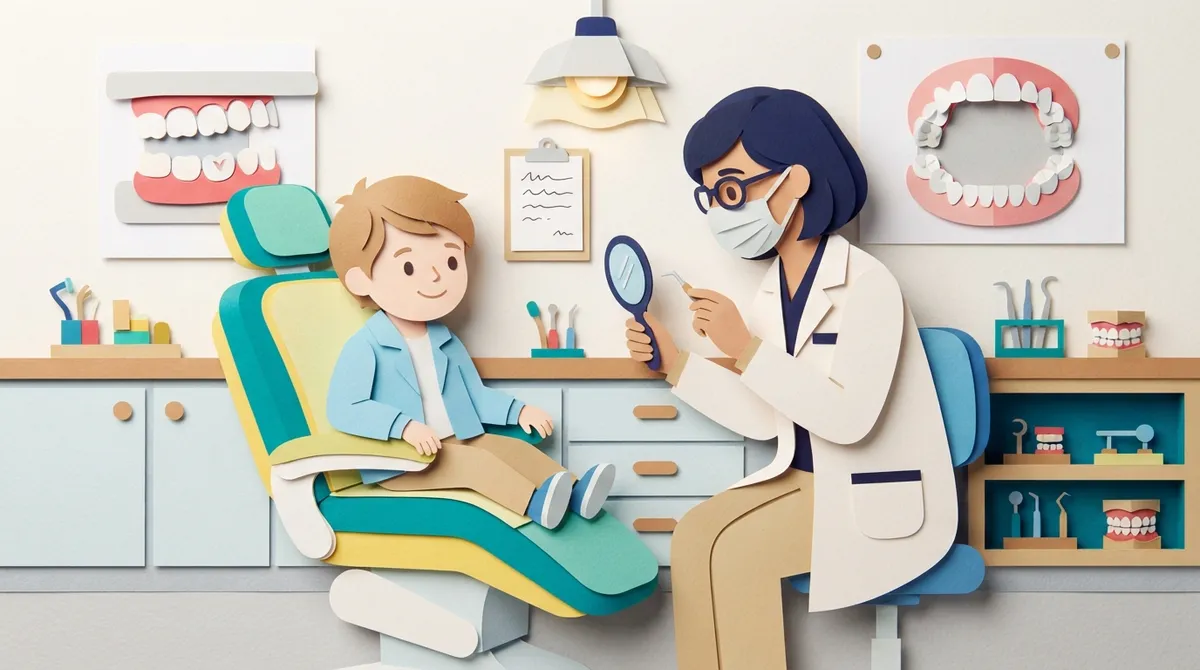
Here’s a common myth: parents think that if their child sees an orthodontist early, braces will follow right away. That’s simply not true. Most children who are evaluated early don’t need treatment yet. Instead, the orthodontist may simply recommend periodic monitoring.
Think of it like a check-up rather than a commitment. Your child’s orthodontist will track growth over time and decide the right moment to step in, if stepping in is even needed. This approach protects your child from unnecessary treatment while still catching real issues early. Learn more about how this works on our Early Treatment page.
3. Confusing a Pediatric Dentist With an Orthodontist
This mix-up happens all the time, and it’s totally understandable. Both professionals care for kids’ teeth, but they aren’t the same. A pediatric dentist focuses on general oral health, cavity prevention, and overall dental care for children.
An orthodontist, on the other hand, has completed extra years of specialized training after dental school. This training is specifically focused on tooth alignment, bite problems, and jaw development. A general dentist or pediatric dentist might spot a concern and refer you out, but only a trained orthodontist can properly diagnose and treat alignment and bite issues. If you’re unsure who to see, our FAQs page breaks this down simply.
Quick Comparison: Pediatric Dentist vs. Orthodontist
| Feature | Pediatric Dentist | Orthodontist |
|---|---|---|
| Main Focus | Overall oral health, cavities, cleanings | Tooth alignment, bite, jaw growth |
| Extra Training | Pediatric dental residency | Orthodontic specialty residency |
| Treats Braces/Aligners | Typically refers out | Yes, this is their specialty |
| Best For | Routine check-ups and cleanings | Bite issues, crowding, jaw concerns |
4. Ignoring Warning Signs Because “Kids Grow Out of It”
It’s tempting to brush off small concerns, hoping your child will simply grow out of them. But some issues need professional eyes on them sooner rather than later. Watch for these signs that warrant a visit to a child orthodontist:
- Difficulty chewing or biting food comfortably
- Teeth that don’t come together properly when the mouth closes
- A visible crossbite, overbite, or underbite
- Crowded, blocked, or overlapping teeth
- Losing baby teeth much earlier or later than expected
- A jaw that shifts or makes sounds when opening and closing
These signs don’t automatically mean a diagnosis, but they’re worth a professional look. Catching things early gives your child’s orthodontist more options and often an easier path forward.
5. Skipping Interceptive (Phase 1) Treatment When It’s Recommended
Some parents hesitate when an orthodontist suggests early or “Phase 1” treatment, thinking it’s unnecessary or just a way to charge more. In reality, interceptive treatment is only recommended for specific situations, like a harmful crossbite, a jaw growth pattern that needs guiding, or a serious space and eruption issue.
This kind of treatment can guide jaw growth and reduce the severity of certain problems while your child is still developing. It’s important to understand that Phase 1 treatment doesn’t always mean your child will skip braces later. Sometimes a second phase of treatment is still needed once more permanent teeth arrive. Being informed about this helps you set realistic expectations from the start.
6. Choosing Treatment Timing Based on Friends or Social Media
It’s natural to compare notes with other parents. But every child’s mouth grows differently, so what worked for your neighbor’s kid may not apply to yours. Basing treatment decisions on someone else’s timeline, rather than your own child’s evaluation, is a mistake that can lead to either starting too early or waiting too long.
The American Academy of Pediatric Dentistry describes the mixed dentition period as roughly ages 6 to 11, but treatment planning should always be individualized. Trust your child’s specific growth pattern and let a trained professional guide the timing, not internet trends or playground chatter.
7. Not Researching the Orthodontist’s Credentials
Not every dental provider offering braces has completed orthodontic specialty training. Parents sometimes assume any dentist advertising braces is equally qualified, but this isn’t always the case. Take a moment to verify credentials before committing to a treatment plan.
You can check qualifications through resources like the Florida Association of Orthodontists, which lists licensed, specialty-trained orthodontists across the state. At Brockway Orthodontics, Meet Dr. Brockway to learn about her training and her genuine passion for the Clearwater community she serves.
8. Overlooking Treatment Options Beyond Traditional Metal Braces
Some parents assume metal braces are the only option for kids. While metal braces remain a reliable, affordable choice, they’re not the only path to a straighter smile. Depending on your child’s needs and age, other options might be a better fit.
- Traditional metal braces: Durable, effective, and often the most budget-friendly choice for many families.
- Ceramic (clear) braces: A more discreet option that blends in with the teeth, popular with older kids and teens.
- Spark™ Clear Aligners: A more affordable, nearly invisible option for older teens who want flexibility and a subtle look.
- Removable appliances: Sometimes used for early interceptive treatment to guide jaw growth.
Explore our All About Braces page or check out Spark™ Clear Aligners to see which option might suit your child’s lifestyle and treatment goals best.
9. Not Preparing for the First Visit
Walking into an orthodontic office without knowing what to expect can make kids (and parents!) a little nervous. This is an easy mistake to avoid with just a little preparation. Knowing what happens during a first visit helps ease anxiety and makes the whole process smoother for everyone.
During a first visit, the orthodontist typically reviews your child’s dental history, takes digital images or X-rays, and examines how the teeth and jaw are developing. At Brockway Orthodontics, we use modern digital impressions instead of messy molds, along with 3D imaging, so we can plan treatment precisely and comfortably. Learn more about what to expect on our Your First Visit page.
Why Timing and Communication Matter So Much
Every child grows on their own timeline, which is exactly why cookie-cutter advice doesn’t always apply. A good child orthodontist takes time to explain findings clearly, answer your questions, and involve you in decisions about your child’s care. That kind of open communication builds trust and helps your whole family feel confident moving forward.
Dr. Brockway believes that understanding your child’s treatment plan is just as important as the treatment itself. Our team explains things in simple, friendly terms so you always know what to expect next, whether that’s continued monitoring, early intervention, or a referral for comprehensive treatment later on. We also offer Adolescent Treatment for older kids and teens who are ready for full braces or aligners.
Making Orthodontic Care Fit Your Family’s Life
Busy schedules shouldn’t stand between your child and a healthy smile. That’s why we offer flexible scheduling and, in certain cases, same-day treatment options so your family doesn’t need to juggle multiple appointments. We also help families navigate Financing and Insurance options, so cost doesn’t become a barrier to good care.
If you’re curious what other Clearwater families think about their experience, you can visit us on Google — Brockway Orthodontics to read real reviews from patients just like you. You can also follow along on Instagram or connect with us on Facebook for smile transformations, tips, and updates from our Clearwater office.
Ready to Take the Next Step?
Avoiding these nine common mistakes can make a real difference in your child’s orthodontic journey. Early evaluation, honest communication, and choosing a trained specialist all add up to better outcomes and less stress for your whole family. Our Our Office in Clearwater is ready to welcome your family with warm, personalized care that puts your child’s comfort first.
If your child hasn’t had their first orthodontic check-up yet, or if you’ve noticed any of the warning signs mentioned above, don’t wait. Book appointment online today and let Dr. Brockway and her team give your child’s smile the attention it deserves. Have questions first? Feel free to Contact us and we’ll be happy to help.
FAQs
Q: When should my child first see an orthodontist?
A: Most experts, including the American Association of Orthodontists, recommend a first check-up by age 7. Don’t worry, this doesn’t mean treatment starts right away. It’s simply a chance to catch any concerns early while your child is still growing.
Q: Does my 7-year-old need braces right now?
A: Probably not! Most kids who get an early evaluation just need periodic monitoring. The orthodontist will keep an eye on things and let you know if and when treatment makes sense.
Q: What’s the difference between a pediatric dentist and a child orthodontist?
A: A pediatric dentist focuses on your child’s overall oral health, like cleanings and cavity prevention. A child orthodontist has extra specialty training focused specifically on tooth alignment, bite issues, and jaw growth.
Q: Can early treatment help my child avoid braces later?
A: Sometimes early treatment can guide growth and reduce the severity of a problem, which is wonderful news! But it doesn’t guarantee braces won’t be needed later. Every child’s situation is a little different.
Q: How long does orthodontic treatment usually take for kids?
A: It really depends on the individual child and what’s being treated. Some early interventions last just a few months, while comprehensive treatment with braces or aligners can take one to three years. Your orthodontist will give you a personalized timeline after your evaluation.
Our Service Area