
Key Takeaways
-
Early orthodontic evaluations by age 7 can prevent complex dental issues and guide jaw development more effectively
-
Adult orthodontic treatments typically take 2-3 years due to denser bone structure, compared to 12-24 months for children
-
Clear aligners and ceramic braces are popular among adult patients seeking more aesthetic treatment options
-
Pre-existing dental conditions like periodontal disease can significantly complicate orthodontic treatment for adults
-
Children’s actively growing jaws allow for more efficient tooth movement and natural alignment corrections
-
Pediatric orthodontics offers critical early intervention opportunities that are not available for adult patients
Orthodontic treatment has evolved significantly, offering solutions for patients of all ages. However, the approach to correcting teeth and jaw alignment differs substantially between children and adults. Understanding these differences is essential for patients considering orthodontic care, whether for themselves or their children. While both age groups can achieve beautiful, healthy smiles, the biological, procedural, and timeline factors vary considerably due to developmental stages and dental health history.
Today, approximately 20-25% of all orthodontic patients are adults, reflecting a growing trend in mature treatment options. This shift demonstrates that it’s never too late to pursue orthodontic care. However, the journey for adult patients differs significantly from pediatric cases due to factors such as bone density, jaw development, and existing dental work. Whether you’re considering treatment for your child or yourself, knowing what to expect can help you make informed decisions about your orthodontic care at Brockway Orthodontics.

1. Jaw Growth and Development Stage
The most fundamental difference between adult and pediatric orthodontics lies in jaw development. Children’s jaws are still growing, which presents a unique advantage during orthodontic treatment. This ongoing growth allows orthodontists to guide jaw development and influence how teeth align naturally as the child matures. Pediatric patients benefit from malleable bone structure that responds more readily to orthodontic forces, making tooth movement more efficient and often faster.
Adult patients, conversely, have fully developed skeletal structures with denser bone tissue. This biological reality means that tooth movement occurs more slowly and requires sustained pressure over longer periods. The lack of active jaw growth also limits the orthodontist’s ability to modify jaw relationships without surgical intervention in cases of significant skeletal discrepancies. According to the American Dental Association, understanding these developmental differences is crucial for setting realistic treatment expectations.
For children, orthodontists can implement early intervention strategies that take advantage of growth spurts, particularly during the pre-teen and early teen years. This timing allows for corrections that would be impossible or require surgery in adult patients. The American Association of Orthodontists recommends children have their first orthodontic evaluation by age 7 to identify any developmental concerns early.

2. Treatment Duration and Timeline
Treatment duration represents one of the most noticeable differences between adult and pediatric orthodontics. Children typically complete orthodontic treatment in 12-24 months, benefiting from their actively growing jaws and teeth that move more readily. The biological responsiveness of young bone tissue allows for efficient tooth repositioning with relatively shorter treatment timelines.
Adult patients, however, generally experience treatment durations of 2-3 years or longer. The denser bone structure in mature patients requires more time for teeth to shift into their desired positions. Additionally, adults may have complicating factors such as previous dental work, missing teeth, or periodontal issues that extend treatment time. Some complex adult cases may require 3-4 years to achieve optimal results, particularly when addressing moderate to severe bite problems.
The difference in treatment duration also relates to compliance factors. Children under parental supervision often follow orthodontic instructions more consistently, while adult patients must balance treatment requirements with work, social commitments, and lifestyle preferences. These practical considerations can influence both the chosen treatment method and the overall timeline. If you’re considering orthodontic treatment, schedule a consultation to discuss realistic timelines for your specific situation.

3. Types of Orthodontic Appliances Used
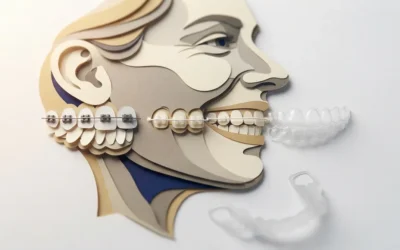
The orthodontic appliances recommended for children versus adults differ significantly based on treatment goals, aesthetic preferences, and biological factors. Pediatric orthodontics frequently utilizes traditional metal braces, which remain the most effective option for growing patients. Children may also receive palatal expanders, space maintainers, or headgear to guide jaw development and create adequate room for permanent teeth.
Adult patients increasingly opt for aesthetic treatment options that minimize the visual impact of orthodontic appliances. Clear aligners like Spark™ Clear Aligners have become extremely popular among mature patients, accounting for approximately 30% of new orthodontic case starts. Lingual braces, which attach to the back of teeth, offer another discreet option rarely used in pediatric cases due to speech interference concerns and the need for exceptional oral hygiene.
Traditional metal braces remain an option for adults, particularly for complex cases requiring precise tooth movement control. However, adult patients who choose traditional braces often select ceramic brackets that blend with tooth color for a less noticeable appearance. The choice of appliance depends on treatment complexity, aesthetic preferences, lifestyle factors, and budget considerations. Learn more about your options at our services page.

4. Early Intervention Opportunities
Pediatric orthodontics offers unique early intervention opportunities that simply don’t exist for adult patients. Phase One treatment, typically performed between ages 7-10, addresses developing problems before they become severe. This proactive approach can correct crossbites, create space for crowded teeth, guide jaw growth, and break harmful oral habits like thumb sucking or tongue thrusting.
Early intervention can significantly reduce the complexity of future orthodontic treatment or eliminate the need for tooth extractions or jaw surgery later. By addressing issues during critical developmental windows, orthodontists can influence skeletal growth patterns and prevent more serious complications. These preventive measures represent one of the most significant advantages of pediatric orthodontic care.
Adult patients miss these early intervention opportunities entirely. Any skeletal discrepancies or severe bite problems present in adulthood require different treatment approaches, often involving orthognathic surgery combined with orthodontics. While adults can still achieve excellent results, the treatment path may be more complex and invasive than if the issues had been addressed during childhood development phases.
5. Bone Density and Tooth Movement
Bone density plays a crucial role in how quickly and efficiently teeth move during orthodontic treatment. Children possess less dense, more porous bone tissue that responds readily to orthodontic forces. This biological characteristic allows teeth to shift more easily through the bone structure, contributing to faster treatment times and more predictable outcomes. The active bone remodeling that occurs during growth periods further enhances tooth movement efficiency.
Adult bone is significantly denser and less responsive to orthodontic forces. The mature skeletal system requires sustained, carefully calibrated pressure to stimulate bone remodeling around tooth roots. This biological reality necessitates longer treatment durations and more frequent monitoring to ensure teeth move safely without damaging roots or surrounding structures. The slower rate of bone turnover in adults means that treatment progress occurs more gradually.
Additionally, adults face higher risks of root resorption—a condition where tooth roots shorten during orthodontic movement. While this occurs in pediatric patients as well, the incidence and severity tend to be greater in adult cases. Orthodontists must carefully balance treatment efficiency with these biological limitations to achieve successful outcomes while preserving long-term dental health.
6. Pre-Existing Dental Conditions
Adult patients frequently present with pre-existing dental conditions that complicate orthodontic treatment. These may include previous fillings, crowns, bridges, dental implants, missing teeth, gum disease, or bone loss from periodontal disease. Each of these conditions requires special consideration when planning orthodontic treatment, as they affect tooth movement possibilities and overall treatment strategy.
Periodontal health is particularly critical for adult orthodontic patients. Gum disease must be stabilized before beginning orthodontic treatment, as moving teeth through compromised bone and tissue increases the risk of tooth loss. Adults with significant periodontal disease may require coordination between their orthodontist and periodontist to ensure safe, effective treatment. This interdisciplinary approach is rarely necessary in pediatric cases.
Children, by contrast, typically begin orthodontic treatment with relatively pristine dental conditions. While they may have cavities requiring treatment, they rarely present with the complex dental histories common in adult patients. This difference allows for more straightforward treatment planning and fewer complications during the orthodontic process. The absence of extensive dental work in children also means orthodontists have greater flexibility in tooth movement options.
7. Oral Hygiene Challenges and Maintenance
Maintaining oral hygiene during orthodontic treatment differs significantly between children and adults. Pediatric patients often require parental supervision and reminders to brush and floss properly around braces. Children may struggle with the dexterity needed for thorough cleaning and sometimes lack the maturity to understand the importance of excellent oral hygiene during treatment. This can lead to decalcification, cavities, or gum inflammation if not closely monitored.
Adult patients generally demonstrate better oral hygiene habits and understand the consequences of poor dental care. They’re more likely to follow through with recommended cleaning routines, use specialized tools like interdental brushes and water flossers, and maintain regular dental checkups. However, adults also face unique challenges, including busier schedules that may interfere with proper oral care routines and existing dental restorations that complicate cleaning efforts.
Both age groups must commit to enhanced oral hygiene during orthodontic treatment, but the approach differs. Children benefit from structured routines and parental oversight, while adults need to integrate orthodontic care into their existing responsibilities. Learn more about maintaining your braces or aligners at our comprehensive braces guide. Regardless of age, excellent oral hygiene is essential for successful treatment outcomes and long-term dental health.
8. Treatment Goals and Priorities
The primary goals of orthodontic treatment differ between pediatric and adult patients. For children, treatment focuses heavily on functional outcomes—correcting bite problems, creating adequate space for permanent teeth, guiding jaw development, and establishing healthy oral function. While aesthetics matter, the emphasis remains on creating a foundation for lifelong dental health and preventing future complications.
Adult orthodontic patients typically prioritize aesthetic improvements alongside functional corrections. Many adults seek treatment primarily to improve smile appearance, boost confidence, and address long-standing cosmetic concerns. While bite correction and oral health remain important, the cosmetic aspect often drives the decision to pursue treatment. This difference in motivation influences appliance selection, with adults favoring discreet options that minimize social and professional impact.
Treatment planning reflects these differing priorities. Pediatric cases often involve comprehensive approaches that address overall dental development, while adult treatment plans may focus more specifically on visible teeth and smile aesthetics. Both approaches are valid and appropriate for their respective patient populations. The Florida Association of Orthodontists emphasizes the importance of tailoring treatment goals to individual patient needs and life stages.
9. Cost Considerations and Insurance Coverage
Financial aspects of orthodontic treatment vary between pediatric and adult cases. Many dental insurance plans provide better coverage for children’s orthodontic treatment, recognizing the preventive value of early intervention. Pediatric orthodontics is often viewed as medically necessary to prevent future complications, which can result in higher coverage percentages or lifetime maximum benefits specifically allocated for children under 18.
Adult orthodontic coverage tends to be more limited or entirely absent from many dental insurance plans. When coverage exists, lifetime maximums are often lower for adult treatment, and certain cosmetic procedures may be excluded entirely. This reality means adults frequently pay a larger out-of-pocket portion for their orthodontic care. The average cost for orthodontic treatment ranges from $4,000 to $13,000, depending on treatment complexity and duration.
Despite potential cost differences, many orthodontic practices offer flexible payment plans that make treatment accessible for patients of all ages. The investment in orthodontic care provides both immediate aesthetic benefits and long-term health advantages, including easier dental maintenance, reduced wear on teeth, and improved jaw function. Whether you’re considering treatment for yourself or your child, discussing financial options during your initial consultation ensures you understand the complete investment. Contact our team to learn about payment plans and financing options available at Brockway Orthodontics.
Making the Right Choice for Your Orthodontic Journey
Understanding the differences between adult and pediatric orthodontics empowers you to make informed decisions about orthodontic care. Whether you’re considering early intervention for your child or finally pursuing the smile you’ve always wanted as an adult, modern orthodontics offers effective solutions tailored to your specific needs. The biological differences, treatment approaches, and timeline expectations vary significantly between age groups, but successful outcomes are achievable for patients at any life stage.
Children benefit from growing jaws, more responsive bone tissue, and early intervention opportunities that can prevent complex problems later in life. Adults, while facing longer treatment durations and potentially more complex cases, can achieve remarkable transformations that improve both appearance and oral function. The key lies in working with an experienced orthodontist who understands the unique considerations for your age group and can develop a personalized treatment plan.
At Brockway Orthodontics, Dr. Brockway and his team specialize in providing expert orthodontic care for patients of all ages. Whether you’re seeking early evaluation for your child or exploring adult treatment options, we’re committed to helping you achieve a confident, healthy smile. Our comprehensive approach considers your individual needs, lifestyle, and goals to recommend the most appropriate treatment. Don’t wait to start your orthodontic journey—schedule your complimentary consultation today and discover how we can transform your smile. You can also visit our Google Business Profile to read reviews from our satisfied patients and learn more about our practice.
After completing your orthodontic treatment, maintaining your beautiful new smile is essential. Learn about retention options that will protect your investment and keep your teeth in their ideal positions for years to come. Your smile transformation awaits!
FAQs
Q: What are the main differences between adult and pediatric orthodontic treatments?
A: The primary differences include jaw growth status, bone density, treatment duration, and treatment goals. Children have growing jaws and less dense bone, allowing for faster tooth movement and early intervention opportunities, with typical treatment lasting 12-24 months. Adults have fully developed skeletal structures with denser bone, requiring longer treatment times of 2-3 years or more, and often prioritize aesthetic options like clear aligners over traditional braces.
Q: Why do adults typically have longer orthodontic treatment times than children?
A: Adults experience longer treatment durations due to denser bone structure that responds more slowly to orthodontic forces, requiring sustained pressure over extended periods. Additionally, adult patients often present with pre-existing dental conditions such as fillings, crowns, periodontal disease, or missing teeth that complicate treatment. The lack of active jaw growth in adults also limits the orthodontist’s ability to guide skeletal development, sometimes necessitating more complex approaches.
Q: Can adults achieve the same orthodontic results as children?
A: Yes, adults can achieve excellent orthodontic results, though the treatment approach differs from pediatric cases. While adults miss opportunities for early intervention and jaw growth guidance available to children, modern orthodontic techniques can effectively correct alignment issues, bite problems, and aesthetic concerns. Treatment may take longer and sometimes require additional procedures like oral surgery for severe skeletal discrepancies, but adult patients can successfully achieve healthy, beautiful smiles at any age.
Q: What types of braces are most popular for adult patients versus children?
A: Children most commonly receive traditional metal braces, which effectively guide jaw development and tooth alignment during growth periods. Adult patients increasingly prefer aesthetic options including clear aligners like Spark™ or Invisalign, ceramic braces that blend with tooth color, or lingual braces placed on the back of teeth. Approximately 30% of new adult orthodontic cases now use clear aligner systems, reflecting the priority many mature patients place on discreet treatment options.
Q: At what age should children have their first orthodontic evaluation?
A: The American Association of Orthodontists recommends children have their first orthodontic evaluation by age 7. At this age, the first permanent molars have typically emerged, allowing orthodontists to assess jaw relationships, identify developing problems, and determine if early intervention might benefit the child. Early evaluation doesn’t necessarily mean immediate treatment, but it establishes a baseline for monitoring dental development and enables timely intervention when growth patterns can be most effectively influenced.