Key Takeaways
-
Teeth can start shifting within 1-3 nights without a retainer, so contact your orthodontist immediately when it breaks rather than waiting or attempting DIY repairs.
-
Never use super glue, heat, or household adhesives to fix a broken retainer—these distort the plastic and can push teeth out of alignment; always seek professional repair.
-
Save all broken retainer pieces and store them safely in a clean, dry container; permanent (bonded) retainers should be rebonded within one week to prevent tooth relapse.
-
Use a backup retainer if available while waiting for repairs, and ask your orthodontist about ordering a spare at your next visit to prevent future treatment setbacks.
-
Stop wearing a broken retainer immediately if it causes pain, has sharp edges, or is in multiple pieces; continued wear can injure gums or shift teeth incorrectly.
-
Prevent retainer breakage by always storing it in a case, keeping it away from heat and pets, removing it before eating, and attending regular orthodontist check-ups.
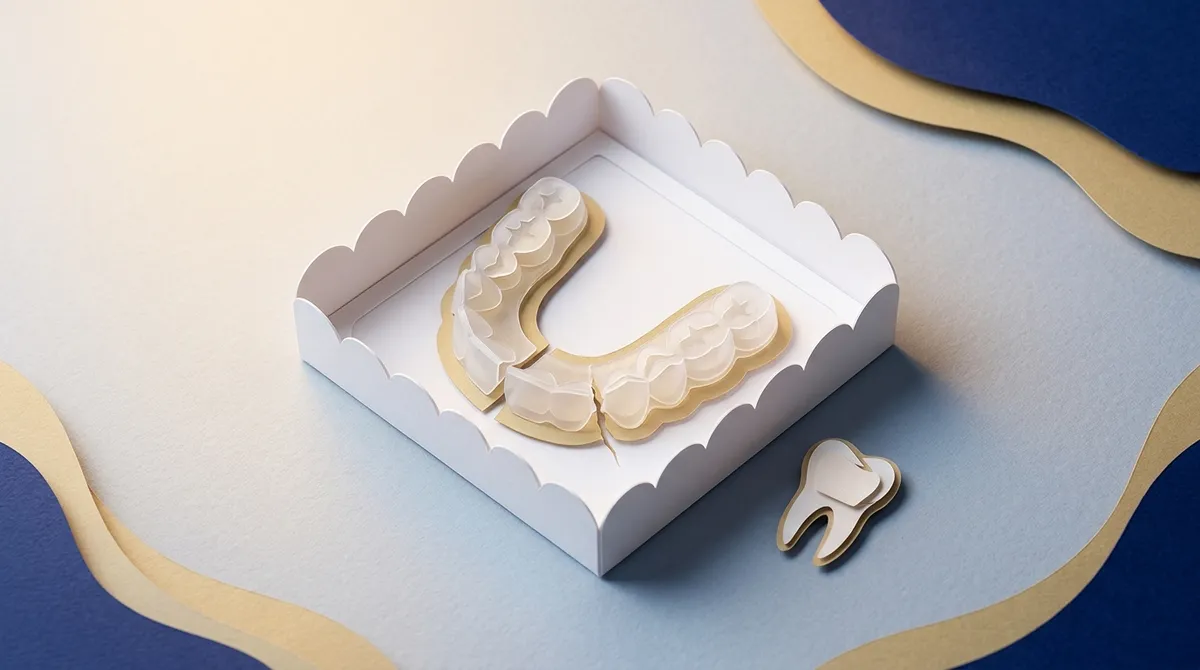
So your retainer broke. Take a deep breath — you’re not alone, and this is more common than you might think! Whether it snapped in half, cracked, or a wire came loose, a broken retainer can feel stressful. After all, that little device is working hard to keep your smile in its perfect position. The good news? There are clear, simple steps you can take right now to protect your teeth and get back on track. Acting quickly is the key. Without your retainer, teeth can start shifting sooner than most people realize. In fact, microscopic tooth movement can begin within just a few days of retainer loss or breakage. This guide walks you through exactly what to do if your retainer breaks, so you can stay calm, act smart, and keep that beautiful smile right where it belongs. Let’s dive in!
Why a Broken Retainer Is a Big Deal
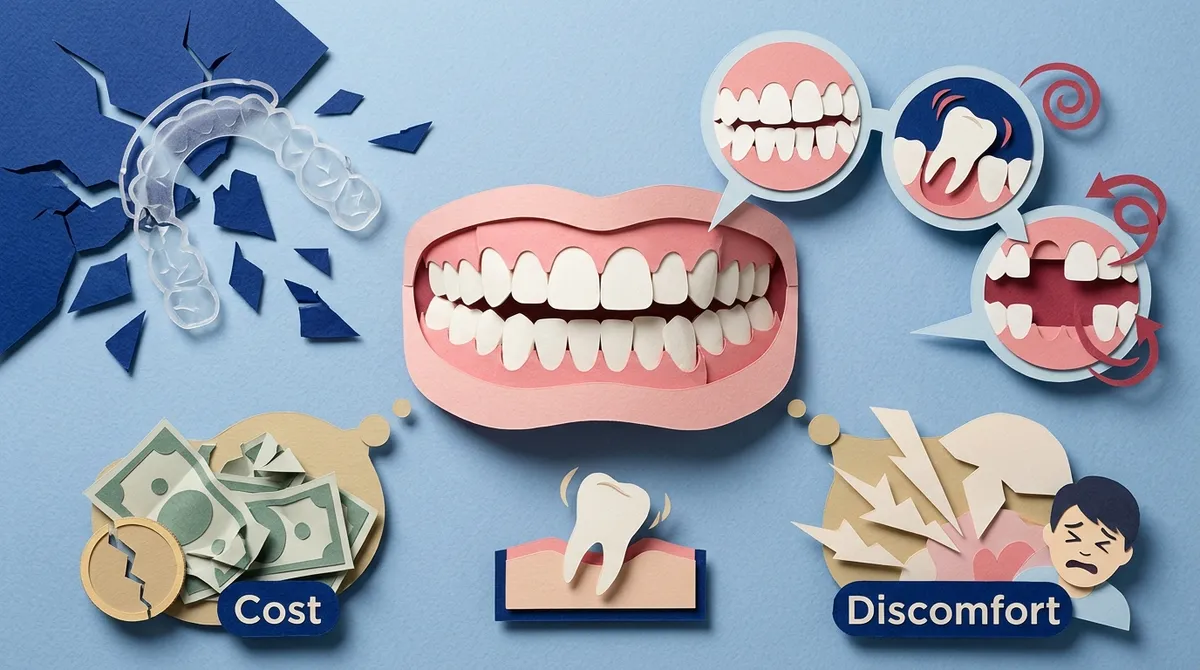
Your retainer might seem small, but it plays a huge role in your orthodontic journey. After braces or clear aligners, your teeth are in their ideal positions — but they naturally want to drift back. Your retainer holds them in place. When it breaks, that protection disappears.
Research shows that teeth or your bite may begin to relapse moderately after just 1 to 3 nights without a retainer. That’s surprisingly fast! The longer you go without one, the more movement can occur. This is especially important to understand if you finished treatment recently. Learn more about how retainers work after orthodontic treatment and why they matter so much for long-term results.
The American Dental Association emphasizes that retention is one of the most critical phases of orthodontic care. Skipping or delaying retainer repair can undo months or even years of progress. That’s why knowing what to do if your retainer breaks is so important.
Step-by-Step: What to Do Right Away
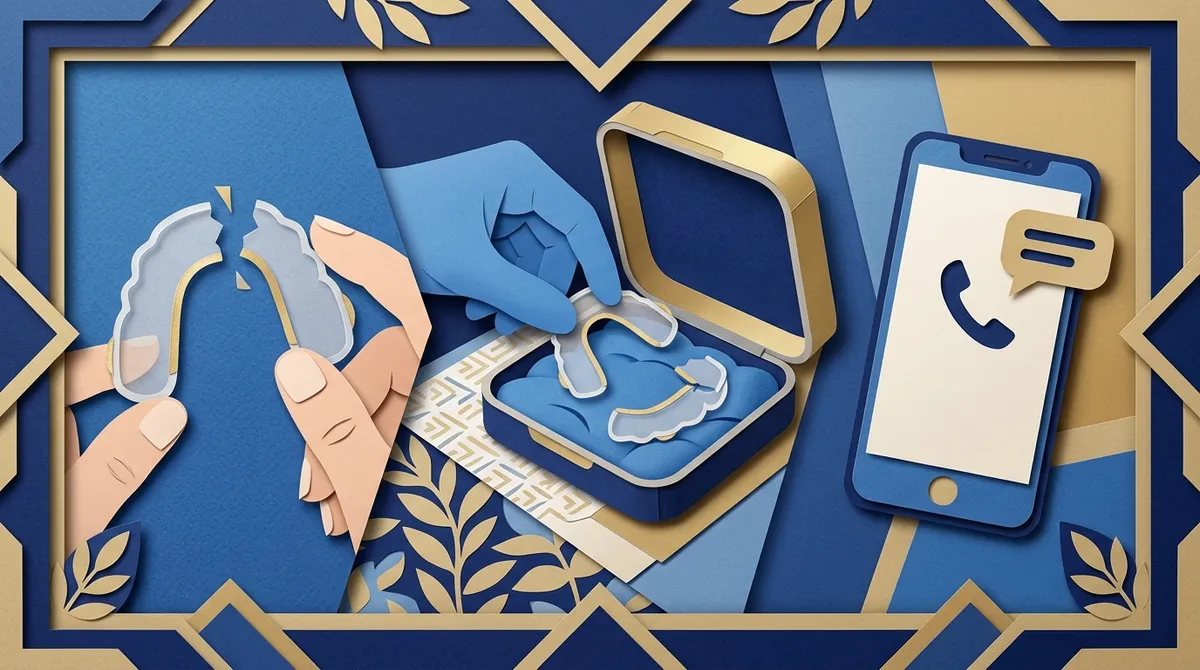
When your retainer breaks, the steps you take in the first few hours really matter. Follow this simple sequence to protect your smile and avoid unnecessary stress.
- Stop wearing it immediately if it’s causing pain or is in pieces. Wearing a broken retainer can scratch your gums, irritate your mouth, or push teeth in the wrong direction. If it’s poking you or feels sharp, take it out right away.
- Assess the damage carefully. Look at how bad the break is. A tiny hairline crack that isn’t irritating your mouth may be okay to continue wearing briefly. A retainer that is snapped in two, has a loose wire, or is visibly distorted needs professional attention right away.
- Save all the pieces. Even if your retainer is in multiple parts, collect every piece and store them safely. This is especially important for permanent (bonded) retainers — the orthodontist may be able to rebond the original piece quickly.
- Store the pieces in a clean container. Use a retainer case or a small zip-lock bag. Keep the pieces dry and away from heat, which can warp the plastic further.
- Use a backup retainer if you have one. If you kept an older retainer, now is the time to use it. A backup retainer can maintain tooth stability while you wait for your appointment.
- Contact your orthodontist right away. Call as soon as possible. Many orthodontic offices, including Brockway Orthodontics, offer same-day or next-day evaluations for urgent concerns like broken retainers.
What NOT to Do When Your Retainer Breaks
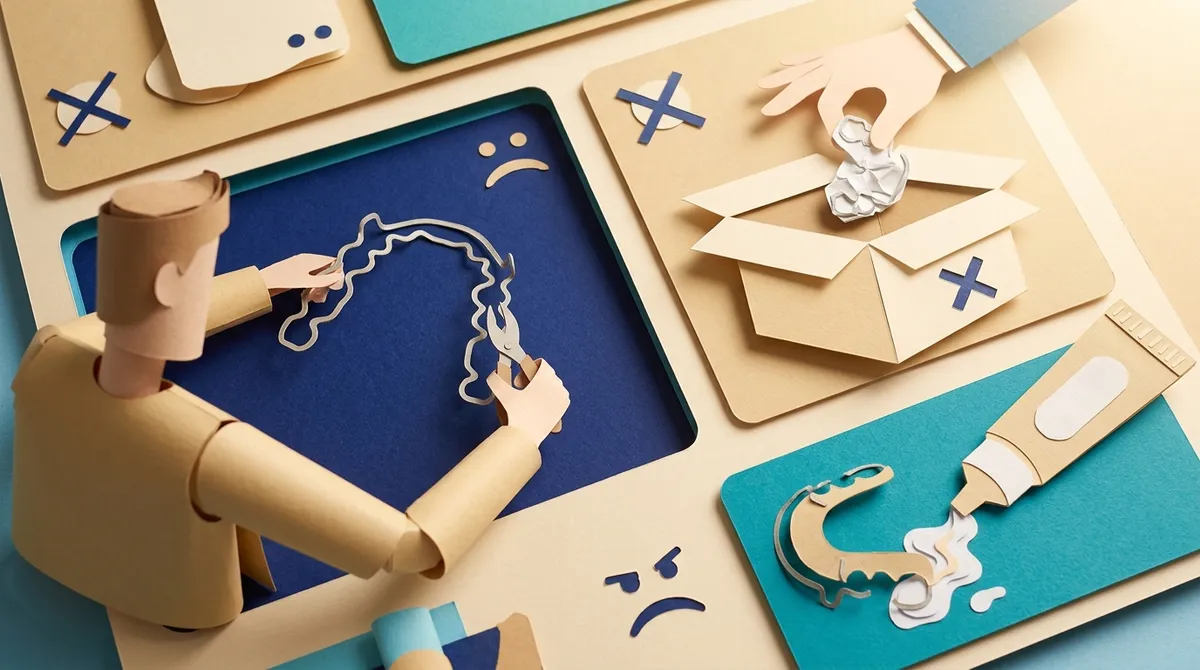
It’s tempting to try a quick fix at home — but this can actually make things worse. Here are the things you should absolutely avoid:
- Don’t use super glue or household adhesives. These products can distort the shape of your retainer, making it fit incorrectly and potentially pushing teeth out of alignment.
- Don’t use heat to reshape it. Hot water or a hair dryer can warp the plastic and ruin the retainer completely.
- Don’t keep wearing a broken retainer that causes pain. Discomfort is a signal that something is wrong. Continuing to wear it can injure your gums or shift teeth the wrong way.
- Don’t wait too long to call your orthodontist. Every day without proper retention is a day your teeth can move. Don’t put off that phone call!
- Don’t panic. This happens to a lot of people. Your orthodontist has seen it many times and knows exactly how to help.
Types of Retainer Breaks and What They Mean
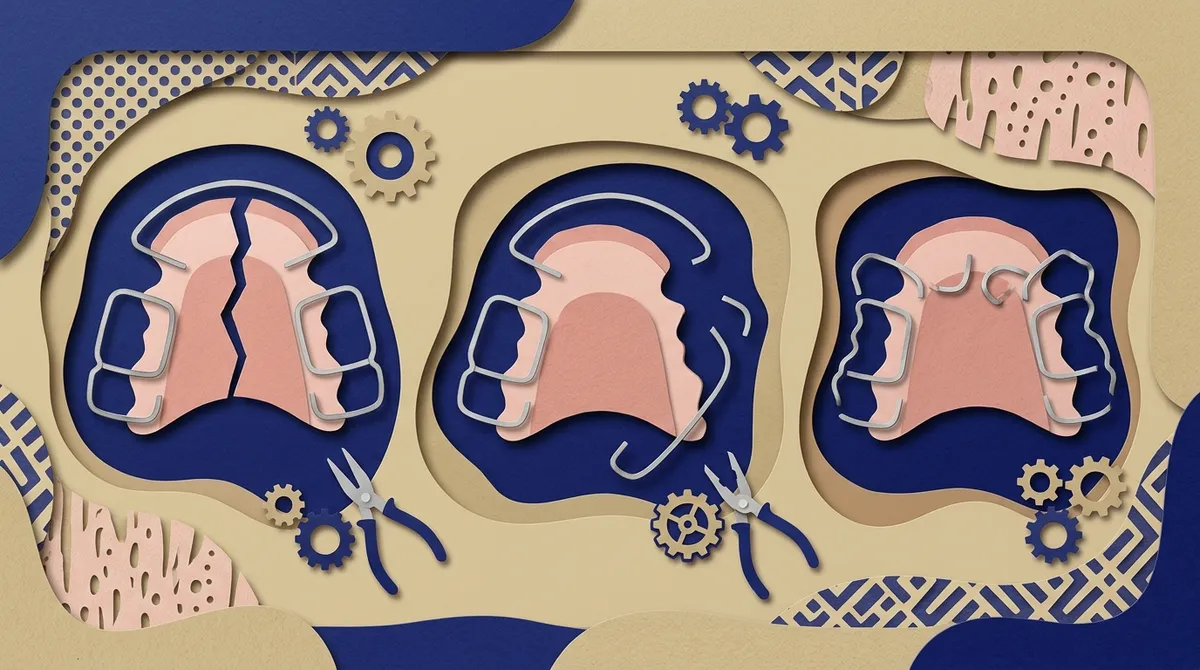
Not all retainer breaks are the same. Understanding the type of damage helps you know how urgently you need care. Here’s a quick overview:
| Type of Break | Description | Urgency Level | What to Do |
|---|---|---|---|
| Hairline Crack | Tiny crack in plastic, no sharp edges | Moderate | Monitor closely; call orthodontist within 24–48 hours |
| Snapped in Half | Retainer broken into two pieces | High | Stop wearing; call orthodontist immediately |
| Loose or Broken Wire | Wire pokes gums or is detached | High | Stop wearing; use orthodontic wax if sharp; call right away |
| Permanent Retainer Detachment | Bonded wire has come loose from teeth | Very High | Save pieces; seek rebonding within one week to prevent relapse |
Permanent vs. Removable Retainer Breaks
There are two main types of retainers — removable and permanent (bonded). Each type requires a slightly different response when it breaks.
Removable Retainer Breaks
Removable retainers, including clear plastic Essix-style retainers and Hawley retainers with wires, are the most common type. When these break, you simply take them out and store the pieces safely. Then call your orthodontist to schedule a repair or replacement appointment.
If the retainer is only slightly cracked and not irritating your mouth, your orthodontist may advise you to continue wearing it briefly while waiting for your appointment. However, this is something only a professional should decide. Don’t make that call on your own — give your orthodontist a ring first!
Permanent (Bonded) Retainer Breaks
Permanent retainers are thin wires bonded to the back of your front teeth. When these come loose or break, it’s a more urgent situation. Teeth in the front of your mouth can shift very quickly without this support.
The great news is that if you save the broken piece and visit your orthodontist promptly, rebonding often takes just a couple of minutes. But waiting longer than a week significantly increases your risk of tooth relapse. So don’t delay! You can explore more about retainer options and care tips to stay prepared.
Common Causes of Retainer Breakage
Understanding why retainers break can help you prevent future issues. Here are the most common culprits:
- Dropping the retainer: Plastic and wire retainers are fragile. Dropping them on hard floors is one of the most frequent causes of breakage.
- Biting into hard foods while wearing a removable retainer: Retainers are not designed for chewing. Always remove them before eating.
- Storing improperly: Leaving retainers in hot cars, on napkins, or loose in pockets can lead to warping or cracking.
- Normal wear and tear: Even a well-cared-for retainer will eventually wear out and need replacing.
- Pets chewing on them: Dogs love retainers for some reason! Always store yours in a secure case.
How to Prevent Retainer Breakage
The best way to deal with a broken retainer is to avoid breaking it in the first place. Here are some simple habits that can extend the life of your retainer:
- Always store your retainer in its case when you’re not wearing it. Never wrap it in a napkin or leave it on a counter.
- Keep it away from heat. Avoid leaving it in a car, near a stove, or in direct sunlight.
- Remove it before eating or drinking anything other than water. This protects both the retainer and your teeth.
- Clean it gently with a soft-bristled toothbrush and mild soap. Avoid toothpaste, which can be abrasive.
- Attend regular orthodontic check-ups. Routine visits help your orthodontist catch fit issues early before they lead to breakage.
What to Expect at Your Orthodontist Appointment
When you come in with a broken retainer, your orthodontist will take a close look at the damage and assess your teeth for any shifting. Here’s what typically happens during the visit:
| Step | What Happens | Time Needed |
|---|---|---|
| 1. Examination | Orthodontist checks teeth and the broken retainer | 5–10 minutes |
| 2. Assessment | Determines if repair or replacement is needed | 5 minutes |
| 3. Repair or Rebonding | Minor repairs done in-office; rebonding fixed retainers takes minutes | 10–30 minutes |
| 4. New Impressions (if needed) | Digital or physical impressions taken for a new retainer | 15–20 minutes |
How Much Does It Cost to Replace a Broken Retainer?
The cost of retainer repair or replacement varies depending on the type of retainer and the extent of the damage. Here’s a general breakdown:
| Retainer Type | Typical Replacement Cost | Notes |
|---|---|---|
| Clear (Essix) Retainer | $100–$300 per arch | Most common; quick turnaround |
| Hawley (Wire) Retainer | $150–$300 per arch | Durable; can sometimes be repaired |
| Permanent (Bonded) Retainer | $250–$500 for rebonding or replacement | Cost depends on extent of damage |
Many orthodontic offices offer financing options to make unexpected costs more manageable. Check out financing and insurance information to understand your options before your appointment. Some dental insurance plans also cover retainer replacement, so it’s worth checking your benefits.
Do You Need a Backup Retainer?
If your retainer breaking has taught you anything, it’s that having a backup is a smart move. A spare retainer can save you days of unprotected tooth movement while you wait for a repair or replacement. Talk to your orthodontist about ordering a backup retainer at your next visit.
The Florida Association of Orthodontists recommends ongoing retainer wear as a lifetime habit. Having a backup ensures that a small accident doesn’t turn into a big setback. Think of it like having a spare tire in your car — you hope you never need it, but you’re so glad it’s there when you do!
When to Treat It as an Emergency
Most broken retainers are urgent but not emergencies. However, some situations call for faster action. Treat your broken retainer as an orthodontic emergency if:
- A sharp wire is cutting or piercing your gums or cheeks
- You’re experiencing significant pain or swelling
- Your permanent retainer has completely detached and you’re noticing tooth movement
- You’ve been without your retainer for several days and teeth feel noticeably different
In these cases, contact your orthodontist right away for urgent care. You can also reach out to the team at Brockway Orthodontics by visiting our contact page to get fast assistance. We’re always here to help! You can also visit us on Google to check our hours and read what other patients have to say about their experience.
Staying on Track With Your Orthodontic Journey
A broken retainer is just a small bump in the road. With the right response and a quick visit to your orthodontist, your smile can stay exactly where it should be. The most important things are to act quickly, avoid DIY fixes, and reach out to a professional.
Whether you’re a teen who just finished adolescent treatment, an adult who completed adult orthodontic care, or someone returning after relapse, your retainer is your smile’s best friend. Treat it well, and it’ll keep your teeth in great shape for years to come.
If you have questions about your retainer or need to schedule an urgent appointment, don’t hesitate to book an appointment online with our friendly team. We’re proud to serve Clearwater, Florida, and we can’t wait to help you keep smiling with confidence!
FAQs
Q: How long can I go without wearing my retainer before my teeth shift?
A: Teeth can start shifting surprisingly quickly — sometimes within just 1 to 3 nights without a retainer! Microscopic movement can even begin within a few days. That’s why it’s so important to contact your orthodontist right away when your retainer breaks, rather than waiting it out.
Q: Can I repair a broken retainer at home?
A: We totally understand the temptation, but home repairs are a no-go! Using super glue, heat, or other DIY fixes can distort the shape of your retainer and actually push your teeth out of alignment. Always leave repairs to your orthodontist — they have the right tools and know-how to fix it properly.
Q: What causes retainers to break most often?
A: The most common causes include accidentally dropping the retainer on a hard floor, leaving it in a hot car where heat warps the plastic, chewing with it in, or storing it loosely in a bag or pocket. The good news is that most of these are easy to prevent with a simple retainer case and a few good habits!
Q: What should I do if my permanent (bonded) retainer breaks?
A: Save any broken pieces and contact your orthodontist as soon as possible — ideally within a week. Permanent retainers hold your front teeth in place, so even a short period without one can cause noticeable shifting. The good news is that rebonding is usually a quick procedure if you act fast!
Q: Should I get a backup retainer just in case?
A: Absolutely — it’s one of the best things you can do for your smile! A backup retainer means that if your main one breaks, you can keep wearing something while waiting for a repair or replacement. Ask your orthodontist about ordering a spare at your next visit — your future self will thank you!