Key Takeaways
-
Get an orthodontic evaluation by age 7 when jaw development is most responsive to guidance; early intervention can prevent expensive problems and sometimes eliminate the need for jaw surgery.
-
Early Phase 1 orthodontic treatment (ages 7-10) uses specialized appliances like palate expanders to guide jaw growth while bones are still developing, similar to using a trellis to direct plant growth.
-
Misaligned bites put uneven stress on jaw joints and muscles, causing worn enamel, jaw pain, headaches, and difficulty chewing; braces and aligners correct bite alignment to improve jaw function.
-
Consistent retainer wear after braces is critical—teeth naturally shift back without it, undoing treatment; wear full-time for 6-12 months post-treatment, then nightly long-term to preserve results.
-
A narrow or underdeveloped upper jaw can restrict airflow and contribute to mouth breathing, snoring, and sleep issues; orthodontic palate expansion can improve both jaw structure and airway health.
-
Adults can still benefit from orthodontic treatment even though jaw growth is complete; braces and aligners correct bite problems, reduce jaw strain, and improve function significantly.
If you’ve ever watched a child grow up, you know how fast things change. One day they’re toothless and grinning, the next they’re losing baby teeth and navigating the wild world of permanent ones. But here’s something many parents don’t think about: jaw development is happening the whole time, and it plays a huge role in your child’s long-term health, smile, and confidence.
The good news? Orthodontic care can make a meaningful difference in how the jaw grows — and when you catch things early, the results can be remarkable. Whether you’re a parent wondering about your child’s bite, a teen curious about why your jaw clicks, or an adult dealing with lingering issues from untreated childhood problems, this article is for you.
Let’s walk through three key ways orthodontics supports healthy jaw development — and why acting sooner rather than later is almost always the smarter move.

Why Jaw Development Matters More Than You Think
The jaw isn’t just about chewing. It affects how you breathe, speak, sleep, and even how your face looks over time. Problems with jaw development can lead to a range of issues, including crooked teeth, difficulty chewing, speech challenges, and even breathing problems during sleep.
According to the American Dental Association, early orthodontic evaluations — ideally by age 7 — can help identify jaw and bite problems before they become harder (and more expensive) to fix. That’s because at younger ages, the jaw bones are still growing and are more responsive to gentle guidance.
Here’s a quick look at what can go wrong when jaw development isn’t monitored:
- Overcrowding: A narrow jaw doesn’t leave enough room for permanent teeth
- Crossbite: The upper and lower jaws don’t align properly side to side
- Overbite or underbite: The jaws don’t meet correctly front to back
- Breathing issues: A narrow upper jaw can restrict the airway
- TMJ problems: Jaw joint pain and dysfunction from years of misalignment
- Speech difficulties: Certain sounds become harder to produce clearly
The exciting part is that orthodontic treatment — when timed right — can actually guide jaw development rather than just react to problems after they’ve fully formed. You can explore early treatment options to understand what’s possible at different ages.
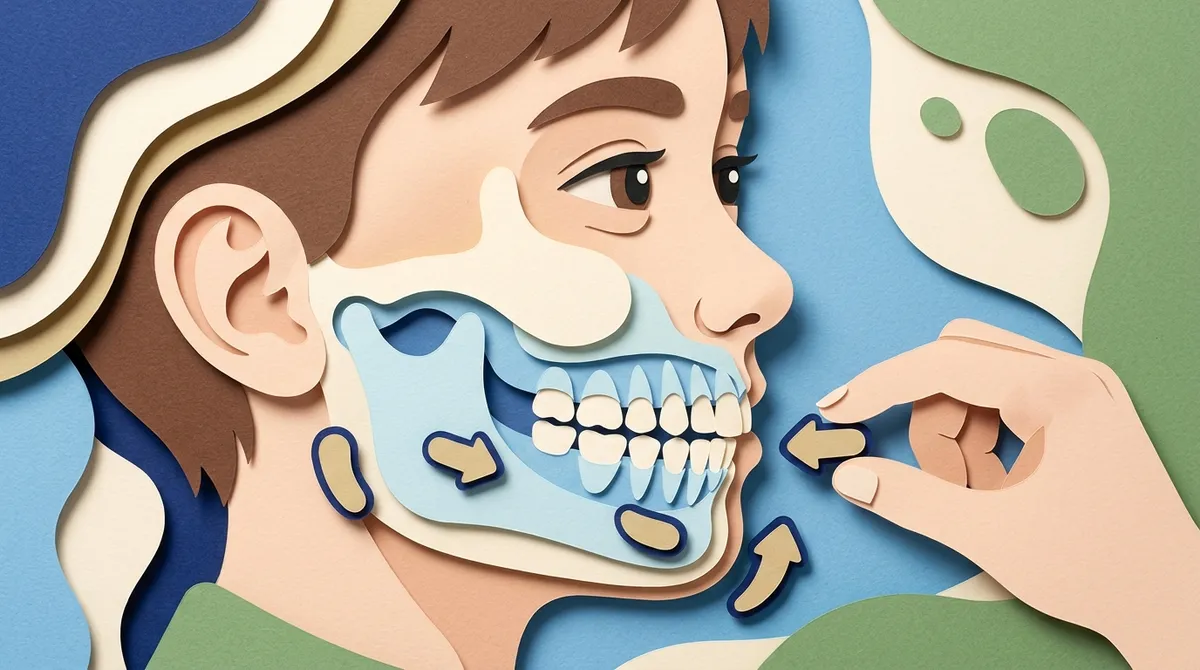
Way 1: Early Orthodontic Treatment Guides Jaw Growth
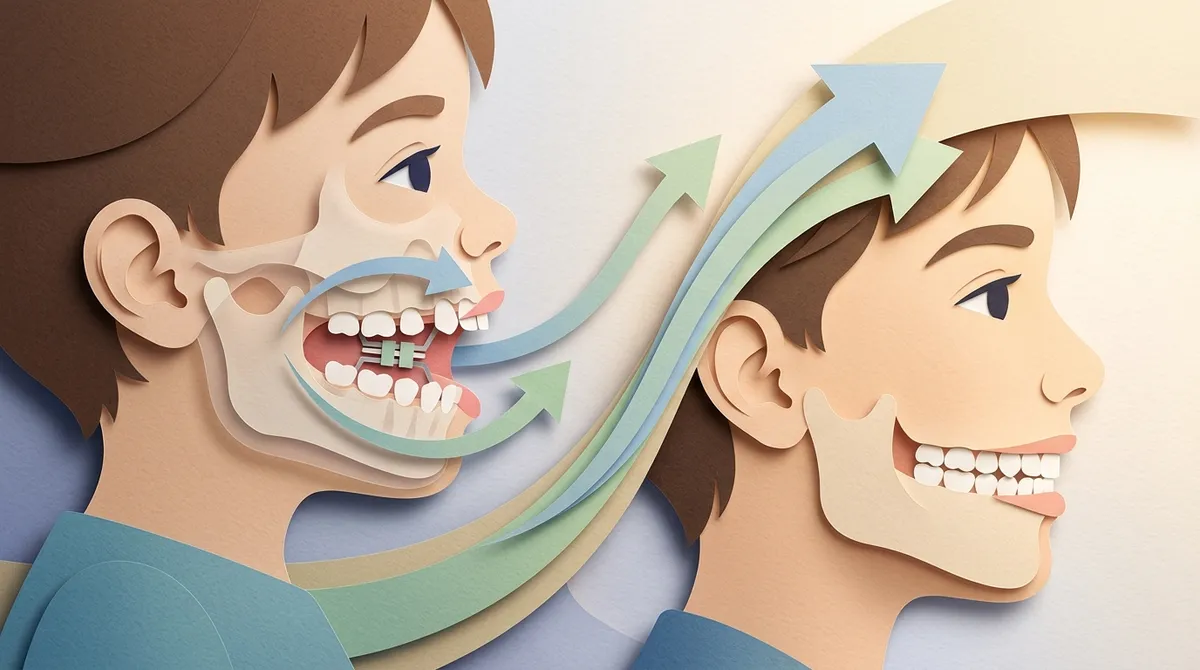
This is where the magic really happens. Early orthodontic treatment — often called Phase 1 treatment — takes place while the jaw is still growing, typically between ages 7 and 10. During this window, an orthodontist can use specialized appliances to actually influence the direction and pace of jaw growth.
Think of it like gardening. You can plant a seed and let it grow however it wants, or you can put up a trellis to help it grow in the right direction. Early orthodontic intervention is that trellis.
What Phase 1 Treatment Can Do
Phase 1 treatment is powerful because it works with the body’s natural growth process. Here’s what it can address:
- Expand a narrow upper jaw — Palate expanders gently widen the upper jaw over several months, creating more space for incoming teeth and improving the airway
- Correct crossbites early — Fixing a crossbite while the jaw is still forming prevents the jaw from developing asymmetrically over time
- Redirect jaw growth — Certain appliances can encourage the lower jaw to grow forward or backward to improve bite alignment
Children who receive early orthodontic care often need shorter, simpler treatment during their teenage years. In some cases, it prevents the need for jaw surgery altogether. Early intervention orthodontics in Clearwater is something the team at Brockway Orthodontics takes seriously, and for good reason.
If you’re a parent in the Clearwater area wondering whether your child should be evaluated, schedule a free consultation to find out where things stand. It’s never too early — and often, it’s the timing that makes all the difference.
Signs Your Child May Need Early Jaw Evaluation
Not sure if your child needs to be seen? Here are some common warning signs that jaw development may need attention:
- Difficulty chewing or biting food
- Mouth breathing or snoring at night
- Early or late loss of baby teeth
- Thumb sucking past age 5
- Crowded, blocked, or misplaced teeth
- Jaws that shift, click, or make noise
- A noticeably protruding or recessed chin
Any of these signs is a good reason to check in with an orthodontist. You can also read more in our guide on when your child should first see an orthodontist.
Way 2: Braces and Aligners Correct Bite Problems That Affect the Jaw
Once a child enters their teenage years — or even as an adult — the jaw is more set in its ways. But that doesn’t mean orthodontic treatment can’t still make a significant impact on jaw health and function. Braces and clear aligners do far more than straighten teeth. They correct how the upper and lower jaws relate to each other.
A misaligned bite (called malocclusion) puts uneven stress on the jaw joints, muscles, and teeth. Over time, this can lead to worn enamel, jaw pain, headaches, and even difficulty opening and closing the mouth comfortably. Orthodontic treatment realigns the bite so that the jaw functions the way it’s supposed to.
How Braces Support Jaw Alignment
Traditional braces are incredibly effective at repositioning teeth in ways that support better jaw alignment. Here’s how:
- Correcting overbites and underbites — By moving teeth into proper positions, braces help the upper and lower jaws meet correctly, reducing strain on the jaw joints. Learn more about how braces fix a deep overbite.
- Fixing crossbites — Braces can shift teeth so the bite closes evenly, preventing the jaw from developing a lopsided pattern over time. See how crossbite correction works.
- Resolving crowding and spacing — Properly spaced teeth allow the jaw to function more efficiently without overcompensation from the muscles
Clear aligners like Spark™ Clear Aligners can also address many bite issues, especially for teens and adults who prefer a more discreet option. The full range of braces options available at Brockway Orthodontics means there’s a solution for nearly every jaw and bite concern.
Comparing Treatment Options for Jaw-Related Bite Issues
| Treatment Option | Best For | Age Range | Jaw Impact |
|---|---|---|---|
| Palate Expander | Narrow upper jaw, crossbite | 7–12 years | Directly widens jaw bone |
| Metal Braces | Moderate to severe bite issues | All ages | Repositions teeth and bite alignment |
| Ceramic Braces | Bite correction with less visibility | Teens and adults | Same as metal, more discreet look |
| Spark™ Clear Aligners | Mild to moderate bite and alignment issues | Teens and adults | Guides teeth and jaw position gradually |
Not sure which option fits your situation best? The first visit at Brockway Orthodontics includes a thorough evaluation to help you understand exactly what your jaw needs.
Way 3: Retainers Protect the Results and Preserve Jaw Health Long-Term
Here’s something people don’t always hear enough about: finishing orthodontic treatment isn’t the finish line. It’s more like crossing the bridge. What happens after braces or aligners come off matters just as much for your jaw health.
After treatment, the teeth and jaw have a natural tendency to shift back toward their original positions. This is called relapse, and it’s why retainers are such a critical part of the process. Without consistent retainer wear, the jaw and teeth can slowly drift, undoing years of careful correction.
What Retainers Do for Your Jaw
Retainers hold the teeth in their corrected positions while the surrounding bone and tissue fully stabilize. This is especially important because bone remodeling — the process by which the jaw bone reshapes itself around newly positioned teeth — takes time after active treatment ends.
- Retainers keep the bite aligned while the jaw bone firms up around the new tooth positions
- They prevent the gradual drift that can reintroduce bite problems over time
- Consistent wear reduces the risk of needing retreatment down the road
- They support the long-term health of the jaw joints by maintaining proper bite alignment
You can learn everything you need to know in our guide on retainers and how to use them. And if something happens to your retainer, don’t panic — check out what to do if your retainer breaks for quick guidance.
How Long Should You Wear a Retainer?
| Phase | Retainer Wear Recommendation | Why It Matters |
|---|---|---|
| First 6–12 months post-treatment | Full-time (22+ hours/day) | Bone is still stabilizing around new positions |
| Year 1–3 | Nightly wear | Maintains alignment as bone matures |
| Long-term (3+ years) | Several nights per week | Prevents gradual drift and relapse |
The Jaw Development Timeline: What to Expect at Every Age
Understanding when jaw development happens helps you know when to act. Here’s a simple breakdown by age:
| Age Range | Jaw Development Stage | Recommended Orthodontic Action |
|---|---|---|
| Age 7 | First molars emerge; bite pattern becomes clearer | First orthodontic evaluation recommended |
| Ages 7–10 | Active jaw growth; most responsive to guidance | Phase 1 treatment if issues are identified |
| Ages 11–14 | Most permanent teeth in; jaw growth slowing | Phase 2 treatment (braces or aligners) |
| Ages 15–17 | Jaw nearing adult size; wisdom teeth forming | Comprehensive orthodontic treatment |
| Adults 18+ | Jaw fully developed | Braces or aligners for bite and alignment correction |
Adults shouldn’t feel left out of this conversation! While the jaw is fully developed by adulthood, orthodontic treatment still corrects bite alignment, reduces jaw strain, and improves function significantly. The adult treatment options at Brockway Orthodontics are designed for exactly this. You can also explore why so many adults are getting orthodontic treatment in 2026.
Orthodontics and Airway Health: A Connection Worth Knowing
One area of growing interest in orthodontics is the link between jaw development and airway health. A narrow or underdeveloped jaw can restrict the airway, contributing to mouth breathing, snoring, and even sleep-disordered breathing in children and adults.
Airway-focused orthodontics looks at how jaw structure affects breathing. By expanding the palate and guiding jaw growth, orthodontists can sometimes improve airway function alongside bite correction. You can learn more about airway orthodontics and whether it might apply to your situation.
The Florida Association of Orthodontists recognizes the growing body of research connecting early jaw treatment with improved airway health outcomes — yet another reason why getting evaluated early makes so much sense.
Frequently Asked Questions About Jaw Development
What Role Do Parents Play in Supporting Jaw Development?
Parents play a huge role! Encouraging good habits like nasal breathing, avoiding prolonged pacifier or thumb use past age 3–4, and scheduling that first orthodontic evaluation by age 7 are all ways to support healthy jaw development. Staying attentive to signs like mouth breathing or crowded teeth helps too.
Adolescent vs. Adult Jaw Issues: What’s the Difference?
The main difference is flexibility. A teenager’s jaw is still growing, so orthodontic appliances can actually guide bone growth. For adults, the jaw is fully formed, but braces and aligners can still correct bite alignment and reduce strain — it just may take different tools and timelines. Adolescent treatment and adult treatment are both available at Brockway Orthodontics.
Can Jaw Problems Return After Treatment?
They can, especially without consistent retainer wear. That’s why retention is considered a lifelong commitment after orthodontic treatment. Staying on top of retainer wear and keeping up with check-ins at your orthodontic office helps protect your results for good.
Ready to Support Your Jaw Health? Here’s What to Do Next
Jaw development is one of those topics that seems technical at first, but it really comes down to a simple idea: the earlier you pay attention, the better the outcome. Whether your child is approaching age 7, your teen is ready for braces, or you’re an adult who’s been putting off care for years, there’s a path forward for everyone.
At Brockway Orthodontics, Dr. Brockway and her team are passionate about guiding healthy jaw development for patients of all ages — from little ones just losing their first baby teeth to adults ready for a fresh start. Every patient gets a personalized plan, modern technology, and a team that genuinely cares. Visit us on Google — Brockway Orthodontics to read what our patients have to say, or follow along on Facebook for tips, updates, and patient stories.
Don’t wait until jaw problems become bigger — or more costly — to address. The best time to act is now, and we make it easy to get started. Book your free consultation at Brockway Orthodontics and let’s take the first step toward a healthier, happier smile together. You — and your jaw — deserve it!
FAQs
Q: At what age should my child have their jaw and bite evaluated by an orthodontist?
A: The American Dental Association recommends a first orthodontic evaluation by age 7! This is when the first adult molars come in and an orthodontist can get a clear picture of how the jaw is developing. Early evaluation doesn’t always mean early treatment — but it ensures nothing is missed.
Q: Can orthodontic treatment fix jaw problems in adults?
A: Absolutely — and you’re definitely not alone in asking! While the jaw is fully grown by adulthood, braces and clear aligners can still correct bite alignment, reduce jaw strain, and improve how your teeth and jaw function together. Many adults are surprised by how much improvement is possible.
Q: What is a palate expander and how does it help jaw development?
A: A palate expander is a small appliance that fits in the roof of the mouth and gently widens the upper jaw over several months. It works best in children because the jaw bones haven’t fully fused yet. Expanding the palate creates more space for teeth and can even improve breathing!
Q: How does jaw misalignment affect everyday life?
A: More than most people realize! A misaligned jaw can cause difficulty chewing, jaw pain, headaches, speech challenges, and even trouble sleeping due to airway restriction. The great news is that orthodontic treatment can address many of these issues and make day-to-day life a whole lot more comfortable.
Q: Do retainers really matter for jaw health after braces?
A: Yes — retainers are so important! After treatment, the jaw bone needs time to stabilize around the newly positioned teeth. Consistent retainer wear keeps everything in place during that process and prevents the kind of gradual drift that can bring bite problems back over time. Think of your retainer as the final (and lifelong) step of your treatment!
Our Service Area