
Key Takeaways
-
Orthodontics alone (braces/aligners) doesn’t cure sleep apnea; instead, airway-focused treatments like Mandibular Advancement Appliances, Rapid Maxillary Expansion, or jaw surgery combined with orthodontic care are what actually reduce OSA symptoms.
-
Orthodontists can screen for sleep apnea warning signs during routine checkups by examining jaw structure, bite, airway space, and imaging, then refer patients to sleep physicians for formal diagnosis through a sleep study.
-
Oral appliances are a practical alternative to CPAP machines for mild-to-moderate sleep apnea, offering better comfort, portability, and higher patient compliance rates for busy adults who struggle with CPAP tolerance.
-
Rapid Maxillary Expansion (RME) can meaningfully reduce OSA symptoms in children with narrow upper jaws by gradually widening the palate and creating more airway space for the tongue.
-
A collaborative team approach involving your primary doctor, sleep physician, and orthodontist ensures accurate diagnosis and the most effective personalized treatment plan for sleep apnea.
-
In children, enlarged tonsils or adenoids are typically the primary cause of sleep apnea, so adeno-tonsillectomy is usually recommended first before orthodontic intervention for skeletal jaw issues.
If you or your child struggle with snoring, gasping for air at night, or feeling exhausted no matter how much sleep you get, you might be dealing with obstructive sleep apnea (OSA). Here’s something many families don’t know: orthodontics plays a real role in sleep apnea treatment. At Brockway Orthodontics in Clearwater, we see firsthand how the right jaw and airway support can change lives, not just smiles. This article will walk you through exactly how orthodontic care fits into the bigger picture of sleep apnea treatment, so you can make informed decisions for yourself or your family.
Sleep apnea isn’t just about loud snoring. It’s a real medical condition where breathing repeatedly stops and starts during sleep. Left untreated, it can affect heart health, mood, focus, and quality of life. The good news? Orthodontic treatment, especially when combined with medical care, can make a real difference for many patients. Let’s break down what actually works.
What Is Sleep Apnea, and Why Does Your Jaw Matter?
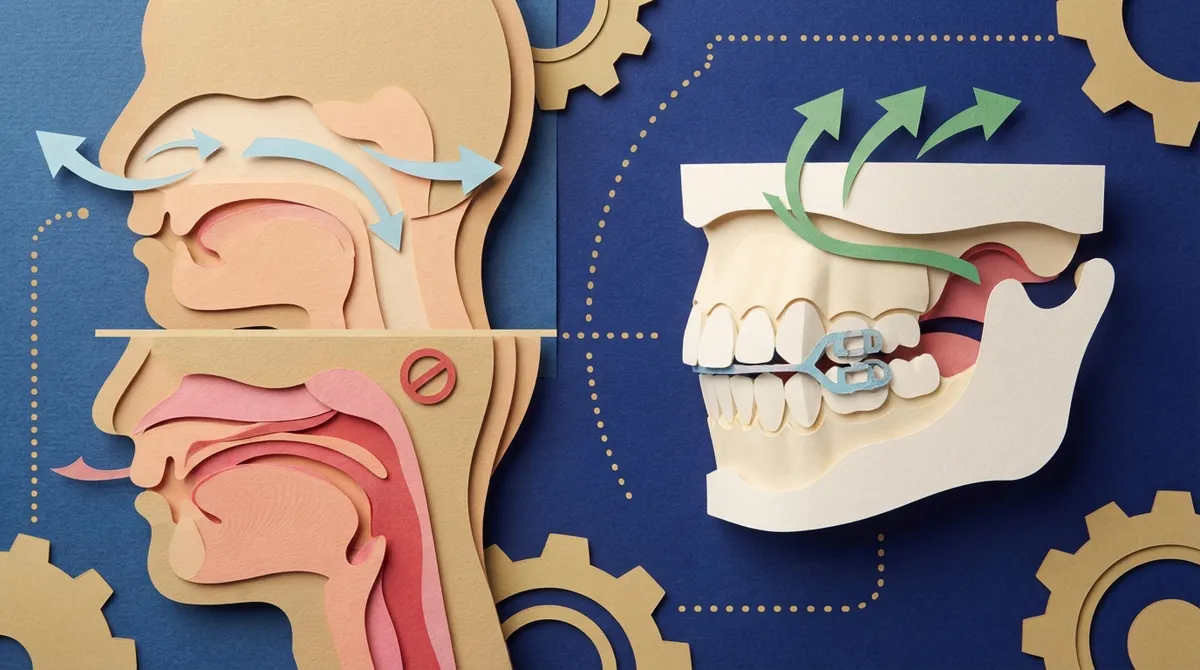
Obstructive Sleep Apnea happens when the airway becomes blocked or collapses during sleep. This blockage is often caused by the shape and position of your jaw, tongue, or soft tissues in your throat. That’s exactly where orthodontics comes in. By reshaping the jaw or expanding the palate, orthodontists can help open up the airway and make breathing easier.
It’s important to understand one thing right away: braces or clear aligners alone don’t cure sleep apnea. Straightening teeth is not the same as treating an airway problem. Instead, specific airway-focused therapies, like jaw expansion or repositioning, are what actually help with OSA symptoms.
Common Signs of Sleep Apnea to Watch For
- Loud, chronic snoring
- Gasping or choking sounds during sleep
- Waking up with a dry mouth or sore throat
- Daytime fatigue, even after a full night’s sleep
- Difficulty concentrating or irritability
- In children: bedwetting, hyperactivity, or poor school performance
How Orthodontists Screen for Sleep Apnea
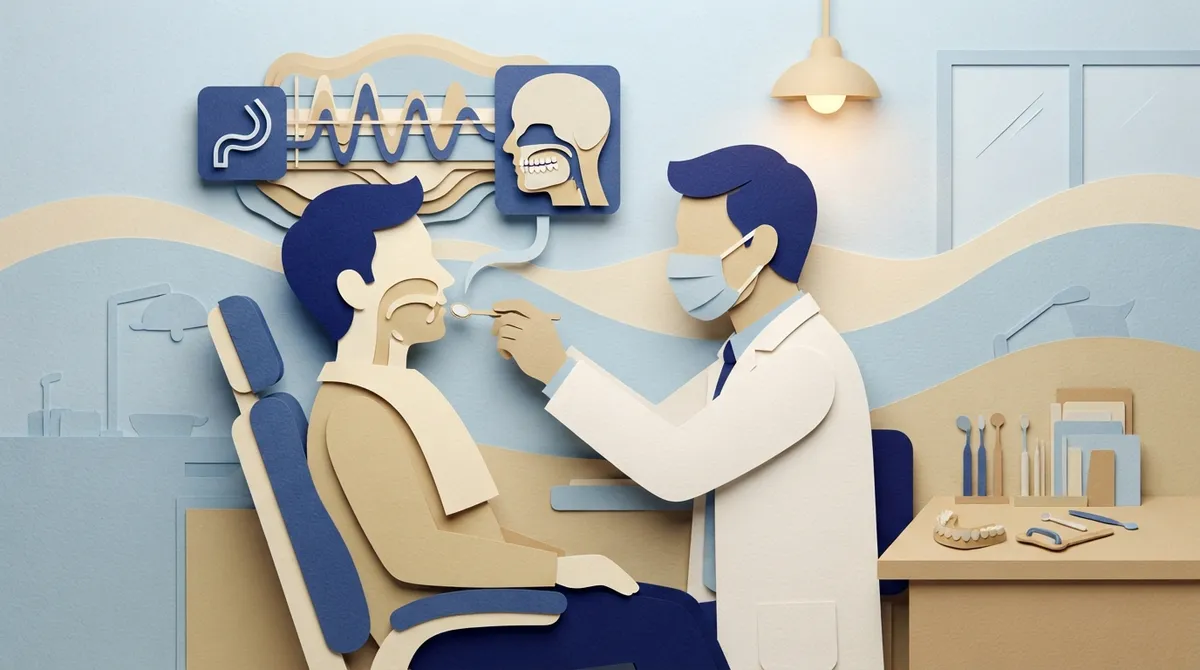
Orthodontists are trained to look for warning signs of OSA during regular checkups. This includes reviewing your medical history, examining your bite and jaw structure, and studying x-rays or 3D images of your airway. While orthodontists can’t officially diagnose sleep apnea, they play a critical role in catching early warning signs and referring patients to sleep physicians for a formal sleep study.
At Brockway Orthodontics, we take this responsibility seriously. During your first visit, Dr. Brockway looks at more than just crooked teeth. She considers your whole airway health as part of your treatment plan.
The Screening Process, Step by Step
- Review of your medical and sleep history
- Clinical exam of your jaw, bite, and airway space
- Review of dental x-rays and imaging
- Discussion of symptoms like snoring or daytime tiredness
- Referral to a sleep physician if OSA is suspected
- Collaboration on a treatment plan once diagnosis is confirmed
Orthodontic Treatments That Help With Sleep Apnea
There isn’t a one-size-fits-all solution. The right treatment depends on your age, the severity of your OSA, and your unique jaw structure. Here’s a look at the main options orthodontists use.
1. Rapid Maxillary Expansion (RME) for Kids
For children with a narrow upper jaw, Rapid Maxillary Expansion is one of the most effective tools available. This device gradually widens the roof of the mouth, creating more room for the tongue and improving airflow. Studies show RME can meaningfully reduce OSA symptoms in kids with constricted upper jaws.
That said, it’s worth noting that OSA alone isn’t always enough reason for palatal expansion. Orthodontists look at the whole picture, including bite issues and airway anatomy, before recommending this treatment. Learn more about how early treatment can set your child up for healthier growth.
2. Mandibular Advancement Appliances (MAAs)
For adults with mild to moderate OSA, Mandibular Advancement Appliances are a popular non-surgical choice. These custom-made devices gently move the lower jaw forward during sleep, keeping the airway open. Compared to CPAP machines, many patients find MAAs more comfortable and easier to stick with long-term.
3. Surgical Jaw Advancement (MMA)
For more severe cases, especially where there’s a significant skeletal imbalance, Maxillomandibular Advancement (MMA) surgery may be recommended. This surgical-orthodontic approach repositions both the upper and lower jaw to dramatically increase airway space. It’s typically reserved for patients who haven’t found relief through other methods.
Orthodontic Options Compared
| Treatment | Best For | How It Works | Invasiveness |
|---|---|---|---|
| Rapid Maxillary Expansion | Children with narrow jaws | Widens upper jaw gradually | Low |
| Mandibular Advancement Appliance | Adults with mild-moderate OSA | Moves lower jaw forward | Low |
| CPAP Therapy | Moderate to severe OSA | Delivers continuous air pressure | Non-surgical, but often uncomfortable |
| Maxillomandibular Advancement Surgery | Severe OSA or skeletal issues | Surgically repositions both jaws | High |
CPAP vs. Oral Appliance Therapy: What’s the Difference?
CPAP (Continuous Positive Airway Pressure) therapy is still considered the gold standard for treating moderate to severe sleep apnea. It works by delivering steady air pressure through a mask, keeping your airway open all night. However, many adults find CPAP machines bulky, noisy, or uncomfortable to wear every night.
This is where oral appliance therapy shines. Because adherence to CPAP is often low, oral appliances have become a popular alternative for people with mild to moderate OSA, or for those who simply can’t tolerate CPAP long-term. According to the American Dental Association, oral appliances are a legitimate and effective option for many patients when properly fitted and monitored.
Benefits of Oral Appliance Therapy
- Smaller and more comfortable than CPAP masks
- Easier to travel with
- No noise or need for electricity
- Higher patient compliance overall
- Custom-fitted for your mouth and bite
Children and Sleep Apnea: What Parents Should Know
If your child snores loudly or seems unusually tired during the day, it’s worth mentioning to your pediatrician and orthodontist. In children, the most common cause of OSA is actually enlarged tonsils or adenoids, not jaw structure. That’s why adeno-tonsillectomy is often the first line of treatment recommended before considering orthodontic intervention.
Once any tonsil or adenoid issues are addressed, orthodontists can step in to correct any remaining skeletal problems, like a narrow palate, that might still be affecting your child’s breathing. This is why regular checkups matter, even before your child needs braces. Our adolescent treatment options are designed with this whole-health approach in mind.
When Should a Child See an Orthodontist for Sleep Concerns?
- If snoring happens more than three nights a week
- If your child seems tired despite a full night’s sleep
- If you notice mouth breathing during the day or night
- If your pediatrician suspects a narrow jaw or bite issue
- If behavioral or focus issues arise without clear cause
Adults and Sleep Apnea: Can Orthodontics Really Help?
Many adults ask: can orthodontics cure sleep apnea? The honest answer is that it depends. Orthodontics alone, like braces or clear aligners, won’t fix OSA. But when combined with airway-focused treatments like MAAs or jaw surgery, orthodontic care becomes a powerful part of the solution.
For adult patients balancing busy careers and family life, comfort and convenience matter. That’s why many professionals prefer oral appliance therapy over CPAP. If you’re exploring adult treatment options, it’s worth discussing your sleep concerns during your consultation so we can factor airway health into your overall plan.
Questions to Ask Your Orthodontist About Sleep Apnea
- Could my bite or jaw structure be contributing to my sleep issues?
- Am I a good candidate for an oral appliance?
- Should I be referred for a sleep study?
- How will treatment affect my daily life and comfort?
- What results can I realistically expect?
Why a Team Approach Works Best
Sleep apnea treatment isn’t something one provider handles alone. It usually takes a team: your primary doctor, a sleep physician, and your orthodontist all working together. Orthodontists provide valuable screening and airway-focused treatment options, but a sleep physician must confirm the diagnosis through a formal sleep study.
This collaborative approach ensures you get the most accurate diagnosis and the most effective treatment plan. The Florida Association of Orthodontists emphasizes this multidisciplinary model as the standard of care for patients with suspected OSA.
Steps in a Collaborative Sleep Apnea Treatment Plan
- Initial screening during a routine orthodontic visit
- Referral to a sleep physician for a formal diagnosis
- Sleep study to determine severity of OSA
- Joint discussion of treatment options between physician and orthodontist
- Fitting and monitoring of orthodontic appliances, if appropriate
- Ongoing follow-up to track improvement
Debunking Common Myths About Orthodontics and Sleep Apnea
There’s a lot of confusion out there, so let’s clear a few things up. First, no orthodontic treatment has been shown to cause or worsen sleep apnea. In fact, specific orthodontic therapies are important tools in managing it. Second, getting braces as a teen or adult won’t automatically fix breathing issues; the treatment has to specifically target the airway.
Finally, remember that not every case of snoring means you have sleep apnea. A proper diagnosis from a sleep physician is always the right first step before starting any treatment plan.
Why Choose Brockway Orthodontics for Airway-Focused Care
Dr. Brockway believes that a healthy smile is about more than straight teeth. It’s about your whole well-being, including how well you breathe at night. Our Clearwater practice combines modern technology, like 3D imaging and digital impressions, with a warm, family-friendly approach to care.
Whether you’re a parent noticing your child’s snoring, or an adult professional tired of restless nights, we’re here to listen and guide you toward real solutions. Explore our full range of services to see how we can support your family’s health and confidence. You can also visit us on Google — Brockway Orthodontics to see what our patients have to say about their experience.
Your Next Steps Toward Better Sleep
If snoring, fatigue, or breathing troubles have been affecting your family, don’t wait to get answers. Early screening can make a huge difference in both children and adults. Our team can help identify warning signs and connect you with the right specialists for a full diagnosis.
Ready to talk about your smile and your sleep? Book your free consultation online today, or contact our Clearwater team to ask any questions you have. You deserve restful nights and confident, healthy smiles, and we’re honored to be part of that journey with you and your family.
FAQs
Q: Can orthodontics cure sleep apnea in adults?
A: Not on its own! Braces or aligners alone don’t treat sleep apnea, but airway-focused options like oral appliances or jaw surgery, guided by your orthodontist, can make a real difference. It’s all about finding the right combination of care for your unique situation.
Q: What is the difference between CPAP and oral appliance therapy?
A: CPAP uses a machine to deliver steady air pressure through a mask, while oral appliances are small, custom-fitted devices you wear in your mouth at night. Many patients love oral appliances because they’re quieter, more portable, and easier to stick with long-term.
Q: How does rapid maxillary expansion help children with sleep apnea?
A: This gentle treatment widens a child’s narrow upper jaw, creating more room for the tongue and improving airflow. It’s a wonderful option for kids whose sleep apnea is linked to a constricted palate, and it often leads to noticeably better sleep.
Q: Do braces alone fix sleep apnea?
A: No, straightening teeth with braces doesn’t directly treat sleep apnea. You’ll need airway-specific therapies, like jaw repositioning or oral appliances, alongside any orthodontic work to truly address breathing issues.
Q: When should a child with sleep apnea see an orthodontist?
A: If your child snores often, seems tired despite sleeping well, or breathes through their mouth frequently, it’s a great time to schedule a visit. We’ll check their jaw and bite, and work alongside your pediatrician for the best care plan.
Our Service Area