Key Takeaways
-
Schedule your child's first orthodontic checkup by age 7, as recommended by the American Association of Orthodontists, to evaluate jaw and tooth development using a mix of baby and permanent teeth.
-
An age-7 visit is a screening, not a treatment appointment—most children don't need braces immediately and are simply monitored over time for normal development.
-
Watch for warning signs like crossbites, severe crowding, mouth breathing, jaw clicking, or thumb-sucking past age 4-5 that warrant an earlier visit before age 7.
-
Early detection of bite and jaw issues can lead to simpler, shorter treatment later by guiding healthy jaw growth while your child is still developing.
-
You don't need a dentist referral to schedule an orthodontic consultation—families can contact an orthodontist directly, though your dentist can also identify early concerns.
-
Only children with specific bite or growth problems require early interceptive treatment; most kids with normal development simply receive regular monitoring checks over time.
You just noticed your child’s new front teeth coming in a little crooked, and now you’re wondering if it’s time to worry. Take a breath, parent friend. You’re not alone in this, and you’re definitely asking the right question at the right time. Figuring out when your child should see an orthodontist can feel confusing, but the answer is actually pretty simple once you know what to look for.
The good news? You don’t have to guess. There’s a clear, expert-backed answer that takes the mystery out of the timing. In this guide, we’ll walk through exactly when to schedule that first visit, what warning signs mean you shouldn’t wait, and what actually happens during a child’s first orthodontic checkup. By the end, you’ll feel confident and ready, whether your child is 5 or 15. And if you’re in the Clearwater area, we’ll show you how Brockway Orthodontics can help every step of the way.
The Simple Answer: Age 7
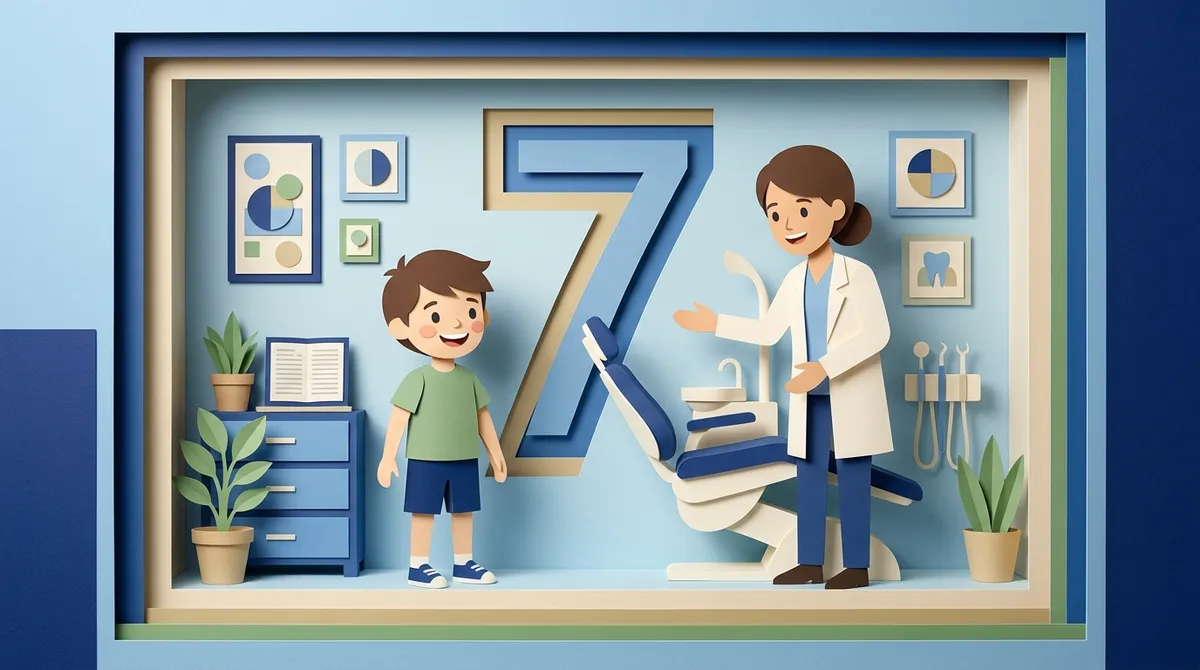
According to the American Association of Orthodontists, every child should have their first orthodontic checkup by age 7. This isn’t a random number pulled out of thin air. By this age, kids usually have a mix of baby teeth and permanent teeth, including their first adult molars and front teeth. This mix gives an orthodontist a clear window into how your child’s bite and jaw are developing.
Here’s the part that surprises a lot of parents: an age-7 visit does not mean your child needs braces right away. In fact, most kids who visit at 7 don’t start treatment for years, if at all. Think of it more like a smile check-up, similar to a well-child visit at the pediatrician. It’s about catching potential problems early, not jumping straight into treatment.
Why Age 7 Makes Sense
At this stage, an orthodontist can spot things that are much harder to see later on. These include:
- How permanent teeth are coming in behind or around baby teeth
- Whether there’s enough space for adult teeth to grow properly
- Early signs of an overbite, underbite, or crossbite
- How the upper and lower jaws are growing in relation to each other
- Habits like thumb-sucking that might be affecting tooth position
Catching these issues early can sometimes mean simpler, shorter treatment later. It can also help guide jaw growth in a healthier direction while your child is still growing. You can learn more about how this works on our early treatment page.
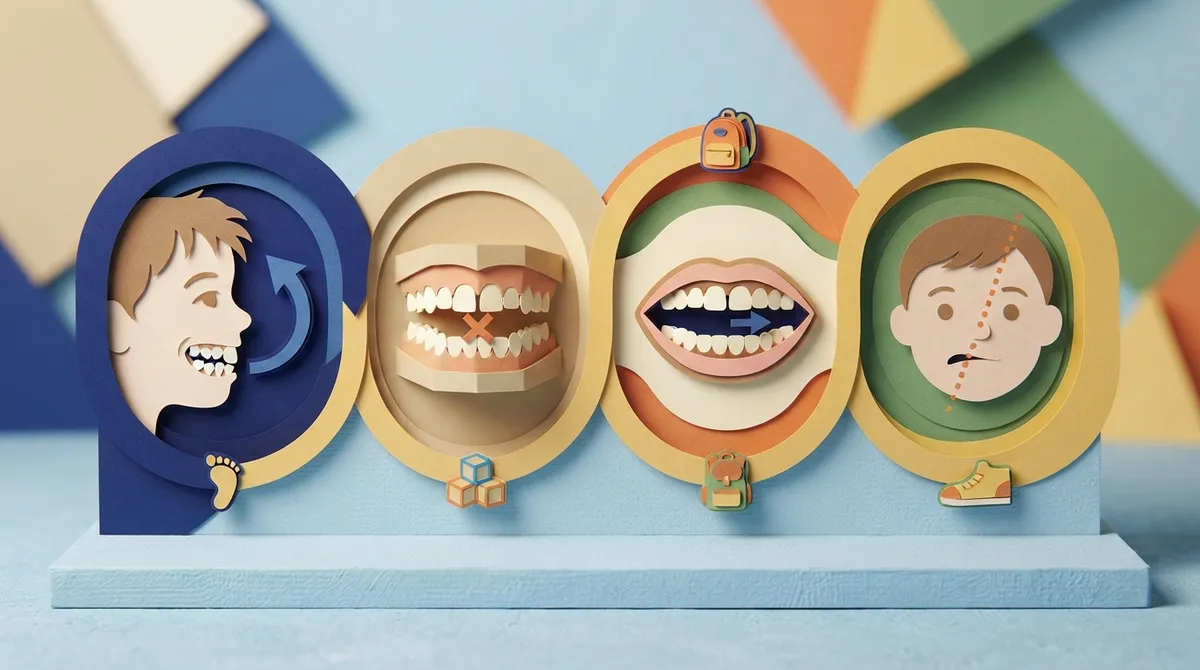
Signs You Shouldn’t Wait Until Age 7
While age 7 is the general rule, some situations call for an earlier visit. Trust your gut here. If something seems off with your child’s teeth or bite, it doesn’t hurt to get it checked sooner rather than later.
- Your child has a crossbite, where the upper teeth sit inside the lower teeth when biting down.
- Teeth are severely crowded or overlapping in a noticeable way.
- Baby teeth are falling out unusually early or unusually late.
- Your child has trouble chewing or biting food comfortably.
- You notice jaw shifting, clicking, or an uneven appearance to the jaw.
- Permanent teeth seem to be coming in in the wrong position.
- Your child breathes through their mouth often or snores loudly at night.
- Thumb-sucking or pacifier use continues past age 4 or 5.
Any one of these signs is a good reason to schedule a visit sooner. Waiting isn’t dangerous, but early evaluation gives you more options and information. Our team walks families through this all the time, and we’re always happy to take a look, even if you’re not sure it’s a “real” problem yet.
What Happens at the First Orthodontic Visit
Parents often picture a stressful, complicated appointment. In reality, the first visit is simple, relaxed, and informative. Here’s what typically happens, step by step:
- A friendly team member welcomes you and your child and goes over some quick health history questions.
- The orthodontist examines your child’s teeth, bite, and jaw growth.
- Digital x-rays or images may be taken to see how permanent teeth are developing under the gums.
- The orthodontist explains what they see in language that’s easy to understand.
- You’ll get a clear recommendation: no treatment needed yet, keep monitoring with regular check-ins, or start early treatment now.
- You’ll have plenty of time to ask questions before you leave.
At your first visit, our goal is to make sure you and your child leave feeling informed, not overwhelmed. Dr. Brockway takes time to really listen to your concerns and explain things in a way that actually makes sense, no confusing dental jargon required.
Does Every Child Need Early Treatment?
Not at all. This is one of the biggest misconceptions out there. Most children who come in for their age-7 evaluation simply get monitored over time. Their teeth and jaws are developing normally, and treatment might not start until they’re 10, 12, or even older.
Early or “interceptive” treatment is only recommended when waiting could actually make things worse. Some examples include:
- A crossbite that could cause uneven jaw growth if left untreated
- Severe crowding that’s blocking permanent teeth from coming in properly
- A big difference in upper and lower jaw size that’s easier to guide while still growing
- Teeth that are erupting in the wrong direction or location
Historical data from the National Center for Health Statistics once estimated that a large number of children ages 6 to 11 showed signs that suggested a likely need for orthodontic treatment, and roughly half of children had some form of overbite. While these are older figures and shouldn’t be taken as exact numbers for kids today, they do show just how common bite issues are. It’s one more reason regular dental and orthodontic checkups matter for growing kids.
Comparing Early Screening vs. Early Treatment
It helps to understand the difference between a screening visit and actual treatment. Here’s a simple breakdown:
| Aspect | Early Screening (Age 7) | Early Treatment (If Needed) |
|---|---|---|
| Purpose | Check tooth and jaw development | Correct a specific developing problem |
| Who needs it | Every child by age 7 | Only children with certain bite or growth issues |
| What’s involved | Exam, x-rays, discussion | Appliances like expanders or limited braces |
| Typical outcome | Monitoring or “all clear” | Shorter or simpler treatment later |
| Cost at this stage | Usually a free or low-cost consultation | Varies based on treatment type |
Dentist or Orthodontist: Who Should You See First?
This is a question we hear a lot. Your family dentist plays an important role in your child’s overall oral health and often spots the first signs of a developing problem. However, an orthodontist specializes specifically in tooth alignment, bites, and jaw development.
Here’s the good news: you don’t necessarily need a referral to see an orthodontist. Many families schedule directly with our office once they notice a concern or simply because their child is turning 7. Your dentist and orthodontist can absolutely work together, but you’re always welcome to reach out to us directly for a consultation.
What to Bring to the Appointment
- Any recent dental x-rays, if available
- A list of questions or concerns you’ve noticed
- Information about any habits like thumb-sucking or mouth breathing
- Your child’s dental insurance information, if applicable
If you’re weighing your options for treatment down the road, it’s worth browsing our services page to see the range of care we offer for kids, teens, and adults alike.
What Age-Appropriate Treatment Looks Like Over Time
Orthodontic care isn’t one-size-fits-all. It changes as your child grows. Here’s a general idea of what different age groups might experience:
| Age Range | What Might Happen |
|---|---|
| 7 years | First evaluation, monitoring begins |
| 8-10 years | Possible early treatment if a specific issue is found |
| 11-14 years | Most common age for full braces or Spark™ Clear Aligners treatment |
| 15+ years | Continued treatment or retainer phase for older teens |
Every child develops at their own pace, so these ranges are just general guidelines. That’s exactly why the age-7 checkup matters so much. It gives your orthodontist a baseline to compare against as your child grows.
Why Families in Clearwater Trust Brockway Orthodontics
Dr. Brockway has built her practice around genuinely caring for families in our community. She takes time to explain things clearly, answer every question, and make sure your child feels comfortable, not scared, at every visit. Whether your family needs an early screening, ongoing monitoring, or full adolescent treatment, we’re here to guide you through it with warmth and expertise.
We also know life gets busy. That’s why we offer same-day treatment options in certain cases, so your family doesn’t have to juggle multiple appointments just to get started. Our office uses modern tools like digital imaging and 3D scans, which means more comfort and more accurate treatment planning for your child.
Curious what other parents in the area think? You can visit us on Google — Brockway Orthodontics to read real reviews from families just like yours. You can also connect with us on Facebook or follow along on Instagram to see smile transformations and get helpful tips.
Common Myths About Kids and Orthodontic Visits
Let’s clear up a few things parents often get wrong:
- Myth: If my child’s teeth look straight, they don’t need a checkup. Truth: Bite and jaw problems aren’t always visible to the untrained eye.
- Myth: Early checkups mean early braces. Truth: Most kids are simply monitored, not treated, at this stage.
- Myth: We need a dentist referral first. Truth: You can usually schedule directly with an orthodontist.
- Myth: Waiting longer saves money. Truth: Catching issues early sometimes leads to shorter, less costly treatment overall.
For more detailed guidance backed by dental experts, the American Dental Association and the Florida Association of Orthodontists both offer helpful resources for parents navigating their child’s oral health journey.
Making the Process Easier for Busy Parents
We get it. Between school, sports, and everything else, adding one more appointment feels like a lot. Here are a few tips to make it simple:
- Schedule the visit around your child’s 7th birthday as a simple reminder.
- Combine it with a dental cleaning trip for efficiency, if timing allows.
- Write down any questions ahead of time so you don’t forget them in the moment.
- Bring a favorite toy or snack for younger kids to keep them relaxed.
- Ask about financing options early if treatment ends up being recommended, which you can explore on our financing and insurance page.
If you’re managing your own business website and want help getting found online the way we do, tools like SEO Rocket can make a real difference for local visibility.
Ready to Schedule Your Child’s First Visit?
Here’s the bottom line: age 7 is the magic number for that first orthodontic checkup, but earlier is better if you notice any warning signs. Either way, you’re being a great parent just by asking the question and doing your research. That alone puts your child ahead of the curve.
Dr. Brockway and our entire team would love to meet your family and give your child’s smile the attention it deserves. Ready to get started? Book your child’s free consultation online today, or feel free to reach out to our friendly Clearwater team with any questions along the way. We can’t wait to be part of your child’s smile journey!
FAQs
Q: What is the best age for a child’s first orthodontist visit?
A: The American Association of Orthodontists recommends age 7 for that first checkup. Don’t worry though, this is just a screening visit, not a sign your child needs braces right away!
Q: Does my child need braces if they see an orthodontist at age 7?
A: Not usually! Most 7-year-olds just get monitored over time. Only a small number of kids need early treatment, and your orthodontist will explain exactly why if that’s the case for your child.
Q: What signs mean my child should see an orthodontist earlier than age 7?
A: Watch for things like a crossbite, severe crowding, mouth breathing, loud snoring, or thumb-sucking past age 4 or 5. If you notice any of these, go ahead and schedule a visit sooner rather than later.
Q: Should a child see a dentist or an orthodontist first?
A: Either works! Your family dentist can spot early concerns, but you don’t need a referral to see an orthodontist directly. Many Clearwater families schedule with us right around age 7 without a dentist referral at all.
Q: What happens during a child’s first orthodontic consultation?
A: It’s a relaxed, friendly appointment! We’ll check your child’s teeth and bite, maybe take some digital images, and then chat with you about whether treatment or monitoring makes sense. Easy and stress-free, we promise.
Our Service Area