Key Takeaways
-
Crowding affects 56% of children and teens worldwide and makes oral hygiene difficult, increasing cavity and gum disease risk; early intervention with braces or clear aligners can prevent complications.
-
Schedule orthodontic evaluations around age 7 to catch early warning signs like impacted teeth or jaw misalignment before they become more complex and expensive to treat.
-
Overjet (protruding top teeth) differs from overbite and increases risk of tooth chipping during falls or sports; thumb sucking and pacifier use past toddler years are common causes in children.
-
Underbites and crossbites rarely self-correct and typically require professional orthodontic treatment; early detection through panoramic X-rays prevents more severe jaw and alignment issues.
-
Orthodontic relapse occurs when retainers aren't worn consistently after treatment; wearing retainers nightly is the simplest way to maintain straight teeth and avoid costly retreatment.
-
Modern clear aligners and digital 3D imaging now provide faster, more comfortable, and more discreet treatment options compared to traditional braces for most orthodontic problems.
Have you ever caught your child biting their cheek, or noticed your own front teeth don’t quite line up? You’re not imagining things. Common orthodontic problems affect a huge number of people, and there’s a good chance you or someone you love has one right now. In fact, a major 2020 review found that roughly 56% of children and teens worldwide have some form of malocclusion, which is just a fancy way of saying the teeth or jaws don’t fit together quite right.
Here at Brockway Orthodontics, we sit down with families in Clearwater every day who have questions about their smiles. Some are worried about a gap between their kid’s teeth. Others are adults dealing with crowding that’s bothered them since middle school. Wherever you fall, this friendly guide walks through the 10 most common orthodontic problems, why they happen, and what you can actually do about them. Let’s dig in together.
1. Dental Crowding
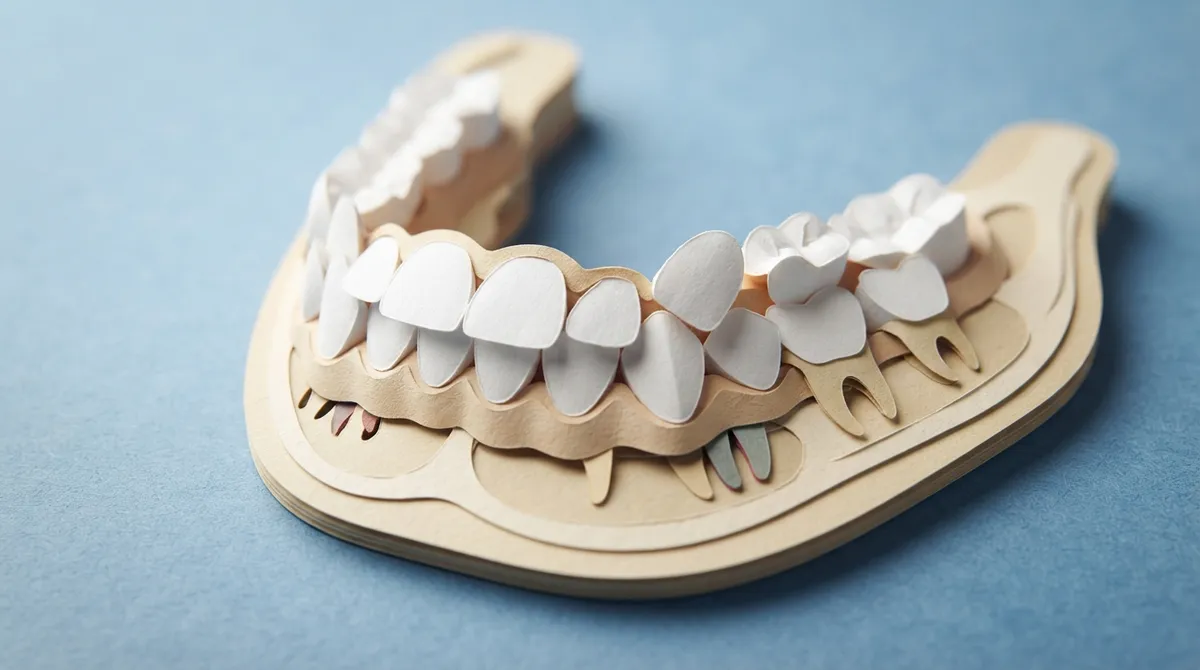
Crowding happens when there just isn’t enough room in your jaw for all your teeth. Picture trying to fit ten people into a car meant for seven. Something has to give, so teeth overlap, twist, or come in sideways.
This is one of the most common orthodontic problems we see, and it often runs in families. Losing baby teeth too early or having permanent teeth get stuck below the gum line can make it worse. Left alone, crowding can make brushing and flossing tricky, which raises your risk for cavities and gum trouble.
- Overlapping or twisted teeth
- Teeth that look bunched together up front
- Difficulty flossing between tight spaces
- Teeth erupting outside the normal arch line
Treatment usually involves braces or Spark™ Clear Aligners, sometimes paired with a little extra space-making first. Our crowded teeth fix options guide breaks down what typically works best.
2. Spacing and Gaps Between Teeth
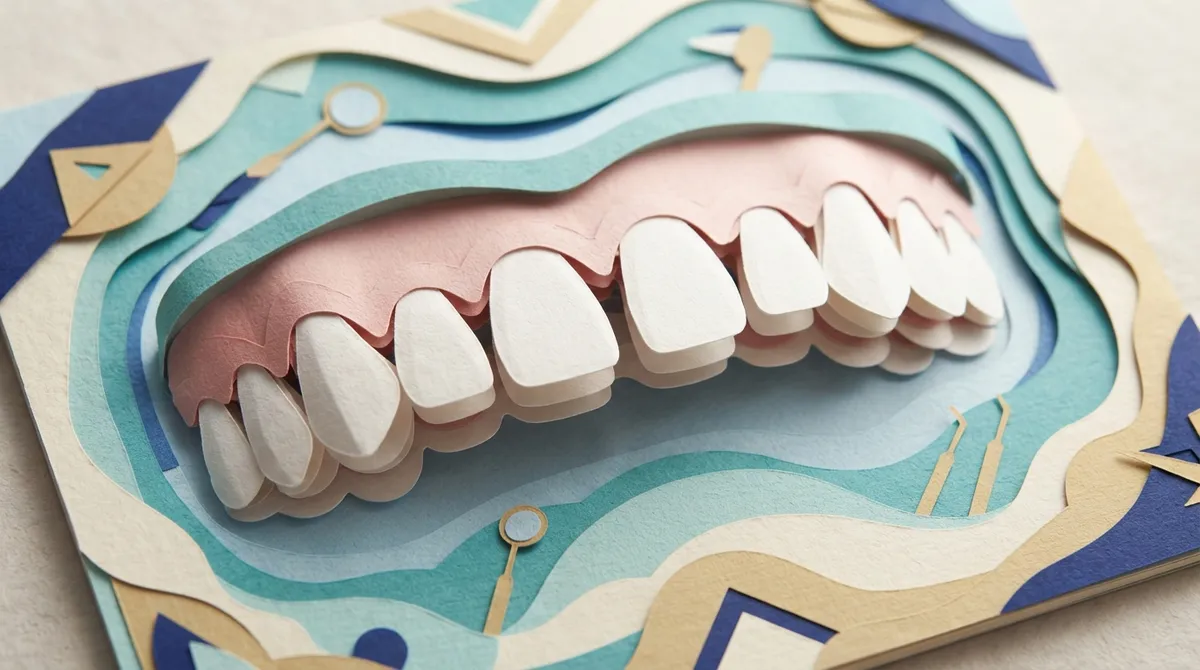
On the flip side, some people have too much room. Gaps, including that noticeable space between the two front teeth (called a diastema), can come from missing teeth, small teeth, or a stubborn bit of tissue called the frenum.
Gaps aren’t always a problem. But if they’re getting wider, affecting your bite, or bothering you socially, it’s worth an evaluation. Many teens ask us about closing gaps before big events like homecoming or graduation photos.
3. Overbite (Deep Bite)
An overbite means your top front teeth cover too much of your bottom teeth vertically. In mild cases, it’s barely noticeable. In severe cases, the lower teeth can actually bite into the roof of the mouth or gum tissue, which is uncomfortable and can wear teeth down over time.
We explain more about correction options in our article on how braces fix a deep overbite.
4. Overjet (Protruding Front Teeth)
People often confuse overjet with overbite, but they’re different. Overjet is a horizontal issue, meaning the top teeth stick out too far in front of the bottom teeth. This is sometimes called “buck teeth,” and it can raise the risk of chipping a front tooth during a fall or sports injury.
Thumb sucking, prolonged pacifier use, or jaw growth patterns can all contribute to overjet. Catching this early, especially in kids, can make treatment smoother down the road.
5. Underbite
An underbite is the reverse: the lower front teeth sit in front of the upper teeth. This is known as a Class III bite relationship, and it’s often inherited from a parent or grandparent.
Underbites can affect chewing, speech, and even facial appearance. Some milder cases respond well to braces or aligners, while more significant jaw discrepancies may need additional appliances. Our guide on underbite correction options covers this in more detail.
Quick Comparison: Overbite vs. Overjet vs. Underbite
| Condition | Direction of Issue | Common Concern |
|---|---|---|
| Overbite | Vertical (top over bottom) | Gum or palate irritation |
| Overjet | Horizontal (top teeth stick out) | Higher risk of tooth trauma |
| Underbite | Horizontal (bottom teeth forward) | Chewing and jaw strain |
6. Crossbite
A crossbite happens when one or more upper teeth sit inside the lower teeth instead of outside, where they should be. This can affect just the front teeth or the back teeth, and it’s sometimes linked to a narrow upper jaw.
If you notice your child’s jaw shifting to one side when they bite down, that’s worth mentioning at your next visit. Our article on how crossbite correction works explains the process step by step.
7. Open Bite
An open bite means some teeth don’t touch at all when the mouth is closed, leaving a visible gap. This can happen at the front or the back of the mouth. Thumb sucking, tongue thrusting, and certain jaw growth patterns are common culprits.
Open bites can make it hard to bite into foods like sandwiches or apples, and they sometimes affect speech too. The earlier a habit like thumb sucking is addressed, the easier correction tends to be.
8. Impacted or Ectopic Teeth
Sometimes a tooth just doesn’t come in where it should. It might stay stuck under the gum (impacted) or erupt in the wrong spot entirely (ectopic). Wisdom teeth are famous for this, but canines and other teeth can get stuck too.
This is why early treatment evaluations matter. Panoramic X-rays can spot a tooth that’s heading in the wrong direction long before it becomes a bigger issue.
9. Missing, Extra, or Undersized Teeth
Some people are simply born without certain teeth, while others have extra teeth crowding the mix. Undersized teeth (sometimes called peg laterals) can also throw off spacing and bite alignment.
These situations often need a team approach between your orthodontist and general dentist to make sure the whole smile comes together properly.
10. Orthodontic Relapse
Here’s one that catches a lot of adults off guard: relapse. This happens when teeth that were once beautifully straight start shifting again, usually because a retainer wasn’t worn as directed.
If you had braces as a teen and now notice your teeth drifting back toward their old positions, you’re definitely not alone. Many of our adult patients come to us for retreatment, feeling a little embarrassed, but there’s zero judgment here. Life happens, retainers get lost, and teeth move. The good news is that clear aligners make retreatment more discreet and comfortable than ever. Learn more about preventing this in our piece on retainer care and use.
Common Causes Behind These Orthodontic Problems
Most common orthodontic problems trace back to a mix of genetics and habits. Here’s a quick rundown of frequent contributors:
- Family history of crowded or misaligned teeth
- Thumb or finger sucking past toddler years
- Mouth breathing or chronic nasal congestion
- Early loss of baby teeth from decay or injury
- Tongue-thrust swallowing patterns
- Poor oral hygiene leading to dental disease
- Facial or jaw trauma
How Common Are These Problems, Really?
Numbers can help put things in perspective. Malocclusion prevalence varies quite a bit depending on where you live and how it’s measured.
| Region | Estimated Malocclusion Prevalence |
|---|---|
| Africa | ~81% |
| Europe | ~72% |
| The Americas | ~53% |
| Asia | ~48% |
A separate 2022 review found that most people naturally fall into a Class I bite pattern (about 52%), while Class II relationships (like overbites) show up in roughly 24% of cases, and Class III patterns (underbites) are less common at around 6.5%. These numbers shift depending on the population studied, but the takeaway is simple: if you’ve got a bite issue, you’re in very good company.
When Should You Get an Orthodontic Evaluation?
Timing matters, but it’s not as scary as it sounds. Here’s a simple step-by-step guide for when to seek an evaluation:
- Schedule a first check-up around age 7, even if teeth look fine, since this is when orthodontists can catch early warning signs.
- Watch for mouth breathing, thumb sucking past age 5, or speech changes, and bring these up with your dentist or orthodontist.
- Notice any jaw clicking, shifting, or pain when your child (or you) bites down, and get it checked promptly.
- Pay attention to teeth that erupt out of position or seem to be taking too long to come in.
- For teens and adults, watch for shifting teeth after previous orthodontic treatment, especially if a retainer hasn’t been worn consistently.
- Book a consultation if chewing feels difficult, or if you’re frequently biting your cheek or tongue.
Early evaluation doesn’t always mean starting treatment right away. Sometimes it just means keeping an eye on things until the timing is right. Our adolescent treatment and early treatment pages explain how we approach this with kids in Clearwater.
How Common Orthodontic Problems Are Diagnosed
A proper diagnosis goes beyond just glancing at your smile. At your first visit, our team typically looks at:
- A clinical exam of your teeth, bite, and jaw movement
- Digital scans or photographs (no messy molds needed)
- Panoramic X-rays to check root position and hidden teeth
- Facial growth patterns, especially for younger patients
We use modern 3D imaging tools to plan treatment precisely, which means fewer surprises and a clearer picture of what your finished smile will look like.
Treatment Options That Actually Work
The right treatment depends on your specific problem, your age, and your goals. Here are the most common paths patients take:
- Monitoring: For younger patients, sometimes watching growth patterns is the smartest first move.
- Habit correction: Simple appliances or guidance can stop thumb sucking or tongue thrusting before it causes lasting damage.
- Palatal expanders: These widen a narrow upper jaw, often used for crossbites in growing children.
- Traditional metal braces: A reliable, affordable option for even complex cases.
- Spark™ Clear Aligners: A nearly invisible option that’s more budget-friendly than some other clear aligner brands, great for teens and busy adult professionals.
- Retainers: Essential after active treatment to lock in your new smile and prevent relapse.
Not sure which path fits your life? Our services page lays out every option in plain language, and our team is always happy to walk you through the pros and cons in person.
Why Choose Brockway Orthodontics in Clearwater
Dr. Brockway isn’t just experienced. She genuinely enjoys getting to know each family who walks through our doors. She’ll take time to listen to your concerns, explain your options clearly, and make sure you never feel rushed or confused about your treatment plan.
We’re proud to serve Clearwater families with modern technology, including digital impressions and 3D imaging, plus same-day treatment options for those hectic schedules we all know too well. Whether you’re bringing in a seven-year-old for their first check-up or you’re an adult ready to finally fix that shifting smile, we’d love to help. You can also follow us on Instagram or check out our Facebook page to see real patient transformations and get a feel for our welcoming office vibe.
Curious what our patients think? Feel free to visit us on Google — Brockway Orthodontics and read through real reviews from families just like yours.
A Few Reassuring Reminders
Before we wrap up, let’s put a few worries to rest:
- Not every crooked tooth or small gap needs treatment. Function and health matter more than perfection.
- Orthodontic problems are incredibly common, so there’s no reason to feel embarrassed.
- Modern treatment options are more comfortable and often faster than what your parents may have experienced.
- Both the Florida Association of Orthodontists and the American Dental Association recommend early evaluations to catch issues while they’re easiest to treat.
Every smile tells a story, and yours deserves the right chapter. If you’ve noticed any of these common orthodontic problems in yourself or your child, don’t wait for things to get more complicated. Book your appointment online today and let’s start planning your best smile together, right here in Clearwater.
FAQs
Q: What are the most common orthodontic problems?
A: The most common ones we see are crowding, spacing, overbites, overjets, underbites, crossbites, and open bites. Almost everyone has at least a mild version of one of these, so you’re definitely not alone if you spot one in your own smile!
Q: What is the difference between an overbite and an overjet?
A: Great question, since these two get mixed up all the time! An overbite is a vertical thing, meaning your top teeth cover too much of your bottom teeth, while an overjet is horizontal, meaning your top teeth stick out too far forward.
Q: Can an underbite or crossbite correct itself without treatment?
A: Unfortunately, these usually need some help from an orthodontist rather than fixing themselves. The good news is that catching them early, especially in kids, often makes treatment simpler and quicker.
Q: At what age should a child have an orthodontic evaluation?
A: We recommend around age 7, even if their smile looks totally fine to you. This gives us a chance to spot sneaky issues early, though it doesn’t always mean starting treatment right away.
Q: Why do teeth shift after braces, and how can I prevent it?
A: This happens when a retainer isn’t worn as often as it should be, since teeth naturally want to drift over time. Wearing your retainer consistently, especially at night, is honestly the simplest way to keep your smile exactly where you love it.
Our Service Area