Key Takeaways
-
Retention is a lifelong commitment, not a quick finish line—teeth naturally shift over time due to aging, chewing forces, and periodontal tissue remodeling, requiring indefinite nighttime retainer wear for most patients.
-
Vivera retainers are about 30% stronger and twice as durable as other leading clear retainer materials, making them a more durable choice for daily wear despite higher cost compared to other options.
-
Follow a wear schedule of full-time use for the first few months post-treatment, then gradually transition to nighttime-only wear indefinitely, but never change your schedule without consulting your orthodontist.
-
Replace your clear retainer every one to three years if you notice cracks, cloudiness, loose fit, or discomfort, as a poorly fitting retainer cannot effectively hold teeth in place.
-
Protect your retainer by storing it in its case when not in use, cleaning with lukewarm water only (not toothpaste or hot water), and avoiding eating or drinking anything except water while wearing it.
-
Research shows that part-time wear of 8-10 hours per night is sufficient for retention in many cases, and consistent compliance significantly impacts long-term relapse rates, ranging from 10% to 90% depending on patient habits.
You did it! Your Invisalign treatment is finished, and your smile looks amazing. But here’s a little secret nobody tells you enough: the real work of keeping that smile straight starts now. Your Invisalign retainer is the quiet hero that protects everything you just worked so hard to achieve. Skip it, and your teeth may slowly drift back to where they started.
At Brockway Orthodontics in Clearwater, we see this all the time. Patients finish their clear aligner treatment feeling thrilled, then wonder why their retainer matters so much. This friendly guide will walk you through everything about invisalign retainers, from wear schedules to cleaning tips, so you can protect your investment for years to come. Whether you’re a parent guiding your teen through this final step, or an adult who just finished treatment, we’ve got you covered.
What Is an Invisalign Retainer, Exactly?
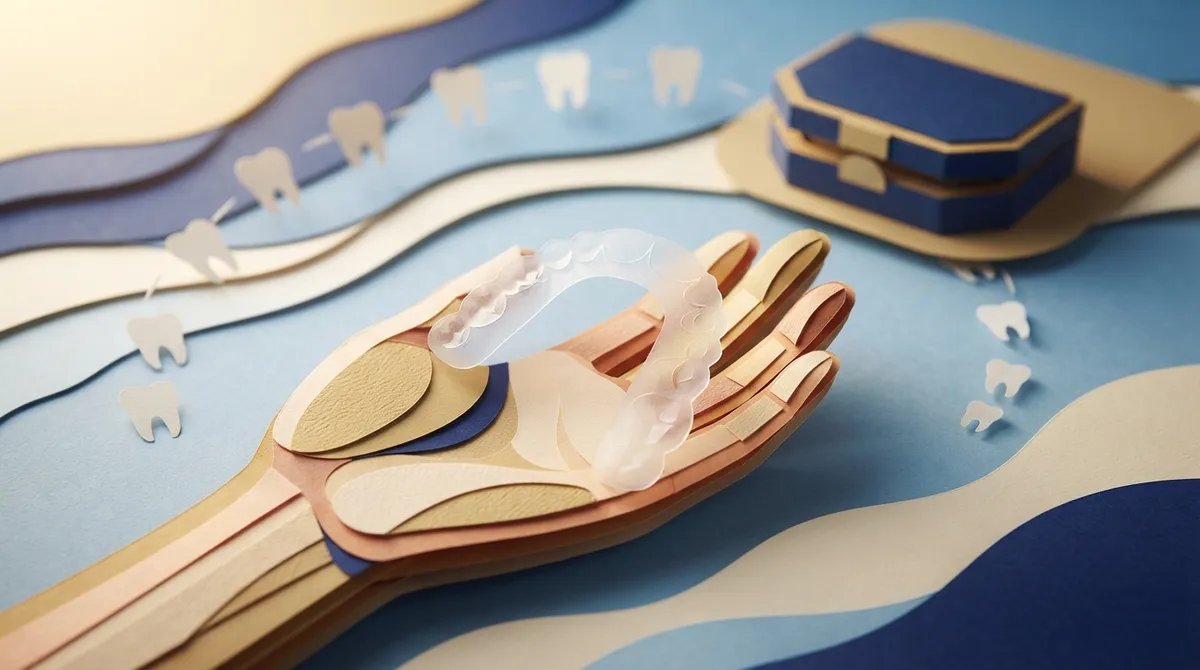
An invisalign retainer is not the same thing as your treatment aligners. Your aligners actively moved your teeth into new positions. A retainer, on the other hand, holds your teeth in place once treatment is done. Think of aligners as the movers and the retainer as the security guard keeping everything settled.
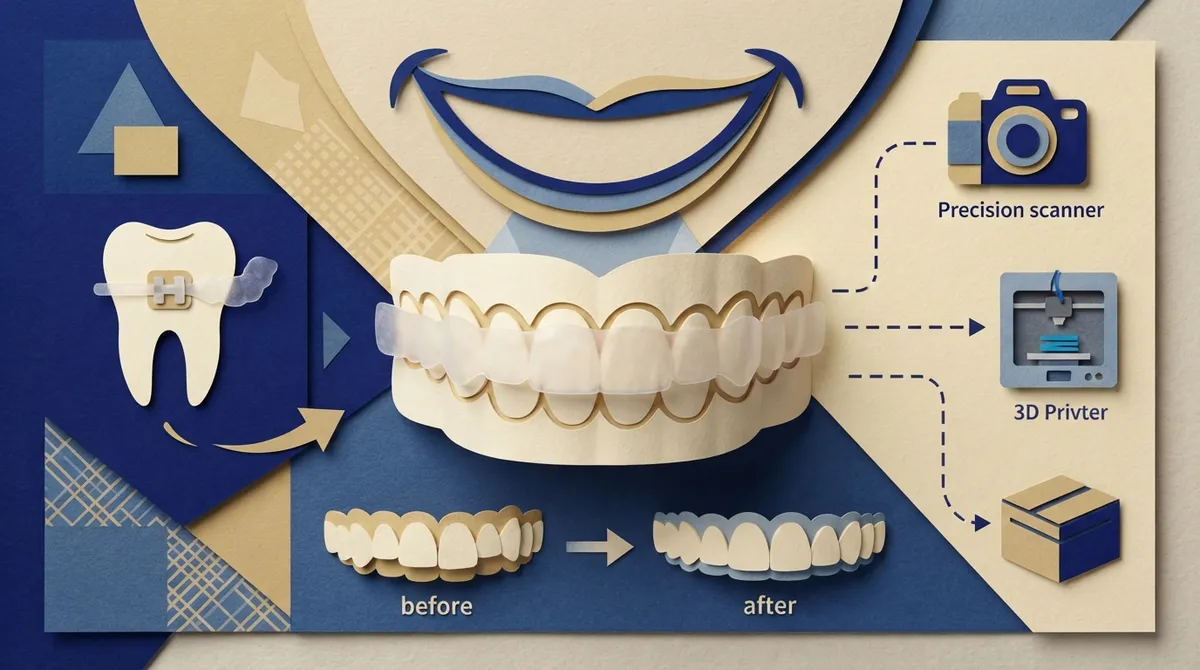
Invisalign’s own retainer product is called Vivera. These are clear, removable trays made from a thicker material than standard aligners. Other retention options include vacuum-formed Essix-style retainers, wire-based Hawley retainers, and fixed bonded retainers glued behind your teeth. Your orthodontist will recommend the option that fits your specific bite and lifestyle.
Why Teeth Shift After Treatment
It might seem unfair that teeth can move even after braces or aligners are done, but there’s real science behind it. Here are common reasons your smile can shift over time:
- Natural aging causes gradual changes in your jaw and gums
- Chewing forces put constant pressure on your teeth
- Periodontal tissue remodels slowly, even after treatment ends
- Wisdom teeth can push against your other teeth
- Grinding or clenching adds extra stress to your bite
This is why the American Dental Association and orthodontic experts agree that retention is a long-term commitment, not a quick finish line.
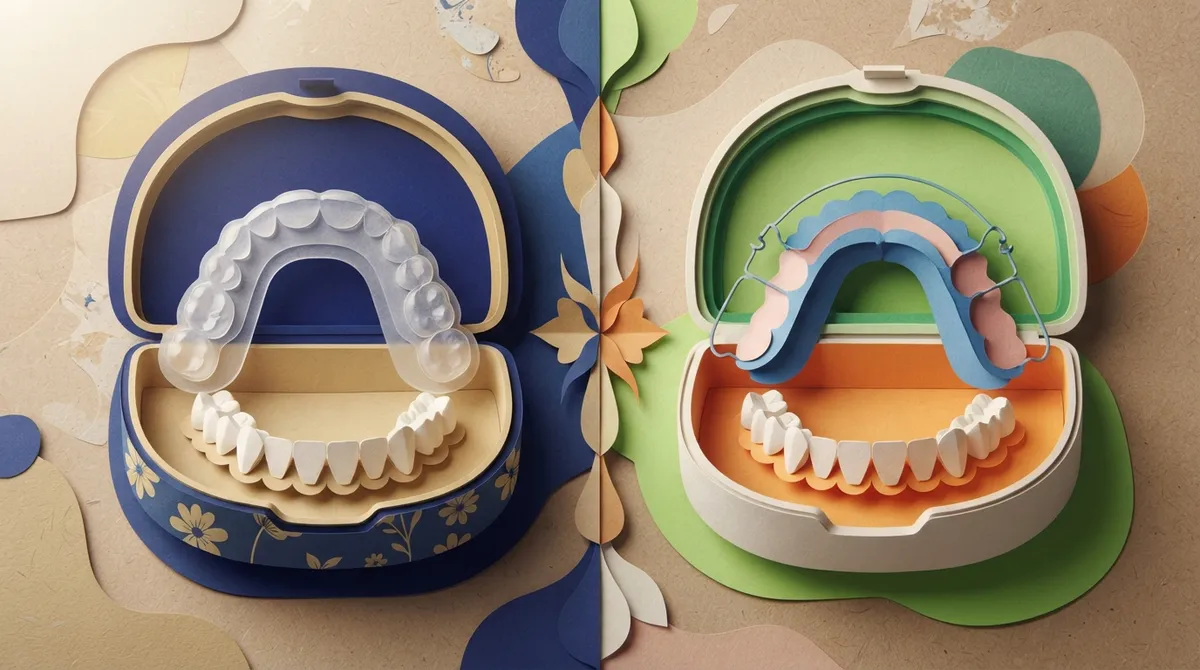
Vivera Retainers vs. Other Options
Choosing the right retainer depends on your treatment, your habits, and what your orthodontist recommends. Here’s a simple breakdown of the most common choices.
| Retainer Type | Material | Removable? | Best For |
|---|---|---|---|
| Vivera (Invisalign) | Thick clear plastic | Yes | Discreet, durable everyday wear |
| Essix-style | Vacuum-formed plastic | Yes | Budget-friendly clear option |
| Hawley | Acrylic and wire | Yes | Long-lasting, adjustable fit |
| Fixed bonded | Thin metal wire | No | Continuous, hands-free retention |
Invisalign states that Vivera retainers are about 30% stronger and twice as durable as other leading clear retainer materials. Keep in mind these are manufacturer claims, but many patients do appreciate the extra durability for daily wear. Learn more about your options on our retainers page.
Fixed vs. Removable: Which Wins?
A 2018 systematic review found that fixed retention was more effective than removable retention for keeping front teeth aligned during the first six months. However, the same review found no major difference between vacuum-formed and Hawley retainers overall. Many patients actually receive both a fixed and a removable retainer for extra protection.
How Long Do You Need to Wear It?
This is probably the most common question we hear. The honest answer is that retention is usually a lifelong habit, though the schedule changes over time. Here is a general timeline many orthodontists follow:
- Full-time wear for the first few months right after treatment ends
- Gradual transition to nighttime-only wear
- Indefinite nighttime wear to maintain your results long term
- Periodic check-ins with your orthodontist to confirm proper fit
Your exact schedule depends on your age, how complex your treatment was, and how your teeth respond. Never change your wear schedule without talking to your provider first. If you’re unsure what schedule fits your situation, our team can walk you through it during a visit. Feel free to contact us with any questions about your specific retainer plan.
Caring for Your Invisalign Retainer
Good habits make a huge difference in how long your retainer lasts and how well it works. Follow these simple steps every day:
- Brush and floss your teeth before inserting your retainer
- Rinse the retainer with lukewarm water after removing it
- Clean it gently as directed by your orthodontist
- Store it in its case whenever it’s not in your mouth
- Avoid eating or drinking anything except water while wearing it
- Insert it gently with your fingers, never by biting down
Heat is your retainer’s worst enemy. Hot water, hot cars, dishwashers, and heaters can all warp the plastic. A warped retainer may no longer fit correctly, which means it can’t do its job protecting your smile.
Common Cleaning Mistakes to Avoid
Many patients accidentally damage their retainers without realizing it. Watch out for these mistakes:
- Using toothpaste to clean the retainer, which can scratch the plastic
- Soaking it in hot water to “sanitize” it
- Leaving it wrapped in a napkin, where it can get thrown away
- Forgetting to bring the case to school, work, or restaurants
- Letting pets chew on it when it’s left out on a counter
When to Replace Your Retainer
Clear retainers don’t last forever. Most clear thermoplastic retainers need replacing after roughly one to three years, though this varies based on how well you care for it. Watch for these signs that it’s time for a new one:
- Cracks or visible damage in the plastic
- Cloudy or discolored appearance
- A loose fit that wasn’t there before
- Discomfort or pressure that feels different than usual
- Difficulty seating it fully over your teeth
If your retainer no longer fits properly, don’t wait to deal with it. A poorly fitting retainer may not hold your teeth in place, and delaying replacement could allow shifting to happen. Reach out to your orthodontist right away if you notice any of these warning signs.
What About Cost?
Retainer pricing varies depending on your provider and location. Many U.S. dental practices list clear retainer sets in the range of $150 to $400, though Invisalign’s Vivera pricing is provider-specific and sometimes bundled with your original treatment plan. Some practices also offer retainer warranties or replacement programs, so it’s worth asking about your options. Our financing and insurance page has more details on how we help make orthodontic care affordable for Clearwater families.
Staying Consistent: Why Compliance Matters
Research shows that how consistently you wear your retainer really affects your results. Studies estimate long-term compliance for removable retainers averages around 60% to 75%, while clear thermoplastic retainer acceptance sits closer to 70% to 85%. Interestingly, part-time wear of about 8 to 10 hours per night was found to be sufficient in several studies reviewed. Still, every patient is different, and your orthodontist’s specific instructions should always come first.
Relapse rates reported across studies range widely, from 10% up to 90%, depending on the type of malocclusion, treatment method, and how well patients stuck to their retention plan. This wide range shows just how much your own habits matter. Wearing your retainer as instructed is one of the simplest ways to protect your investment in your smile.
Fixed Bonded Retainers: A Closer Look
Some patients receive a fixed retainer instead of, or in addition to, a removable one. This thin wire is bonded to the back of your front teeth and provides constant support without any daily effort. However, fixed retainers require extra care during brushing and flossing, since food and plaque can build up around the wire. Your orthodontist will check periodically for any wire fractures or loosening during regular visits.
Many patients love fixed retainers because there’s nothing to remember to wear. Others prefer removable options for easier cleaning. Dr. Brockway will help you weigh the pros and cons based on your bite, your daily routine, and your long-term goals. You can learn more about Dr. Brockway’s approach to personalized care and how she tailors every treatment plan to the individual.
Signs Your Retainer Needs a Check-Up
Even a well-fitting retainer benefits from occasional professional review. Consider scheduling a visit if you notice any of the following:
- A tighter or looser feeling than when you first got it
- Visible wear, cracking, or cloudiness
- Difficulty snapping it into place like before
- Soreness or discomfort after wearing it
- It’s been over a year since your last retainer check
Routine visits help catch small issues before they turn into bigger, more expensive problems. Our team can quickly assess your retainer’s fit and function during a simple appointment.
Why Choose Brockway Orthodontics for Retention Care
Retention is just as important as the active phase of your treatment, and we treat it that way. Whether you finished treatment with us or somewhere else, our Clearwater office can evaluate your current retainer and recommend next steps. We offer a full range of orthodontic services, including Spark™ Clear Aligners, traditional metal braces, and ceramic braces, so we understand how different treatments affect your retention needs.
Dr. Brockway believes education is empowering. That’s why our team takes time to explain exactly how to care for your retainer, using simple language and real answers to your questions. We also use modern technology, including digital impressions and 3D imaging, to make sure your retainer fits perfectly from day one. For general guidance on retention standards, the Florida Association of Orthodontists offers helpful resources for patients across the state.
Curious what other Clearwater patients think about their experience? You can visit us on Google — Brockway Orthodontics to read real reviews from our community. We’re proud to be a trusted name in orthodontic care, and we’d love to help you protect your smile for the long run.
Simple Daily Habits for Retainer Success
Building small habits now can save you time and money later. Try these tips to make retainer wear feel effortless:
- Keep your case in the same spot every night, like your nightstand
- Set a phone reminder if you tend to forget nighttime wear
- Pack a travel case in your bag for trips or sleepovers
- Rinse your retainer first thing every morning
- Bring your retainer to every dental cleaning for a quick check
These little routines add up to big results. Consistency is truly the secret ingredient behind a lifetime of straight, healthy teeth.
Ready to Protect Your Smile?
Your Invisalign retainer is a small appliance with a big job: keeping your smile exactly where you want it. Whether you need a replacement, a fit check, or just have questions about your wear schedule, our Clearwater team is here to help. Follow us on Instagram or Facebook for more smile tips and patient stories from our community.
Don’t wait until your retainer feels loose or damaged to take action. Book appointment online today and let our friendly team help you keep your smile beautiful for years to come.
FAQs
Q: How long should I wear my Invisalign retainer after finishing treatment?
A: Most patients wear their retainer nearly full-time for the first few months, then switch to nighttime-only wear. This nighttime habit usually continues indefinitely to keep your smile in place. Your orthodontist will give you a specific schedule based on your treatment and bite.
Q: Do I really need to wear my retainer every night for life?
A: Yes, in most cases! Teeth can naturally shift over time due to aging, chewing forces, and other factors, even years after treatment. Sticking with nighttime wear is a small habit that protects your smile for the long haul.
Q: How often should I replace my Invisalign retainer?
A: Clear retainers typically last one to three years, depending on how well you care for them. Watch for cracks, cloudiness, or a looser fit, and reach out to your orthodontist if anything feels off.
Q: Can I eat or drink while wearing my retainer?
A: It’s best to remove your retainer for anything except water. Eating or drinking with it in can trap food, stain the plastic, and even warp it if the drink is hot. Just pop it out, enjoy your meal, then clean and reinsert it.
Q: What should I do if my retainer no longer fits?
A: Don’t wait around if your retainer feels tight, loose, or hard to seat properly. Contact your orthodontist right away, since a poor fit means it may not be doing its job. Quick action can prevent unwanted shifting.
Our Service Area