Key Takeaways
-
Fixed upper retainers fail at rates of 35-38%, with failure rates climbing to over 50% at the six-year mark, so regular orthodontic checkups are essential to catch loose wires before teeth shift.
-
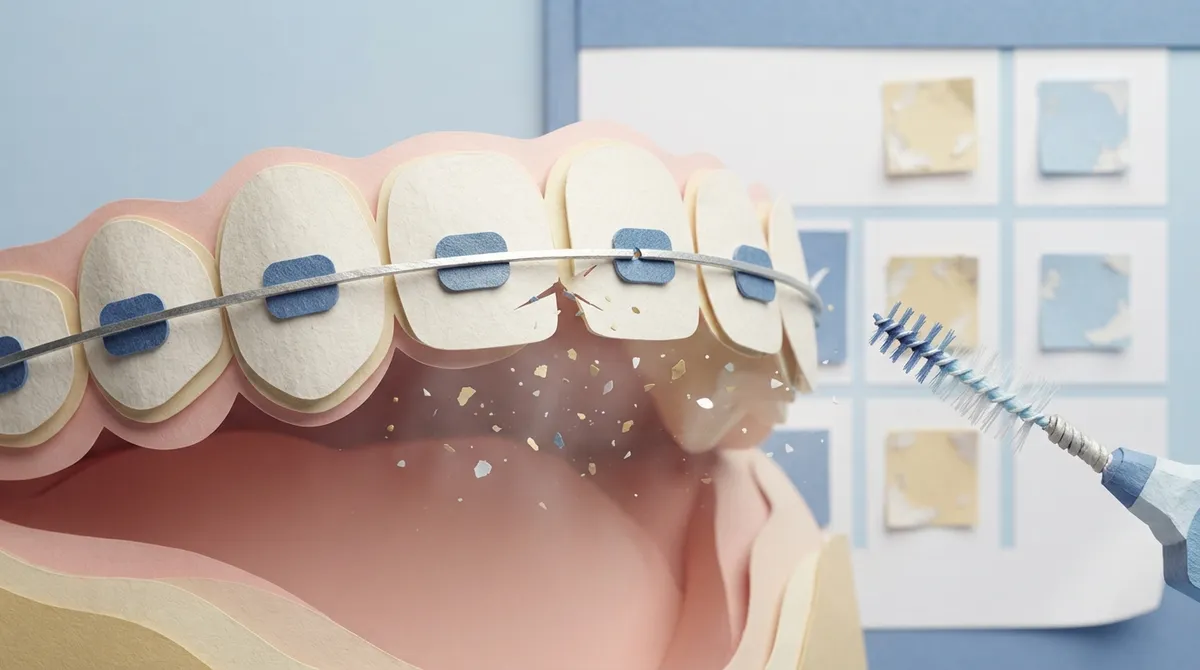
Use floss threaders or interdental brushes daily to clean underneath the wire, as plaque buildup around bonded retainers is harder to reach and can lead to cavities or gum irritation.
-
Call your orthodontist immediately if your retainer comes loose or breaks—don't attempt to fix it yourself, as delayed repair can allow teeth to shift within just a few weeks.
-
Upper permanent retainers work best for patients with significant relapse risk, those who struggle with removable retainer compliance, and anyone who can't wear them due to bite interference concerns.
-
Bonded retainers and removable retainers perform equally well for upper teeth alignment, but bonded options collect more plaque after one year, requiring stricter home care habits.
-
A permanent retainer is a viable option after clear aligner treatment, offering the same discreet, low-maintenance protection as after traditional braces.
So you just got your braces off, or maybe you finished your Spark™ clear aligner treatment, and now your orthodontist is talking about a permanent retainer for your upper teeth. First of all, congratulations! Your new smile deserves to stay put, and that’s exactly why this little wire matters so much. Let’s walk through everything you need to know, in plain, friendly language, so you feel confident and ready for this next step.
At Brockway Orthodontics, we’ve helped countless patients across Clearwater, Florida protect their hard-earned results with retainers that fit their lifestyle. Whether you’re a parent helping your teen through this process, an adult professional who wants a discreet solution, or someone getting retreatment after a relapse, this guide is for you.
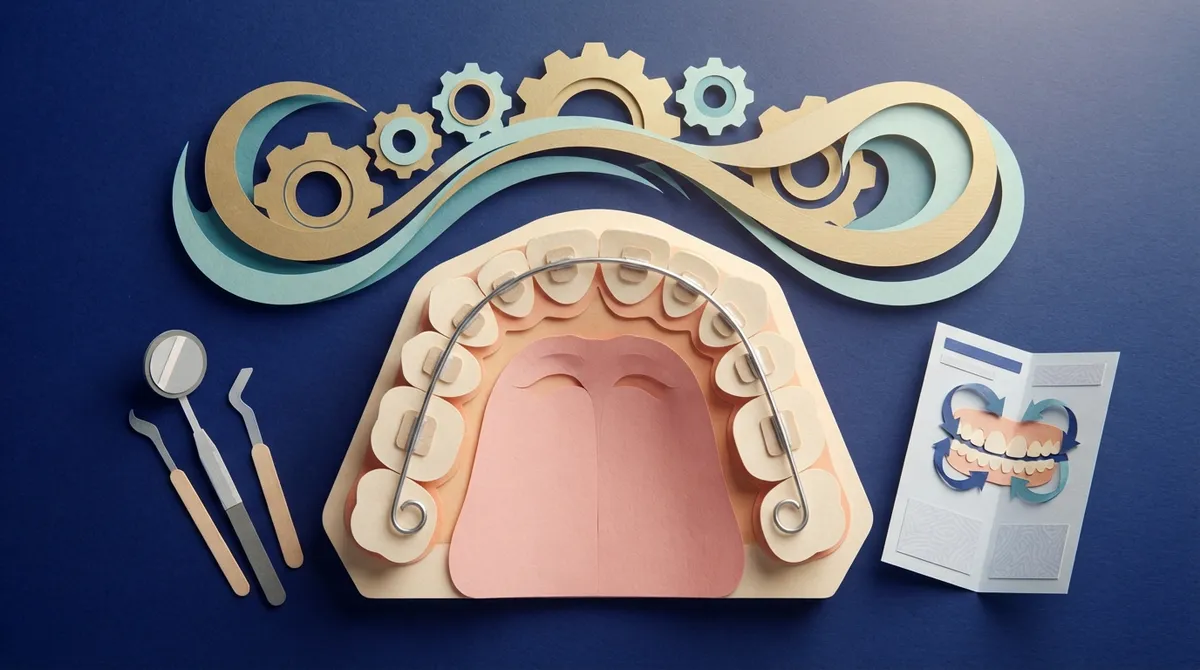
What Is a Permanent Retainer for Upper Teeth?
A permanent retainer, sometimes called a fixed or bonded retainer, is a thin wire. It gets glued onto the back of your upper front teeth. Most often, it stretches from one canine tooth to the other, right behind your smile where nobody can see it.
Its job is simple: keep your teeth from drifting back to their old positions. Teeth can shift throughout your entire adult life, not just right after braces. That’s why retention is really a long-term commitment, not a quick fix with an expiration date.
Unlike a removable retainer you pop in and out, this one stays attached to your teeth all day, every day. You don’t have to remember to wear it. It’s just there, quietly doing its job while you go about your life.
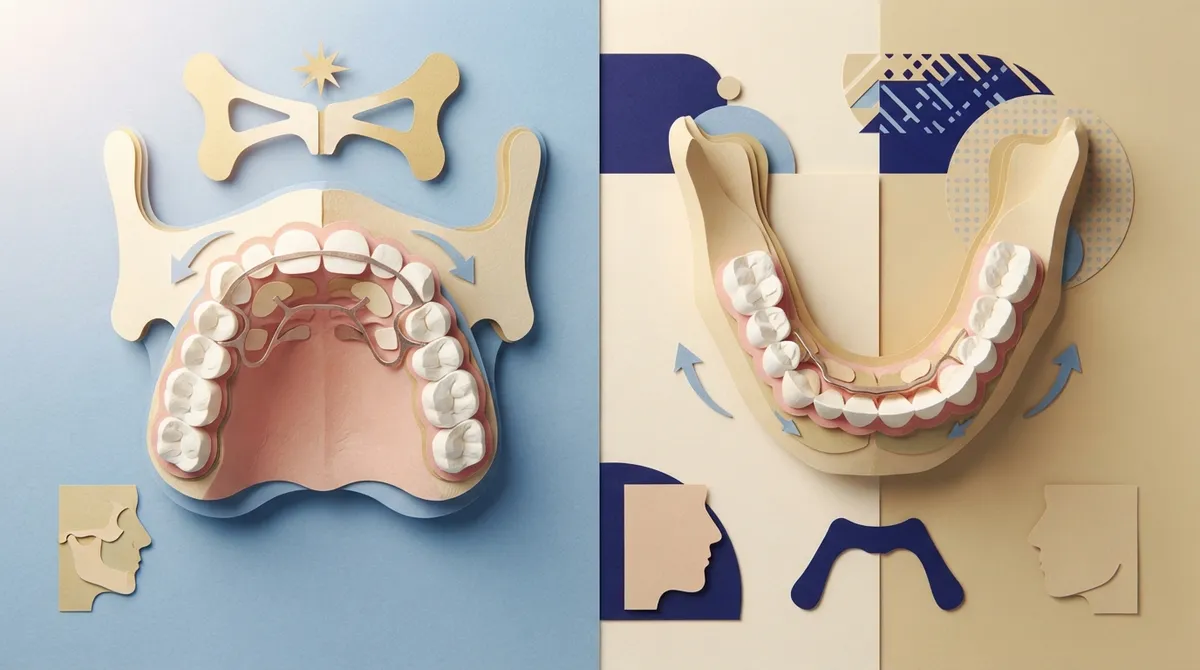
Why Upper Retainers Work a Bit Differently Than Lower Ones
Here’s something worth knowing: fixed retainers show up more often on the bottom teeth than the top. Why? Because the upper wire sits behind your front teeth, right where your lower teeth might bump into it when you bite down.
This means your orthodontist has to think carefully about your bite before recommending an upper bonded retainer. Some patients are great candidates. Others might do better with a removable option instead. This is exactly the kind of personalized decision Dr. Brockway walks through with every patient during a consultation visit.
Who Typically Needs an Upper Fixed Retainer
- Patients who had significant gaps or crowding before treatment
- Adults returning for retreatment after their teeth shifted back (this happens more than you’d think)
- People who struggle to remember wearing a removable retainer consistently
- Anyone considered at higher risk for their smile relapsing over time
The Real Benefits of a Bonded Upper Retainer
Let’s talk about why so many people love this option once they get used to it. There’s a lot to appreciate here, especially if you’re someone who juggles a busy schedule.
- You can’t lose it. No more searching your bag or bathroom counter for a missing retainer case.
- It works around the clock. You don’t have to remember to put it in after meals or before bed.
- It’s invisible to others. Since it sits behind your teeth, nobody notices it during conversations or when you smile for photos.
- It’s great for busy people. Teens juggling school and sports, or professionals with packed calendars, don’t have to think about it daily.
For teenagers and young adults especially, not having to remember a removable retainer can be a huge relief. Life gets busy, and this hands-off approach takes one more thing off your plate.
Things You Should Watch Out For
Now let’s be honest, because that’s what good care is all about. A permanent retainer isn’t maintenance-free. It does require some extra attention to keep things healthy.
Research gives us some helpful numbers here. A 2023 systematic review found that fixed bonded retainers fail at a rate of about 35% overall. That failure rate climbs the longer you have the retainer, from around 24% in the short term to over half at the six-year mark. For upper retainers specifically, failure rates hovered around 37 to 38%.
These numbers aren’t meant to scare you. They’re meant to help you understand why regular checkups matter so much. A retainer can come loose on one end while still looking fine on the other side, quietly letting a tooth shift without you noticing right away.
| Potential Issue | Why It Happens | What You Can Do |
|---|---|---|
| Plaque buildup around the wire | Hard to reach with a regular toothbrush | Use floss threaders or interdental brushes daily |
| Wire or bonding breakage | Biting hard foods or normal wear over time | Call your orthodontist right away, don’t wait |
| Gum irritation | Plaque accumulation near the gumline | Get professional cleanings and checkups regularly |
| Unnoticed tooth movement | Partial detachment goes unreported | Schedule routine orthodontic reviews |
How to Clean Around Your Upper Permanent Retainer
Good news: cleaning a permanent retainer isn’t complicated once you get the hang of it. It just takes a little more care than brushing alone.
- Brush normally with fluoride toothpaste, angling your brush to reach behind the wire.
- Use a floss threader or orthodontic floss pick to get underneath the wire every single day.
- Try an interdental brush for tight spots between teeth where floss struggles to reach.
- Rinse with an antimicrobial mouthwash if your orthodontist recommends one.
- Keep up with regular dental cleanings, even though you have a retainer in place.
The American Dental Association reminds patients that consistent oral hygiene habits are the foundation of a healthy mouth, and that’s especially true when you have hardware like a bonded retainer. Skipping these steps can lead to decalcification or even cavities near the wire.
What If Your Retainer Comes Loose or Breaks?
This happens more often than people expect, so don’t panic if it happens to you. Here’s what to do, and just as importantly, what not to do.
- Don’t try to bend, remove, or fix the wire yourself.
- Don’t ignore it, even if it doesn’t hurt.
- Do call your orthodontic office as soon as you notice it’s loose.
- Do mention any sharp edges poking your tongue or cheek.
Delaying repair can allow your teeth to shift, sometimes within just a few weeks. That can mean more complicated (and expensive) treatment down the road. If you’re dealing with a loose or broken retainer, our team can walk you through what to do if your retainer breaks so you know exactly how to handle it.
Fixed vs. Removable: Which One Fits Your Life?
There’s no single answer that works for everyone. It really comes down to your relapse risk, your bite, your hygiene habits, and how reliable you are with wearing something removable.
| Factor | Fixed Upper Retainer | Removable Retainer |
|---|---|---|
| Compliance needed | None, it’s always there | High, must wear as directed |
| Visibility | Invisible from the front | Can be clear or barely visible |
| Cleaning difficulty | Requires extra tools like floss threaders | Easy to remove and clean separately |
| Risk of loss | Very low | Higher, especially for teens |
| Bite interference risk | Possible in some cases | Rare |
A 2019 clinical practice guideline suggests removable retainers for patients with low relapse risk, fixed retainers for moderate risk, and a combination of both for those at high risk. Your orthodontist will factor in your specific history and habits when making this recommendation, something Dr. Brockway takes seriously with every patient’s personalized retainer plan.
Interesting research also shows that bonded and removable retainers perform similarly well for keeping upper teeth aligned
A 2025 review found low-to-moderate certainty evidence that both options work about equally well in the upper arch. However, the same review noted that bonded retainers tend to collect more plaque and calculus after a year compared to removable ones. This is exactly why home care and regular professional monitoring matter so much, no matter which retainer you choose.
Can You Get a Permanent Retainer After Clear Aligners?
Absolutely. Whether you finished treatment with traditional braces or with Spark™ Clear Aligners, a bonded retainer is still an option worth discussing. Clear aligner patients sometimes assume retention works differently, but the same principles apply. Your teeth can shift after aligner treatment just like after braces, so protecting your results matters either way.
Many of our adult patients who chose clear aligners for a more discreet treatment appreciate that a permanent retainer keeps that same low-profile feel going forward. It’s a natural next step that fits the lifestyle they wanted from the start.
What to Expect at Your Retainer Checkup
Regular follow-up visits are part of responsible retention care. During these visits, your orthodontist will check that the wire is still firmly bonded, look for any signs of plaque buildup or gum irritation, and confirm your teeth haven’t shifted.
These visits don’t need to happen constantly, but skipping them entirely isn’t a good idea either. Think of it like a car checkup. You don’t need one every week, but ignoring it for years can lead to bigger problems.
Why Clearwater Families Trust Brockway Orthodontics for Retention Care
Dr. Brockway believes education is just as important as treatment. That’s why our team takes the time to explain your retainer options clearly, answer your questions honestly, and make sure you feel confident caring for your new smile long after your braces or aligners come off.
We use modern technology, including digital impressions and 3D imaging, to plan retention that fits your unique bite and treatment history. And because we know life gets busy, we offer flexible scheduling and, in certain cases, same-day services so you’re never left waiting with a loose retainer. You can learn more about our approach on our services page, or see what real patients say by visiting us on Google.
Curious what other Clearwater patients think of their experience with us? Visit us on Google — Brockway Orthodontics to read reviews from families just like yours. You can also follow along on Instagram or connect with us on Facebook for smile tips and behind-the-scenes updates from our office.
Final Thoughts on Protecting Your Smile
A permanent retainer for your upper teeth is a smart, low-maintenance way to protect the smile you worked so hard to achieve. It’s not perfect for everyone, and it does require some extra cleaning attention, but for many patients, it’s the easiest way to keep their teeth exactly where they belong.
If you’re wondering whether an upper fixed retainer, a removable option, or a combination is right for you, we’d love to help you figure it out. Our team, guided by the expertise referenced by the Florida Association of Orthodontists, is here to give you honest, personalized guidance every step of the way.
Ready to talk retainers or start your orthodontic journey? Book your appointment online today, or feel free to get in touch with our team with any questions. Your smile deserves to last a lifetime, and we’re honored to help protect it.
FAQs
Q: How long should a permanent retainer stay on upper teeth?
A: Many orthodontists recommend keeping it on for years, sometimes for life, since teeth can shift at any age. Your Brockway Orthodontics team will check on it regularly and let you know if anything needs adjusting.
Q: Is a permanent retainer on the upper teeth better than a removable one?
A: Neither option is universally better. It really depends on your bite, relapse risk, and how consistent you are with wearing something removable, so we’ll help you decide together.
Q: How do you floss and clean around an upper permanent retainer?
A: You’ll want to use a floss threader or interdental brush daily to get underneath the wire, plus brush carefully with fluoride toothpaste. It takes a little extra time, but it becomes a quick habit.
Q: What should I do if my upper permanent retainer comes loose?
A: Don’t try to fix it yourself or ignore it, even if it doesn’t hurt. Call our office right away so we can repair it before your teeth have a chance to shift.
Q: Can I get a permanent retainer after clear aligners instead of braces?
A: Yes, absolutely! Whether you finished with Spark™ Clear Aligners or traditional braces, a bonded retainer is still a great option to help protect your new smile.
Our Service Area