Key Takeaways
-
Teeth can respond to guided movement well into your 40s, 50s, and beyond if your gums and supporting bone are healthy, making age irrelevant for orthodontic candidacy.
-
Clear aligners require 20-22 hours daily wear to be effective; research shows 65% average rotational accuracy, while braces provide more predictable control for complex tooth movements.
-
Adult treatment averages 22 months but takes longer than teen treatment due to fully matured bone, previous dental work, and gum health factors that affect movement speed.
-
Straighter teeth are easier to clean and prevent plaque buildup in crowded areas, reducing cavity and gum disease risk while fixing jaw strain and uneven tooth wear.
-
Long-term retainer wear indefinitely (full-time for months, then nightly) is essential to prevent relapse, as teeth naturally shift throughout life even after active treatment ends.
-
Modern options include clear aligners, ceramic braces, and traditional metal braces; choose based on bite complexity, visibility preferences, and lifestyle rather than age alone.
Ever look in the mirror and wish your teeth were just a little straighter? You’re definitely not alone. Nearly 2 million adults in the U.S. are currently wearing braces or clear aligners, and that number keeps climbing every year. Whether you’re a busy professional tired of hiding your smile in meetings, a parent who put your own dental care on hold to focus on your kids, or someone who had braces as a teen but noticed things have shifted back, orthodontic treatment for adults is more popular—and more approachable—than ever.
Here’s the good news: there’s no expiration date on getting the smile you want. Your teeth, gums, and jawbone can respond to gentle, guided movement well into your 40s, 50s, and beyond. At Brockway Orthodontics, we see adults from all walks of life walk through our doors every week, ready to invest in themselves. Let’s talk about what adult orthodontic treatment really looks like, what your options are, and how to know if it’s time to take that first step.
Can Adults Really Benefit From Orthodontic Treatment?
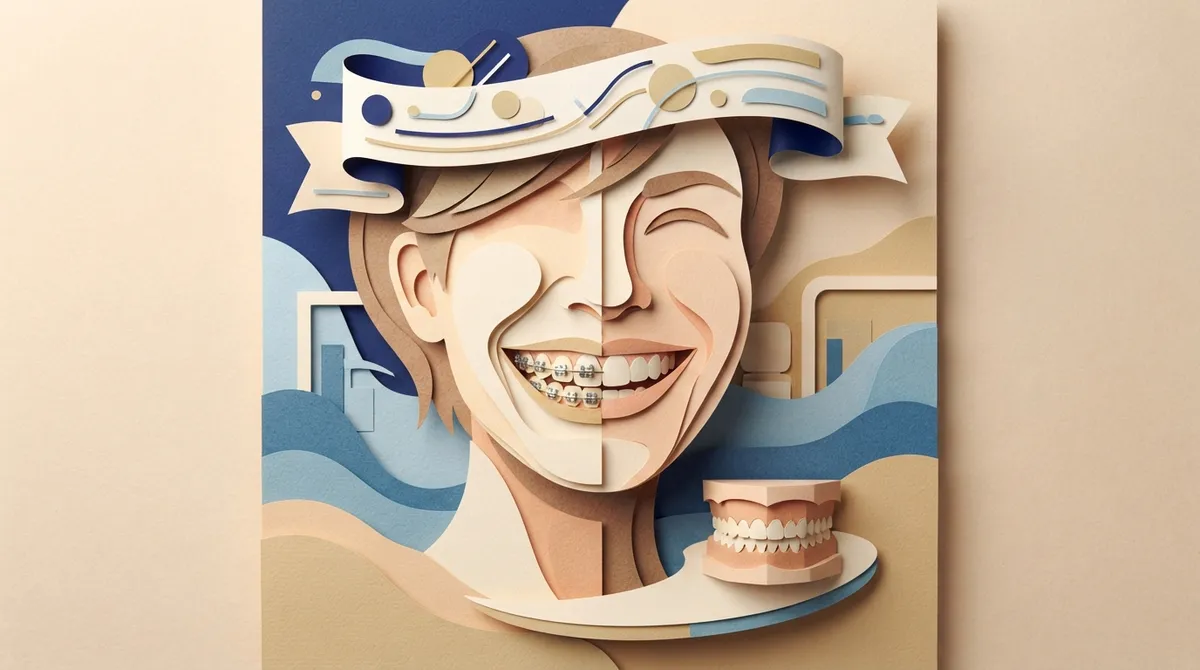
Absolutely. Age isn’t the deciding factor here—your oral health is. As long as your teeth, gums, and supporting bone are healthy enough to handle movement, you’re a good candidate. That’s true whether you’re 28 or 68. Orthodontic treatment can fix crowding, gaps, overbites, underbites, crossbites, and open bites. It can also correct rotated teeth and improve how your bite functions overall.
Beyond the cosmetic boost, straighter teeth are simply easier to clean. Crowded or overlapping teeth create hiding spots for plaque and food particles, which can lead to cavities and gum disease down the road. Fixing your bite can also ease jaw strain and uneven tooth wear that builds up over years of misalignment.
Signs It Might Be Time for a Consultation
Not sure if adult orthodontic treatment is right for you? Here are a few common signs we hear from patients:
- Your teeth have shifted since you last had braces as a teen
- You struggle to floss certain areas because teeth overlap
- You notice uneven wear on your teeth or jaw discomfort when chewing
- You feel self-conscious about your smile in photos or at work
- A dentist has mentioned bite issues during a routine checkup
If any of these sound familiar, it’s worth scheduling your first visit to talk through your goals with a professional.
What Are Your Treatment Options as an Adult?
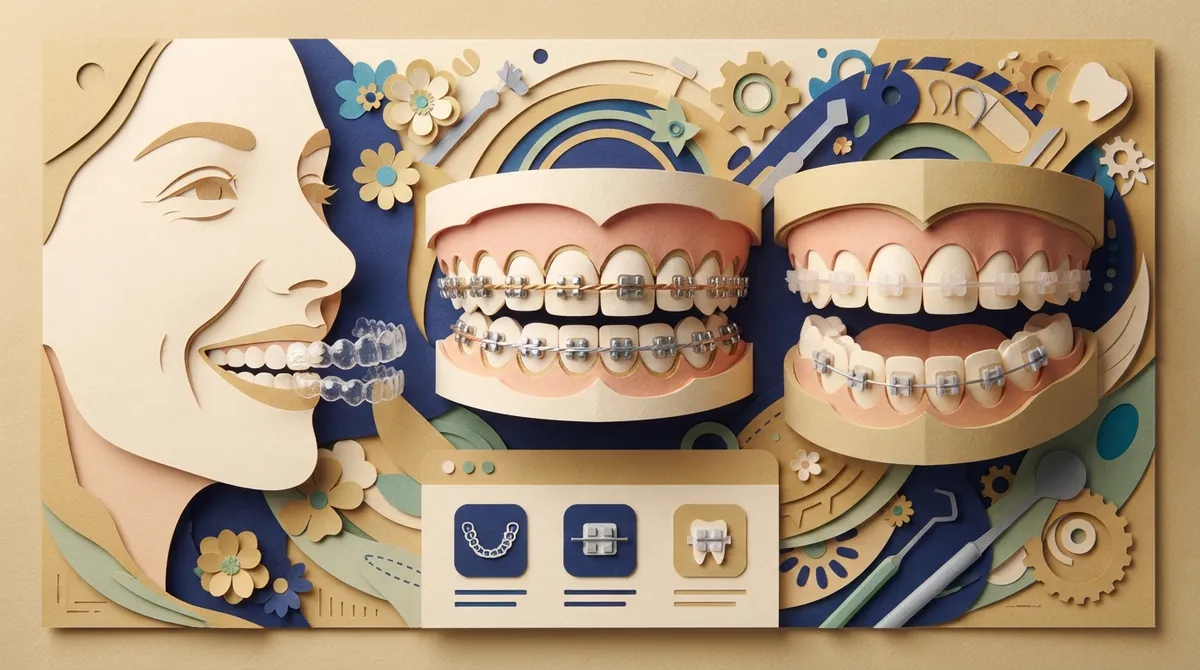
One of the best parts about seeking orthodontic care today is the variety of choices available. Gone are the days when metal braces were your only option. Here’s a quick breakdown of what’s typically available for grown-up smiles.
| Treatment Option | Best For | Visibility |
|---|---|---|
| Traditional Metal Braces | Complex bite issues, rotations, precise tooth movement | Most visible |
| Ceramic (Clear) Braces | Moderate to complex cases wanting a subtler look | Tooth-colored, less noticeable |
| Clear Aligners (like Spark™) | Mild to moderate crowding, spacing, and bite issues | Nearly invisible |
| Combination/TADs | Cases needing extra anchorage or complex movement | Varies |
At our Clearwater practice, we offer traditional and ceramic braces along with Spark™ Clear Aligners, which give patients a more affordable path to a straighter smile without sacrificing that discreet look. Every mouth is different, so the right choice depends on your specific bite, your lifestyle, and honestly, your personal preference.
Braces vs. Clear Aligners: What Does the Research Say?
This is probably the question we get asked the most. Both options work well, but they shine in different situations. Fixed braces tend to offer more predictable control for complex movements like rotating a tooth or adjusting its root position. A 2025 systematic review found that clear aligner rotational accuracy averages around 65%, with results ranging widely from 36% to 85% depending on the tooth and treatment plan.
Clear aligners, on the other hand, are removable, which makes brushing and flossing much easier during treatment. A 2024 review of oral health studies found aligner wearers often experienced fewer negative changes to their oral bacteria, likely because they can take the trays out to clean properly. The catch? Aligners only work as well as you wear them. If you’re not popping them in for the recommended 20 to 22 hours a day, your results and timeline will suffer.
For complex bite problems, significant jaw discrepancies, or teeth that need major rotation, braces often provide more reliable results. For milder crowding or spacing, aligners can be a fantastic, low-profile solution. Our guide comparing metal vs. clear braces for adults breaks this down even further if you want to dig deeper.
How Long Does Adult Orthodontic Treatment Take?
This varies quite a bit from person to person, but recent data gives us a helpful benchmark. According to the American Association of Orthodontists’ 2025 economic survey, the median treatment time is 22 months, with an average of about 21.8 months.
Adult treatment often takes a bit longer than treatment for teens. Here’s why:
- Adult bone is fully matured, so teeth may move more slowly than in growing jaws
- Previous dental work like crowns, bridges, or implants can affect how teeth shift
- Gum health and bone support may limit how quickly movement can happen safely
- Missing teeth or more complex bite problems can add extra steps to your plan
- Consistency matters—wearing aligners as directed speeds things along, skipping days slows it down
Your orthodontist will give you a personalized timeline after a full evaluation, since every smile is truly unique.
What Happens During Your First Consultation?
Walking into your first appointment might feel a little intimidating, but it’s really just a conversation about your smile goals. Here’s what a typical visit includes:
- A review of your medical and dental history
- A clinical exam of your teeth, gums, and bite
- Digital scans or photographs (no messy molds required)
- X-rays, if needed, to check root positions and bone health
- A discussion of your treatment options, timeline, and cost
If you have active gum disease, untreated cavities, or significant bone loss, your orthodontist may recommend addressing those first, often working alongside your regular dentist. This teamwork approach helps set you up for a smoother, more successful treatment. To see what the process looks like at our office, check out what to expect during your first visit.
Can You Get Braces With Crowns, Implants, or Missing Teeth?
Yes, in most cases! Crowns, bridges, and dental implants don’t automatically rule out orthodontic treatment. Your orthodontist will simply factor these restorations into your treatment plan. Implants, however, don’t move like natural teeth, so your provider will plan tooth movement around them carefully. Missing teeth can often be addressed as part of your overall plan, sometimes closing gaps or creating space for a future restoration.
What Risks Should You Know About?
Orthodontic treatment is generally very safe, but like any dental care, it’s not entirely without risk. Being informed helps you make the best decision for your smile.
- Temporary soreness after adjustments or when starting new aligner trays
- Risk of cavities or enamel demineralization if hygiene slips during treatment
- Gum inflammation, especially around brackets if brushing is inconsistent
- Root resorption in rare cases, which your orthodontist will monitor
- Relapse (teeth shifting back) if retainers aren’t worn as directed
Good news: most of these risks are manageable with consistent oral hygiene and following your orthodontist’s instructions. The American Dental Association recommends brushing twice daily and flossing every day throughout treatment to keep your teeth and gums healthy.
Life After Braces: Why Retainers Matter
Here’s something a lot of patients don’t expect: your teeth can keep shifting even after your active treatment ends. That’s simply how teeth work throughout our lives. This is why wearing a retainer long-term is such a crucial part of protecting your investment.
Most orthodontists recommend wearing retainers full-time for the first several months after treatment, then transitioning to nighttime wear indefinitely. Skipping this step is one of the most common reasons adults end up seeking retreatment later on. If you had braces years ago and have noticed some relapse, you’re not alone—and it’s never too late to get back on track.
What Does Treatment Cost, and Is It Covered by Insurance?
Cost varies based on your treatment type, complexity, and length of care. Many dental insurance plans offer partial coverage for orthodontic treatment, even for adults, though coverage tends to be more limited than for children. Flexible spending accounts and health savings accounts can also help offset costs.
At Brockway Orthodontics, we work with patients to explore financing and insurance options that fit real-life budgets. We believe cost shouldn’t stand between you and a smile you feel good about.
Why Choose Brockway Orthodontics for Adult Treatment?
Dr. Brockway brings genuine care and extensive training to every patient relationship, and that’s especially true for our adult patients. We know you’re juggling a career, a family, maybe both—so we’ve built our practice around your schedule and comfort. From digital impressions instead of messy molds to 3D imaging for precise treatment planning, we use modern technology to make your experience smoother from start to finish.
We also offer same-day treatment starts in certain cases, because we know your time matters. Our adult treatment options include Spark™ Clear Aligners, traditional metal braces, and ceramic braces, giving you the flexibility to choose what fits your lifestyle and goals. You can learn more about Dr. Brockway’s approach to care and see why so many Clearwater families trust her with their smiles.
Curious what other patients have experienced? Feel free to visit us on Google — Brockway Orthodontics to read real reviews from our community. You can also connect with us on Facebook or follow along on Instagram for smile transformations and helpful tips. For orthodontists in your area, the Florida Association of Orthodontists is also a great resource for finding board-certified specialists.
Ready to Take the Next Step?
Your smile is worth investing in, no matter your age. If you’ve been putting off orthodontic treatment because you thought you’d missed your window, we’re here to tell you that window is still wide open. Adults across Clearwater are discovering just how comfortable, discreet, and life-changing modern orthodontic care can be.
Ready to see what’s possible for your smile? Book your free consultation online today and let’s talk about the best path forward for you. Have questions first? Reach out to our friendly team—we’d love to help you get started.
FAQs
Q: Can adults still benefit from orthodontic treatment?
A: Absolutely, yes! As long as your gums and jawbone are healthy, your teeth can move at nearly any age. We love seeing adults finally get the smile they’ve always wanted—it’s honestly one of the best parts of our job.
Q: What is the best orthodontic treatment for adults: braces or clear aligners?
A: It really depends on your bite and lifestyle. Braces tend to handle complex movements more predictably, while clear aligners like Spark™ offer a discreet option for mild to moderate cases. We’ll help you figure out which fits your smile and your life best.
Q: How long does adult orthodontic treatment take?
A: On average, treatment takes around 22 months, though this can vary based on your specific needs. Factors like previous dental work and how consistently you wear your appliance can affect your timeline too.
Q: Can I get braces if I have crowns, implants, or missing teeth?
A: In most cases, yes! Your orthodontist will simply plan your treatment around any existing dental work. It’s always worth bringing this up during your consultation so we can map out the best approach together.
Q: How long do adults need to wear retainers after treatment?
A: Most patients wear retainers full-time for a few months, then switch to nighttime wear long-term. Teeth can shift throughout life, so sticking with your retainer really is the secret to protecting your new smile for good.
Our Service Area