Key Takeaways
-
Clear aligners work best for mild-to-moderate cases like crowding and spacing, but fixed braces (ceramic or lingual) handle complex rotations and bite discrepancies more effectively—get a professional diagnosis first rather than assuming all alternatives are equivalent.
-
Skipping professional orthodontic exams and ordering aligners online risks missing hidden problems like gum disease, bone loss, or impacted teeth that can sabotage treatment, so always start with X-rays, gum checks, and bite analysis.
-
Clear aligners require wearing them 22 hours daily—removing them frequently delays treatment or compromises results, so commit to consistent wear and use reminders, travel cases, and simple habits to stay on track.
-
Nearly all orthodontic treatments require long-term or lifelong retainer wear to prevent relapse, as teeth naturally shift over time; skipping retention is a top reason people need expensive retreatment.
-
Ceramic braces offer a discreet middle ground between obvious metal braces and aligners with tooth-colored brackets, while lingual braces (behind teeth) are nearly invisible—both deserve consideration if discretion matters to you.
-
Compare total costs across options (metal $3,000–$7,500, ceramic varies, lingual $5,000–$13,000, clear aligners vary) and ask your provider about financing and insurance to make treatment affordable rather than letting cost concerns derail your smile goals.
Thinking about straightening your smile but not sure metal braces are for you? You’re definitely not alone! So many of our patients here in Clearwater ask us the same question: “What are my alternatives to braces?” The good news is you have more choices today than ever before. But here’s the thing—picking the wrong option (or making avoidable mistakes along the way) can slow down your progress or leave you feeling frustrated.
That’s why we put together this friendly guide. We’ll walk you through the most common mistakes people make when exploring alternatives to braces, from clear aligners to ceramic brackets and beyond. Whether you’re a busy parent trying to help your teen, a professional wanting a discreet fix, or someone returning after your teeth shifted back, this article is for you. Let’s make sure your journey to a straighter smile starts off on the right foot!

Mistake 1: Assuming All Alternatives to Braces Work the Same Way
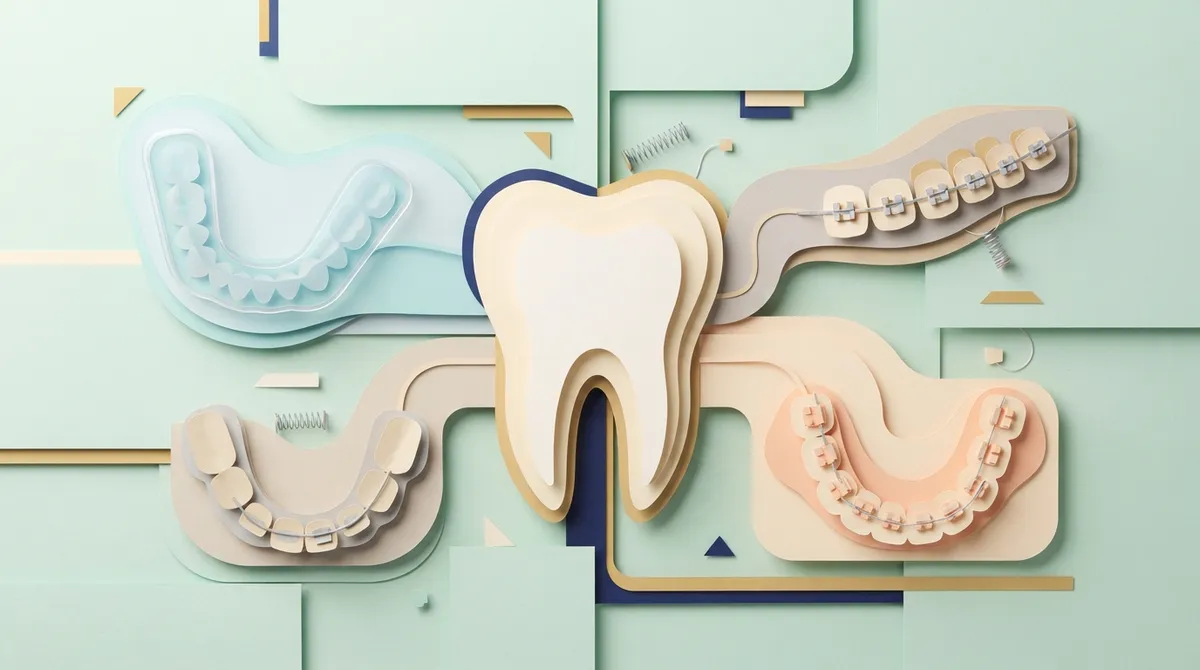
One of the biggest mix-ups we see is patients thinking clear aligners, ceramic braces, and lingual braces all do the exact same job. They don’t! Each option has its own strengths, and choosing based on looks alone can backfire. Clear aligners are removable trays great for mild-to-moderate crowding, spacing, and some bite issues. Ceramic braces and lingual braces are fixed, meaning they can often tackle more complex cases with more predictability.
The real fix is getting a proper diagnosis first. At your first visit, Dr. Brockway will examine your bite, take images, and explain which alternatives actually fit your specific needs.
Mistake 2: Skipping a Professional Orthodontic Exam
It’s tempting to just order aligners online without ever seeing an orthodontist. But this can be risky. Direct-to-consumer aligner kits often skip important steps like X-rays, gum checks, and bite analysis. Hidden problems like gum disease, bone loss, or impacted teeth can affect whether an alternative to braces will even work for you.
A trusted orthodontic services provider will always start with a full evaluation. This protects you from wasted money and disappointing results down the road.
Mistake 3: Choosing Clear Aligners for Complex Cases
Clear aligners are wonderful for lots of people, but they’re not magic for every situation. According to the American Association of Orthodontists, clear aligners generally treat a narrower range of problems than fixed braces. They shine with light-to-moderate crowding and spacing but can struggle with severe rotations or big bite discrepancies.
If your case is more complex, don’t force it. Our Spark™ Clear Aligners program is a fantastic, more affordable option for the right candidates, and we’ll always tell you honestly if traditional braces might work better for your smile goals.
Mistake 4: Not Wearing Aligners Enough
Here’s a mistake that trips up so many people: not wearing their aligners the recommended 22 hours a day. Clear aligners depend heavily on your commitment. Skipping hours here and there might not seem like a big deal, but it adds up fast.
Follow these simple habits to stay on track:
- Only remove aligners for eating, drinking (besides water), brushing, and flossing
- Pop them back in right after meals
- Set phone reminders if you tend to forget
- Bring a travel case so you never lose a tray
Poor compliance can extend your treatment time or even compromise your final results. Consistency really is everything with this option.
Mistake 5: Ignoring Ceramic Braces as a Discreet Option
Some people assume their only choices are “obvious metal braces” or “aligners.” But ceramic braces are a wonderful middle ground! They use tooth-colored or clear brackets that blend in much better than traditional metal while still offering the strength of fixed braces.
Ceramic braces can be a little more fragile and sometimes cost more than metal, but many patients love the natural look. Curious if they’re right for you? Learn more about all about braces options available at our Clearwater office.
Mistake 6: Overlooking Lingual Braces
Lingual braces sit behind your teeth, making them nearly invisible from the front. They’re not talked about as much, but they can treat many of the same issues as regular braces. The trade-off? They’re technically tricky to place, may take some getting used to for speech, and aren’t offered everywhere.
If total invisibility matters most to you, ask your orthodontist whether lingual braces are a good fit during your consultation.
Mistake 7: Not Comparing Costs Carefully
Money matters, and comparing prices between options can feel confusing. Here’s a quick breakdown based on typical U.S. and UK pricing data to help you get oriented:
| Treatment Option | Typical Cost Range (US) | Typical Cost Range (UK, Private) |
|---|---|---|
| Metal Braces | $3,000–$7,500 | N/A |
| Ceramic Braces | Varies by provider | £2,500–£6,500 |
| Lingual Braces | $5,000–$13,000 | £4,000–£10,000 |
| In-Clinic Clear Aligners | Varies by provider | £1,500–£5,500 |
Keep in mind these are general estimates. Actual costs depend on your location, treatment complexity, and how long you’ll need care. Our team can walk you through financing and insurance options to make any alternative to braces more affordable.
Mistake 8: Forgetting About Retention After Treatment
Congrats, your teeth are finally straight! But the job isn’t quite done. Nearly all orthodontic treatments, including alternatives to braces, require some kind of retainer afterward. Skipping this step is one of the top reasons people experience relapse and need retreatment later.
Teeth naturally want to shift over time. That’s simply how they work. Long-term or even lifelong retainer wear is often recommended to protect your results. Explore our retainers page to understand your options for keeping that smile in place.
Mistake 9: Assuming Kids and Teens Only Need Metal Braces
Parents often think metal braces are the only route for their kids. In reality, there are several alternatives worth exploring, especially for growing children. Removable appliances, functional appliances, and palatal expanders can guide jaw development or fix a crossbite before more comprehensive treatment even begins.
If your child is dealing with crowding, bite problems, or jaw growth concerns, early evaluation matters. Check out our guide on early treatment and adolescent treatment to see what might help your child now versus later.
Mistake 10: Believing Adults Are “Too Old” for Alternatives
This one breaks our hearts a little. So many adults think braces or aligners are just for teenagers. That couldn’t be further from the truth! More adults are seeking orthodontic care than ever, often for professional or personal confidence reasons.
Whether you’re 30 or 60, there are alternatives designed with your busy adult life in mind. Learn more about adult treatment options that fit into your schedule without disrupting your career or social life.
Mistake 11: Not Asking About Severe Bite or Jaw Issues
Some cases go beyond what tooth movement alone can fix. When a jaw discrepancy is severe, orthognathic surgery combined with orthodontic treatment might be recommended. This isn’t purely cosmetic. It’s meant to improve chewing, speech, and overall jaw function.
Don’t be afraid to ask tough questions during your consultation. A good orthodontist will tell you honestly if your case needs more than aligners or braces alone.
Mistake 12: Choosing an Orthodontist Without Checking Their Experience
Not every provider offering “invisible braces” or clear aligners has the same training or track record. Marketing terms can blur the lines between very different treatments. That’s why it pays to choose someone with real experience and a personalized approach.
Dr. Brockway has built her practice around genuine care and community trust here in Clearwater. You can meet Dr. Brockway and see why so many local families choose her for their orthodontic journey. We also recommend checking credentials through resources like the Florida Association of Orthodontists or general oral health guidance from the American Dental Association when researching any provider.
How to Choose the Right Alternative for Your Smile
Feeling a little overwhelmed by all these options? That’s totally normal! Here’s a simple step-by-step process we recommend:
- Schedule a full orthodontic exam with X-rays and a bite assessment
- Discuss your goals, whether it’s discretion, speed, or cost
- Review which alternatives fit your specific case, not just your preferences
- Ask about maintenance, retention, and what happens after treatment
- Compare financing options so cost doesn’t hold you back
Taking these steps ensures you pick an alternative that actually delivers the smile you’re dreaming about, rather than one that just sounds appealing on social media.
Why Clearwater Families Trust Brockway Orthodontics
We know Clearwater has plenty of choices when it comes to orthodontic care, and we’re honored that so many families choose us year after year. From our Spark™ Clear Aligners program to traditional metal and ceramic braces, we offer real alternatives tailored to real people. Our office uses modern technology like digital impressions and 3D imaging, so your treatment plan is precise and comfortable from day one.
We also understand that life gets busy. That’s why we offer same-day treatment options whenever possible, so you’re not stuck scheduling multiple visits just to get started. Curious what other patients think? Feel free to visit us on Google — Brockway Orthodontics to read real reviews from our Clearwater community. You can also follow along on Facebook or Instagram for smile transformations and helpful tips.
Ready to Explore Your Best Alternative to Braces?
Straightening your smile doesn’t have to mean settling for the first option you hear about. With so many alternatives to braces available today, from clear aligners to ceramic and lingual braces, there’s likely a perfect fit for your lifestyle and budget. The key is avoiding these common mistakes and working with a provider who genuinely listens to your goals.
Dr. Brockway and our entire team are here to guide you every step of the way, answering questions honestly and creating a plan built just for you. If you’re ready to see which alternative works best for your smile, book your appointment online today. Have questions first? You’re always welcome to contact us and our friendly team will help however we can. We can’t wait to help you smile with confidence!
FAQs
Q: What are the best alternatives to traditional metal braces?
A: The most popular alternatives are clear aligners, ceramic braces, and lingual braces. Each one has its own perks, so the best choice really depends on your bite, your goals, and how much discretion you want. We’d love to help you figure out which one fits your smile best!
Q: Are clear aligners as effective as braces?
A: For mild-to-moderate cases like crowding, spacing, and some bite issues, clear aligners can work wonderfully. However, braces can typically handle a wider range of more complex problems. That’s why a proper exam matters so much before deciding.
Q: How much do clear aligners, ceramic braces, and lingual braces cost?
A: Costs vary quite a bit based on your case and location. Generally, metal braces run about $3,000 to $7,500, while lingual braces can be $5,000 to $13,000 in the U.S. We’re happy to walk you through personalized pricing and financing options during your visit.
Q: Are at-home or mail-order aligners safe?
A: At-home aligner kits can skip important steps like X-rays, gum checks, and in-person monitoring. This means hidden issues might go unnoticed. We always recommend starting with a full orthodontist evaluation for safer, more predictable results.
Q: Do orthodontic alternatives require retainers afterward?
A: Yes, almost always! Teeth naturally want to shift back over time, so retainers help protect your hard-earned results. Many patients wear retainers long-term or even for life to keep that beautiful smile in place.
Our Service Area