Key Takeaways
-
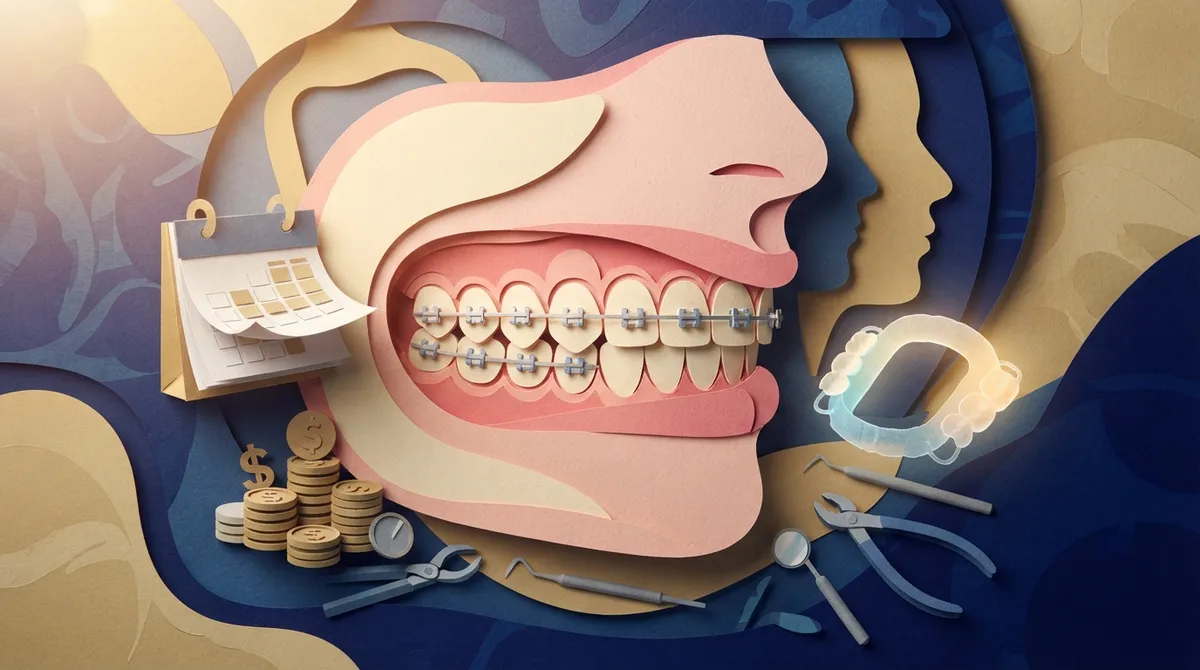
Braces fix functional problems beyond aesthetics: misaligned teeth make chewing harder, complicate brushing/flossing, and increase cavity risk. Correcting bite issues helps with these real problems, not just appearance.
-
Treatment typically takes 12-24 months with visits every 4-12 weeks, and costs $3,000-$10,000 USD. Most dental insurance covers $1,000-$3,000 (50% of costs), and payment plans make the expense manageable.
-
Real trade-offs include temporary soreness, extra oral care, diet restrictions, and mandatory retainer wear after treatment. Success requires commitment to hygiene and lifestyle adjustments, not just financial investment.
-
Adults benefit equally from braces and increasingly choose treatment for career/personal confidence. Even patients experiencing relapse (tooth shifting after previous braces) find retreatment worthwhile and often more effective.
Staring at your smile in the mirror and wondering if braces are really worth the time, money, and effort? You’re not alone. Whether you’re a parent watching your child’s teeth come in crooked, a busy professional tired of hiding your smile in photos, or someone who had braces years ago and now sees things shifting back, this question matters. The good news? There’s a clear way to figure out the answer, and we’re going to walk through it together.
At Brockway Orthodontics in Clearwater, we talk to families and adults every single day who are asking this exact question. The honest answer is that braces are worth it for many people, but not automatically for everyone. It depends on your specific teeth, your goals, and your willingness to follow through on treatment. Let’s break down seven key ways to evaluate whether braces make sense for you or your family, using real facts and straightforward talk (no confusing dental jargon here).
1. Braces Fix Real Problems, Not Just Looks
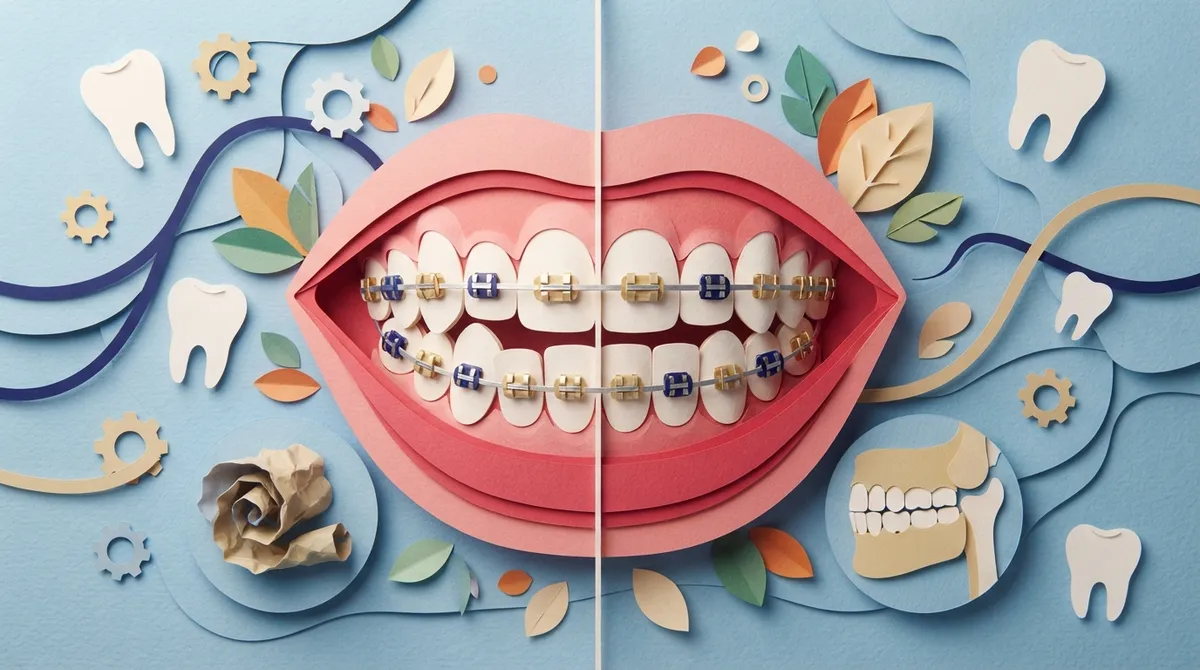
Many people think braces are only about having a prettier smile. That’s part of it, but it’s not the whole story. Braces can correct crooked or crowded teeth, gaps, overbites, underbites, and crossbites. These issues affect more than appearance.
Misaligned teeth can make chewing harder. They can also make brushing and flossing tricky, which leads to more plaque and a higher risk of cavities. Fixing your bite can even help with speech in some cases. So when you ask if braces are worth it, remember you’re really asking if fixing a functional problem is worth it. For most people with real bite issues, the answer leans yes. You can learn more about what braces actually treat on our All About Braces page.

2. The Cost Makes More Sense Than You Might Think
Let’s talk money, because cost is usually the biggest worry. In the United States, comprehensive orthodontic treatment typically runs somewhere between $3,000 and $10,000, depending on your case, the type of braces, and where you live. Traditional metal braces often land between $3,000 and $7,000, while ceramic braces run a bit higher.
Here’s a simple breakdown of common price ranges based on recent published cost guides:
| Braces Type | Typical Price Range (USD) |
|---|---|
| Traditional Metal Braces | $3,000 – $7,000 |
| Ceramic (Clear) Braces | $4,000 – $8,500 |
| Lingual Braces | $6,000 – $13,000 |
| Clear Aligners | $3,000 – $8,500 |
Many dental insurance plans that cover orthodontics offer between $1,000 and $3,000 in benefits, or around 50% of costs, often with a lifetime cap. That can make a big dent in your bill. Our Financing and Insurance page walks you through what’s typically covered and how payment plans work, so the sticker price feels less scary.
3. Treatment Time Is Usually Shorter Than You Fear
One common worry is spending years in braces. The truth is more encouraging. According to the American Association of Orthodontists, most people wear braces for about 12 to 24 months. Simple cases can wrap up faster, while more complex bites may take longer.
During treatment, you’ll typically visit the orthodontist every 4 to 12 weeks for adjustments. It’s not a huge time commitment once you settle into a rhythm. Want a clearer sense of your own timeline? Check out our guide on how long braces take for a friendly breakdown.
4. There Are Real Trade-Offs Worth Knowing
Being honest here matters. Braces aren’t all upside. There are some real drawbacks you should weigh before committing:
- Temporary soreness after adjustments, especially in the first few days
- Extra care needed for brushing and flossing around brackets and wires
- Diet changes to avoid sticky or hard foods that can damage brackets
- Risk of white spots or cavities if oral hygiene slips
- Possible gum irritation or mild root shortening in some cases
- The need to wear a retainer faithfully after treatment ends
None of these are dealbreakers for most patients, but they do require commitment. If you’re not ready to brush more carefully or skip certain foods for a while, it’s worth having an honest conversation with your orthodontist first. The American Dental Association offers helpful general guidance on maintaining oral health during orthodontic treatment.
5. Adults Get Just As Much Value As Teens
Think braces are just for teenagers? Think again. More adults than ever are getting orthodontic treatment, often because they want a confident smile for their career or personal life. Adult treatment works just as well as it does for teens, though it may sometimes take a bit longer since adult bones are done growing.
Many adults choose Spark™ Clear Aligners because they’re nearly invisible and fit into a busy professional schedule. Others prefer ceramic braces for a more subtle look. Whatever you choose, adult treatment tends to deliver strong results in both function and appearance. Learn more on our Adult Treatment page.
6. Relapse Patients Often Find It’s Worth Doing Again
Had braces years ago, but now your teeth have shifted back? You’re far from alone. This happens when retainers aren’t worn as directed, or when natural aging causes gradual movement. The good news is retreatment is common and often very effective.
Many relapse patients tell us they wish they’d come in sooner. A fresh evaluation, sometimes with clear aligners this time around, can restore your smile without starting completely from scratch. Retainers play a huge role in preventing this the second time. Take a look at our Retainers page to understand why this step is non-negotiable after any treatment.
Quick Steps If You’re Considering Retreatment
- Schedule a consultation to assess how much your teeth have shifted
- Discuss whether aligners or braces fit your lifestyle better this time
- Get a clear cost estimate and timeline before committing
- Commit to full-time retainer wear once treatment finishes
7. A Consultation Gives You the Real Answer
Here’s the honest truth: no article, including this one, can tell you exactly whether braces are worth it for your unique smile. General price ranges and average timelines are helpful starting points, but your bite, your goals, and your budget are personal. That’s why an orthodontic evaluation matters so much.
During your first visit, Dr. Brockway will look at your bite, gums, and teeth, discuss growth or bone factors if you’re a parent bringing in a child, walk through treatment alternatives, and give you a clear cost estimate. This is the moment where “is it worth it” turns into “here’s exactly what to expect.” Families throughout Clearwater trust this personalized approach because it removes the guesswork.
Dr. Brockway has built her practice around listening first. She takes time to understand your concerns and your dreams for your smile before recommending any treatment plan. This kind of care is part of why so many families in Pinellas County choose Brockway Orthodontics as their trusted orthodontic care provider.
Weighing the Full Picture
So, are braces worth it? For most people dealing with crooked teeth, bite problems, or difficulty cleaning their teeth properly, the answer is a confident yes. The functional benefits alone, like easier brushing, better chewing, and reduced strain on your jaw, often justify the investment. Add in the confidence boost of a straighter smile, and the value becomes even clearer.
That said, braces do require patience, good hygiene habits, and commitment to wearing your retainer afterward. If you’re willing to put in that effort, the payoff tends to last a lifetime. The Florida Association of Orthodontists emphasizes that individualized care from a licensed specialist gives patients the most reliable results, and that’s exactly the approach we take here.
We use modern tools like digital impressions and 3D imaging to plan your treatment precisely, so there are fewer surprises along the way. We even offer same-day treatment starts in certain cases, because we know families are busy and don’t want to wait around for multiple appointments just to get going.
Why Families Choose Brockway Orthodontics
Dr. Brockway has a genuine love for the Clearwater community. She’s built relationships with families over the years, and to her, that connection matters just as much as the smiles she creates. Whether you’re bringing in a seven-year-old for an early check or you’re 45 and finally ready to fix that bite you’ve lived with for years, you’ll be treated with the same warmth and attention to detail.
Curious what other patients think? You can visit us on Google — Brockway Orthodontics to read real reviews from families just like yours. You can also follow along on Instagram or Facebook to see smile transformations and get a feel for our welcoming office atmosphere.
Ready to Find Your Answer?
The best way to know if braces are worth it for you is to get a personalized assessment from someone who knows what they’re doing. Every smile is different, and generic advice can only take you so far. If you’re in the Clearwater area and ready to stop wondering and start knowing, book your appointment online today. Prefer to talk it through first? Reach out to our team and we’ll answer your questions with zero pressure, just honest guidance and a plan built around what matters most to you.
FAQs
Q: Are braces worth the cost for adults?
A: Absolutely, and more adults are discovering this every year! Braces work just as effectively for grown-up smiles, and many adults love the confidence boost that comes with straighter teeth and a healthier bite. Plus, options like Spark clear aligners make treatment discreet enough for any professional setting.
Q: How long do braces usually take to work?
A: Most people wear braces for about 12 to 24 months, according to the American Association of Orthodontists. Simple cases can move faster, while more complex bites may need a bit more time, but your orthodontist will give you a personalized estimate at your first visit.
Q: Do braces improve oral health or only appearance?
A: Both, actually! Straighter teeth are easier to brush and floss, which lowers your risk of cavities and gum problems. A corrected bite can also improve chewing comfort and even help with speech in some cases.
Q: Will my teeth move back after braces?
A: They can if you skip wearing your retainer as directed, which is why retention is such a big deal. Sticking with your retainer schedule is the simplest way to protect your investment and keep that beautiful smile for good.
Q: How much do braces cost without insurance in the United States?
A: Comprehensive treatment typically runs between $3,000 and $10,000 depending on the type of braces and complexity of your case. The friendly news is many practices, including ours, offer payment plans to make this cost easier to manage month to month.
Our Service Area