Key Takeaways
-
Brush after every meal and always before bed, aiming for 2 minutes each time, since food gets stuck in brackets almost instantly and longer exposure increases cavity risk.
-
Floss daily using floss threaders or orthodontic flossers to clean under the archwire, as plaque builds up between teeth where toothbrushes cannot reach.
-
Angle your toothbrush at 45 degrees along the gumline, then tilt downward to clean above brackets and upward to clean below them for complete cleaning around all bracket surfaces.
-
Schedule dental checkups at least every 6 months during treatment and pair them with regular orthodontic visits, as professional cleanings catch decay and gum problems before they become serious.
-
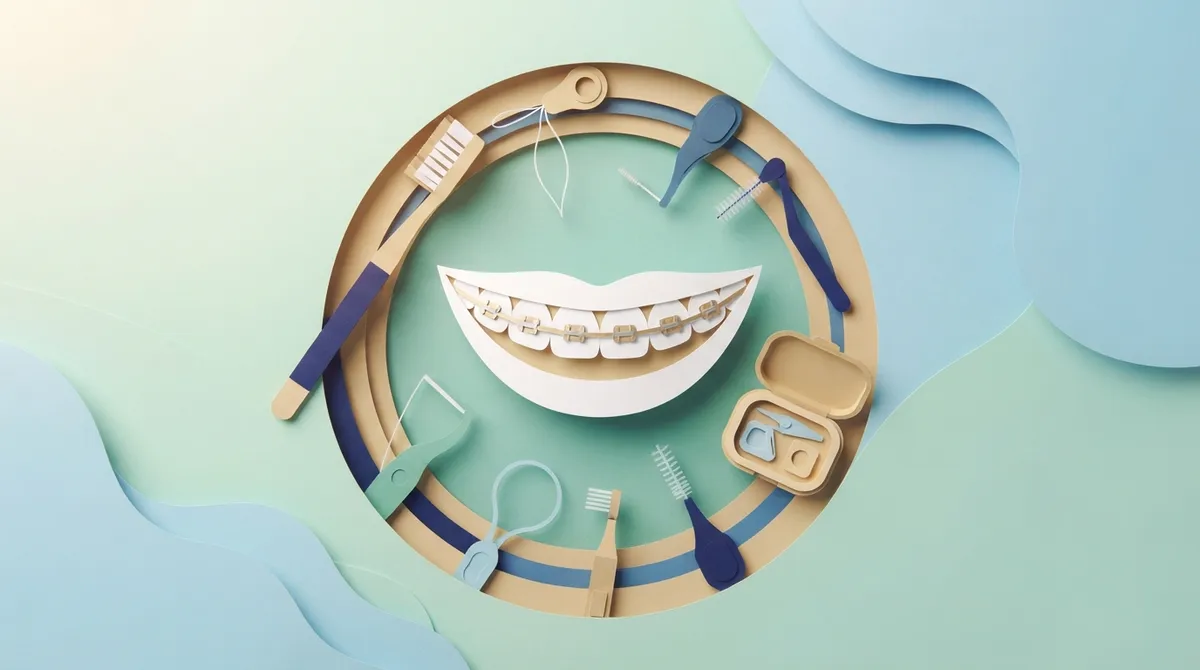
Keep a portable braces care kit with travel toothbrush, interproximal brushes, floss threaders, and mouthwash for on-the-go cleaning between meals at work or school.
-
Avoid hard, sticky, and chewy foods like candy, nuts, corn on the cob, and gum that can break brackets or bend wires, requiring extra cleaning effort and emergency repairs.
Getting braces is exciting! You’re on your way to a smile you’ll love showing off. But here’s the thing nobody tells you enough: your brackets and wires create tiny hiding spots for food and plaque. If you’re not careful, those hiding spots can turn into cavities or white spots on your teeth. The good news? Keeping your teeth sparkling clean during treatment isn’t complicated once you know the right moves.
Whether you’re a parent watching over your teen’s new braces, a busy professional squeezing in brushing between meetings, or an adult finally getting the smile you always wanted, this guide is for you. We’ll walk through five simple, practical braces cleaning tips that actually work. No confusing dental jargon, just clear steps you can start using today. And if you’re in the Clearwater area, our team at Brockway Orthodontics is always here to help you along the way.

Why Cleaning Braces Takes a Little Extra Effort
Brackets and wires are wonderful tools for straightening teeth. But they also create nooks where food particles love to hide. Plaque builds up faster around braces than on bare teeth. Left alone, this can lead to swollen gums, tooth decay, and those frustrating white spots that appear once your braces come off.
The American Dental Association stresses that consistent oral hygiene matters even more during orthodontic treatment. That’s because you’re fighting against extra surfaces where bacteria can collect. The goal isn’t perfection. It’s building small daily habits that protect your investment in your smile.
1. Brush After Every Meal (Yes, Really)
With braces, brushing right after meals or snacks makes a huge difference. Food gets stuck in brackets almost instantly, and the longer it sits, the more damage it can cause. Aim to brush for about two minutes each time, and always brush before bed no matter what.
If you can’t brush right away, like during a school lunch break or a work meeting, just rinse your mouth well with plain water. Then brush thoroughly as soon as you get the chance. This simple habit keeps sugars and food particles from sitting on your teeth for hours.
- Use a soft-bristled toothbrush or an electric toothbrush for gentle, effective cleaning
- Always use fluoride toothpaste to strengthen enamel
- Replace your toothbrush or brush head every three months, or sooner if bristles look worn
- Keep a travel toothbrush kit in your bag, backpack, or car
How to Brush Around Brackets and Wires
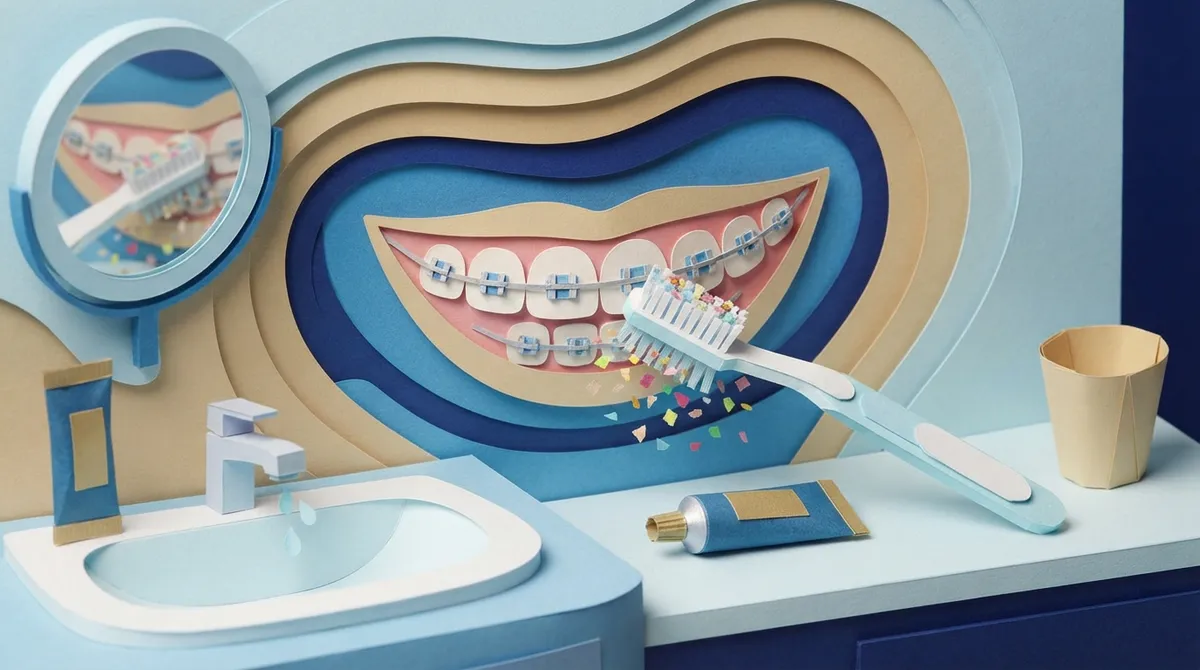
Brushing with braces isn’t just about scrubbing back and forth. You need to angle your brush to clean above, below, and around each bracket. Start by brushing at a 45-degree angle along the gumline, then tilt the brush downward to clean the top of each bracket, and upward to clean the bottom.
Don’t forget the chewing surfaces and the inside of your teeth too. It helps to check your work in a mirror afterward. Trapped food shows up as white or yellow bits stuck near the metal. If you’re unsure whether you’re doing it right, our team can show you the exact technique during your next visit. Learn more about what to expect with our braces treatment options.
2. Floss Daily, Even Though It Feels Tricky
Flossing with braces feels awkward at first because the wire blocks the normal path floss usually takes. But skipping this step means plaque builds up between your teeth where a toothbrush simply can’t reach.
The good news is there are tools designed just for this. Floss threaders help guide floss under the archwire. Orthodontic flossers come with a built-in threading tip already attached. Interproximal brushes, sometimes called proxy brushes, slide between brackets and teeth to clean tight spaces quickly.
- Thread the floss under the archwire using a threader or orthodontic flosser
- Gently guide the floss between two teeth, curving it into a C-shape against each tooth
- Slide it up and down a few times to remove plaque and debris
- Repeat this process for every space between your teeth, including behind your back molars
It takes longer than regular flossing, but doing it once a day protects your gums and prevents cavities from forming between teeth. Ask us to demonstrate the technique in person if you’re ever unsure. Ready to get started with your treatment? You can book appointment online and we’ll walk you through everything.
3. Use the Right Tools for On-the-Go Cleaning
Life doesn’t stop just because you have braces. Between work, school, sports, and social plans, you need a cleaning routine that travels with you. Building a small braces care kit makes this so much easier.
| Tool | Purpose | Best Used |
|---|---|---|
| Travel toothbrush | Quick brushing after meals | Lunch breaks, after snacks |
| Interproximal brush | Cleans tight spaces around brackets | Daily, especially after eating |
| Floss threaders | Gets floss under the archwire | Once daily, ideally at night |
| Travel-size mouthwash | Rinses away leftover food particles | When brushing isn’t possible |
| Orthodontic wax | Covers pokey wires or brackets | As needed for comfort |
Keeping these items in your backpack, car, or desk drawer means you’re never caught without a way to clean up after eating. Many patients find that a small zip pouch dedicated to braces care makes the whole routine feel less like a chore.
4. Rinse and Check Regularly for Trapped Food
Even with great brushing habits, food can sneak into hidden spots. Rinsing with water after eating helps wash away loose particles before they settle in. If you’re at home, swishing with mouthwash adds another layer of protection against bacteria.
A great habit is checking your teeth in a mirror after brushing and flossing. Look closely around each bracket and along the gumline. If you still see food or a white filmy residue, that’s plaque, and it needs more attention. Some patients like using disclosing tablets, which temporarily stain plaque so it’s easier to spot and remove.
Are Electric Toothbrushes and Water Flossers Safe With Braces?
Yes, both are safe and often incredibly helpful for patients with braces. Electric toothbrushes do a great job breaking up plaque around brackets, especially models with smaller brush heads. Water flossers can rinse away debris from hard-to-reach areas, though they work best alongside regular flossing rather than replacing it completely.
If you’re considering upgrading your routine, ask our team what tools might work best for your specific treatment. Every smile is different, and we’re happy to offer personalized advice during your visits. You can also explore our full range of services to see what fits your needs.
5. Keep Up With Regular Dental and Orthodontic Checkups
Home care is essential, but it’s only half the picture. Professional cleanings catch what brushing and flossing might miss. The American Association of Orthodontists recommends dental checkups at least every six months during treatment, though your dentist might suggest more frequent visits depending on your needs.
During these appointments, your dental team can spot early signs of decay or gum problems before they become bigger issues. Pair this with your regular orthodontic visits, where we check your progress and make any needed adjustments. Together, these two types of appointments form a safety net for your smile.
For more guidance on organizations that set standards for orthodontic care, the Florida Association of Orthodontists offers helpful resources for patients throughout the state.
Foods to Watch Out For
Cleaning habits matter, but so does what you eat. Hard, sticky, and chewy foods can break brackets or bend wires, creating extra cleaning challenges and possible emergency visits. Steering clear of these foods protects both your hardware and your enamel.
- Hard candy, nuts, and ice can crack brackets or damage wires
- Sticky candy and gum can pull brackets loose
- Corn on the cob and hard fruits should be cut into small pieces first
- Sugary drinks and snacks increase your risk of cavities, so rinse with water afterward
If a bracket or wire ever comes loose, don’t panic. Just reach out to our office so we can get you back on track quickly. Check out our guide on foods to avoid with braces for a complete list.
Building a Routine That Sticks
The secret to great oral hygiene with braces isn’t complicated tools or expensive products. It’s consistency. Brushing after meals, flossing daily, rinsing when you can’t brush, and keeping up with checkups all work together to protect your smile throughout treatment.
Parents, this is a great opportunity to build healthy habits alongside your teen. Turn it into a team effort rather than a chore they dread. For adults balancing busy careers, think of your braces cleaning routine as a quick daily investment in the confident smile waiting on the other side. If you’re considering Spark™ Clear Aligners instead of traditional braces, cleaning is even simpler since the aligners come out for eating and brushing.
Whatever stage of treatment you’re in, know that Dr. Brockway and our team are genuinely invested in your success. We love celebrating every milestone with our patients and families throughout Clearwater. Curious what other patients say about their experience? Feel free to visit us on Google — Brockway Orthodontics to read real reviews from our community.
Ready to Keep Your Smile on Track?
Great oral hygiene during orthodontic treatment doesn’t have to feel overwhelming. With the right tools, a little daily effort, and support from a team that genuinely cares, you’ll protect your smile every step of the way. Our office also stays active on Instagram and Facebook, where we share tips, patient stories, and behind-the-scenes moments from our Clearwater practice.
If you have questions about your cleaning routine, want tips tailored to your treatment, or you’re ready to start your orthodontic journey, we’d love to hear from you. Contact us today and let’s keep your smile healthy, bright, and on schedule together.
FAQs
Q: How often should I brush my teeth with braces?
A: You’ll want to brush after every meal or snack when you can, and always before bed. That’s usually about three to four times a day. If brushing isn’t possible right away, just rinse well with water until you can brush properly.
Q: How do you floss with braces?
A: Flossing with braces takes a little patience, but it gets easier with practice. Use a floss threader or orthodontic flosser to guide the floss under your archwire, then clean between each tooth just like normal. Ask us to show you the technique at your next visit if you’d like a hands-on demo.
Q: Are electric toothbrushes safe to use with braces?
A: Absolutely! Electric toothbrushes are gentle and effective at breaking up plaque around brackets. Just be sure to move slowly and cover every surface, including above and below each bracket.
Q: What’s the best way to remove food stuck in braces?
A: Start by rinsing with water to loosen anything obvious. Then use an interproximal brush or floss threader to gently work out any remaining food particles. A quick check in the mirror afterward helps confirm you got everything.
Q: How can I prevent white spots and cavities while wearing braces?
A: Consistent brushing, daily flossing, and limiting sugary snacks go a long way in preventing white spots and cavities. Regular dental cleanings every six months also help catch any early issues before they become bigger problems.
Our Service Area