Key Takeaways
-
Clear aligners require 20-22 hours of daily wear to be effective, making patient compliance critical; skipping wear time can slow progress or affect final results, unlike braces which work 24/7 without patient responsibility.
-
Braces are more predictable for complex bite issues and difficult cases, while aligners work best for mild-to-moderate problems; research shows aligners may finish faster in some cases but evidence for complex situations remains limited.
-
Clear aligners offer easier daily cleaning since they're removable for eating and brushing, while braces require careful brushing around brackets and restrict sticky, hard foods, making aligners more convenient for busy professionals.
-
Both treatment options require retainers after completion to prevent teeth from naturally shifting back; skipping retainer use is one of the most common patient regrets and undermines treatment success.
-
Braces are ideal for younger patients and teens because they require no daily compliance or responsibility, whereas aligners suit discreet needs and significant life events like graduation or prom.
-
An in-person orthodontic exam is essential before choosing between options, as treatment success depends on your specific teeth, bite complexity, lifestyle, and ability to follow the treatment plan consistently.
Trying to pick between traditional braces and clear aligners? You’re not alone. This is one of the most common questions we hear at our Clearwater office. Both options can give you the confident smile you want. But they work in different ways, and one might fit your life better than the other.
Dr. Brockway has helped hundreds of patients in Clearwater, Florida choose the right path for their smile. Some are parents bringing in their teens. Some are busy professionals who want something discreet. Others are adults who had braces years ago and need a little touch-up. Whatever your story, this guide will help you understand your choices. Let’s break it down together, in plain and simple terms.
What Are Traditional Braces?
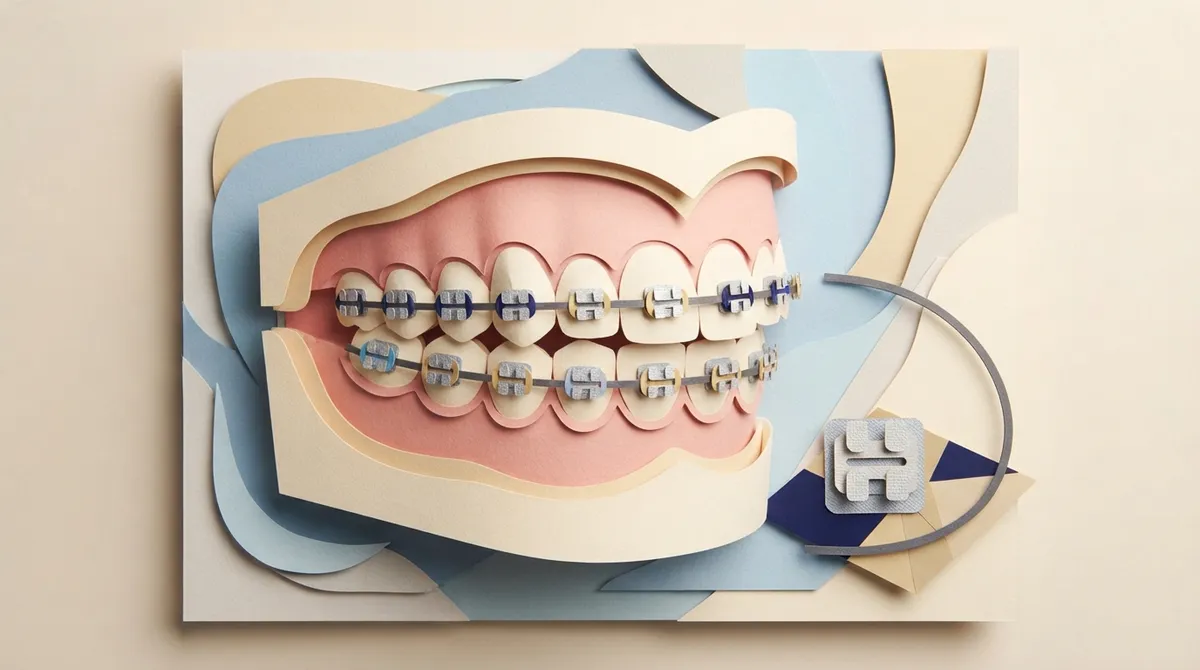
Traditional braces use metal or ceramic brackets glued to each tooth. A thin wire connects the brackets and applies steady pressure. Over time, this pressure moves your teeth into their new, straighter positions. Small elastic bands, called ligatures, hold the wire in place on each bracket.
Braces are fixed. That means you can’t take them off. This is actually a benefit for many families. There’s no chance of forgetting to wear them because they’re always working, day and night. You can learn more about how this process works on our All About Braces page.
What Are Clear Aligners?
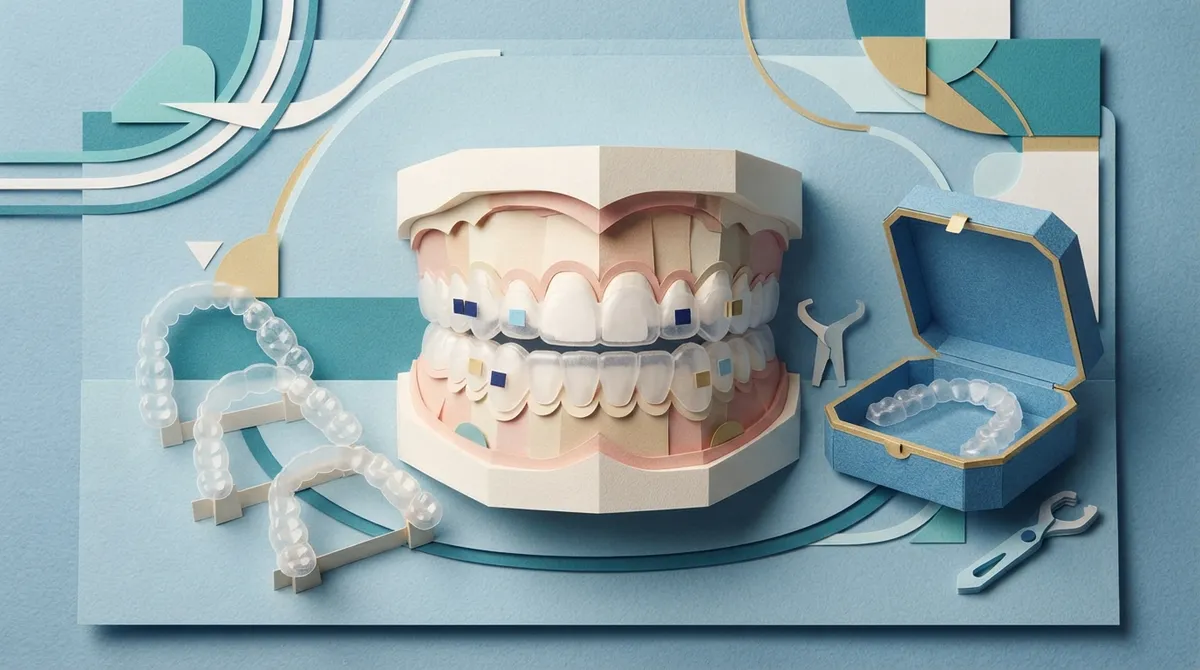
Clear aligners are a series of custom, see-through trays. Each tray is worn for about one to two weeks before you switch to the next one in the series. Every tray shifts your teeth just a little bit, guiding them slowly toward a straighter smile.
Unlike braces, aligners are removable. You take them out to eat, brush, and floss. This makes daily care a lot easier for many people. At Brockway Orthodontics, we proudly offer Spark™ Clear Aligners, a more affordable option than some other aligner brands, without giving up quality or results.
Traditional Braces vs Clear Aligners: Key Differences
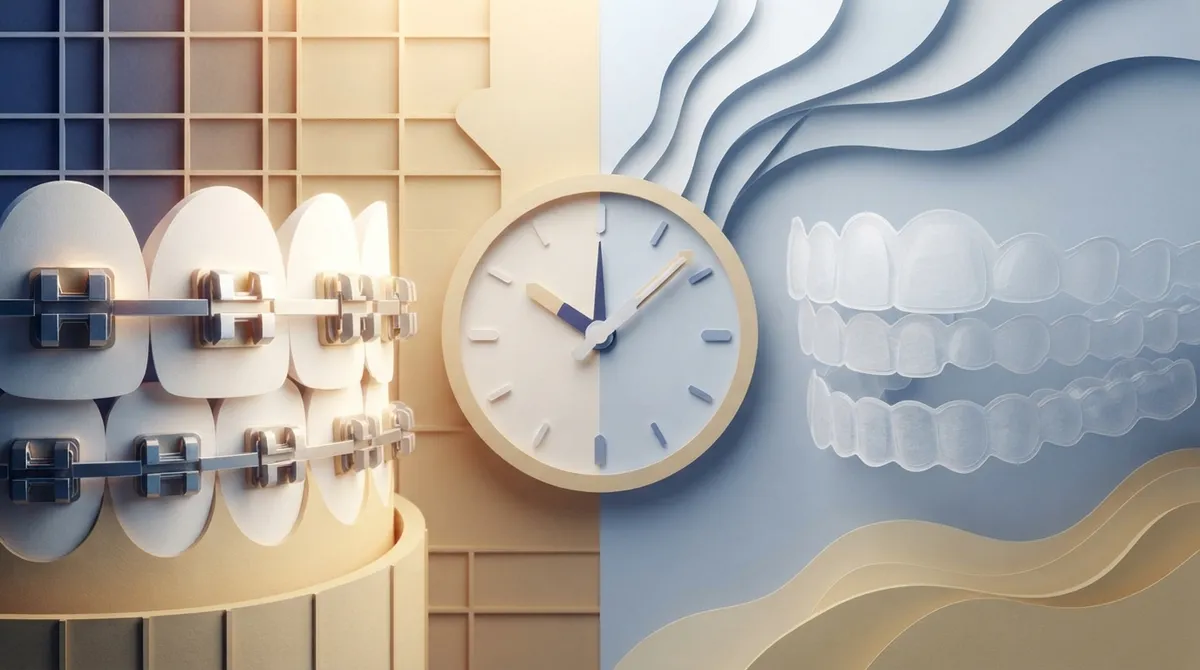
Let’s look at how these two options really compare. Both can create amazing smiles. But they work differently, and each has its own strengths.
| Feature | Traditional Braces | Clear Aligners |
|---|---|---|
| Visibility | Noticeable (unless ceramic) | Nearly invisible |
| Removable? | No, fixed in place | Yes, removable for eating and cleaning |
| Daily Care | Extra care needed around brackets and wires | Easier brushing and flossing |
| Wear Time | 24/7, no patient control needed | 20-22 hours per day, patient responsibility |
| Best For | Complex bite issues, all age groups | Mild to moderate cases, discreet needs |
| Food Restrictions | Yes, must avoid sticky and hard foods | None, since trays are removed to eat |
How Effective Are Clear Aligners Compared to Braces?
This is probably the biggest question on your mind. Here’s the honest answer: it depends on your specific case.
A 2024 systematic review published in the Journal of Orthodontic Science looked at five different studies comparing aligners and braces. The review found that aligners can be an effective option for many patients. But it also noted that more research is still needed, especially for harder, more complex cases.
Another study from 2019 compared treatment results using something called the Objective Grading System. Researchers found no big difference in overall scores between aligners and braces. Interestingly, that same study found aligners sometimes finished treatment faster. But this doesn’t mean aligners are always quicker. It really depends on your teeth, your bite, and how closely you follow your treatment plan.
A 2023 review added more insight. It found aligners may work efficiently for mild-to-moderate cases. However, the evidence for tougher, more complex situations is still limited. This is why an in-person exam matters so much. Your first visit with Dr. Brockway will help determine which option truly fits your smile goals.
Which Orthodontic Problems Can Each Treat?
Both braces and aligners can fix many common issues. But some problems respond better to one method over the other. Here’s a simple breakdown:
- Crowded or crooked teeth: Both options work well for mild to moderate crowding.
- Gaps between teeth: Braces and aligners can both close small to moderate gaps.
- Overbites and underbites: Braces often give more predictable control for complex bite corrections.
- Rotated teeth: Braces may handle certain rotations more reliably.
- Complex jaw alignment: Braces, sometimes combined with other tools, tend to manage tricky cases better.
The American Association of Orthodontists notes that treatment success depends heavily on the specific movements needed, not just personal preference. That’s why a proper diagnosis matters so much before starting treatment.
Daily Habits: What to Expect With Each Option
Living with braces or aligners looks pretty different day to day. Here’s what patients can expect from each choice.
Life With Traditional Braces
- Brush carefully around each bracket and wire after every meal.
- Avoid sticky, chewy, and hard foods like caramel, popcorn, and ice.
- Visit our office every 4-6 weeks for adjustments.
- Use orthodontic wax if brackets irritate your cheeks.
- Keep up with regular dental cleanings alongside your braces care.
Life With Clear Aligners
- Wear your trays for 20-22 hours every day, removing them only to eat and clean.
- Switch to a new tray roughly every one to two weeks, as directed by Dr. Brockway.
- Brush and floss normally since trays come out for cleaning.
- Keep track of your trays so you don’t lose them.
- Attend regular check-ins to monitor your progress.
The American Association of Orthodontists recommends wearing aligners at least 22 hours daily for the best results. Skipping wear time can slow down your progress or even affect your final results.
Which Option Fits Your Lifestyle?
Different people have different needs. Here’s how our patients often choose between the two options.
Parents of Kids and Teens
Many parents love traditional braces for younger kids and teens because there’s nothing to remember. Braces stay on and keep working, even if your teen isn’t the most responsible with reminders. Explore our adolescent treatment options to see what fits your child’s needs.
Teens and Young Adults
For teens heading into big events like graduation or prom, Spark™ Clear Aligners can offer a more discreet path to a straighter smile. They’re comfortable and nearly invisible in photos.
Busy Professionals
If you’re in meetings all day or attend a lot of social events, clear aligners might feel more comfortable for your lifestyle. They’re easy to remove for important moments and easy to clean afterward. Our adult treatment page covers more on this option.
Orthodontic Relapse Patients
If your teeth have shifted since your last treatment, don’t worry. This happens more often than you’d think. Both braces and aligners can help correct relapse, depending on how much movement occurred. A fresh consultation will help figure out the best path forward.
Health-Conscious Individuals
If you care deeply about gum health or have specific dental concerns, we’ll walk you through which option supports your oral health best. Sometimes a combination approach works well too.
Do You Need a Retainer After Treatment?
Yes, and this applies whether you choose braces or aligners. Retainers help keep your teeth in their new positions after active treatment ends. Teeth naturally want to shift back over time, so retainers protect your investment.
Dr. Brockway will recommend the right retainer type for your situation. Learn more on our retainers page. Skipping this step is one of the most common regrets we hear about from patients who didn’t stick with their retainer schedule.
Why Choose Brockway Orthodontics in Clearwater?
Dr. Brockway isn’t just skilled in braces and aligners. She genuinely cares about your journey to a better smile. She takes time to listen to your goals and concerns, making sure you feel informed every step of the way.
Our Clearwater office uses modern technology like digital impressions and 3D imaging. This means no messy molds and more precise treatment planning. In certain cases, we even offer same-day treatment starts, so you don’t have to juggle multiple appointments before beginning your smile journey.
We treat entire families here, from young kids getting their first orthodontic checkup to grandparents finally getting the smile they always wanted. Check out our full range of services to see everything we offer. You can also read what our patients have to say by visiting our Google Business Profile for Brockway Orthodontics.
For general dental health guidance, the American Dental Association offers helpful resources on maintaining healthy teeth during orthodontic treatment. And if you’re curious about orthodontic standards across our state, the Florida Association of Orthodontists is a trusted resource too.
While you’re planning your smile transformation, if you’re also working on home improvements in the Clearwater area, our friends at Bucheli Trim Carpentry do wonderful craftsmanship work locally.
Making Your Decision With Confidence
There’s no single “best” choice between traditional braces and clear aligners. The right answer depends on your specific teeth, your bite, your lifestyle, and your goals. That’s exactly why a proper consultation matters so much.
Here’s a simple way to think it through:
- If you want a hands-off approach with steady, reliable pressure, braces might be your best bet.
- If you want something discreet and removable for meals and events, aligners could be the better fit.
- If your case involves complex bite issues, braces (or a combination approach) may offer more predictable results.
- If you’re highly motivated to wear your trays as directed, aligners can work beautifully for the right case.
Dr. Brockway will examine your teeth, discuss your goals, and recommend the option that truly fits your needs. No guessing, no pressure, just an honest conversation about what’s best for your smile.
Ready to find out which option is right for you? Book your appointment online today and take the first step toward the smile you’ve always wanted. You can also follow along with real patient transformations on our Instagram and Facebook pages, or connect with us on LinkedIn. If you have questions before booking, feel free to reach out to our friendly team anytime.
FAQs
Q: Are traditional braces more effective than clear aligners?
A: It really depends on your case! Braces often handle complex bite issues more predictably, while aligners work great for mild to moderate cases. Dr. Brockway can tell you exactly which option fits your smile after a quick exam.
Q: How many hours a day do I need to wear clear aligners?
A: Great question! Most orthodontists, including our team, recommend wearing your aligners 20-22 hours a day. That means you basically only take them out for meals and brushing your teeth.
Q: Do clear aligners work faster than braces?
A: Sometimes, but not always. Some studies show aligners finishing a bit quicker in certain mild-to-moderate cases, but treatment time really depends on your unique smile goals and how consistently you wear your trays.
Q: Can teenagers use clear aligners, or are braces a better choice?
A: Teens can absolutely use clear aligners! Many love how discreet they are for photos and big events. That said, braces work wonderfully for teens too, especially if consistency with wearing trays might be a challenge.
Q: Do I need to wear a retainer after braces or clear aligners?
A: Yes, and this one’s important! Teeth naturally want to shift back after treatment, so a retainer protects all that hard work. Dr. Brockway will recommend the best retainer option for your specific smile.
Our Service Area