Key Takeaways
-
Braces are more predictable for complex tooth movements and severe cases, while aligners work best for mild to moderate crowding and spacing issues—your specific bite complexity should drive the treatment choice.
-
Aligners require strict 20-22 hour daily wear discipline to be effective; skipping wear time can slow progress, making braces a better option if you struggle with consistency.
-
Research shows aligners lose accuracy correcting rotations over 15 degrees and face challenges with open and deep bites, so a professional exam is essential to determine which treatment suits your specific case.
-
Braces require dietary restrictions and careful cleaning around brackets, while aligners allow normal eating and easier cleaning but demand high personal responsibility for wearing and maintenance.
-
Both treatments require retainers after completion to prevent teeth from shifting back, making the commitment extend beyond the active treatment phase regardless of which option you choose.
-
Modern ceramic braces offer a discreet alternative to metal braces when you want nearly invisible treatment for complex cases that aligners cannot reliably address.
Standing in an orthodontist’s office, staring at a tray of shiny metal brackets next to a clear, almost invisible tray, you might wonder: which one is actually right for me? If you’ve been asking yourself which is better, braces or aligners, you’re definitely not alone. This is one of the most common questions families and adults bring to Dr. Brockway here in Clearwater, Florida.
Here’s the honest truth: there isn’t one single winner for everybody. The best choice depends on your smile, your lifestyle, and your goals. In this friendly guide, we’ll break down everything you need to know about braces and clear aligners, so you can walk into your next appointment feeling confident and prepared. Grab a cup of coffee, get comfy, and let’s dig in together!
Why This Isn’t a One-Size-Fits-All Answer
We wish we could give you a simple yes-or-no answer. But orthodontic care just doesn’t work that way. Your teeth, your bite, and your daily habits are unique to you.
Both fixed braces and clear aligners can fix many alignment and bite problems. Aligners often work well for crowding, spacing, and certain bite issues. Braces, though, can treat a wider range of cases and tend to be more predictable for complex tooth movements.
That’s why the very first step is always a real examination with a trained professional. An orthodontist needs to look at your bite, take images, and talk with you about your goals before recommending anything. This is exactly what happens during your first visit with our team.
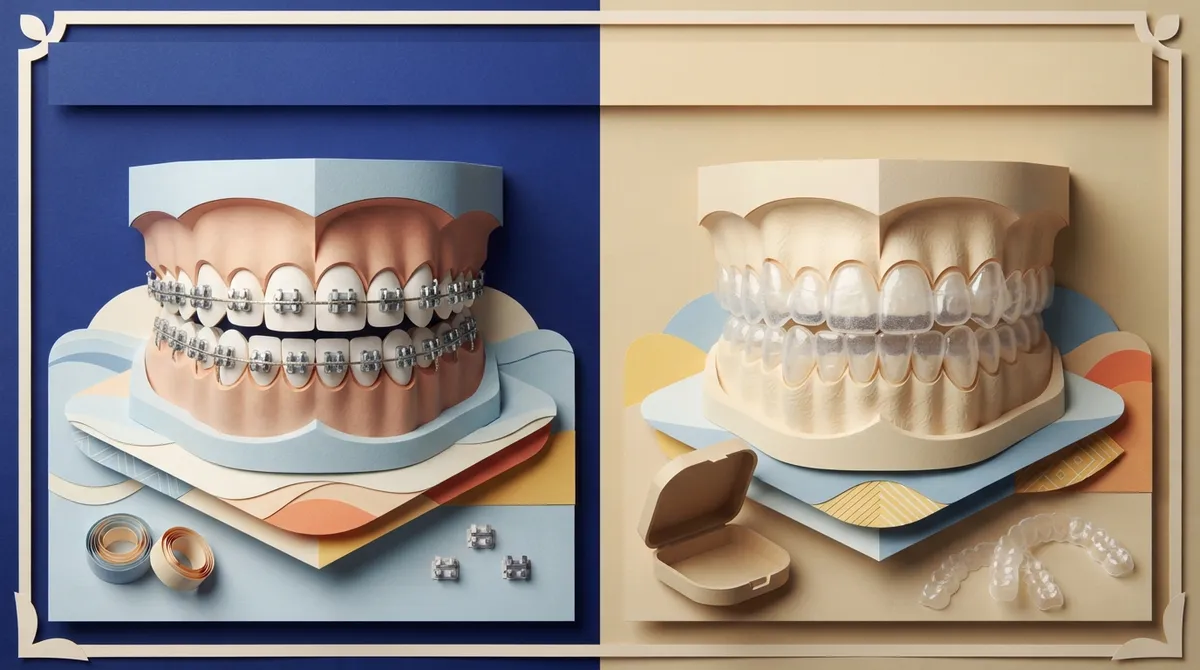
Braces vs. Aligners: A Side-by-Side Look
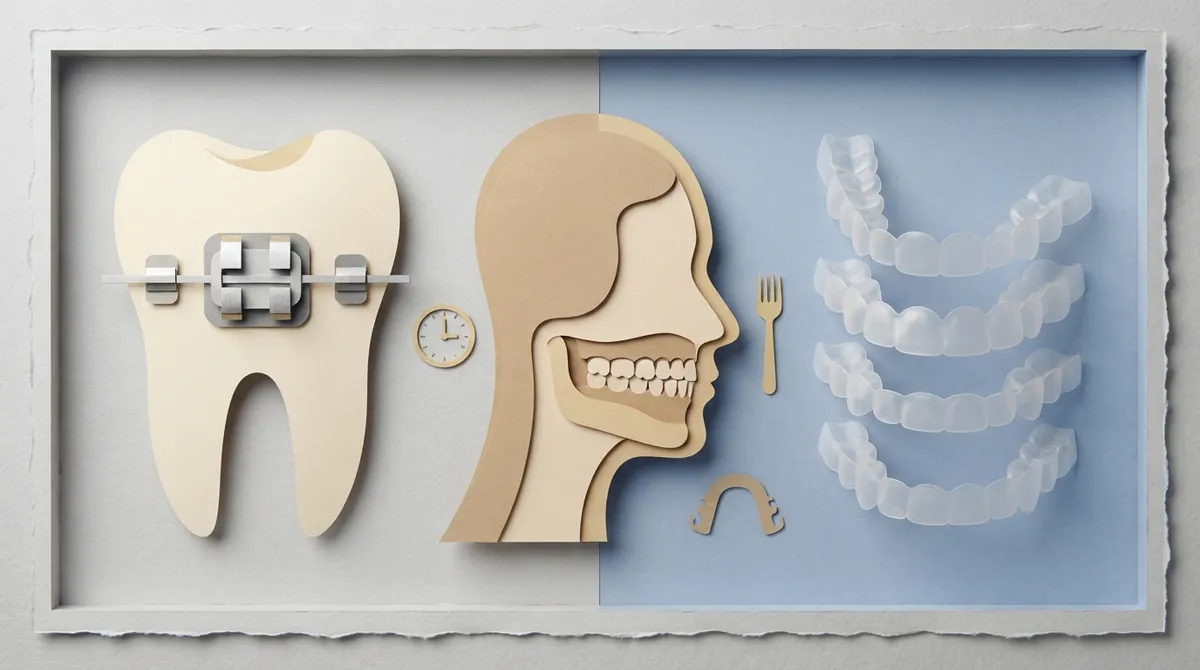
Sometimes seeing things laid out side by side makes decisions much easier. Here’s a simple breakdown comparing the two treatments across the factors that matter most to real patients.
| Factor | Traditional Braces | Clear Aligners |
|---|---|---|
| Removability | Fixed, cannot remove | Removable for eating and brushing |
| Visibility | More visible (unless ceramic) | Nearly invisible |
| Daily wear needed | Worn 24/7 automatically | 20–22 hours a day |
| Best for complex cases | Often more predictable | Great for mild to moderate cases |
| Food restrictions | Avoid hard, sticky, chewy foods | No food restrictions (remove to eat) |
| Cleaning | Trickier around brackets and wires | Easier, but requires discipline |
Looking at a table like this can help, but remember that your case is personal. That’s why we always recommend exploring our orthodontic services page to see everything we offer, then booking a consultation to talk through your specific needs.
What the Research Actually Says
We love data here at Brockway Orthodontics, because it helps us give you honest answers instead of guesses. Let’s look at what recent studies tell us.
- A 2024 systematic review found aligners can be a genuinely effective alternative to braces for many patients, though some tooth movements may still favor traditional fixed appliances.
- That same review reported an average treatment quality score of 17 for braces versus 12 for aligners in one comparison. However, the researchers noted this difference wasn’t clinically significant in most cases.
- A 2024 umbrella review found that aligners can lose accuracy when correcting rotations greater than 15 degrees. Aligners may also face more challenges with open bites and deep bites.
- A 2025 review of aligner rotation studies found accuracy ranging widely, from 36% to 85%, with an average around 65%. The researchers rated this evidence as low to moderate certainty.
What does all this mean for you? Both options work well, but results depend heavily on your specific case and how closely you follow your treatment plan. For more details on how research applies to real patients, the American Dental Association offers helpful consumer resources on orthodontic care.
How to Decide Which Treatment Fits Your Life
Ready to make a decision? Here’s a simple step-by-step process we walk our patients through at every consultation.
- Get a full orthodontic exam. This includes X-rays, photos, and a bite evaluation so we can see exactly what’s happening with your teeth.
- Talk about your goals. Are you hoping to fix a subtle gap before a wedding? Or correct a more serious bite issue? Your goals shape which treatment makes sense.
- Be honest about your habits. Aligners require real discipline. If you know you’ll forget to put them back in after lunch, braces might serve you better.
- Consider your timeline. Some cases move faster with braces, especially complex ones. Others may see similar timelines with aligners, depending on complexity.
- Think about your budget and coverage. Review our financing and insurance options to see what fits your monthly budget comfortably.
This process removes the guesswork and puts you in the driver’s seat with real information, not just guessing games.
Braces: The Reliable Classic
Braces have been trusted for generations, and for good reason. They work continuously, day and night, without you needing to remember anything.
Modern braces have come a long way too. We offer both traditional metal braces and ceramic (clear) braces for patients who want a more discreet look while still getting that reliable, always-on movement.
Braces tend to shine when patients have complex bite issues, severe crowding, or need precise tooth movements that require constant, steady pressure. They also don’t rely on patient compliance the same way aligners do, since they’re fixed in place.
Clear Aligners: Freedom and Flexibility
For many teens, professionals, and busy parents, the appeal of clear aligners is obvious. They’re nearly invisible, removable, and don’t require any diet changes.
At Brockway Orthodontics, we’re proud to offer Spark™ Clear Aligners, a more affordable option compared to some other well-known aligner brands. Patients love that they can eat popcorn at the movies or bite into an apple without worrying about broken brackets.
The catch? Aligners need to be worn about 20 to 22 hours every single day to work properly, according to guidance from the American Association of Orthodontists. Skipping wear time, even with good intentions, can slow your progress or affect the fit of future trays.
Which Audience Tends to Prefer Which Option?
Over the years, we’ve noticed some patterns in what different patients tend to choose. Of course, every case is unique, but these general trends might help you picture your own journey.
- Parents of children and teens often start with a consultation about adolescent treatment, weighing durability of braces against a teen’s desire for discretion.
- Teenagers and young adults preparing for graduation photos or big social events often lean toward aligners or ceramic braces for a more subtle look.
- Adult professionals juggling careers and social lives frequently choose aligners for their discreet appearance, while some select ceramic braces if their case is more complex. Learn more about adult treatment options we offer.
- Orthodontic relapse patients returning for retreatment often benefit from a fresh evaluation, since their needs may differ from their first round of treatment years ago.
- Health-conscious individuals with periodontal concerns may need a customized plan that considers gum health alongside straightening goals.
No matter which group you fall into, the goal is the same: a confident, healthy smile that fits your life.
Comfort, Care, and What to Expect
Both treatments can cause some soreness, especially right after braces get tightened or when you switch to a new aligner tray. This is completely normal and usually fades within a few days.
Good oral hygiene matters no matter which path you choose. Braces can make brushing and flossing trickier around brackets and wires. Aligners are easier to clean around, but you still need to brush after meals before popping them back in.
Regular checkups with your orthodontist help keep things on track, whether you’re wearing braces or aligners. The Florida Association of Orthodontists offers great consumer resources if you want to dive deeper into orthodontic care standards across our state.
Life After Treatment: Retainers Matter Too
Here’s something many patients don’t expect: your orthodontic journey doesn’t end when your teeth look straight. Both braces and aligner patients need retainers afterward to keep everything in place.
Without a retainer, teeth can slowly shift back toward their old positions. Your orthodontist will create a retention plan tailored just for you, so your hard work pays off for years to come.
Why Choose Brockway Orthodontics for Your Decision
Making this decision doesn’t have to feel overwhelming. Dr. Brockway takes the time to listen to your concerns and your dreams for your smile, making sure you feel informed every step of the way.
We use modern technology like digital impressions and 3D imaging to plan your treatment precisely, whether you choose braces or Spark™ Clear Aligners. This means more comfort for you and a treatment plan built around your actual mouth, not guesswork.
We also understand that life gets busy. That’s why we offer same-day treatment options in certain cases, so you can get started without juggling multiple appointments. Curious what other Clearwater families think? You can visit us on Google — Brockway Orthodontics to read real reviews from our community.
Common Mistakes to Avoid When Choosing
Before you make your final decision, keep these common pitfalls in mind. They can help you avoid regret down the road.
- Choosing aligners purely for looks without considering whether you’ll actually wear them consistently.
- Assuming braces are always faster, when in reality, timelines depend on case complexity.
- Skipping the retainer phase after treatment, which can undo months or years of progress.
- Not asking about payment plans before starting treatment, leading to budget stress later.
- Choosing a provider based on price alone instead of experience and personalized care.
Avoiding these mistakes starts with an open conversation with your orthodontist. Don’t be shy about asking questions during your consultation!
Bringing It All Together
So, which is better, braces or aligners? The real answer is: it depends on you. Your bite, your lifestyle, and your personal goals all play a role in finding the right fit.
The good news is you don’t have to figure this out alone. Our team at Brockway Orthodontics is here to walk you through every option, answer your questions, and help you feel confident about your choice. You can also follow our journey and see patient transformations on Instagram or connect with us on Facebook for community updates and smile inspiration.
Ready to find out which treatment fits your smile best? Book appointment online today and take the first step toward the confident smile you deserve. Have questions before you schedule? Feel free to contact us anytime, we’re always happy to help our Clearwater neighbors.
FAQs
Q: Are braces or clear aligners more effective for my teeth?
A: Honestly, it depends on your specific case! Both can be very effective, but braces are often more predictable for complex movements while aligners work great for mild to moderate crowding and spacing. The best way to know for sure is to schedule an exam with an orthodontist who can look at your unique smile.
Q: Can clear aligners fix an overbite, underbite, or crossbite?
A: Aligners can address some bite issues, but their success really depends on the severity of the problem. More complex bite corrections sometimes need braces for the best results. We’ll always give you an honest recommendation based on what we see during your exam.
Q: How many hours a day do I need to wear clear aligners?
A: Most orthodontists recommend wearing aligners for about 20 to 22 hours each day. That means you basically only take them out to eat and brush your teeth! Sticking to this schedule really is the secret to staying on track with your treatment timeline.
Q: Do braces or aligners hurt more?
A: Both can cause some temporary soreness, especially right after an adjustment or when starting a new aligner tray. The good news is this discomfort is usually mild and fades within a few days. Most patients tell us it’s totally manageable once they get into a routine.
Q: Will I need to wear a retainer after braces or aligners?
A: Yes, retainers are a must after either treatment! Your teeth can naturally want to shift back over time, so a retainer helps lock in all that hard work. We’ll create a personalized retention plan so your smile stays beautiful for years to come.
Our Service Area