
Key Takeaways
-
The American Association of Orthodontists recommends a screening check-up by age 7, not for immediate braces, but to catch developing problems early while jaw growth can still be guided naturally.
-
Most children start comprehensive braces around ages 12-13 when permanent teeth have fully arrived, but the right timing depends on individual tooth and jaw development, not age alone.
-
Adults can get braces at almost any age as long as teeth and gums are healthy; approximately 2.37 million adults are currently in orthodontic treatment across the country.
-
Early (Phase One) treatment is only recommended for specific conditions like severe crossbites, significant overbites, extreme crowding, or jaw growth imbalances; starting too early without clear reasons extends total treatment time.
-
Orthodontic treatment typically lasts 12 months to 2.5 years with a median of 22 months, and timeline depends on crowding severity, treatment type chosen, and consistency with care instructions.
-
Common signs indicating orthodontic evaluation is needed include crowded or overlapping teeth, noticeable gaps, uneven bite, protruding teeth, jaw sounds, or difficulty chewing.
If you have ever typed “when should I get braces” into a search bar late at night, you are not alone. Parents wonder if their 8-year-old needs an early check. Teens want straight teeth before prom. Adults look in the mirror and think, “is it too late for me?” The good news is there is a clear, friendly answer, and it does not depend on one magic age.
At Brockway Orthodontics in Clearwater, we help patients of every age figure out the right time to start treatment. Dr. Brockway looks at your bite, your teeth, and your goals, not just a number on a birthday cake. This guide walks you through exactly how orthodontists decide timing, so you can feel confident about your own next step.
Why There Is No Single Best Age for Braces
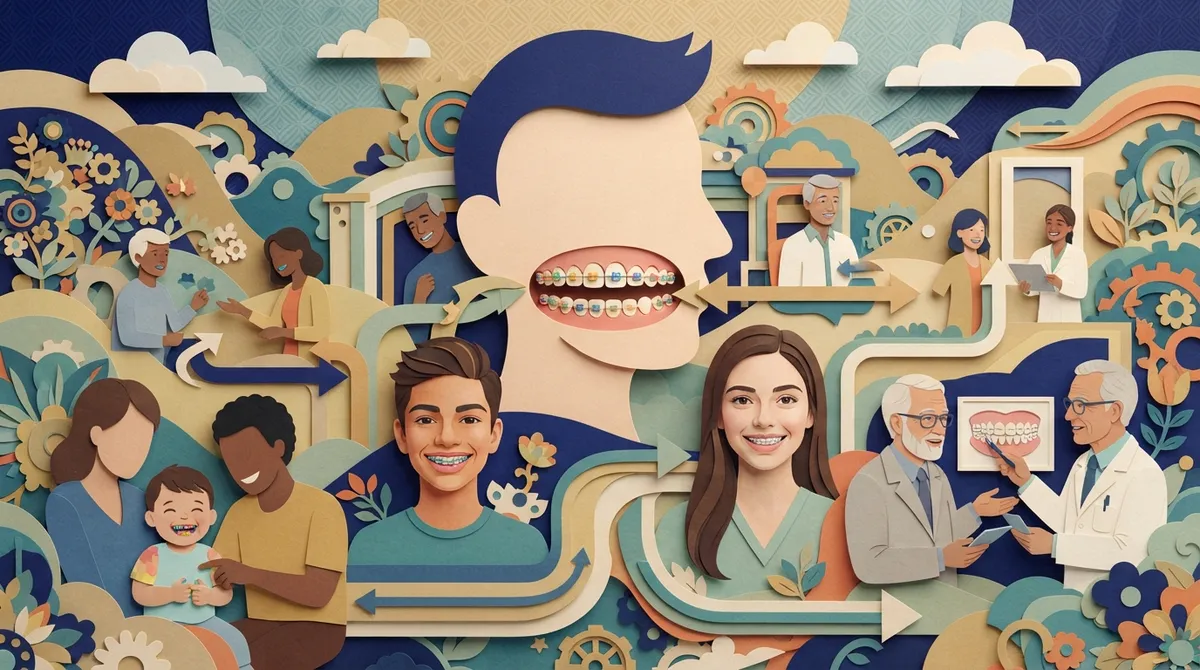
Here is the truth: age alone does not decide when you need braces. What matters more is how your teeth and jaw are developing, and what specific problem needs fixing. A 7-year-old with a narrow jaw might need early help. A 13-year-old with mild crowding might be perfect for full braces. And a 45-year-old professional might be a great candidate too.
Orthodontists look at several things before recommending treatment:
- How your bite fits together (do your top and bottom teeth meet correctly?)
- Whether your permanent teeth have room to come in
- Signs of crowding, spacing, or crooked teeth
- Jaw growth patterns, especially in growing children
- Your overall gum and dental health
This is why an orthodontic evaluation is so important. It gives you real answers based on your mouth, not guesswork.
The Age 7 Check-Up: What It Really Means
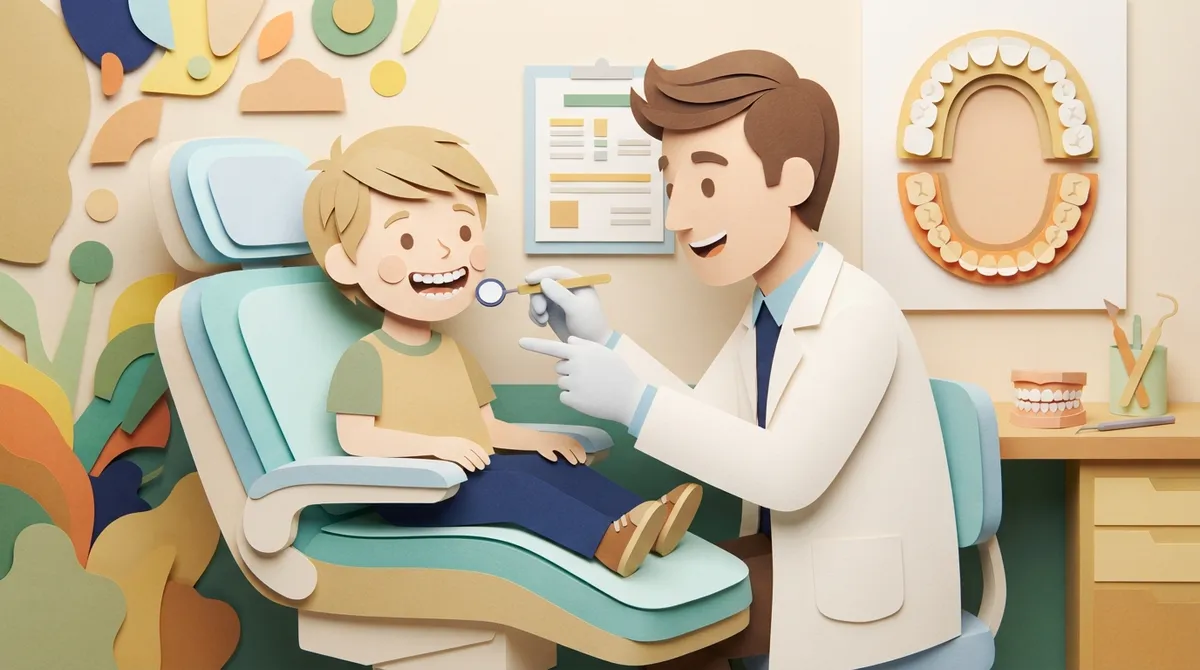
The American Association of Orthodontists recommends that kids have their first orthodontic check-up by age 7. This surprises a lot of parents. At age 7, most kids still have plenty of baby teeth. So why so early?
This visit is not about starting braces right away. It is a screening. Dr. Brockway can spot developing problems while there is still time to guide growth in the right direction. Think of it like a check engine light for your child’s smile. It does not mean something is broken. It just means it is worth a look.
During this early visit, we check for:
- Crossbites, where top and bottom teeth do not line up correctly
- Severe crowding that may need room-making later
- Jaw growth issues that are easier to guide at a young age
- Extra or missing teeth
- Habits like thumb sucking that affect tooth position
Most children who come in at age 7 do not need treatment right away. Many are simply monitored every so often until more permanent teeth arrive. Learn more about what this first visit involves on our early treatment page.
When Most Kids Actually Start Full Braces
While age 7 is for checking, most children who need comprehensive braces start around ages 12 to 13. This is not a hard rule, but it lines up with when most permanent teeth have come in. The NHS also notes that the usual age for braces is around 12 to 13, though treatment can happen earlier or later depending on the child.
Why this age range works well for many kids:
- Most baby teeth have been replaced by permanent ones
- There is enough room to see the full picture of the bite
- Kids this age are often better at keeping up with oral hygiene
- Treatment can often be completed before high school milestones
Every child grows differently, though. Some may be ready a little earlier, others a little later. That is exactly why we do not rely on age alone. We look at actual tooth and jaw development during your adolescent treatment evaluation.
When Early (Phase One) Treatment Makes Sense
Sometimes waiting until all permanent teeth arrive is not the best plan. Certain problems benefit from early treatment while a child is still growing. This is often called Phase One treatment.
Early treatment might be recommended for:
| Condition | Why Early Treatment Helps |
|---|---|
| Severe crossbite | Guides jaw growth before bones fully set |
| Significant protrusion (overbite) | Reduces risk of injury to front teeth |
| Extreme crowding | Creates space for permanent teeth to come in |
| Jaw growth imbalance | Easier to correct while jaw is still developing |
If your orthodontist does not see one of these specific concerns, waiting is usually the smarter choice. Starting braces too early, without a clear reason, can mean longer total treatment time. This is why a proper exam matters so much before jumping into any plan.
Can Adults Get Braces? Yes, at Almost Any Age
Here is something we want every adult reading this to know: it is never too late to get braces, as long as your teeth and gums are healthy enough to support treatment. Age is not the limiting factor for adults. Gum health, bone support, and existing dental work matter more.
According to the American Association of Orthodontists’ 2025 economics survey, roughly 1.9 million adults were in orthodontic treatment with AAO-member orthodontists across the country. When including non-member orthodontists too, that number climbs to about 2.37 million. Adults are choosing braces more than ever, often for reasons like:
- Fixing shifting teeth from years ago (orthodontic relapse)
- Correcting a bite that causes jaw pain or wear
- Wanting a straighter smile for career or confidence reasons
- Improving speech or chewing function
If you have gum disease, missing teeth, crowns, or other dental work, this does not automatically rule out braces. It just means your treatment plan may need extra coordination with a dentist or periodontist first. Our adult treatment options are designed with busy professionals in mind, including Spark™ Clear Aligners, a discreet and often more affordable alternative for straightening teeth without metal brackets.
Signs You or Your Child Might Need Braces
Not sure if it is time for an evaluation? Here are common signs that point toward needing orthodontic care:
- Teeth are crowded, overlapping, or twisted
- There are noticeable gaps between teeth
- The upper and lower teeth do not meet evenly when biting down
- Teeth protrude or stick out further than normal
- Jaw makes clicking or popping sounds
- Difficulty chewing or biting food comfortably
- Speech is affected by tooth position
- Losing baby teeth much earlier or later than expected
If any of these sound familiar, it is worth scheduling a consultation. You can browse our full range of orthodontic services to see what might fit your situation.
What Happens During an Orthodontic Assessment
Wondering what your first visit actually looks like? It is simpler than you might think. A typical assessment includes:
- A friendly conversation about your concerns and goals
- A visual exam of your teeth, bite, and jaw
- Photographs to document your current smile
- X-rays or digital scans, when needed, to see tooth roots and jaw structure
- A clear explanation of whether treatment is recommended now, later, or not at all
You do not need a referral from your dentist to book this visit, though many dentists do suggest one. You can reach out directly whenever you are ready. Feel free to get in touch with our team to set up your first appointment.
How Long Does Treatment Actually Take?
Treatment length depends on your specific case, but there are some helpful averages. NHS guidance states that orthodontic treatment commonly lasts 12 months to 2.5 years. The AAO’s 2025 survey found a median active treatment time of 22 months among patients surveyed.
Several factors affect your timeline:
- How much crowding or spacing needs correcting
- Whether you need traditional braces or clear aligners
- How consistently you wear aligners or keep appointments
- Whether any teeth need extra attention, like extractions
- Your commitment to following care instructions at home
Once active treatment ends, retainers become essential. Teeth can shift without them, even years after braces come off. Our retainer guidance explains exactly how to protect your results long term.
Braces Options at Brockway Orthodontics
Once you know it is time for treatment, the next question is which option fits your lifestyle. We offer several choices for patients throughout Clearwater:
| Treatment Type | Best For |
|---|---|
| Traditional metal braces | Complex cases, kids and teens, budget-friendly option |
| Ceramic (clear) braces | Teens and adults wanting a more discreet look |
| Spark™ Clear Aligners | Adults and teens wanting a nearly invisible, removable option |
Every plan is customized. Dr. Brockway takes time to walk you through the pros and cons of each option based on your bite, your schedule, and your comfort level. You can review the full details on our all about braces page.
Why Clearwater Families Choose Brockway Orthodontics
Dr. Brockway has built her practice around genuine care for the Clearwater community. She is not just checking boxes. She listens to what you want your smile to look and feel like, then builds a plan around that vision. Our office uses modern technology, including digital scans instead of messy molds, so your visits are faster and more comfortable.
We also know life gets busy. That is why we offer same-day treatment options in certain cases, so you are not stuck scheduling multiple separate visits just to get started. Whether you are bringing in your 7-year-old for that first check-up or exploring aligners for yourself, our team makes the process simple and welcoming.
Curious what other patients think? You can visit us on Google to read Brockway Orthodontics reviews from real families in the area. You can also find us on Facebook and Instagram for smile transformations and helpful tips.
For general guidance on dental health alongside orthodontic care, the American Dental Association offers useful resources on maintaining healthy teeth and gums. And if you want to verify credentials or learn more about orthodontic standards in our state, the Florida Association of Orthodontists is a great resource too.
A Few More Tips Before You Decide
Before wrapping up, here are a few extra pointers worth keeping in mind:
- Do not wait for pain before seeking an evaluation. Most orthodontic issues develop quietly.
- If your dentist mentions crowding or bite concerns, take that seriously and follow up.
- Adults with busy schedules should ask about discreet options like clear aligners.
- Kids do not need to start braces the moment their check-up happens. Timing is personalized.
- Home care, like brushing and diet choices, affects how well treatment progresses.
And while we are talking about taking care of things around your home and property, many of our patients also appreciate a well-kept lawn to match their improved smile. Local favorite All Trusted Lawn Care is another Clearwater-area business known for reliable, quality service.
Ready to Find Out If It Is Time for Braces?
The right time for braces is different for everyone. It depends on your teeth, your bite, your age, and your goals. The best way to know for sure is a simple, friendly evaluation with a team that genuinely cares about your smile journey. Dr. Brockway and our team are here to answer your questions without pressure or judgment.
Ready to take the next step? Book your appointment online today and let us help you figure out exactly when and how to get the smile you have been wanting.
FAQs
Q: What is the best age to get braces?
A: Honestly, there is no single best age! It depends on your bite, your teeth, and your jaw growth. Many kids start full braces around age 12 or 13, but adults can get great results at any age too.
Q: Should my child see an orthodontist at age 7?
A: Yes, we recommend it, but do not worry, this is just a friendly check-up, not a sign your child needs braces right away. It helps us catch any developing issues early while there is still time to guide things naturally.
Q: Can adults get braces, and is there an age limit?
A: There is no upper age limit for braces! As long as your teeth and gums are healthy enough, you can absolutely get treatment. We see adults of all ages transform their smiles with confidence.
Q: How long do braces usually take to work?
A: Most patients wear braces for about 12 months to 2.5 years, with an average around 22 months. Your exact timeline depends on your specific needs and how consistently you follow your treatment plan.
Q: Can I get braces if I have gum disease or missing teeth?
A: It is definitely possible, but it may require some extra planning with your dentist first. We will work closely with your dental team to make sure your treatment is safe and effective.
Our Service Area