Key Takeaways
-
Expect the final visit to take about an hour, mainly pressure rather than pain, as the orthodontist removes the archwire and releases each bracket or band.
-
Your orthodontist first confirms your teeth and bite are ready; if a tooth still needs movement, removal may be postponed, which protects your long-term results.
-
Retainers are the key to keeping your smile: teeth tend to drift back, so ask whether you'll get your retainer that day or after scans or impressions.
-
Expect your teeth and tongue to feel odd or sensitive for a day or two, and eat soft foods at first while you adjust.
-
Ask your orthodontist when it is safe to start whitening, and clarify your personal retainer wear schedule, including when you can reduce daytime wear.
-
If your retainer feels tight, cracked, or painful, do not force it in; stop wearing it and contact your orthodontist promptly to prevent shifting.
After months (or years!) of tightening visits, rubber bands, and careful brushing, the big day is almost here. If you are wondering what happens at the final braces appointment, take a deep breath and get ready to smile. This visit is one of the happiest moments in orthodontic care, and it is much easier than most people expect.
Many patients picture something scary or painful. The truth is far friendlier. Your orthodontist checks your results, removes your braces, polishes your teeth, and gets you ready for the next step: keeping that gorgeous smile in place with a retainer.
In this guide, we will walk you through each step in plain language. Whether you are a parent helping a nervous kid, a teen counting down to graduation photos, or an adult who has waited a long time for this moment, you will know exactly what to expect. Let’s get started!
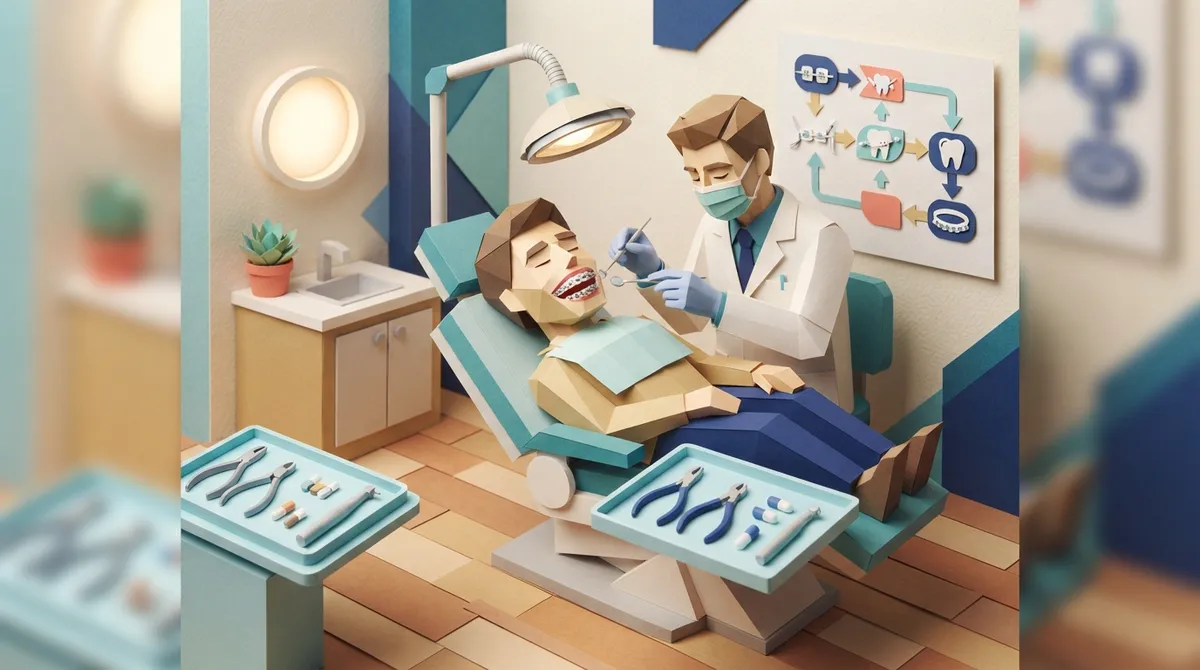
The Final Braces Appointment at a Glance
The final visit is often called a “debonding” appointment. That is just a fancy word for taking off your brackets. The exact steps can vary from one practice to another, but most visits follow the same simple path.
| Step | What Happens | What You May Feel |
|---|---|---|
| 1. Final check | Your orthodontist confirms your teeth are in the right spots | Nothing at all |
| 2. Braces removal | Wires and brackets (or bands) come off with special tools | Pressure, not sharp pain |
| 3. Cleaning and polishing | Leftover bonding material is removed and teeth are polished | Vibration and a gritty feeling |
| 4. Records | Photos, X-rays, scans, or impressions may be taken | Nothing uncomfortable |
| 5. Retainer plan | You learn about your retainer and follow-up visits | Pure excitement! |
A consumer guide from Oral-B describes this visit as taking about an hour. Keep in mind that appointment length varies with your treatment and retainer plan, so ask your orthodontist what to expect for you.
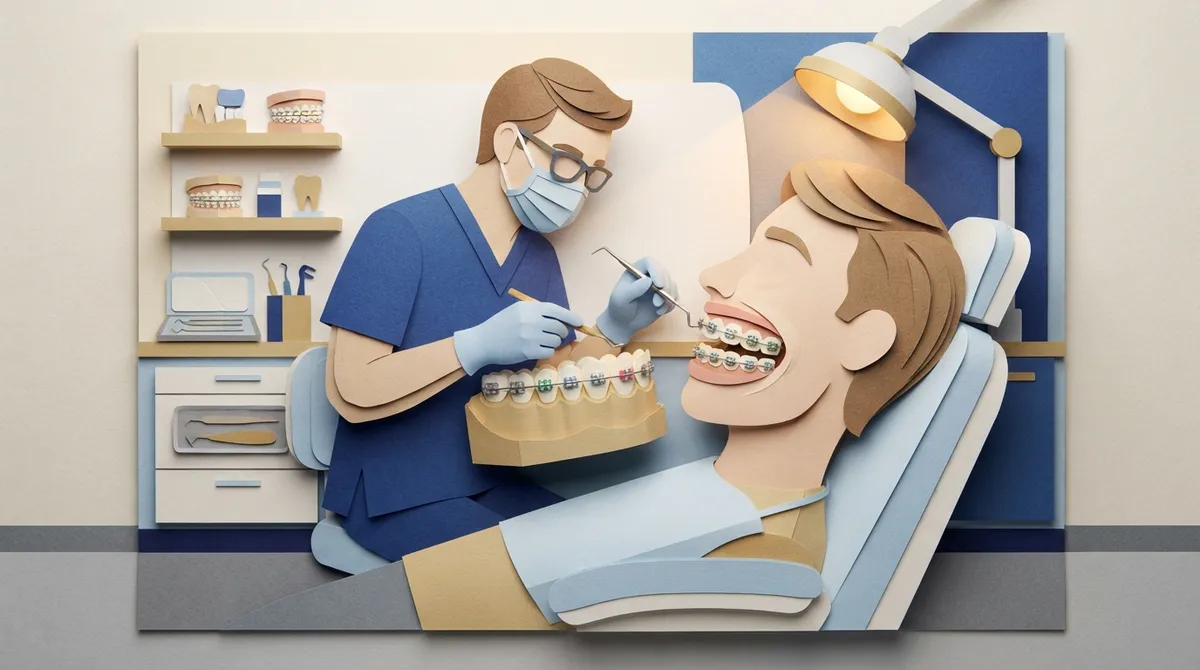
Step 1: The Final Check Before Braces Come Off
Before anything comes off, your orthodontist makes sure active treatment is truly finished. They look at how your teeth line up, how your upper and lower teeth fit together, and whether your bite feels balanced.
If everything looks great, you get the green light. If a tooth still needs a little more movement, your orthodontist may postpone removal. That might feel disappointing, but it is a good thing. It means your team wants your results to last.
Step 2: Taking Off the Wires and Brackets
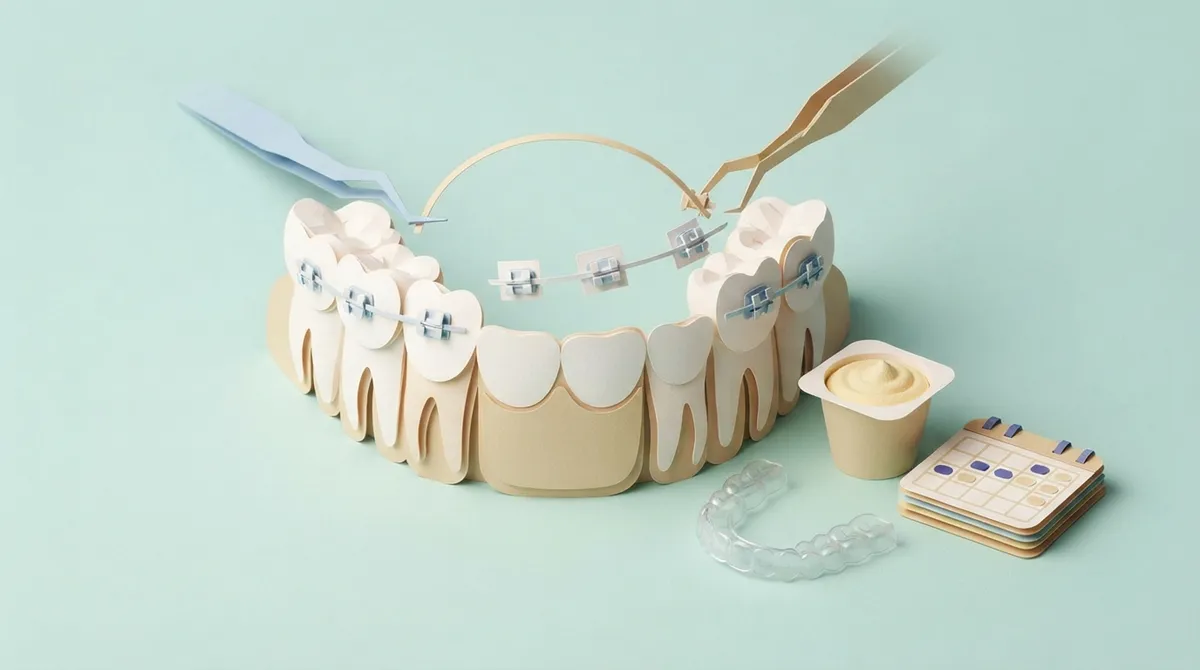
This is the moment everyone is waiting for! Your orthodontist first removes the archwire. Then they use special instruments to gently release each bracket or band from your teeth.
Most patients feel pressure rather than sharp pain. Some people notice a little sensitivity, especially if their teeth have been shifting recently. It usually passes quickly. Think of it like the feeling after a tough workout: your teeth have been working hard, and now they can finally relax.
Removal often goes faster than patients expect. Many people say they were surprised by how quickly the braces came off compared with how long they wore them. If you are curious about timing, our guide on how long it takes to remove braces covers it in more detail.
Step 3: Cleaning and Polishing Your Teeth
After the hardware is gone, a thin layer of bonding material may still be stuck to your teeth. Your orthodontist carefully removes it and then polishes each tooth until it feels smooth and fresh.
Here is a fun surprise: your teeth may feel strange when you run your tongue across them. They can feel unusually smooth, a little bare, or just plain different. That is normal. Your tongue has spent a long time getting to know your brackets, so it needs a few days to adjust.
What Your Teeth May Look Like Underneath
Sometimes patients notice faint lines or lighter spots where the brackets used to sit. This can happen when areas around brackets were harder to clean. If you are hoping for a brighter finish, you may enjoy reading 5 proven ways to get white teeth after braces. Be sure to ask your orthodontist when it is safe to start whitening.
Step 4: Final Records of Your New Smile
Your orthodontist will usually want to document your results. Depending on the practice, you may have one or more of these:
- Final photographs of your face and smile
- X-rays to check tooth and root positions
- A digital scan of your teeth
- Impressions used to make your retainer
These records are not just for show. They help your orthodontist track your results over time and create a retainer that fits your new smile just right. It also makes for a great “after” picture to compare with your first visit.
Step 5: Getting Your Retainer
Here is the most important part of the whole appointment: your retainer. Teeth have a natural habit of drifting back toward where they started, even after treatment. A Cochrane evidence review on orthodontic retention (updated in 2026) notes that relapse can occur after braces, which is why retainers matter so much.
Whether you get your retainer on the same day depends on your practice and the type of retainer. Some patients leave with a retainer in hand. Others have a scan or impressions taken and return a bit later to pick it up. Ask your orthodontist what the plan is so there are no surprises. Our overview of retainers explains the options in more detail.
Types of Retainers You Might Receive
- Removable retainers: You take them out to eat, brush, and clean them.
- Fixed (bonded) retainers: A thin wire is attached behind your teeth and stays in place.
- A combination: Some patients receive both a fixed and a removable retainer.
The Cochrane review also notes that evidence comparing fixed and removable retainers is limited, and any difference may be small. In other words, the “best” retainer is the one your orthodontist recommends for you and the one you will actually use.
What Your Orthodontist Will Explain
Before you head home, your team will go over a few key things:
- How to put your retainer in and take it out
- How to clean it every day
- How long to wear it at first
- When you can cut back on wear time
- Where to store it so it stays safe
Retainer schedules are personal. Some patients begin by wearing a removable retainer most of the day and night, then reduce wear over time. Long-term nighttime wear is commonly recommended. Always follow your own orthodontist’s instructions, since they know your teeth best. For day-to-day tips, check out how to wear a retainer after braces and keep your smile.
What It Feels Like Right After Braces Come Off
Once the appointment ends, you may notice a few things. Do not worry. These are very normal.
- Your teeth may feel a little sensitive for a day or two.
- Your tongue and lips may feel like they have extra room.
- Your bite may feel slightly different as you adjust.
- Your retainer may feel snug at first.
Soft foods can feel nice on day one if your teeth are tender. Beyond that, you can finally enjoy the foods you have been missing, like corn on the cob, crunchy apples, and chewy treats. Just keep brushing and flossing well, because healthy gums and clean teeth are part of a lasting smile.
Tips for Different Patients
For Parents of Kids and Teens
If your child is nervous, remind them that removal is usually quick and does not involve needles. Let them know it is normal to feel pressure. Celebrate afterward with a smile photo. Most importantly, help your child build a retainer routine right away. Keeping the retainer case in the same spot every night makes it a habit. Kids and teens lose retainers often, so a bright case can help.
For Teens and Young Adults
Big events like graduation, prom, or a new job are great motivators. Your retainer is what keeps your smile picture-perfect for all of them. Wear it as directed, even on busy days, and never wrap it in a napkin at lunch. That is how retainers end up in the trash!
For Adult Professionals
Your schedule is full, so build retainer wear into your evening routine. Pair it with brushing at night so it becomes automatic. If a work trip is coming up, pack your case and a spare cleaning brush.
For Patients Who Had Braces Before
If you had treatment years ago and your teeth have shifted, you are not alone. Many adults come in for a second round after a retainer was lost or skipped. The good news is that modern options can help. This time, a solid retainer plan is the secret to keeping your results. You can learn more about adult treatment options if you are thinking about a fresh start.
Your Smile Journey Does Not End When Braces Come Off
Many people think removing braces means they are done with the orthodontist. In reality, the braces coming off does not necessarily end orthodontic care. Your orthodontist may schedule follow-up visits to check your bite, tooth positions, and retainer fit.
These check-ins are quick and important. They catch small changes early, so you can fix them before they become big problems. Think of them as little tune-ups for your smile.
What to Do If Your Retainer Does Not Feel Right
Sometimes a retainer feels tight, will not fully seat, or gets damaged. Here is a simple plan:
- Do not force it into place.
- Stop wearing it if it is painful or cracked.
- Call your orthodontist right away.
- Keep the retainer safe and bring it to your visit.
If your retainer breaks, our quick guide on what to do if your retainer breaks can help. The sooner you act, the less likely your teeth are to shift.
Why Retainers Matter So Much
It may feel unfair to keep wearing something after all your hard work. But think about the time and effort you put into your treatment. A retainer protects that investment. Teeth can shift over time, and the retainer is what keeps them in their new home.
The American Dental Association and the Florida Association of Orthodontists both share helpful resources about oral health and orthodontic care if you want to learn more. And at Brockway Orthodontics, we love helping patients of all ages protect their results for years to come. Dr. Brockway takes time to explain every step so you feel confident, informed, and cared for. You can meet Dr. Brockway and see how we approach every smile.
How to Prepare for Your Final Braces Appointment
A little prep makes the day smoother. Here is a quick checklist:
- Brush and floss well before you arrive.
- Eat a light meal, since your teeth may feel sensitive afterward.
- Ask about your retainer plan ahead of time.
- Bring any questions you have written down.
- Plan a small celebration, like a favorite treat.
Most of all, enjoy the moment. You have earned it!
Ready to Start Your Own Smile Journey?
Knowing what happens at the final braces appointment can turn nerves into excitement. You will have your teeth checked, your braces removed, your smile polished, and a clear plan for your retainer. Then you get to walk out with a smile you can be proud of.
If you are not there yet but are dreaming about it, we would love to help. Brockway Orthodontics offers braces and clear aligners for kids, teens, and adults, all with warm, personalized care. See what our patients say by visiting Brockway Orthodontics on Google, or learn about our services to find the best fit for your family.
Ready to take the first step? Book your free consultation online and let’s talk about your smile goals. You can also contact us anytime with questions. We cannot wait to cheer you on, all the way to your final braces day!
FAQs
Q: What happens during the final braces appointment?
A: Your orthodontist first checks that your teeth are ready, then removes the wires and brackets or bands. Next, they clean off any leftover bonding material, polish your teeth, and take final records like photos or scans. You also learn how to use and care for your retainer.
Q: Does getting braces removed hurt?
A: Most patients feel pressure rather than sharp pain, and the process is usually quick. Your teeth may feel a little sensitive afterward, but that typically fades within a day or two. If you are nervous, just let your team know and they will walk you through every step.
Q: Do I get my retainer on the same day my braces come off?
A: It depends on the practice and the type of retainer. Some patients leave with a retainer that day, while others have a scan or impressions taken first and pick it up later. Ask your orthodontist ahead of time so you know the plan.
Q: How long do I have to wear a retainer after braces?
A: Retainer schedules are individualized. Many patients wear a removable retainer most of the day and night at first, then switch to nights only. Long-term nighttime wear is commonly recommended, so follow your own orthodontist’s instructions.
Q: What should I do if my retainer feels tight or does not fit?
A: Do not force it into place. Stop wearing it if it hurts or looks damaged, and contact your orthodontist right away so they can check the fit and help you fix it.
Our Service Area