Key Takeaways
-
Aligners can help many mild-to-moderate dental bite problems, but results depend on whether the cause is tooth position or jaw size and position.
-
Bite problems from jaw mismatch usually need braces, appliances, or surgery, since aligners alone are rarely enough for skeletal causes.
-
Research shows low-quality evidence and no clear aligner advantage over braces for straightforward cases, so expectations should be realistic.
-
Deep bites and open bites have more variable aligner outcomes and often need attachments, elastics, or a combined plan with braces.
-
Aligners only work when worn about 22 hours a day, and consistency matters even more for bite correction than for straightening alone.
-
A proper exam with X-rays, photos, and digital scans is the only reliable way to determine whether aligners or braces suit your specific bite.
Let’s be honest. When most people think of clear aligners, they picture straighter front teeth. But what about the way your top and bottom teeth meet? That’s your bite, and it matters more than most of us realize. So, can aligners address bite concerns? The short answer is yes, in many cases. The longer answer depends on what’s causing the problem and how big it is.
If you’re a parent wondering about your teen, a busy professional who wants a discreet fix, or an adult whose teeth have shifted since your first round of treatment, this guide is for you. We’ll walk through nine bite concerns, explain where aligners shine, and be honest about where they have limits.
Here’s the good news. A careful exam can tell you which path fits you best. At Brockway Orthodontics, we love helping families sort through these choices in a friendly, no-pressure way. Let’s dive in!
First, What Does “Bite Concern” Actually Mean?
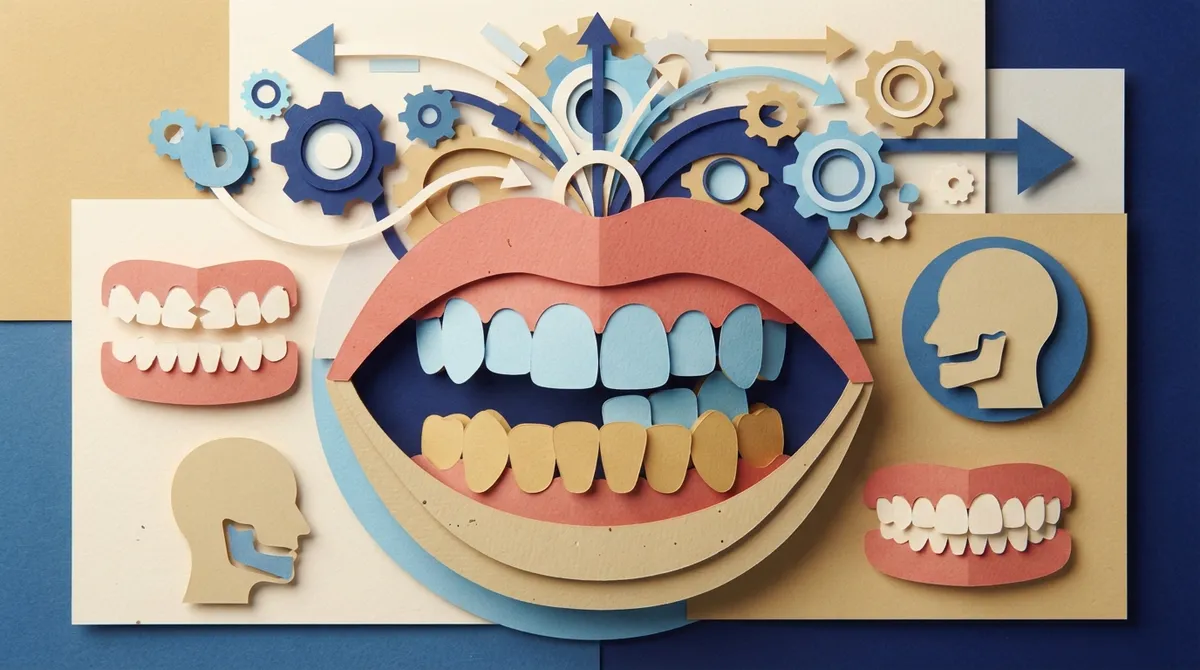
Your bite is simply how your upper and lower teeth fit together when you close your mouth. A healthy bite lets you chew comfortably and speak clearly. It also helps spread biting force evenly across your teeth.
A “bite concern” means those teeth don’t meet the way they should. Orthodontists call this a malocclusion. Some are cosmetic. Others can lead to jaw strain, uneven wear, or trouble chewing.
Here’s the key idea. Bite problems come from two main sources:
- Dental causes: The teeth are tipped, crowded, or out of position, but the jaws line up well.
- Skeletal causes: The upper and lower jaws differ in size or position.
This difference matters a lot. Aligners tend to work best on dental causes. Skeletal causes often need more tools.
Can Aligners Address Bite Concerns? The Honest Answer
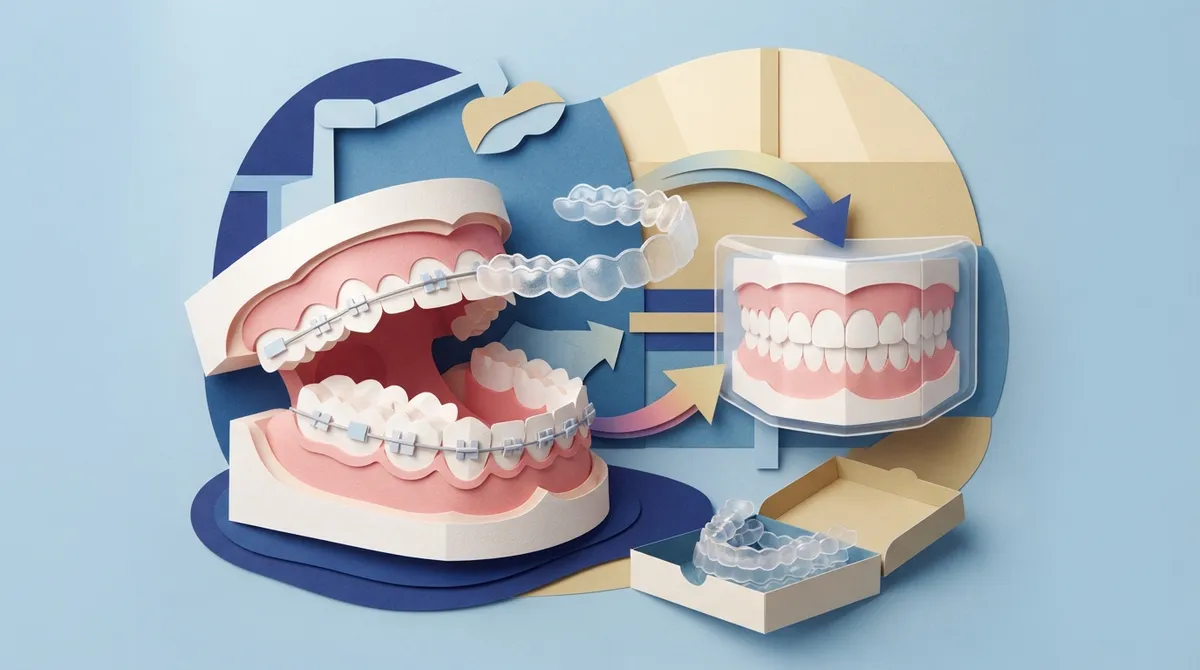
Clear aligners move teeth in small, planned steps using a series of custom trays. Orthodontists can use them for overbites, underbites, open bites, and crossbites. But success depends on the cause and the severity.
Research backs this up with some caution. A 2025 systematic review and meta-analysis looked at 21 randomized controlled trials with 970 participants. It found low-quality evidence overall and no clear aligner advantage over fixed braces for straightforward, non-extraction cases (ScienceDirect, 2025). In other words, aligners can do a lot, but they are not magic for every bite.
The takeaway is simple. Mild-to-moderate dental bite problems are the sweet spot. Bigger jaw-based problems may need braces, helpers like elastics, or a combined plan.
9 Bite Concerns and What Aligners Can Do
1. Overbite
An overbite happens when the top front teeth cover too much of the bottom front teeth. It’s one of the most common bite concerns we see.
Aligners can help with many mild-to-moderate overbites. The trays can tip and shift teeth to improve how they meet. Orthodontists often add small tooth-colored bumps called attachments, plus rubber bands, to guide the bite.
If the overbite comes from a jaw that sits too far back, aligners alone may not be enough. Curious how braces handle this? Our guide on how braces fix a deep overbite explains the other side of the story.
2. Deep Bite
A deep bite is when the top teeth cover most of the bottom teeth, sometimes hiding them almost completely. This is where the research gets a bit more careful.
A 2025 systematic review screened 829 studies and included 18 on clear aligners for deep-bite correction. It reported bite opening of 0.4 to 3.8 mm and accuracy of about 33% to 48.88%. The authors rated the evidence as low quality and cautioned against saying aligners beat fixed braces (PubMed, 2025).
What does that mean for you? Aligners may help a mild deep bite, but results can vary. Your orthodontist may plan to move teeth more than needed, since not every planned movement happens. Your provider may also suggest braces or a mix of both.
3. Underbite
An underbite is when the bottom teeth sit in front of the top teeth. Some underbites come from tooth position. Others come from a jaw that has grown more than the upper one.
For mild, tooth-based underbites, aligners with elastics can sometimes work. For underbites tied to the jaw bones, you may need other appliances. In certain adult cases, jaw surgery is part of the plan. An exam with X-rays and scans tells the real story.
Want a deeper look at your choices? Check out your best options for underbite treatment.
4. Crossbite
A crossbite means some upper teeth sit inside the lower teeth when you bite down. It can happen on one side or in the front.
Aligners can correct some crossbites, especially when only a few teeth are involved. If the upper jaw is too narrow, a palatal expander may come first. Kids and teens often do well with this approach while their jaws are still growing.
Learn more in our post on how crossbite correction works.
5. Open Bite
An open bite leaves a gap between the top and bottom front teeth when you close your back teeth. It can make biting into foods like sandwiches tricky.
This one is tough. A 2025 scoping review of adult anterior open-bite treatment included 30 studies from an initial pool of 802 articles. It noted that outcomes may involve moving the front teeth down and the back teeth up, often with extra tools. It also found that digital plans can overestimate how much movement actually happens (PubMed, 2025).
So aligners can help some open bites, but they usually need a skilled plan and a few helpers. Habits like tongue thrusting may also need attention.
6. Crowded Teeth That Affect Your Bite
Crowding isn’t always just about looks. When teeth overlap, they can push your bite out of balance. Aligners do a great job with mild-to-moderate crowding, creating space and lining teeth up neatly.
As teeth settle into better spots, your bite often improves too. Our post on crowded teeth treatment options covers this in more detail.
7. Spacing and Gaps
Gaps between teeth can change how your bite closes. Aligners are very good at closing spaces by gently moving teeth together. This is one of their easier jobs.
If you’re curious about the causes and fixes, see our guide to teeth spacing causes and treatments.
8. Bite Problems From Jaw Position
Sometimes the issue isn’t the teeth at all. If your upper and lower jaws don’t match in size or position, aligners alone usually can’t fix it. That’s a skeletal issue.
In these cases, orthodontists may use braces, elastics, special appliances, or temporary anchor devices. For some adults, surgery works alongside orthodontics. Early checkups for kids can catch jaw issues while growth is on your side. Learn more about early treatment for children.
9. Relapse and Bite Changes After Past Treatment
Did your teeth drift after braces? You’re not alone. Many adults come back years later because their teeth shifted when retainers got left in a drawer.
Mild relapse is often a great fit for aligners. They can gently guide teeth back and tidy the bite. Starting with a fresh exam helps your orthodontist see what’s changed. Retainers afterward keep everything in place, and you can read more about retainers here.
Quick Comparison: Aligners vs. Braces for Bite Concerns
Here’s a simple snapshot to help you see where each option tends to shine.
| Bite Concern | Aligners | Braces |
|---|---|---|
| Mild overbite | Often a good fit | Good fit |
| Deep bite | Variable results; may need help | Often more predictable |
| Mild underbite (dental) | Possible with elastics | Good fit |
| Crossbite | Possible for mild cases | Good fit, often with expander |
| Open bite | Possible with extra tools | Often used with auxiliaries |
| Jaw-based problems | Usually not enough alone | May need other appliances or surgery |
Remember, this is a general guide. Your own mouth is unique, and your orthodontist makes the final call.
Why Some Movements Are Harder for Aligners
Aligners are clever, but some tooth movements are tougher to control. These include large rotations, pulling teeth down into place (called extrusion), and certain up-and-down bite fixes.
To help, orthodontists may use:
- Attachments: Small tooth-colored bumps that give the trays a better grip.
- Elastics: Tiny rubber bands that guide the bite.
- Temporary anchorage devices: Small anchors that add control in tricky cases.
- Refinement trays: Extra trays to fine-tune results near the end.
Sometimes the best answer is a switch to braces, or a combo of both. That’s not a failure. It’s smart planning.
Do You Need to Wear Aligners All Day?
Yes, they only work when you wear them. The American Association of Orthodontists notes that aligners are typically worn at least 22 hours per day, with each tray often worn for about one week. Your exact schedule depends on your plan.
Missed wear can throw off tracking and slow your progress. For bite correction, consistency is even more important. If you struggle with remembering, braces may be easier since they stay on 24/7.
How Is Your Bite Evaluated?
A good plan starts with looking at the whole picture. Your orthodontist checks both teeth and jaws, not just the front smile. The AAO describes this as an exam with diagnostic records like X-rays, photos, and digital scans.
Here’s what a typical visit may include:
- A friendly chat about your goals and concerns.
- A close look at your teeth, gums, and bite.
- X-rays, photos, and a digital scan of your teeth.
- A review of options, timing, and costs.
No messy goop is needed. Our office uses digital scans and 3D imaging so your plan is precise. Want to know more? See what to expect at your first visit.
Who Tends to Be a Good Candidate?
Every smile is different, but some patterns help. Aligners often work well if you have:
- Mild-to-moderate dental bite problems.
- Healthy teeth and gums.
- The habit of wearing trays as prescribed.
- Fully grown adult teeth, or a teen ready to be responsible.
On the other hand, braces or a combined plan may suit you better if you have a large jaw mismatch, complex vertical issues, or trouble sticking to wear time. If you’re comparing paths, our clear aligners vs. braces guide can help.
Aligners for Different Ages
Parents of kids and teens often ask if aligners can handle bite problems. Teens can do well with them when they’re organized and motivated. Younger kids may need early steps first, like expanders, to guide jaw growth.
Adults and busy professionals often love aligners for their discreet look. You can keep your work life and social calendar smooth. If you’ve had treatment before and relapsed, a fresh plan may be quick and easy.
Brockway Orthodontics offers Spark™ Clear Aligners, a more affordable option than many well-known brands. We also offer metal and ceramic braces, so we can match you with the right tool for your bite.
Meet the Orthodontist Who Guides Your Plan
Choosing the right provider matters just as much as choosing the right treatment. Dr. Brockway takes time to listen to your worries and your dreams for your smile. She explains each option in plain, friendly language so you feel confident from start to finish.
You can meet Dr. Brockway and learn how she builds care around your whole family. Our practice also serves as a trusted option for families across Pinellas County. You can read what neighbors say and visit us on Google — Brockway Orthodontics to see our reviews.
Tips to Get the Best Bite Results With Aligners
Want to give your treatment the best shot? Try these simple habits:
- Wear your trays for the full time your plan calls for.
- Use elastics exactly as shown, if they’re part of your plan.
- Change trays on schedule, never skipping ahead.
- Brush and clean your trays daily to keep teeth healthy.
- Keep every checkup so small problems get caught early.
These small steps add up to big results. And after treatment, wear your retainers! They protect all the hard work you’ve done.
What About Cost and Timing?
Treatment length depends on how complex your bite is. Mild cases may finish faster, while deeper bite corrections often take longer. Your orthodontist will share a timeline after your exam.
We know budgets matter too. Explore our financing and insurance options to see how treatment can fit your family. Flexible payment plans can make a big difference.
Ready to Check Your Bite?
So, can aligners address bite concerns? Yes, for many mild-to-moderate cases, they can be a wonderful option. For bigger or jaw-based problems, braces or a combined plan may work better. The only way to know for sure is a proper exam.
You don’t need to figure this out alone. Our friendly team is here to answer questions and map out a plan that fits your life. For more on bite health, you can also visit the American Dental Association and the Florida Association of Orthodontists for helpful oral health resources.
Ready to take the first step? Book your free consultation online and let’s talk about your smile and your bite. Have a quick question first? Just contact us, and we’ll be happy to help.
FAQs
Q: Can clear aligners fix an overbite?
A: Often, yes! Clear aligners can help many mild-to-moderate overbites, sometimes with attachments and elastics to guide your bite. If the overbite comes from your jaw position, braces or another plan may work better, so a quick exam is the best way to know.
Q: Can aligners correct an underbite or crossbite?
A: They can in some cases, especially when the problem is mostly about tooth position. Underbites tied to jaw growth may need other appliances or even surgery for adults. Your orthodontist will check your teeth and jaws to find the right fit.
Q: Are braces better than aligners for a severe bite problem?
A: Braces often give more control for complex or severe bite issues, and they can pair with elastics or other appliances. That said, the best choice depends on your unique bite, goals, and habits. A personalized exam helps you pick with confidence.
Q: Do bite-correction aligners require elastics or attachments?
A: Many bite-correction plans do use them. Attachments help the trays grip your teeth, and elastics help guide your top and bottom teeth into a better fit. They’re small, simple tools that can make a big difference in results.
Q: How can I tell if I’m a candidate for aligners to correct my bite?
A: The easiest way is a visit with an orthodontist who can look at your teeth and jaws, plus take X-rays and digital scans. They’ll walk you through your options in plain language. It’s a friendly, no-pressure way to find your best path.
Our Service Area