Key Takeaways
-
Teeth can drift back after Spark aligner treatment ends, so a dedicated retainer is needed to hold your corrected smile in place, not just your last aligner tray.
-
Retention options include Spark clear removable retainers, Hawley retainers, and fixed bonded wires, and many patients use a combination guided by their orthodontist.
-
Research does not show one retainer type is clearly best for everyone, so choose the one you can wear and care for consistently and let your orthodontist tailor the plan.
-
Expect near-full-time wear at first, then typically nighttime wear long term, following your orthodontist's exact schedule.
-
Store removable retainers in a case, never wrap them in a napkin, and avoid hot water that can warp clear trays.
-
If a retainer is lost, cracked, or suddenly tight, do not force it in; contact your orthodontist quickly to prevent shifting and get guidance.
You did it! After months of swapping trays, skipping sticky snacks, and checking your smile in every mirror, your Spark aligner treatment is done. Time to celebrate. But here is the part many people don’t see coming: your teeth are not quite finished yet. Right after treatment, they can slowly drift back toward where they started. That is why retainer options after Spark aligners are such a big deal.
The good news? You have choices. Some retainers are clear and removable. Some are metal and acrylic. Others are thin wires bonded behind your teeth. Each one has its own perks, quirks, and care routine.
In this friendly guide, we will walk through nine practical ideas for keeping that fresh smile in place. We will cover what each option does, who it suits best, how long to wear it, and what to do if things go wrong. Whether you are a parent helping a teen, a busy professional, or someone who has been through braces before and wants a better result this time, you are in the right spot.
Why You Need a Retainer After Spark Aligners
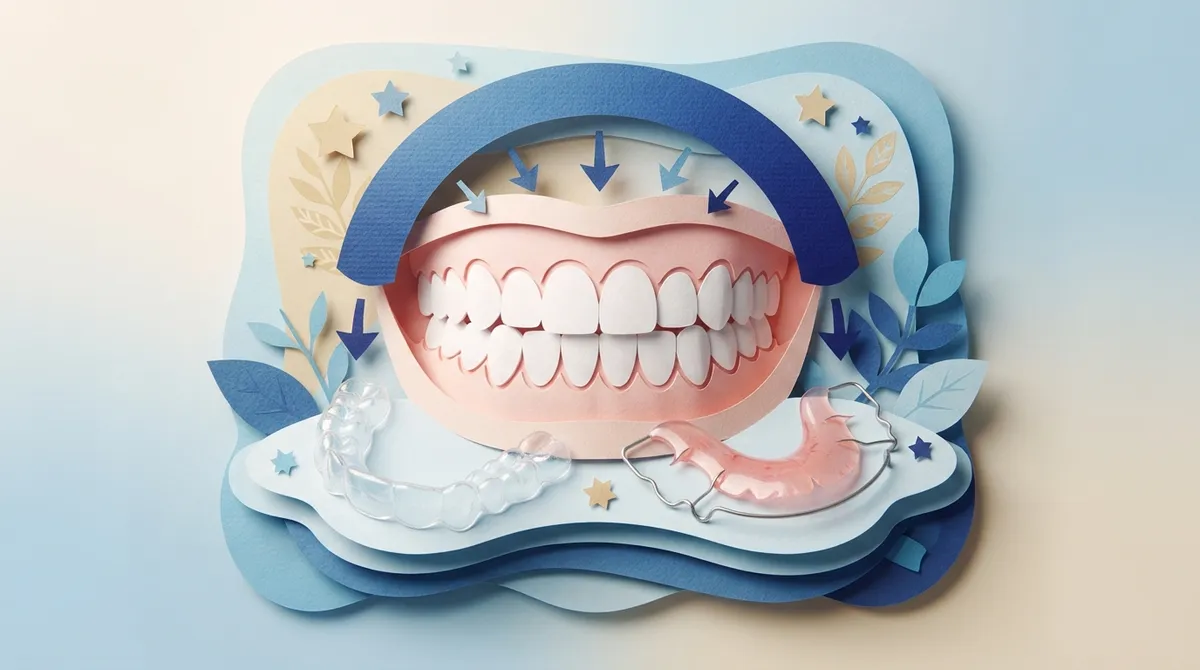
Think of your teeth like a freshly planted row of flowers. They look great right after planting, but they need support while the roots settle. Your teeth sit in bone and gum tissue that needs time to adapt to their new positions. Without support, they can shift.
A retainer is generally recommended after Spark aligner treatment because teeth can move after active orthodontic movement ends. The American Association of Orthodontists notes that retainers are typically worn right after treatment and that many patients wear them at night for the long term. Some people need them for life to keep their alignment.
One thing to note: a retainer is not just your final aligner tray. Spark describes its retainers as a dedicated retention appliance. Always follow your orthodontist’s instructions rather than assuming your last aligner can do the job long term.
9 Retainer Options and Ideas to Consider
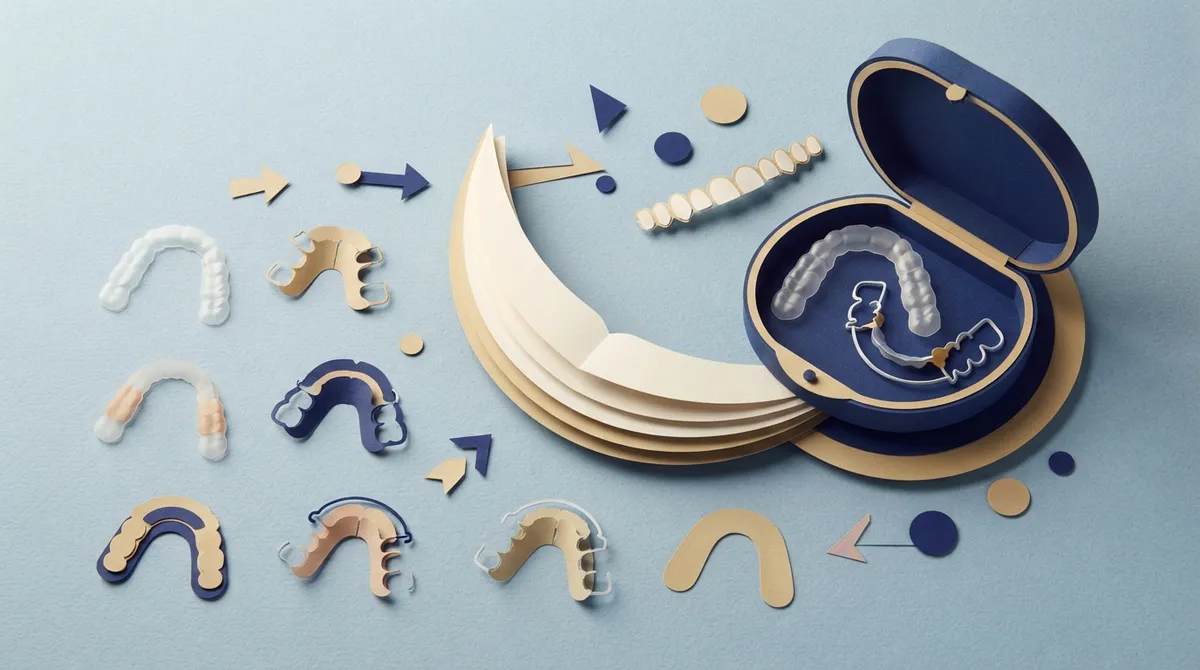
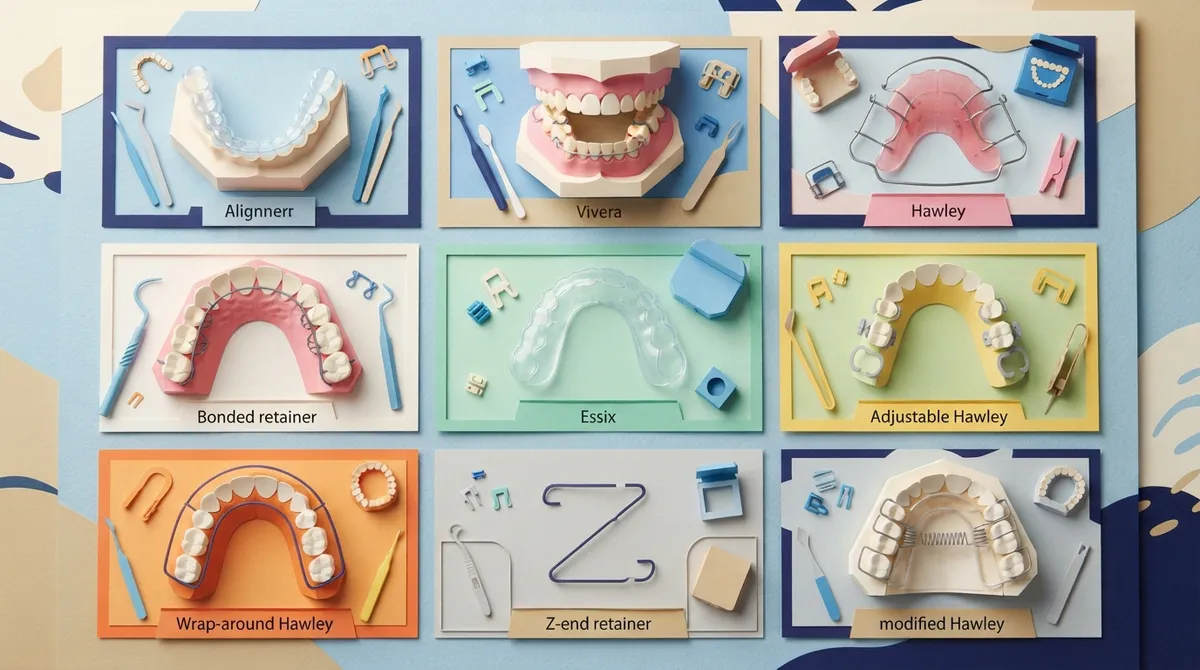
Here is a quick look at the choices and strategies we will cover. Your orthodontist will help you pick the right mix for your smile.
- Spark clear removable retainers
- Hawley retainers
- Fixed (bonded) retainers
- A combination of fixed and removable
- Full-time wear at the start
- Nighttime wear for the long haul
- A cleaning and storage routine
- A backup plan for lost or broken retainers
- Regular retainer checkups
1. Spark Clear Removable Retainers
This is the natural next step for many Spark patients. According to the manufacturer, Spark Retainers are custom-made, typically from a digital scan, and use the company’s TruGEN material. They are clear removable trays designed to hold your teeth in their corrected positions.
Why do people like them?
- They are nearly invisible, so they fit well with a professional or social life.
- They are removable, which makes eating and brushing simple.
- They feel familiar if you just finished wearing aligners.
At Brockway Orthodontics, we love how smooth this transition can be for Spark™ Clear Aligners patients. You already know the routine of putting trays in and taking them out, so retention often feels like a natural next chapter.
2. Hawley Retainers
A Hawley retainer is the classic removable option. It is made of acrylic that sits behind your teeth and a thin metal wire that wraps around the front. It has been trusted for many years.
Here is what makes it different from a clear tray:
- It is often very durable.
- The wire can be adjusted by your orthodontist.
- It leaves the chewing surfaces of your teeth open.
Some patients do not love the look of the front wire. Others love the sturdy feel. If you are curious about how this type fits into the bigger picture, our retainers page is a good place to start.
3. Fixed (Bonded) Retainers
A fixed retainer is a thin wire bonded to the back of selected teeth, usually the lower front ones. You cannot take it out, which means you cannot forget to wear it. That is a big win for people who know they might skip a night here and there.
Keep these points in mind:
- Cleaning takes extra care around the wire.
- Floss threaders or special floss help a lot.
- The wire needs to be checked for loosening or breakage.
If a wire comes loose or snaps, do not try to fix it yourself. Our guide on what to do if your retainer breaks walks through the steps.
4. A Combination of Fixed and Removable
Sometimes the best answer is both. An orthodontist may suggest a bonded wire on the lower teeth and a clear removable retainer for the upper teeth. This works well when different parts of your smile carry different relapse risks.
Your orthodontist looks at several things when making this call:
- How your teeth were aligned before treatment
- Your bite and relapse risk
- How well you can wear and care for an appliance
It is a very personal decision, and there is no one-size-fits-all answer.
5. Full-Time Wear at the Start
Right after treatment, teeth are at their most eager to move. Spark describes an initial period of near-full-time wear for some patients, followed by nighttime wear. Your orthodontist sets the exact schedule, so follow their lead.
During this phase, the retainer comes out for meals and brushing, then goes right back in. It might feel like a lot, but this early stage helps lock in your results.
6. Nighttime Wear for the Long Haul
Once your orthodontist gives the green light, many patients move to nightly wear. The AAO advises that retainers may be needed for life to maintain alignment, often with nighttime wear after an initial phase. The exact plan varies, though.
Here is a simple way to think about it. Brushing your teeth is a daily habit that protects your health. Wearing your retainer at night is a daily habit that protects your smile. Pair it with your bedtime routine and it becomes second nature.
7. A Cleaning and Storage Routine
A retainer that is not cared for can get grimy, smelly, or damaged. A simple routine goes a long way.
- Take removable retainers out for meals.
- Clean them as your orthodontist directs.
- Store them in a case when they are not in your mouth.
- Keep them away from heat and pets.
Never wrap a retainer in a napkin. That is how many of them end up in the trash! Fixed retainers need careful cleaning around the bonded wire, and you should watch for any signs of loosening.
8. A Backup Plan for Lost or Broken Retainers
It happens to the best of us. A retainer gets lost, cracked, or just stops fitting. Do not force a tight retainer into place. If it feels unusually tight, or it no longer fits, contact your orthodontist rather than pushing it in.
Quick action matters. The longer you go without a retainer, the more your teeth can shift. If you need help fast, you can contact us and our team will guide you on next steps.
9. Regular Retainer Checkups
Retention is not a set-it-and-forget-it phase. Retainers can wear down, loosen, or crack over time. Checkups let your orthodontist catch small issues before they become big ones.
Bring your retainer to your visits. Mention any changes, like rubbing, tightness, or damage. These small details help keep your smile steady for years.
Comparing Your Main Retainer Choices
Here is a simple side-by-side look at the three most common types. Remember, your orthodontist makes the final call based on your needs.
| Feature | Spark Clear Retainer | Hawley Retainer | Fixed Retainer |
|---|---|---|---|
| Removable? | Yes | Yes | No |
| Appearance | Clear, low-profile | Acrylic and metal wire | Hidden behind teeth |
| Made from | Custom clear material (TruGEN) | Acrylic and wire | Bonded wire |
| Care needs | Clean and store in case | Clean and store in case | Careful cleaning around wire |
| Main watch-out | Can be lost or cracked | Wire may be noticeable | Can loosen or break |
What Does the Research Say?
You might wonder if one retainer type is the clear winner. The honest answer is no. Evidence does not establish one type as best for every patient.
- A 2023 critical review found insufficient evidence that fixed retention is generally more effective long term than removable retention.
- A Cochrane retention review reported one study of 84 participants. It estimated a 0.6 mm difference in relapse between fixed and removable retention at 12 months. The evidence was low certainty, and the review judged the difference unlikely to be clinically significant.
- One study cited in the 2023 review estimated a 1.1% complication rate for lower bonded multistranded retainers. That is a study-specific number, not a universal rate.
What does this mean for you? Choose the retainer you can wear and care for consistently, and let your orthodontist tailor the plan to your smile.
Which Option Fits Your Life?
Different people have different needs. Here are a few common scenarios.
- Parents of kids and teens: Fixed retainers can reduce the worry about lost trays. Removable ones need good habits and a sturdy case. Our adolescent treatment page shares more about care for younger patients.
- Teens and young adults: Clear retainers keep things discreet for school, sports, and big milestones.
- Adult professionals: A low-profile retainer you wear at night fits easily into a busy schedule.
- Relapse patients: If your teeth moved after past treatment, a stronger retention plan, sometimes a combo, may help.
- Health-conscious patients: If you have gum concerns, talk with your orthodontist about which style is easiest to keep clean.
Already had braces before and noticed your smile shifting? Our guide on how to wear a retainer after braces has helpful tips that apply here too.
Common Retainer Mistakes to Avoid
Even a great retainer cannot help if it is used the wrong way. Watch out for these slip-ups.
- Skipping nights because you feel like your teeth are fine
- Leaving a retainer out in the open where pets or trash cans can find it
- Using hot water, which can warp clear trays
- Forcing a tight retainer into place
- Missing checkups
For more on this topic, take a look at these retainer mistakes Clearwater patients should avoid.
Your Retainer Journey with Brockway Orthodontics
At Brockway Orthodontics in Clearwater, Florida, Dr. Brockway takes the time to listen to your goals and explain your options in plain language. We offer Spark™ Clear Aligners, metal braces, and ceramic braces for the whole family, so we can guide you through every stage, including retention. With digital scans and modern technology, we keep things comfortable and precise.
Want to see what other patients think? You can read feedback and visit us on Google — Brockway Orthodontics to learn more about our Clearwater office.
We also recommend checking trusted resources like the American Association of Orthodontists retainer guide, the American Dental Association, and the Florida Association of Orthodontists for extra background on keeping a healthy, aligned smile.
Keep That Smile Looking Great
Finishing Spark treatment is a huge win, and your retainer is the key to protecting it. Whether you choose a clear removable tray, a Hawley, a bonded wire, or a mix, the best retainer is the one you will actually wear and care for. Stick with your schedule, clean your appliance, and show up for checkups.
Not sure which option fits you? We would love to help you figure it out. Book your appointment online and let’s make a retention plan that keeps your smile confident for years to come.
FAQs
Q: What retainer should I wear after Spark aligners?
A: Many patients start with a custom Spark clear retainer, but some do better with a Hawley or a fixed wire, or a mix of both. Your orthodontist picks the best fit based on your alignment, bite, and relapse risk. It is a personal choice, so ask Dr. Brockway what suits your smile.
Q: Are Spark Retainers different from my last Spark aligner tray?
A: Yes! A Spark Retainer is a dedicated retention appliance designed to hold your teeth in place, not just your final active aligner. Follow your orthodontist’s directions rather than relying on your last aligner as a long-term retainer.
Q: Do I need to wear a retainer for life after clear aligners?
A: For most people, long-term retention is the safest bet. The American Association of Orthodontists says retainers may be needed for life, often with nighttime wear after an early full-time phase. Your orthodontist will set the exact plan for you.
Q: What should I do if my retainer is lost or no longer fits?
A: Do not force it into place, and do not wait too long. Reach out to your orthodontist right away so they can check your teeth and get you a replacement. Acting quickly helps protect all the progress you worked so hard for.
Our Service Area