Key Takeaways
-
Retainers do not straighten teeth; they hold teeth in their corrected positions while the bone and gum tissue around them settle, protecting the results of braces or aligners.
-
Teeth can keep shifting years after treatment because natural changes continue throughout life, so orthodontists commonly recommend some form of long-term retention.
-
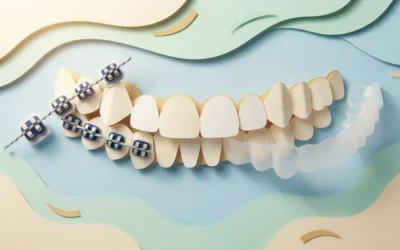
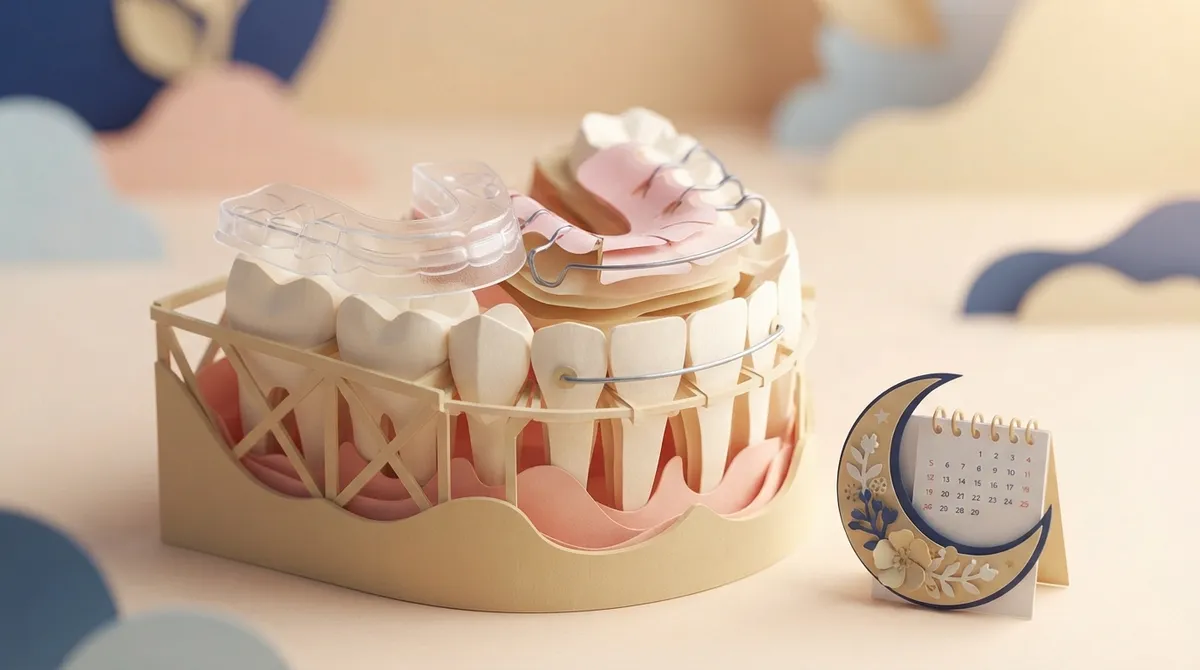
The three main retainer types are clear thermoplastic (discreet, removable), Hawley (durable acrylic and wire, adjustable), and fixed bonded (wire behind teeth, works constantly but harder to clean).
-
Wear schedules vary, but many orthodontists prescribe full-time wear initially, then nights only once stable, and a few nights a week long-term; always follow your orthodontist's instructions.
-
Never force a retainer that feels tight or no longer fits, since this can cause pain or damage; call your orthodontist, because a small shift often caught early is easier to fix.
-
Rinse and brush your retainer gently with a soft toothbrush and mild soap, avoid hot water which can warp plastic, and always store it in its case to prevent loss or pet damage.
You finally did it. The braces are off, or your last aligner tray is in the recycling bin, and your smile looks amazing. So why are you being handed a little plastic case and told to keep wearing something? If that feels like a surprise twist, you are not alone. Many people wonder how orthodontic retainers work and whether they really need them.
Here is the short version. Retainers hold your teeth in their new spots while your gums, bone, and bite settle in. They do not straighten teeth. They protect the work you already did. Think of them as the seatbelt for your smile.
In this friendly guide, we will walk through what retainers do, why teeth move, the different types, how long to wear them, and how to care for them. Whether you are a parent helping a child, a teen eager to show off a new smile, or an adult returning after relapse, you will find clear answers here.
What Is an Orthodontic Retainer?
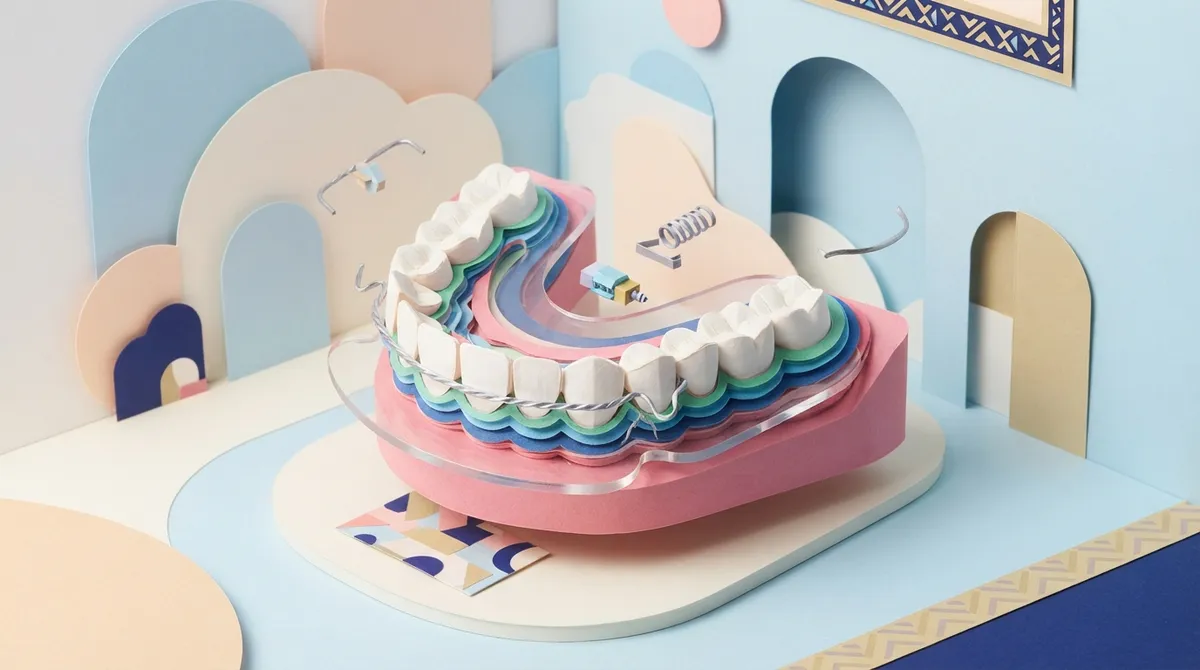
An orthodontic retainer is a custom appliance that holds your teeth in their corrected positions after active treatment. It is made to fit your mouth, so it gently keeps your teeth from drifting back.
That is the key point. Braces and aligners move teeth. Retainers keep them where they are. The goal is to limit unwanted movement while the tissues around your teeth adapt, and to guard against changes that can happen over the long term.
At Brockway Orthodontics, retainers are part of every treatment plan, because a great result deserves lasting protection.
How Orthodontic Retainers Work Behind the Scenes
To understand how orthodontic retainers work, it helps to know what happens inside your mouth during treatment.
Your Teeth Are Not Set in Concrete
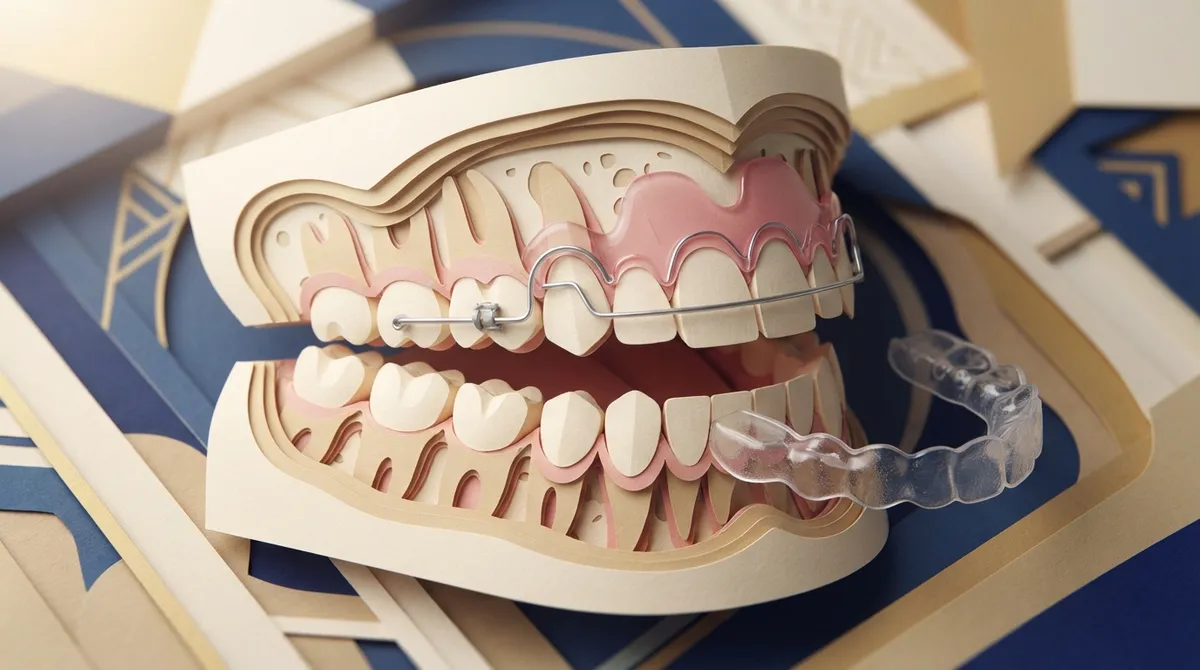
Teeth sit in your jawbone, held by tiny fibers and surrounded by gums. When braces or aligners apply gentle pressure, the bone slowly remodels so the teeth can move. When treatment ends, the bone and fibers are still adjusting to the new positions. That adjustment takes time.
The Retainer Acts as a Steady Guide
A retainer applies light, steady support. It keeps your teeth from sliding back while the surrounding tissues firm up around them. Without that support, teeth can slowly shift, which is called relapse.
Why Teeth Can Still Move Years Later
Here is something many people do not expect. Teeth can move even many years after treatment. Natural changes in the mouth continue throughout life, and relapse risk is not limited to the first few months. That is why long-term retention is commonly recommended by orthodontists.
So if you have ever heard a friend say their teeth shifted after they stopped wearing a retainer, that story is common, and it is exactly why retainers matter.
The Main Types of Retainers
There is no single retainer that is best for everyone. The right choice depends on your teeth, your treatment, and your daily life. Here are the three types you will hear about most.
Clear Thermoplastic Retainers
These are thin, clear trays that fit snugly over your teeth, much like an aligner. They are nearly invisible and popular with teens and adults who want a discreet option. Many people call them Essix-style retainers.
Hawley Retainers
A Hawley retainer combines an acrylic plate that sits against your palate with a thin wire that wraps across the front teeth. They are sturdy, can be adjusted by your orthodontist, and often last a long time with good care.
Fixed (Bonded) Retainers
A fixed retainer is a thin wire attached behind selected teeth, usually the lower front ones. It works around the clock because you cannot take it out. It does need careful cleaning and regular checks.
| Retainer Type | How It Works | Pros | Things to Watch |
|---|---|---|---|
| Clear thermoplastic | Clear tray fits over teeth | Discreet, easy to wear | Can crack or warp; may affect speech at first |
| Hawley | Acrylic plate with wire | Durable, adjustable | More visible; may feel bulky early on |
| Fixed (bonded) | Wire attached behind teeth | Works constantly, no remembering | Harder to clean; can loosen or break |
Some patients use more than one type. For example, a fixed retainer on the lower teeth paired with a removable one on top is a common setup. Your orthodontist will recommend what fits your case.
How Long Do You Need to Wear a Retainer?
This is the question we hear most. The honest answer is that it depends on you. There is no one schedule that suits everyone.
Many orthodontists prescribe full-time wear at first, followed by nighttime or part-time wear. Some health services commonly suggest nightly wear for at least the first year after braces, with continued long-term wear afterward. That said, this is clinical guidance and not a universal rule. Your orthodontist’s instructions should always come first.
A simple way to think about it:
- Early phase: Wear your retainer as directed, often most of the day and night, while your teeth are most likely to shift.
- Settling phase: Your orthodontist may move you to nights only once things look stable.
- Long-term phase: Many people keep wearing a retainer a few nights a week to protect their results.
Should you wear a retainer every night for life? Many orthodontists recommend some form of lifelong retention, because teeth can keep changing with age. The good news is that the routine often becomes light and easy.
If you want a deeper walkthrough, our guide on how to wear a retainer after braces covers daily habits step by step.
What It Feels Like to Wear a Retainer
Let us be real for a moment. Retainers can feel a little odd at the start.
A 2024 systematic review of patients’ perceptions of retainers found that studies generally reported an initial, temporary negative impact, such as a bit of discomfort or changes in speech. The review also noted a preference for clear thermoplastic retainers over Hawley-type ones, while pointing out that some people struggle with function on clear trays and that bonded retainers can have speech advantages. It is worth noting that the certainty of evidence was rated very low, so these findings are a helpful picture and not a final verdict.
What does that mean for you? A slight lisp or tight feeling in the first few days is normal. Most people adapt quickly. If you read aloud for a few minutes each day, your tongue gets used to the new shape faster.
How to Clean and Care for Your Retainer
A clean retainer keeps your mouth healthy and your appliance lasting longer. Here is a simple routine for removable retainers.
- Rinse it every time you take it out.
- Brush it gently with a soft toothbrush and mild soap or the cleaner your orthodontist recommends.
- Skip the hot water. Heat can distort plastic and ruin the fit.
- Store it in its case whenever it is out of your mouth.
- Keep it away from pets. Dogs love chewing on retainers, and it is a costly snack.
A few more tips that save headaches:
- Never wrap your retainer in a napkin at a restaurant. This is how many get thrown away.
- Avoid chewing gum or eating while wearing a removable retainer.
- Bring it to your checkups so your orthodontist can inspect the fit.
For fixed retainers, brushing and flossing around the wire matters even more, since plaque can collect there. Floss threaders or special flossers make this much easier.
What If Your Retainer Feels Tight or Breaks?
These two situations come up a lot, so here is how to handle them.
When a Retainer Suddenly Feels Tight
If your retainer feels snug after a few days off, your teeth may have shifted a little. Do not force it in. Pushing a retainer that does not fit can cause pain or damage. Call your orthodontist for advice instead. Often a small fix catches the shift early.
When a Retainer Breaks or Loosens
A cracked tray, bent wire, or loose bonded retainer should be checked soon, because teeth can move if retention is interrupted. Our quick guide on what to do if your retainer breaks explains the next steps. And if you are in the area, you can read more about orthodontic retainers in Clearwater.
Why Retainers Matter for Every Age
Retainers are not just for one type of patient. They help everyone who has finished treatment.
- Kids and teens: Growing mouths keep changing, so retention protects hard-earned progress. Learn more about our adolescent treatment options.
- Adults: Busy professionals often want a low-maintenance routine. A fixed or nighttime retainer can fit neatly into daily life. See our adult treatment page.
- Relapse patients: If your teeth have drifted since your first treatment, a fresh evaluation can show whether retreatment is a good idea, and a proper retainer plan helps prevent a repeat.
Dr. Brockway takes the time to explain your options in a friendly, easy-to-follow way, so you feel confident about your plan. You can meet Dr. Brockway and see how she cares for families across our community. Clearwater families can also see what neighbors say by checking Brockway Orthodontics reviews on Google.
Quick Tips to Make Retainer Life Easier
Here are a few habits that help you stay consistent without stress.
- Keep your case in the same spot every night, like next to your toothbrush.
- Set a phone reminder for the first few weeks.
- Keep a spare case in your bag or car.
- Do not skip nights just because it feels fine. Teeth can shift quietly.
- Schedule regular checkups so small issues get caught early.
For more tips on caring for your smile, you can also read our frequently asked questions page.
Final Thoughts: Protect the Smile You Worked For
So, how do orthodontic retainers work? They gently hold your teeth in their new positions while your mouth adjusts, and they keep guarding your results as the years go by. They do not move teeth. They protect the movement that braces or aligners already achieved.
The best retainer is the one you will wear consistently, cleaned and cared for the way your orthodontist recommends. If you have questions about which type fits your life, or your retainer feels off, we would love to help. Ready to keep your smile looking its best? Book your appointment online with Brockway Orthodontics, or contact us and our friendly team will get you started. For general oral health guidance, the American Dental Association is another trusted resource.
FAQs
Q: How do orthodontic retainers keep teeth straight?
A: Retainers hold your teeth in their corrected positions while the bone and gums around them settle. They do not move teeth. They simply limit unwanted shifting so your results last.
Q: What is the difference between a clear retainer, a Hawley retainer, and a fixed retainer?
A: A clear retainer is a thin plastic tray that fits over your teeth. A Hawley has an acrylic plate with a wire, and a fixed retainer is a thin wire bonded behind your teeth. Your orthodontist will help you pick the one that fits your needs.
Q: What should I do if my retainer feels tight or no longer fits?
A: Please do not force it in. A tight feeling can mean your teeth have shifted a bit, so give your orthodontist a call for advice. Catching it early often makes the fix simple.
Q: How do I clean and store my orthodontic retainer?
A: Rinse it after each use and brush it gently with a soft toothbrush and mild soap. Skip hot water, since it can warp plastic, and always keep it in its case when it is out of your mouth.
Q: Can teeth move even if I wear my retainer?
A: Yes, small changes can still happen, especially if the retainer is worn inconsistently, damaged, or no longer fits well. Regular checkups help your orthodontist spot any issues early.
Our Service Area