Key Takeaways
-
Crowded lower teeth in adults are common and often result from multiple factors, including natural tooth and jaw changes over time and relapse after past orthodontic treatment, not just wisdom teeth.
-
Braces are generally better for complex bites or rotated teeth, while clear aligners can work well for mild to moderate lower crowding when the bite is stable and you can wear trays most of the day.
-
Extraction is not automatically required for crowded lower teeth; orthodontists may create space by widening the arch, slight tooth reshaping, or repositioning teeth.
-
Retainers are essential after treatment because lower front teeth tend to shift again over time; removable, fixed, or combined retainers give results the best chance of lasting.
-
Orthodontic treatment can make teeth easier to clean but does not treat gum disease, so active gum problems should be addressed first, often with your general dentist.
-
If you relapsed after childhood braces, retreatment is often possible and can be shorter and simpler than the original treatment.
Have you ever caught a glimpse of your lower front teeth in a photo and thought, "Wait, when did those start overlapping?" You are not alone. Crowded lower teeth in adults are one of the most common reasons grown-ups walk into an orthodontist’s office. The good news? You have real options, and it is never too late to explore them.
Maybe your teeth were always a little twisted. Maybe they looked fine after braces in high school, then slowly started shifting. Or maybe you simply noticed that flossing between those bottom teeth feels like a wrestling match. Whatever your story, you are in good company.
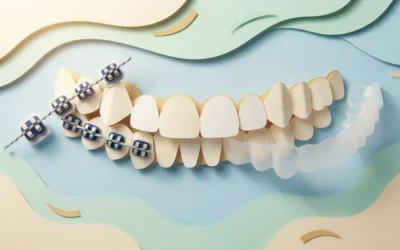
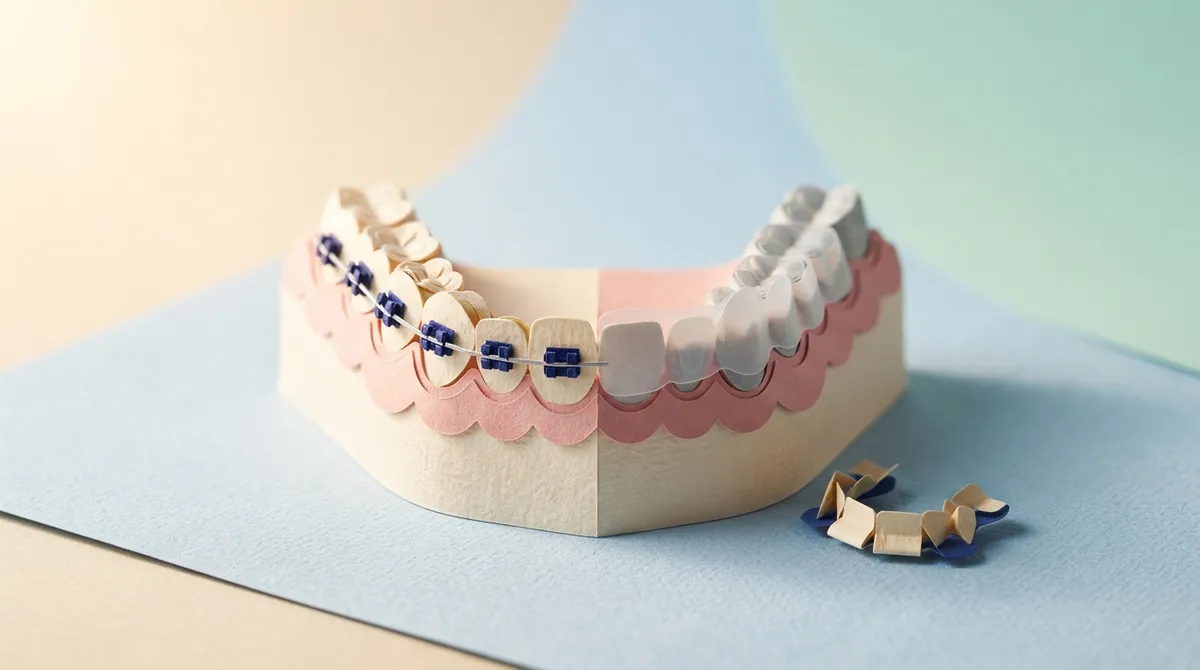
The big question most adults ask is this: should I choose braces or clear aligners? Both can work well, but the right pick depends on your bite, your available space, your gum health, and your lifestyle. In this friendly guide, we will compare both options side by side, explain why lower teeth get crowded, and help you feel ready for your next step.
What Are Crowded Lower Teeth, Exactly?
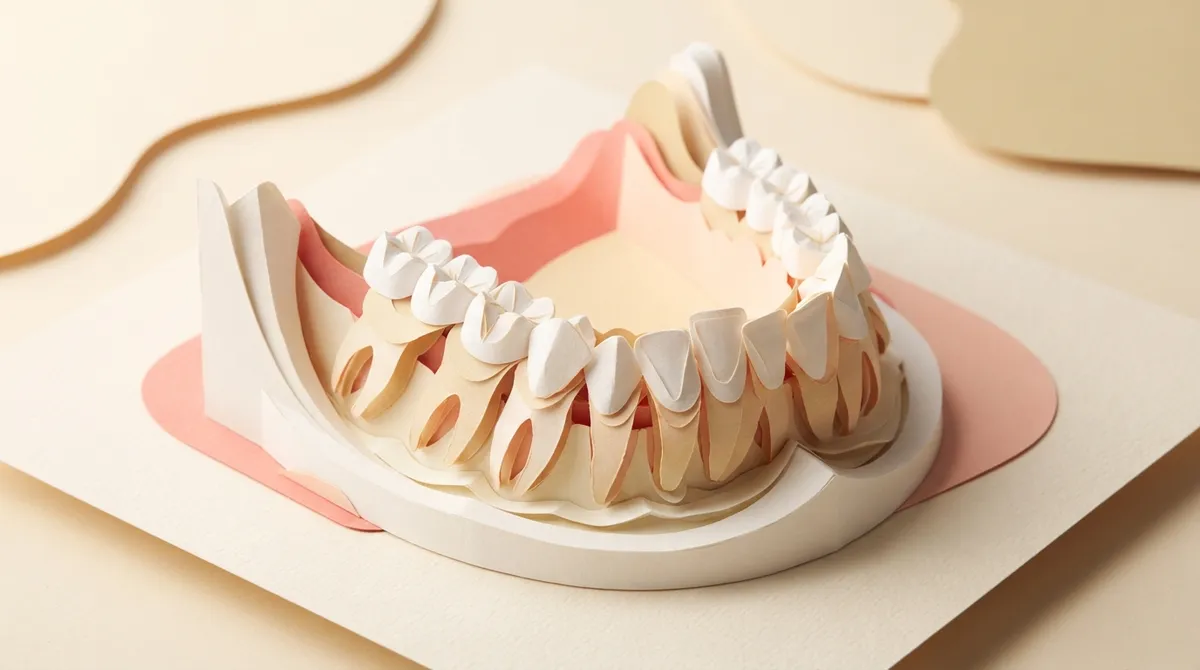
Crowded lower teeth, often called mandibular anterior crowding, happen when your lower front teeth do not have enough room in the dental arch. As a result, they overlap, rotate, or sit out of line. The degree can range from a slight irregularity to crowding that affects your bite or how you clean your teeth.
Many adults assume crowding is just a cosmetic issue. Sometimes it is. But crowded teeth can also make brushing and flossing harder, which matters for long-term gum health.
How Common Is It?
Older survey data offers a helpful snapshot. A U.S. adult malocclusion survey reported that only 35% of adults had well-aligned lower front teeth, and about 15% had irregularity considered severe enough to potentially affect social acceptability or function. That survey is from 1998, so it is not a current prevalence estimate. Still, it shows that imperfect lower alignment is very common among adults.
Why Do Lower Teeth Get Crowded in Adulthood?
Here is where many myths pop up. Let us clear a few of them.
It Is Usually More Than One Cause
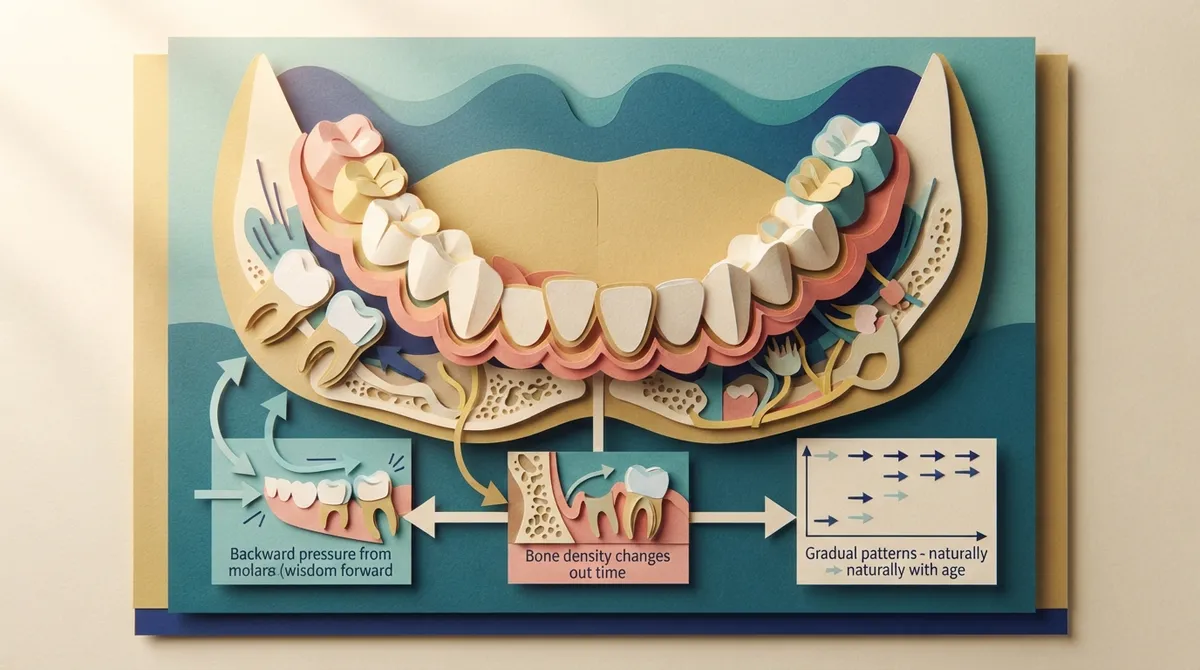
Researchers describe crowding as multifactorial. That means several things can work together. Common contributors include:
- Natural changes over time: Teeth and the tissues that support them keep changing throughout life, including small shifts in arch size.
- Orthodontic relapse: If you had braces years ago and did not keep up with retainers, your teeth may have drifted back.
- Tooth and jaw relationships: The size of your teeth compared to the space in your jaw plays a big role.
- Residual growth: Subtle jaw changes can continue into adulthood.
What About Wisdom Teeth?
You may have heard that wisdom teeth push your lower front teeth forward. It is a popular belief, but the evidence does not support wisdom teeth as the single or usual cause. Their role in lower-front crowding is debated, and an orthodontic evaluation is the best way to figure out what is really going on in your mouth.
Braces vs. Clear Aligners: The Big Comparison
Now for the fun part. Both braces and clear aligners can straighten crowded lower teeth. Let us look at how they stack up for adult patients.
How Traditional and Ceramic Braces Work
Braces use brackets bonded to your teeth and a wire that gently guides them into position. At Brockway Orthodontics, we offer both metal braces and ceramic (clear) braces. Ceramic braces blend in with your natural tooth color, which many professionals love. You can read more about the options in our guide to metal vs. clear braces for adults or visit our All About Braces page.
How Clear Aligners Work
Clear aligners are a series of custom-made, removable trays. You switch to a new set every so often, and each set nudges your teeth a little closer to the goal. We proudly offer Spark™ Clear Aligners, a more affordable alternative to Invisalign, and they are a popular choice for busy adults who want a discreet look.
Side-by-Side Comparison
| Feature | Braces (Metal or Ceramic) | Spark™ Clear Aligners |
|---|---|---|
| Visibility | Metal is visible; ceramic blends in | Nearly invisible |
| Removable | No, fixed in place | Yes, for eating and cleaning |
| Best for complex bites | Often strong choice | Works for many cases, depends on bite |
| Compliance needed | Low, always working | High, must wear most of the day |
| Food restrictions | Yes, avoid sticky and hard foods | Few, remove to eat |
| Cleaning teeth | Needs extra care around brackets | Brush and floss as usual |
| Appointments | Regular adjustments | Periodic check-ins |
Pros and Cons for Crowded Lower Teeth
When Braces May Be the Better Fit
- Your crowding is more severe or involves rotated teeth that need firm control.
- You also need bite correction, such as fixing an overbite or crossbite.
- You prefer a "set it and forget it" approach with no trays to remember.
Curious about lower braces specifically? Our article on adult bottom braces covers what to expect.
When Clear Aligners May Be the Better Fit
- Your crowding is mild to moderate and your bite is fairly stable.
- You work in a client-facing job and want a discreet option.
- You like the idea of removing your trays to eat and brush normally.
If you are weighing the two, our clear aligners vs. braces comparison goes even deeper.
Will I Need Teeth Removed?
This is one of the biggest worries adults have, and here is some reassuring news: extraction is not automatically required. Dr. Brockway looks at how much space you need, how your teeth fit together, and what your goals are before suggesting any plan.
Depending on your case, space can sometimes be created in other ways, such as gently widening the arch, slightly adjusting the sides of teeth, or moving teeth into a better position. Each plan is personalized, and you will always know your options before treatment begins.
What Happens at Your First Visit?
Knowing what to expect takes away so much stress. An orthodontic evaluation for crowded lower teeth usually looks at:
- Tooth alignment and bite: How your teeth line up and meet together.
- Available space: How much room your arch has for all your teeth.
- Gum and bone health: Healthy support is essential before moving teeth.
- Records: Photos, digital scans or impressions, and X-rays when clinically needed.
- Your goals: What you want your smile to look and feel like.
Our practice uses modern tools like digital impressions and 3D imaging, so you can skip the messy molds. Want a sneak peek? Check out Your First Visit to see how it all works.
Gum Health Matters for Adults
Here is something many adults do not realize. Orthodontic treatment can improve alignment and may make teeth easier to clean, but it does not treat gum disease. If you have active gum problems, those usually need attention first, often with your general dentist.
Adult treatment planning also considers existing fillings, crowns, bone support, and other dental conditions. That is why a custom plan is so important. You can learn more on our Adult Treatment page.
How Long Will Treatment Take?
Every smile is different, so there is no single answer. Treatment time depends on how severe the crowding is, whether your bite also needs work, and how closely you follow your plan. Mild lower crowding may be corrected in a shorter time frame, while more complex cases take longer. Your orthodontist can give you a realistic estimate after your exam. For a general idea, see our timeline guide.
The Secret to Keeping Your Results: Retainers
Here is the part that surprises many adults. Straightening your teeth is only half the journey. Teeth can shift again over time, especially the lower front ones. That is why retention is so important.
Your orthodontist may recommend:
- Removable retainers that you wear mostly at night.
- Fixed retainers that are bonded behind your lower front teeth.
- A combination of both for extra protection.
Retainers do not guarantee that crowding will never return, but consistent wear gives your smile its best chance of staying put. Learn more about our retainer options, or read about how to wear a retainer after braces.
Already Had Braces? Relapse Is Not a Failure
If you wore braces as a teen and your lower teeth have crept back out of line, please do not feel discouraged. Relapse is very common, especially when retainers were worn less over the years. The good news is that retreatment is often possible, and it can be shorter and simpler than the first round. Many of our adult patients come in feeling a little embarrassed, and leave feeling hopeful.
What About Cost and Payment?
Cost is a real part of the decision, and we get it. The price depends on your plan, the type of appliance, and your treatment length. We offer flexible options so care fits your budget. Explore our financing and insurance details, and ask about payment plans during your visit.
Why Choose Brockway Orthodontics in Clearwater?
At Brockway Orthodontics, we believe every smile story matters. Dr. Brockway takes time to listen to your concerns, explain your options in plain language, and build a plan that fits your life. You can meet Dr. Brockway to learn more about her approach. We also offer same-day treatments in certain cases, which is a lifesaver for busy schedules.
Want to see what other patients say? Visit us on Google for Brockway Orthodontics reviews and hear their experiences in their own words. For general oral health guidance, the American Dental Association is a trusted resource, and you can find more about orthodontic specialists through the Florida Association of Orthodontists.
Quick Decision Guide
Not sure where you land? Try this simple checklist:
- Do you want the most discreet option? Clear aligners or ceramic braces may suit you.
- Is your bite complex? Braces may offer more control.
- Are you comfortable wearing trays most of the day? Aligners could be a great fit.
- Do you want fewer daily decisions? Fixed braces keep things simple.
- Not sure at all? A consultation will clear it up fast.
Ready to Straighten Your Lower Teeth?
Crowded lower teeth in adults are common, treatable, and nothing to feel shy about. Whether braces or clear aligners are the winner for you, the best choice is the one that fits your bite, your health, and your lifestyle. The only way to know for sure is to have an expert take a look.
Ready to take the first step? Book your free consultation online and let us help you smile with confidence. Have questions first? Contact us anytime. We cannot wait to meet you!
FAQs
Q: Why are my lower front teeth getting crowded as an adult?
A: It is usually a mix of things, like natural changes in your teeth and supporting tissues over time, past orthodontic relapse, and the match between tooth size and jaw space. Wisdom teeth are not considered the single cause, so an orthodontic exam is the best way to find your answer.
Q: Are clear aligners effective for crowded lower teeth?
A: Often, yes! Clear aligners can work well for mild to moderate lower crowding when the bite is stable. More complex cases may do better with braces, and Dr. Brockway can help you choose after an exam.
Q: Will I need teeth removed to fix crowded lower teeth?
A: Not necessarily. Extraction is not automatically required, and your orthodontist will look at your available space and bite before recommending a plan. Many adults are treated without removing any teeth.
Q: How can I keep my lower teeth from crowding again after treatment?
A: Retainers are your best friend here. Your orthodontist may recommend removable retainers, a fixed retainer, or both, along with a long-term wear plan. Staying consistent gives your results the best chance of lasting.
Q: Can crowded lower teeth affect my gum health?
A: They can make brushing and flossing trickier, which may make cleaning less effective over time. Straightening can make teeth easier to clean, but it does not treat gum disease, so any gum concerns should be addressed alongside your orthodontic care.
Our Service Area