Key Takeaways
-
Orthodontic coverage is often an optional add-on, not standard dental insurance, so confirm in writing whether your plan includes benefits for braces or clear aligners before planning treatment.
-
Orthodontic benefits usually pay a percentage (coinsurance), such as 50%, and often have a one-time lifetime maximum (for example, $1,000) that does not reset each year like annual maximums.
-
Age rules and waiting periods vary widely: some plans cover only dependent children, some exclude adults, and stand-alone adult plans may require months of premiums before orthodontic coverage starts.
-
Some plans cover orthodontics only when it is medically necessary, such as for severe bite problems affecting chewing or speaking, and may require prior authorization before payment.
-
Staying in network can significantly affect your benefit, and some insurers pay out in installments over treatment rather than all at once, which changes your monthly costs.
-
Verify benefits in writing with both your insurer and orthodontic office, since a verbal answer or pre-treatment estimate does not guarantee payment.
Let’s be honest. Insurance paperwork is nobody’s idea of a good time. But when you’re thinking about braces or clear aligners, one big question pops up fast: what will my plan actually pay for?
Here’s the friendly truth. Understanding what dental insurance may cover for orthodontics can save you real money and a lot of stress. Some plans help with braces and aligners. Others skip them entirely. Many fall somewhere in the middle, with rules about age, waiting periods, and limits.
Whether you’re a parent planning for your child’s first set of braces, a teen dreaming of a graduation-ready smile, or an adult who wants a discreet fix, this guide is for you. We’ll walk through eight key things to check in your plan, in plain English. Think of it as a cheat sheet you can bring to your next call with your insurer.
One quick note: these details are U.S.-focused, and every plan is different. Always confirm your own benefits before you begin treatment.

1. Whether Your Plan Includes Orthodontic Benefits at All
This is the first thing to check, and it surprises a lot of people. Orthodontic coverage is often an optional add-on, not a standard part of dental insurance. Your plan may cover cleanings and fillings beautifully and still say nothing about braces.
So don’t assume. Look at your plan documents or call the number on your insurance card. Ask a simple question: “Does my plan include orthodontic benefits for braces or clear aligners?”
If the answer is yes, great! Keep reading. If the answer is no, don’t panic. Many families still find affordable ways to pay, and we’ll touch on that later.

2. How Much Your Plan May Pay (Coinsurance)
When orthodontics is covered, insurance usually pays a percentage of the cost, not the whole thing. This is called coinsurance. The American Dental Association gives a common example of a plan that covers 50% of orthodontic care. Your plan may be higher or lower.
Here’s what that looks like in simple terms:
- If your plan pays 50%, you cover the other 50%.
- Your share is calculated on the covered amount, which may differ from your orthodontist’s fee.
- Network rules can change what your plan treats as the covered amount.
It’s a little like a restaurant tab. Your insurer picks up part of the bill, and you handle the rest.
3. The Orthodontic Lifetime Maximum
This one is a big deal, and it trips up lots of families. Orthodontic benefits often come with their own lifetime maximum. That’s the most your plan will ever pay toward orthodontics for one person, across all the years you hold the plan.
The ADA describes a typical example of $1,000 in orthodontic lifetime coverage. Real plans vary a lot. One 2025 federal employee dental plan brochure lists orthodontic lifetime maximums ranging from $1,250 to $3,500, depending on the option and network.
Here’s the key point. Once you hit that cap, the benefit is gone. It doesn’t reset each year like many other dental benefits do.
4. How It Differs From Your Annual Maximum
Your dental plan likely has an annual maximum too. This covers things like exams, fillings, and crowns. The ADA notes that annual maximums commonly run $1,000 to $1,500, though some plans offer $2,000 or $3,000.
Orthodontics is often handled separately. That’s good news! It means your braces benefit may not eat into the money you need for regular dental care.
| Benefit Type | What It Covers | How It Resets |
|---|---|---|
| Annual maximum | Exams, cleanings, fillings, crowns | Resets each plan year |
| Orthodontic lifetime maximum | Braces, clear aligners, related care | One-time cap per person |
Always ask your insurer whether orthodontics has its own cap or shares your annual maximum. The answer changes your math.
5. Age Limits and Who Qualifies
Age rules matter a lot. Some plans only cover orthodontics for dependent children. Others cover adults too. And some exclude adult orthodontics completely.
Federal marketplace rules help explain why. According to HealthCare.gov, dental coverage is an essential health benefit for children, but adult dental coverage is not. So kids often have an easier path to coverage than grown-ups.
Here’s what to confirm for each audience:
- Parents: Is your child an eligible dependent, and is there an age cutoff?
- Teens and young adults: Do benefits end when your teen reaches a certain age?
- Adults: Does your plan cover adult braces or aligners at all?
Good news if you’re an adult. Many adults successfully get treatment, and our guide on adult orthodontic treatment explains your options. Plenty of folks wonder if they’re too old, and the truth is you probably aren’t!
6. Waiting Periods Before Coverage Starts
Some plans make you wait before orthodontic benefits kick in. This is especially common with stand-alone adult dental plans. HealthCare.gov cautions that some plans may require you to keep paying premiums during the waiting period before covered services begin.
That waiting period might be several months or even a year. So timing matters. If you sign up for a new plan today, your braces might not be covered until well into the future.
Also ask a tricky question: Does the plan limit benefits for treatment already underway? If you’ve already started, your coverage may work differently. Our post on orthodontic coverage for treatment already started digs into this.
7. Medical Necessity Rules
Here’s where things get a little more detailed. Some plans only cover orthodontics when it’s considered medically necessary. That usually means the treatment fixes a real functional problem, not just a cosmetic one.
HealthCare.gov plan data from plan year 2023 includes examples of pediatric orthodontia covered at 70% but only when medically necessary. Other plans in that data don’t cover adult orthodontia at all.
What might count as medically necessary? It depends on your plan’s definitions. Examples often include severe bite problems or issues that affect chewing or speaking. If your goal is mostly cosmetic, some plans may not pay.
This may also involve prior authorization, meaning the insurer reviews your case before approving payment. Your orthodontist’s office can help with the paperwork.
8. Network Rules and Payment Schedules
Last on our list, but just as important. Many plans pay more when you use an in-network orthodontist. Going out of network can lower your benefit or raise your costs.
Also ask how your plan pays out. Some insurers pay in installments over the course of treatment instead of all at once. That affects how your monthly bill looks.
At Brockway Orthodontics, we’re happy to talk through these details with you. You can learn more on our financing and insurance page, and our guide on how to use dental insurance to help pay for braces goes even deeper.
Your Insurance Verification Checklist
Before you start treatment, ask both your insurer and your orthodontic office to verify your benefits in writing. A verbal answer on the phone isn’t enough. And a pre-treatment estimate is not always a guarantee of payment.
Here’s a handy list of questions to bring:
- Does my plan cover braces, clear aligners, or both?
- What is the age eligibility for the patient?
- Is there a waiting period?
- What is my deductible?
- What is the coinsurance percentage?
- What is the orthodontic lifetime maximum?
- Do I need to use an in-network provider?
- Is prior authorization required?
- How and when are payments made?
- How is ongoing treatment reimbursed if I’ve already started?
Print this out, take notes, and save the answers. Future you will be grateful!
What About Braces vs. Clear Aligners?
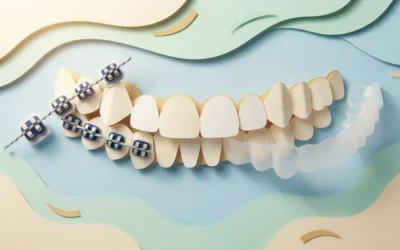
Many parents and adults ask whether insurance treats these differently. In many plans, orthodontic benefits apply to both traditional braces and clear aligners, but not always. Some plans define covered appliances narrowly, so you should ask directly.
If you’re weighing your options, we offer metal braces, ceramic (clear) braces, and Spark™ Clear Aligners, a more affordable alternative to Invisalign. You can also compare braces in detail before you decide. The right fit for your smile and your budget may surprise you.
What If Your Plan Doesn’t Cover Much?
Don’t lose heart. Limited coverage doesn’t mean you can’t get a great smile. Many families use monthly payment plans, flexible financing, or health savings accounts to make treatment manageable. Our post on navigating orthodontic payment plans shares practical ideas.
You can also read more about overall pricing in our breakdown of braces costs in 2026. Knowing the full picture helps you plan with confidence.
For general, trustworthy dental information, the American Dental Association is a helpful resource. And if you want to stay connected with Florida’s orthodontic community, the Florida Association of Orthodontists is another good place to look. If you’d like to see what our patients say, you can visit us on Google — Brockway Orthodontics.
Why Families Choose Brockway Orthodontics
Here at Brockway Orthodontics in Clearwater, Florida, Dr. Brockway takes the time to listen to your goals and explain your options in a friendly, easy-to-understand way. She truly cares about your journey, and our team treats families like family. You can read more about her on our Meet Dr. Brockway page.
We offer treatments for the whole family, from teens getting their first braces to adults who want a discreet transformation. We also use modern technology like digital impressions and 3D imaging, so there are no messy molds. In certain cases, same-day treatment is possible, which is great for busy schedules.
Not sure where to begin? Your first visit is a relaxed, informative chat. We’ll talk about your smile and help you think through costs too.
If you’re busy at home keeping things running smoothly, you may even appreciate partners like Marks Air for keeping your home comfortable while you focus on your family’s smile goals.
Final Thoughts
Dental insurance can be a real help for orthodontic care, but only when you know your plan’s rules. Check for orthodontic benefits, understand coinsurance and lifetime maximums, watch for age limits and waiting periods, and ask about medical necessity and network rules. Then get it all in writing.
You don’t have to figure this out alone. Our friendly team is ready to help you understand your benefits and build a plan that fits your budget. Book your free consultation online today, or contact us with any questions. We can’t wait to meet you and help you smile with confidence!
FAQs
Q: Does dental insurance cover braces or clear aligners?
A: It may! Some dental plans include orthodontic benefits for braces or clear aligners, but many plans treat this as an optional add-on. Check your specific policy rather than assuming, and ask your insurer to confirm in writing.
Q: How much does dental insurance pay for orthodontics?
A: It depends on your plan. The American Dental Association gives a common example of 50% coverage up to a $1,000 lifetime maximum, but actual percentages and limits vary quite a bit from plan to plan.
Q: Does dental insurance cover braces for adults?
A: Sometimes. Some plans cover adult orthodontics, while others only cover dependent children or exclude adults entirely. Confirm the age rules in your plan before you start.
Q: Is there a waiting period for orthodontic insurance benefits?
A: Many plans have one, especially stand-alone adult dental plans. You may need to pay premiums for a while before orthodontic coverage begins, so ask about timing before you enroll.
Q: How can I verify my orthodontic benefits before starting treatment?
A: Ask your insurer and your orthodontic office to verify your benefits in writing. Cover the lifetime maximum, coinsurance, waiting period, network rules, and prior authorization. Keep in mind that a pre-treatment estimate isn’t always a guarantee of payment.
Our Service Area