Key Takeaways
-
Additional aligner trays are a planned refinement series used when teeth haven't reached the intended position after the first set, and they are a common, normal part of clear aligner care.
-
Research suggests refinement is very common: a 2025 survey of 188 orthodontists found 70.31% of cases needed at least one refinement, though results vary by patient.
-
Teeth don't always follow the digital plan; rotating canines, tipping roots, intrusion, extrusion, and small or unusually shaped teeth are harder to move predictably with aligners.
-
Wear time and fit matter: aligners are typically worn about 22 hours a day, and falling behind schedule can leave the next tray fitting poorly and require extra trays.
-
Refinement is a finishing phase based on new scans and real progress, not a restart or a sign of treatment failure, and it often requires fewer trays than the original set.
-
If a tray won't seat, feels unusually tight, cracks, or a attachment falls off, contact your orthodontist rather than skipping ahead or ordering extra trays on your own.
You finish your last aligner tray, smile in the mirror, and feel ready to celebrate. Then your orthodontist says, “Let’s order a few more trays.” If that sounds familiar, take a breath. You are in good company, and it is usually not bad news at all.
Understanding why additional aligner trays may be needed can take the sting out of that moment. Clear aligner treatment is a bit like a road trip with a GPS. The map gives you a great route, but real life sometimes adds a detour. Teeth are living things, and they do not always follow a digital plan to the letter.
In this guide, we compare your original aligner set with a follow-up refinement set. You will learn what each one does, why teeth sometimes need extra help, and how to keep your smile on track. Whether you are a parent, a teen, a busy professional, or someone returning for retreatment, this friendly breakdown is for you.
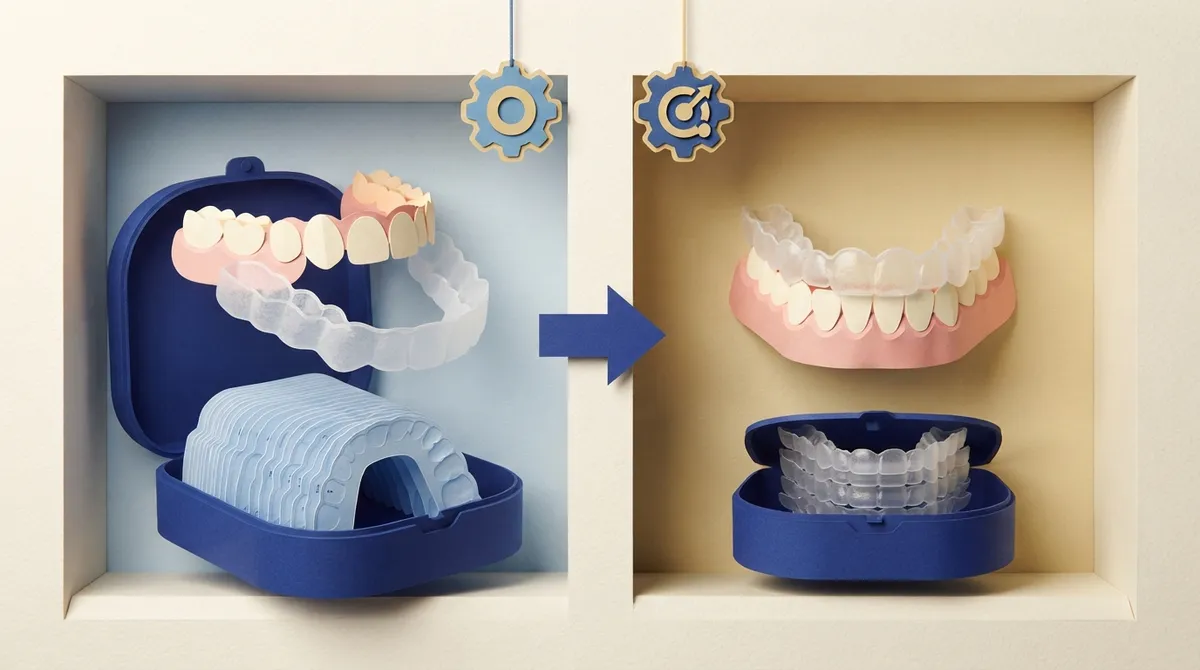
Original Aligner Set vs. Refinement Set: What’s the Difference?
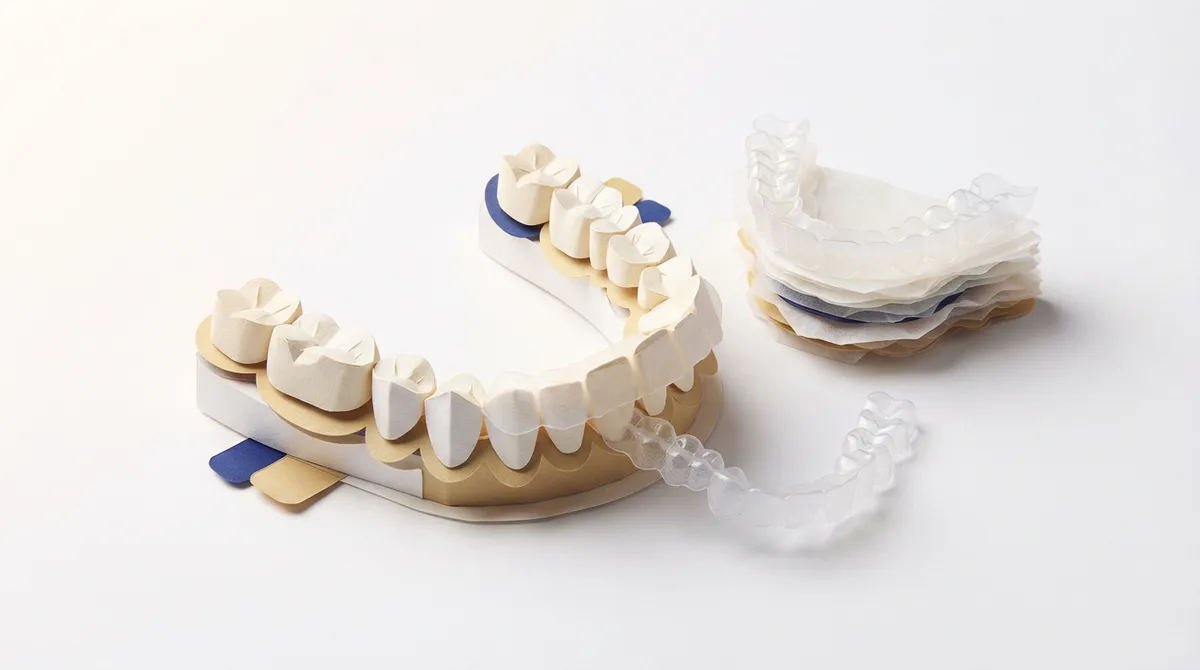
Think of your original aligners as the first draft of your new smile. They follow a digital plan made from your scans at the start of treatment. Refinement aligners are the polished second draft. They are made after your orthodontist checks how your teeth actually moved.
Refinement trays, also called additional aligner trays, are a planned follow-up series. They are used when teeth have not reached the intended position after the first series. Your orthodontist reassesses your bite and tooth positions, then may take new records and build a revised digital plan.
| Feature | Original Aligner Set | Refinement (Additional) Set |
|---|---|---|
| Based on | Your starting scans and first treatment plan | New records showing where your teeth are now |
| Main goal | Make the big movements | Fine-tune alignment and bite |
| Typical size | A full series of trays | Often a shorter, targeted series |
| Plan type | Predicted movement | Updated plan based on real progress |
| Extra steps | Initial attachments | New scans, and sometimes updated attachments |
So, refinement is not a restart. It is the finishing phase that helps your smile land exactly where you and your orthodontist want it.
How Common Are Additional Aligner Trays?
Quite common, actually. Research shows a wide range of numbers, because studies use different patient groups and methods. No single percentage fits every patient. Still, the data tells a clear story.
- A 2025 survey of 188 orthodontists, covering 2,937 aligner treatments, found that 70.31% of cases needed at least one refinement. About 21.95% needed a second refinement.
- A 2024 survey of general dentists reported a median estimate of 87.5% of their cases needing one or more additional series.
- A 2023 retrospective study of 324 Invisalign patients found that 99.4% had a refinement phase, with a median of two refinement plans.
These are survey and study results, not a promise about your own case. They do show that needing extra trays is a normal part of clear aligner care for many people. It does not mean you did something wrong.
Top Reasons Additional Aligner Trays May Be Needed
There is rarely one single cause. Usually a few small factors add up. Here are the most common ones.
1. Teeth Don’t Always Follow the Digital Prediction
The digital plan shows a perfect path. Your mouth, however, is a living, changing place. Teeth respond to pressure through bone and tissue, and every person responds a little differently.
Some movements are simply harder to predict with aligners. These include:
- Rotating rounded teeth, like canines
- Tipping roots (called torque)
- Pushing teeth deeper into the bone (intrusion) or pulling them out (extrusion)
- Moving small or unusually shaped teeth
When a tooth lags behind the plan, extra trays help it catch up.
2. Wear Time and Fit
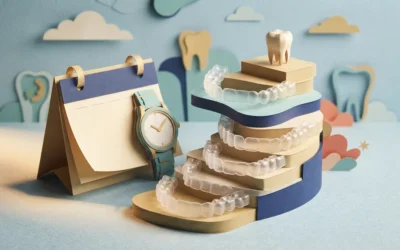
Aligners work best when you wear them as directed. The American Association of Orthodontists notes that aligners are typically worn at least 22 hours per day, with each tray worn about one week. Your orthodontist’s exact schedule always comes first.
If trays spend a lot of time in the case, teeth can fall behind the plan. Then the next tray no longer fits well, and your orthodontist may pause, adjust, or prescribe more trays. No judgment here. Life gets busy, and a quick conversation with your care team solves most issues.
3. Case Complexity
Some smiles need more work than others. Crowding, spacing, bite problems, and tooth shape all play a part. Complex cases may need more than one refinement series, or even a different tool, like braces, for certain movements.
4. Attachments That Slip or Lose Grip
Attachments are tiny tooth-colored bumps that help trays grip your teeth. If one pops off or does not bond well, the tray cannot push the tooth as planned. Replacing it and adding refinement trays can get things moving again.
5. Final Bite and Cosmetic Touches
Sometimes teeth look straight, but the bite is not quite right. Refinement lets your orthodontist improve how the top and bottom teeth meet. It can also close small leftover spaces and polish the final look.
Does Needing Refinement Mean Treatment Failed?
Not at all. This is the biggest worry we hear, so let’s say it plainly. Refinement is a normal way to respond to your real progress and finish toward your goals. It is a sign your orthodontist is paying close attention.
Here is a helpful comparison:
| What People Fear | What Is Really Happening |
|---|---|
| “My treatment failed.” | Your orthodontist is fine-tuning based on real results. |
| “The original plan was bad.” | Predictions are estimates, and teeth respond in their own way. |
| “I’m starting over.” | You are finishing the last stretch, often with fewer trays. |
| “I did something wrong.” | Even great patients often need refinement. |
In short, extra trays are a tool for getting a better result, not a sign of a problem.
What Happens During the Refinement Phase?
The process is simple and usually quick. Here is what to expect:
- A progress check. Your orthodontist reviews how your teeth and bite compare with the plan.
- New records. You may get fresh digital scans or impressions to capture where your teeth are today.
- A revised plan. A new digital plan is made to target the remaining movements.
- Possible adjustments. New attachments or small spacing between teeth (called interproximal reduction) may be used when clinically appropriate.
- A new tray series. You start the refinement trays and follow the schedule your orthodontist gives you.
At Brockway Orthodontics, digital scans and 3D imaging make this process comfortable. There are no messy molds, and the plan updates with precision. If you are curious about the aligners we offer, take a look at our Spark™ Clear Aligners.
How Long Does Refinement Take?
Every case is different, so we cannot give one number that fits everyone. A refinement series is often shorter than the first set, since it targets only what is left. The length depends on how far teeth still need to move, how well trays fit, and how consistent wear time is.
Your orthodontist will give you a timeline after the new plan is made. If you want to compare treatment timelines in general, our guide on how long braces take to work offers helpful context.
Tips to Reduce the Chance of Extra Trays
You cannot control everything, since teeth are individuals. Still, a few habits help your treatment stay on track.
- Wear your aligners as prescribed. Aim for the daily hours your orthodontist gives you.
- Switch trays in order. Never skip ahead or stretch a tray longer than advised.
- Use chewies if recommended. They help trays seat fully.
- Protect your attachments. Avoid picking at them, and call us if one comes off.
- Keep every checkup. Regular visits catch small problems early.
- Eat and drink wisely. Take trays out for meals. Our post on clear aligner food mistakes has easy pointers.
What to Do If Your Aligners Don’t Fit or Aren’t Tracking
If a tray will not seat fully, feels very tight, cracks, or seems to be falling behind, do not guess. Please do not skip ahead, change trays on your own, or order extra trays without guidance. Reach out to your treating orthodontist for instructions that fit your case.
Quick action often saves time. A small fix today can prevent a bigger delay later.
Refinement for Different Patients
Each group has its own reasons for caring about extra trays.
- Parents of kids and teens: Busy school schedules can affect wear time. A little routine, like a reminder on the phone, goes a long way. Learn more about our adolescent treatment options.
- Teens and young adults: Big events like graduation can feel urgent. Refinement helps your smile look its best when it counts.
- Adult professionals: Work lunches and travel can cut into wear time. Plan ahead and keep a case handy. See our adult treatment page.
- Retreatment patients: If your teeth shifted after past treatment, refinement may help finish the job. A good retainer plan keeps results steady.
- Health-conscious patients: Gum health and bite function matter. Refinement lets us fine-tune with your full oral health in mind.
Why Choose Brockway Orthodontics for Aligner Care
At Brockway Orthodontics, we believe understanding your treatment is the key to feeling confident. Dr. Brockway takes time to listen, explain, and guide you from your first visit to your final tray. We are proud to serve families across Clearwater, Florida, and we make your care feel personal.
You can also see what our patients say by visiting us on Google: visit our Brockway Orthodontics location on Google. For trusted general oral health information, the American Dental Association and the American Association of Orthodontists are great resources.
Final Thoughts: Extra Trays Are Part of the Journey
So, why might you need more trays? Teeth do not always match the plan, wear time and fit matter, some movements are tricky, and final bite details need polish. None of this means failure. It means your orthodontist is committed to a result you will love.
If you have questions about your own aligners, we would love to chat. Book an appointment online or contact us to talk with our friendly team about your smile goals.
FAQs
Q: What are refinement aligners or additional aligner trays?
A: They are a planned follow-up series of clear aligners used when your teeth have not reached the intended position after the first set. Your orthodontist checks your progress, may take new scans, and creates a revised plan to finish the job.
Q: Does needing refinement mean my aligner treatment failed?
A: Not at all! Refinement is a normal, common step that helps fine-tune your results based on how your teeth actually moved. It shows your orthodontist is paying close attention and aiming for the best possible smile.
Q: Can not wearing aligners enough cause me to need extra trays?
A: Yes, it can. Aligners work best when worn about 22 hours a day, or as your orthodontist directs. If wear time slips, teeth may lag behind the plan, but don’t worry, just let your care team know and they will help you get back on track.
Q: What should I do if my aligners are not tracking or do not fit?
A: Please contact your treating orthodontist right away instead of skipping trays or ordering extras on your own. They can check your fit, adjust the plan, and give you instructions made for your case.
Q: Will I need new scans or attachments for refinement?
A: Often, yes. Your orthodontist may take new digital scans or impressions, and may update attachments or use small tooth spacing adjustments when clinically appropriate. It all depends on what your teeth need to finish up.
Our Service Area