Key Takeaways
-
Yes, teens can generally switch from clear aligners to braces mid-treatment, but the change must be made with the treating orthodontist, not on your own.
-
Keep wearing the current aligners until the orthodontist gives direction, since stopping early can let teeth drift and create a gap in tooth movement.
-
Common reasons for switching include aligners not being worn 20-22 hours a day, teeth not tracking the plan, and complex movements that are harder to predict with trays.
-
A switch is not necessarily a restart; the orthodontist may build on progress already made, though updated scans or X-rays may be needed for a revised plan.
-
Switching may add time and cost, so request a revised treatment plan with timeline and fees in writing before making the change.
-
Ask the orthodontist why braces are recommended, what type fits best, and how they will prevent any gap in tooth movement during the handoff.
So your teen started clear aligners, and now things feel a little off. Maybe the trays keep ending up in a lunch bag. Maybe the teeth just aren’t moving the way the plan said they would. You might be wondering: can a teen change from aligners to braces?
The short answer is yes. It happens more often than you might think, and it is nothing to feel bad about. Orthodontic plans are not set in stone. They can change when your teen’s needs change.
The key is to make the switch with the treating orthodontist, not on your own. In this friendly guide, we will walk through why a change might make sense, how the process works, what it may do to time and cost, and what to ask along the way. Let’s get your teen back on the path to a smile they love.
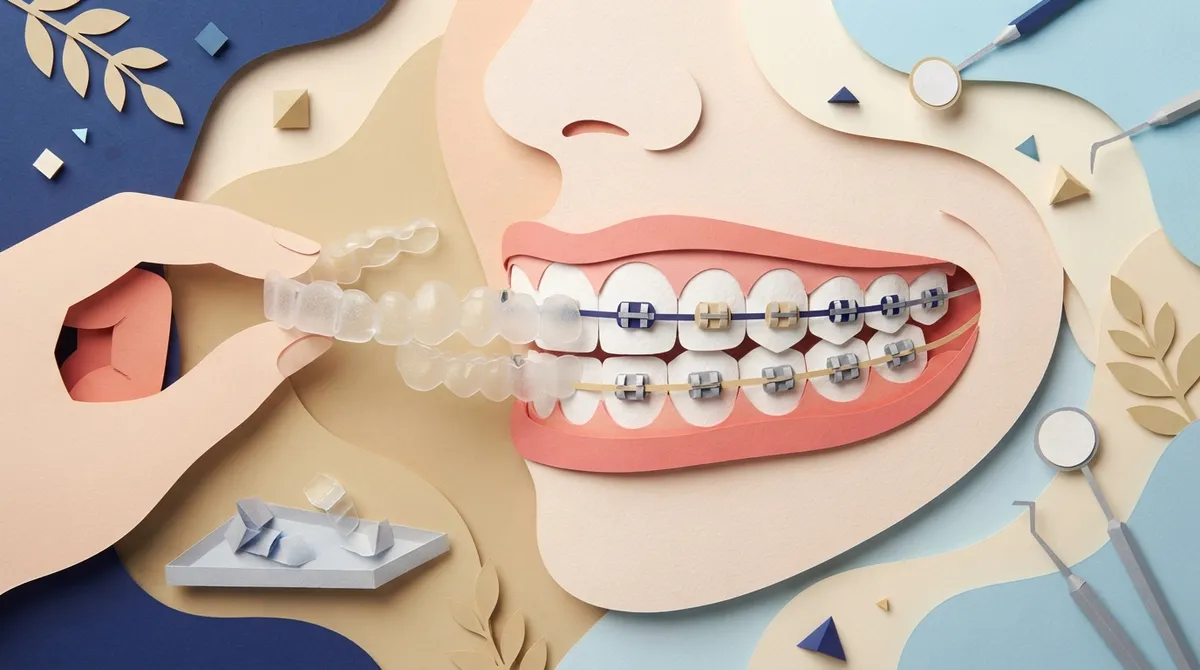
Can a Teen Change From Aligners to Braces?
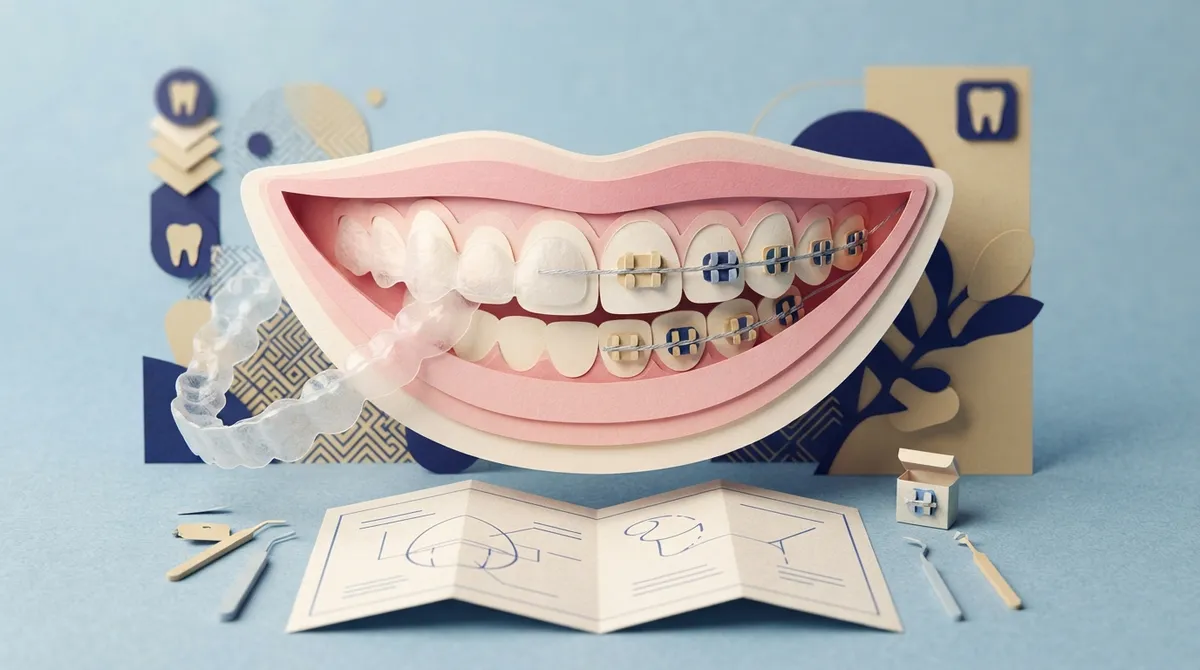
Yes. A teen can generally switch from clear aligners to braces during treatment. The orthodontist first needs to look at the teeth, the bite, the progress so far, and the goals that are still left.
Think of it like changing the route on a road trip. You are still headed to the same place. You are just picking the road that gets you there best.
A switch is not a failure. It is a smart adjustment. Many teens do better with a fixed appliance, and a good orthodontist will tell you honestly when braces are the better tool for the job.
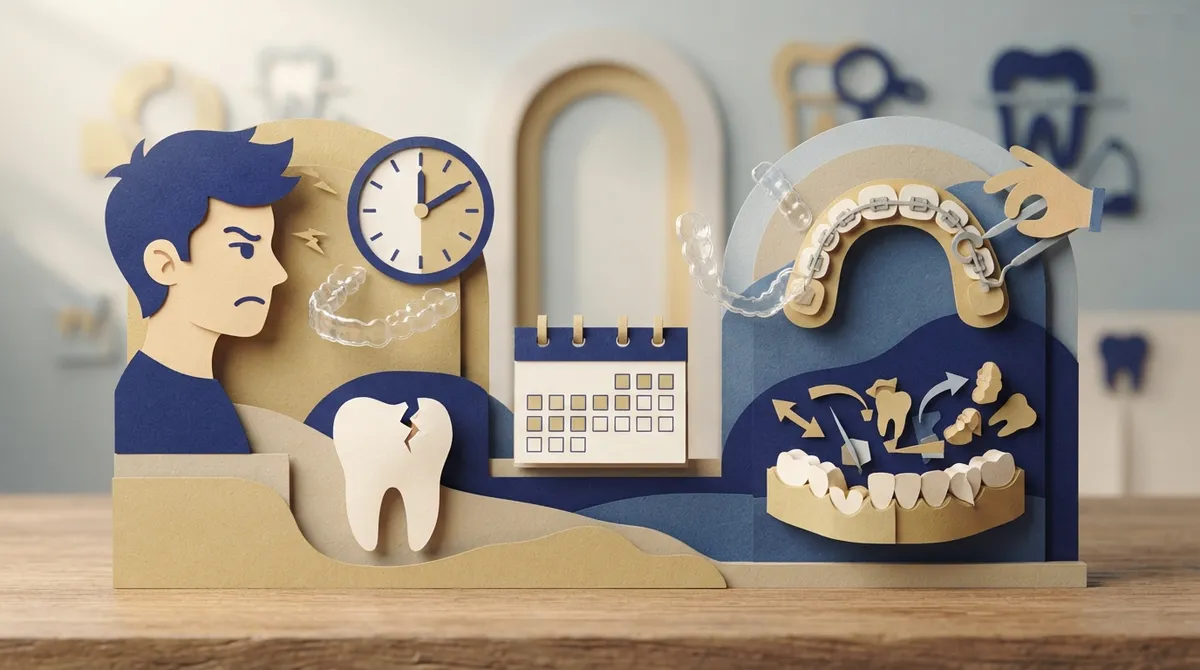
Why Might a Teen Need to Switch?
There are a few common reasons families make this change. Most come down to how the teeth are responding and how well aligners fit into your teen’s daily life.
Aligners Are Not Being Worn Enough
Aligners only work when they are in the mouth. The American Association of Orthodontists (AAO) says they are typically worn about 20 to 22 hours a day, or as the orthodontist prescribes. That means they stay in during school, practice, and homework, and only come out for eating and cleaning.
Teens are busy. Trays get left on cafeteria tables, tucked in napkins, or forgotten in a pocket. When wear time slips, progress can slow down or stall.
Teeth Are Not Tracking as Planned
Each set of aligners is designed to fit the teeth in a certain position. If the teeth fall behind, the next tray may not seat properly. Sometimes a few small fixes get things back on track. Other times, the teeth are telling us a fixed appliance would do better.
The Movement Is Hard to Predict With Trays
The AAO notes that some severe bite problems, major tooth rotations, or large gaps can be less predictable with aligners. Braces are attached to the teeth, so they can give steady control for certain tricky movements. The best choice always depends on the individual case.
Your Teen Simply Prefers Braces
Some teens find they like the “set it and forget it” feel of braces. They do not have to remember to put trays back in after every meal. That is a perfectly good reason to talk about a switch.
Aligners vs. Braces: Quick Comparison
Here is a simple look at how the two options compare for most teens.
| Feature | Clear Aligners | Braces |
|---|---|---|
| How they stay on | Removable trays | Fixed to the teeth |
| Depends on teen’s habits | Yes, wear time is key | Much less |
| Daily wear | About 20-22 hours a day | Always working |
| Eating | Trays come out | Some foods to avoid |
| Tray or wire changes | New set about every 1-2 weeks | Adjustment visits |
| Best for | Many mild to moderate cases | Wide range, including complex cases |
Both options can create a beautiful, healthy smile. The right one is the one that fits your teen’s teeth and lifestyle.
How to Switch Your Teen From Aligners to Braces
If you think a change might help, here is a simple step-by-step path to follow.
- Keep wearing the current aligners until you talk to the orthodontist. Do not stop on your own. A gap in treatment can let teeth drift.
- Call the treating orthodontist and share your concerns. Be honest about wear time, fit problems, or how your teen feels about aligners.
- Schedule a progress check. The orthodontist will look at how far the teeth have moved and what is still left to do.
- Ask about updated records. New scans, photos, or X-rays may be taken so the plan matches where the teeth are today.
- Review the revised treatment plan. Ask for the new timeline, the new steps, and any change in fees in writing.
- Pick a start date for braces. The team will coordinate the handoff so there is no unplanned pause in tooth movement.
- Learn the new routine. Your teen will get tips on brushing, flossing, and food choices with braces.
At Brockway Orthodontics in Clearwater, we love walking families through this process. Dr. Brockway takes time to listen, explain, and make sure everyone feels comfortable. If you want to see how braces work, our All About Braces page is a helpful place to start.
Does Switching Mean Starting Over?
This is the question most parents ask first, and the news is often good. A switch is not necessarily a restart.
The orthodontist may build on the progress your teen has already made. Teeth that have moved into better positions do not simply forget that work. The new plan focuses on what is still left to fix.
That said, every case is different. The orthodontist will look at the current position of the teeth and design a revised plan. Some teens finish close to the original timeline. Others may need extra time.
What About Time and Cost?
Switching may affect both treatment length and fees. Additional time or cost may apply, depending on the practice and the treatment agreement you signed.
Here is what to keep in mind:
- If the teeth have moved well so far, the remaining work may be shorter.
- If aligners stalled for a while, braces may need more time to catch up.
- Fees can differ based on the office, the original agreement, and the new plan.
- Always ask for a revised plan in writing before making the change.
Money questions are normal, and we are happy to talk them through. Our financing and insurance page explains the options that can help families budget with confidence.
How to Tell If Aligners Are Working for Your Teen
Not sure if a switch is needed? Look for a few clues. None of these means something is wrong. They simply mean it is time for a check-in.
- Trays feel loose or do not snap in. This can mean the teeth are not keeping up with the plan.
- Gaps show between the tray and the teeth. Small gaps can be a sign of poor tracking.
- Your teen often forgets to wear them. Honest talk about habits is very helpful here.
- Trays get lost or broken often. This slows progress and adds stress.
- The orthodontist mentions refinements. A few extra trays can be normal, but repeated refinements may be a hint to rethink the plan.
If you notice any of these, reach out. Early conversations make the smoothest transitions.
Why Braces Can Be a Great Fit for Teens
Braces have come a long way. They are smaller, more comfortable, and come in more styles than ever. For many teens, they are a very good choice.
- They work around the clock. No trays to remember, so progress does not depend on daily habits.
- They give steady control. Fixed brackets and wires can guide teeth in a precise way, which helps with some bite and rotation issues.
- They fit busy lives. Sports, band, school, and friends all keep teens on the go. Braces just stay put.
- They come in options. Metal braces are sturdy and a classic choice. Ceramic braces blend in with the teeth for a more subtle look.
Curious about style choices? Our guide on teen braces in Clearwater shows how teens can pick a look they feel good about.
A Quick Word on Aligners Still Being a Great Option
We want to be fair here. Clear aligners work very well for many teens, and for plenty of families they are a perfect match. A 2024 review of clear aligner research found that in one adolescent comparison study, aligner treatment for selected moderate-to-severe Class I and II cases averaged about three months shorter and eight fewer visits than fixed appliances. That is a study-specific result, not a promise for every teen, but it shows aligners can be very effective when they fit the case.
If your teen is doing well with aligners and the teeth are on track, there is no need to switch. Our Spark™ Clear Aligners are a more affordable alternative to Invisalign, and they work great for many teens who stay consistent with wear time.
Questions to Ask the Orthodontist Before You Switch
Going into the visit with a list makes everything easier. Here are good questions to bring along:
- Why do you recommend braces for my teen’s case?
- How much progress has been made so far?
- How long will the revised plan take?
- Will there be any extra cost, and how will it be handled?
- What type of braces would you suggest, metal or ceramic?
- What should we do with the aligners we already have?
- How will you make sure there is no gap in tooth movement?
- What will retainers look like at the end?
A caring orthodontist will welcome every one of these questions. If you ever feel rushed or confused, speak up. You deserve clear answers.
Tips to Help Your Teen Feel Good About the Change
Switching can bring up big feelings for a teen. They might worry about how braces look or feel like they did something wrong. A little support goes a long way.
- Remind them it is not a failure. Plans change all the time in orthodontics.
- Let them have a voice. Let your teen help choose the style or colors if options are offered.
- Plan some comfort foods. Soft foods like yogurt, pasta, and smoothies help in the first few days.
- Stock up on supplies. A good toothbrush, floss threaders, and orthodontic wax are handy.
- Celebrate small wins. Each visit means one step closer to the smile they want.
For help with the food side of things, our post on foods to avoid with braces keeps it simple.
Why Families in Clearwater Trust Brockway Orthodontics
At Brockway Orthodontics, we believe the best treatment is one that fits your teen and your family. Dr. Brockway is an experienced orthodontist who truly cares about each patient’s journey. She listens first, explains clearly, and helps you feel informed from start to finish.
We offer metal braces, ceramic braces, and Spark™ Clear Aligners, so we can help guide your teen to the option that works best, even if that means changing course. We also use modern tools like digital impressions and 3D imaging, which help us plan with care and keep things comfortable. In certain cases, same-day treatments may be possible for busy families.
Want to hear from others? You can visit our Brockway Orthodontics location on Google to see what local families say about their experience. You can also learn about Dr. Brockway and her passion for the community.
Ready to Talk About Your Teen’s Options?
If your teen is wondering whether braces might be a better fit, you are not alone. The right plan can make treatment feel easier and more exciting again. Remember to keep wearing the current aligners until the orthodontist tells you otherwise, and bring your questions to the visit.
The Florida Association of Orthodontists and the American Dental Association are both helpful places to learn more about oral health and finding qualified care. For general guidance on healthy smiles, you can explore the American Dental Association, and to learn about orthodontic care in our state, visit the Florida Association of Orthodontists. The AAO also shares helpful details on how clear aligners work.
When you are ready for a friendly, no-pressure conversation about your teen’s smile, we would love to meet you. Book your appointment online or contact our team with any questions. Together, we will make a plan that helps your teen smile with confidence.
FAQs
Q: Can my teenager switch from Invisalign or other clear aligners to braces mid-treatment?
A: Yes, in most cases they can. The treating orthodontist will check the teeth, the bite, and the progress so far before changing the plan. It is a common adjustment, so there is no need to worry.
Q: Does my teen have to start over after switching to braces?
A: Not necessarily. The orthodontist may build on the progress already made and design a revised plan for what is left. Updated scans or X-rays may be taken so the new plan matches where the teeth are today.
Q: Will switching from aligners to braces cost extra?
A: It might. Additional time or fees may apply, depending on the practice and your treatment agreement. Ask for a revised plan in writing so you know the details before you make the change.
Q: Can poor aligner wear cause a teen to need braces?
A: It can. Aligners usually need to be worn about 20 to 22 hours a day, and missed wear can slow progress. Braces are fixed to the teeth, so they do not depend on your teen remembering to put trays in.
Q: Should we stop wearing aligners before the braces appointment?
A: Please keep wearing them until your orthodontist says otherwise. Stopping too early can let teeth drift and cause a gap in movement. The team will coordinate the handoff so your teen stays on track.
Our Service Area