Key Takeaways
-
ABO certification is voluntary and requires passing independent written and clinical exams reviewing real patient cases, demonstrating an orthodontist's commitment to verified expertise beyond basic state licensing requirements.
-
You can verify an orthodontist's ABO certification through the American Board of Orthodontics official directory, and should also check state license status, review patient testimonials, and assess experience with your specific treatment needs.
-
ABO certification requires 2-3 years of specialty residency training plus exam completion, with mandatory renewal every 10 years, indicating ongoing commitment to staying current with best practices.
-
While ABO certification signals tested skill and dedication, it's one factor among many—also consider the orthodontist's communication style, office technology, experience with your specific case, and personal comfort level during your visit.
Picking someone to straighten your teeth (or your child’s teeth) is a big decision. You want to know the person behind the plan really knows what they’re doing. That’s where the term “ABO certified orthodontist” comes in. If you’ve seen this phrase on a website or heard it from a friend, you might be wondering what it actually means and why it matters. Grab a cup of coffee, and let’s chat about it in plain, friendly terms.
At Brockway Orthodontics in Clearwater, Florida, we believe patients deserve clear answers, not confusing dental jargon. So we’re breaking down exactly what ABO certification means, how it works, and how it can help you choose the right orthodontist for braces, Spark™ Clear Aligners, or more complex bite correction.

What Does ABO Certified Orthodontist Mean?
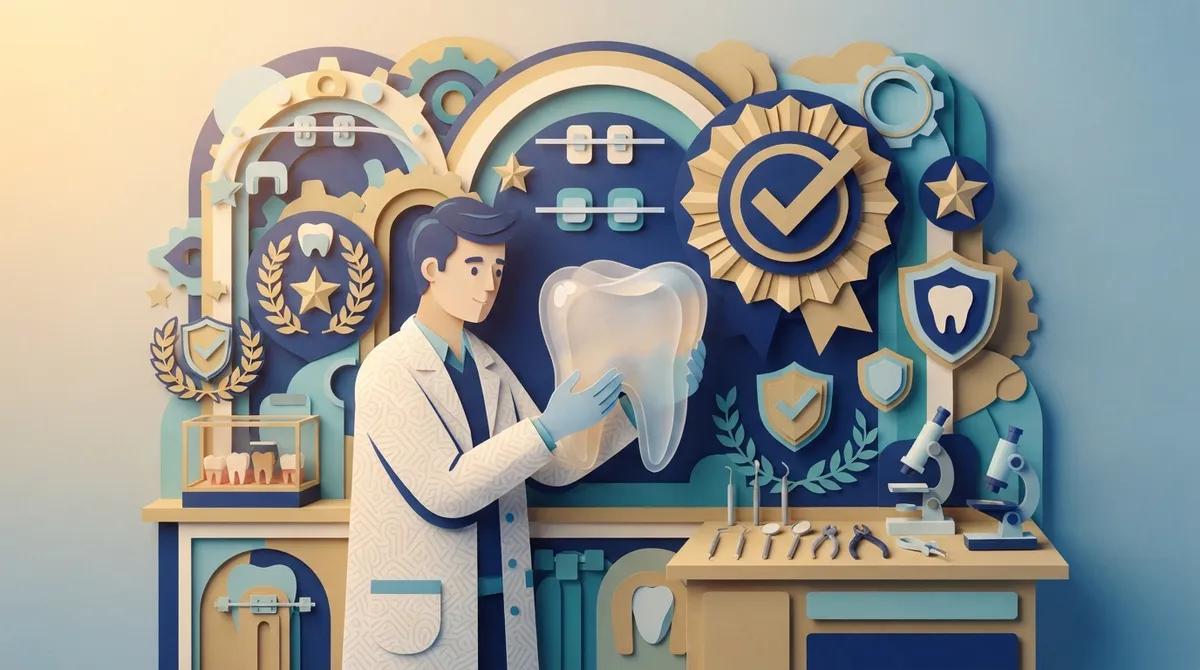
An ABO certified orthodontist is a specialist who has earned certification from the American Board of Orthodontics (ABO). This is the official board that reviews orthodontists’ skills, knowledge, and treatment results. Think of it like an extra badge of honor that goes beyond basic training.
Here’s an important detail: ABO certification is completely voluntary. It’s separate from a dentist’s state license. Every orthodontist practicing legally must have a state license. But not every licensed orthodontist chooses to pursue ABO certification. Those who do are showing they want to go the extra mile.
Becoming an ABO certified orthodontist means the doctor has been tested by outside experts. They didn’t just grade their own work. They submitted real patient cases and answered tough exam questions in front of a review board.
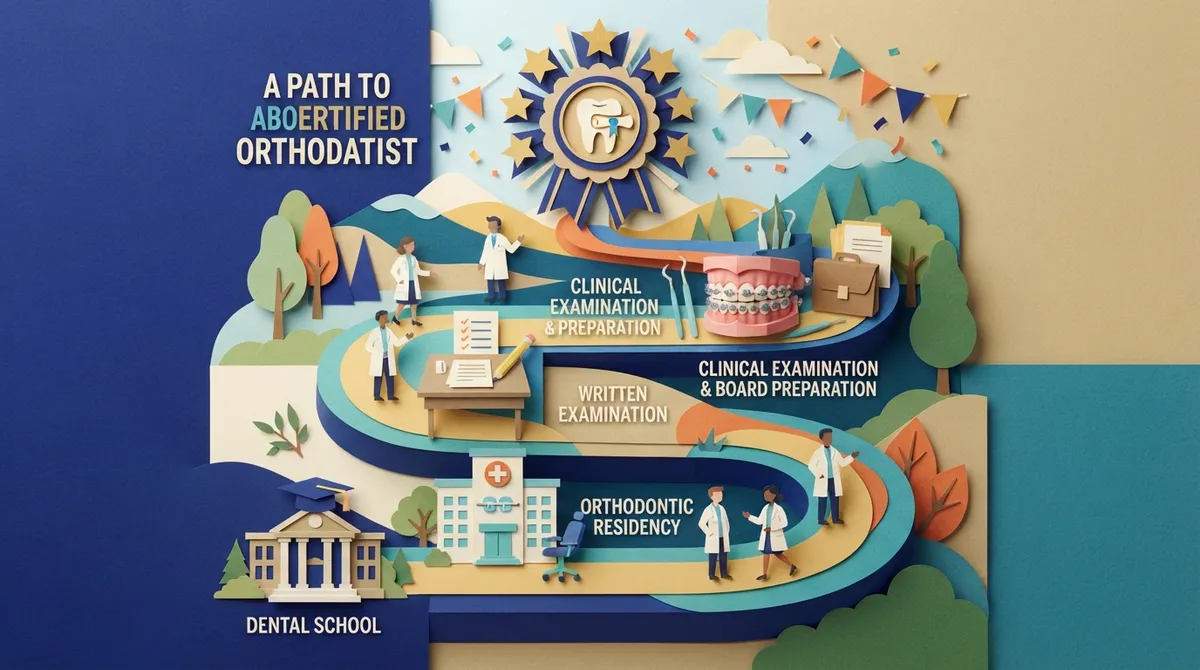
The Path to Becoming ABO Certified
Getting this certification doesn’t happen overnight. It takes years of schooling, training, and testing. Here’s a simple breakdown of the process:
- Dental school: Every orthodontist starts out as a general dentist. They finish dental school just like any other dentist.
- Specialty training: After dental school, future orthodontists spend an extra two to three years in a specialized orthodontics residency program, according to the American Board of Orthodontics.
- Accredited program: This residency must be accredited by the Commission on Dental Accreditation (CODA) in the United States or Canada.
- Written exam: After completing at least 18 months of the residency, candidates can sit for the ABO Written Examination.
- Clinical exam: Next comes the clinical examination. This is where the orthodontist presents real patient cases they’ve treated, showing how they diagnosed problems and planned treatment.
- Certification renewal: Certification isn’t permanent. Every 10 years, the orthodontist must renew it to stay board-certified.
This whole journey shows a real commitment to learning and growing as a specialist. It’s not something orthodontists have to do, which makes it stand out even more.
Is ABO Certification Required to Practice Orthodontics?
This is a common question, and the answer is simple: no, it’s not required. Orthodontists only need a valid state dental license to legally treat patients. ABO certification is an extra step some doctors take.
So why does it matter? Because it shows a doctor cares enough to prove their skills to an outside group of experts. It’s a bit like a teacher choosing to earn an advanced teaching credential, even though it’s not required to teach. It shows extra dedication to their craft.
Why This Credential Can Help Your Decision
Choosing an orthodontist is personal. You’re trusting someone with your smile, your comfort, and sometimes years of treatment time. Here are some reasons ABO certification can be a helpful piece of the puzzle:
- It shows the orthodontist passed an independent review of their clinical skills.
- It proves ongoing education, since certification must be renewed every 10 years.
- It reflects a track record of successfully treated patient cases.
- It can give parents extra peace of mind when choosing care for their kids.
- It signals a provider who stays current with best practices in the field.
That said, certification is just one piece of the picture. A great orthodontist experience also depends on communication, comfort, technology, and how well the treatment plan fits your life. This is why we always recommend visiting for your first visit to see how the practice feels in person.
ABO Certified vs. Non-Certified: What’s the Real Difference?
Many patients ask if an ABO certified orthodontist is automatically “better” than one without certification. The honest answer is a little more nuanced. Certification is a strong indicator of tested skill and commitment to learning. But it doesn’t guarantee a specific outcome for every case.
Here’s a simple table to help you understand the difference between an orthodontist and one who holds ABO certification:
| Feature | Licensed Orthodontist | ABO Certified Orthodontist |
|---|---|---|
| State Dental License | Required | Required |
| Orthodontic Residency | Required (2-3 years) | Required (2-3 years) |
| ABO Written Exam | Not required | Completed and passed |
| ABO Clinical Exam | Not required | Completed and passed |
| Certification Renewal | Not applicable | Every 10 years |
| External Case Review | Not required | Yes, by ABO examiners |
When comparing providers, it helps to look at the whole picture. Consider the doctor’s experience with your specific needs, whether that’s traditional braces, clear aligners, or correcting a more complex bite issue, like explained in our guide on how braces fix a deep overbite.
How to Verify If an Orthodontist Is ABO Certified
Curious how to check this for yourself? It’s actually pretty simple. The American Board of Orthodontics keeps an official directory of certified orthodontists. You can search directly through their website to confirm someone’s status.
Besides checking certification, it’s smart to also look into a few other things:
- Confirm the orthodontist’s state license is active and in good standing.
- Ask about their specific experience with your treatment type, whether braces or aligners.
- Read patient reviews and testimonials to learn about real experiences.
- Ask about the technology used in the office, like digital scanners or 3D imaging.
- Get clear answers about fees, financing, and expected treatment timelines.
Doing a little homework upfront can save you time, money, and stress down the road. It also helps you feel confident in your choice from day one.
Should You Choose an ABO Certified Orthodontist for Your Treatment?
Whether you’re a parent exploring adolescent treatment for your child, a busy professional considering adult treatment options, or someone dealing with orthodontic relapse and needing retreatment, this credential can offer added confidence. It shows the doctor treating you has been tested by an outside board, not just self-reported experience.
For families in Clearwater, having a trusted local expert makes a real difference. Dr. Brockway has built her practice around personalized, friendly care that fits your life, whether you need early treatment for a young child or a discreet option for an adult smile makeover.
We know that choosing the right provider involves more than one factor. That’s why we invite you to explore our full range of services and learn more about Dr. Brockway’s background and training before making your decision.
What Makes Brockway Orthodontics a Trusted Choice in Clearwater
At Brockway Orthodontics, we combine strong clinical training with a warm, welcoming atmosphere. We offer Spark™ Clear Aligners as an affordable alternative to other clear aligner brands, along with traditional metal braces and ceramic braces for those wanting a more discreet option.
We also use modern technology like digital impressions and 3D imaging, so you skip the messy molds and get a more precise treatment plan. For busy families, we even offer same-day treatment options in certain cases, so you don’t have to juggle multiple appointments just to get started.
Dr. Brockway genuinely loves being part of the Clearwater community. She takes time to listen to each patient’s goals, whether that’s a teen excited for straighter teeth before graduation or an adult ready for a confident new smile. You can learn more about financing options through our financing and insurance page, or stop by our office to see the space for yourself.
Don’t just take our word for it, though. Feel free to visit us on Google — Brockway Orthodontics to read what real patients have to say about their experience with our team.
A Few More Facts Worth Knowing
According to recent data from the American Board of Orthodontics, dozens of orthodontists complete first-time certification each year, and a similar number renew their 10-year certification status. This ongoing cycle shows that ABO certification isn’t a one-time achievement. It’s a continuing commitment to staying sharp in the field.
Groups like the Florida Association of Orthodontists and the American Dental Association also support high standards of care across the profession. These organizations work alongside boards like the ABO to help patients feel confident in the orthodontic care they receive.
You can also stay connected with our practice and see patient smile transformations by following us on Instagram or Facebook. We love sharing real stories from real Clearwater families.
Final Thoughts on Choosing the Right Orthodontist
Choosing an orthodontist is about more than one credential. But ABO certification can be a helpful signal that a doctor has gone above and beyond basic training. It shows a real dedication to skill, learning, and quality patient care.
If you’re ready to start your smile journey, or just want to ask questions about your options, we’d love to help. You can easily book appointment online today, or if you have questions first, feel free to contact us anytime. At Brockway Orthodontics, we’re here to make your journey to a healthy, confident smile as easy and welcoming as possible.
FAQs
Q: What does ABO certified orthodontist mean?
A: It means the orthodontist has voluntarily completed certification through the American Board of Orthodontics. This involves passing a written exam and a clinical exam that reviews real patient cases they’ve treated.
Q: Is an ABO certified orthodontist better than a non-certified orthodontist?
A: It’s a strong sign of extra training and outside-verified skill, but it’s not the only thing that matters. We always suggest also looking at experience, communication style, and how comfortable you feel during your first visit.
Q: Is ABO certification required to practice orthodontics?
A: Nope, it’s completely voluntary! Every orthodontist needs a state dental license to practice, but ABO certification is an extra achievement some choose to pursue.
Q: How long does ABO certification last?
A: Great question! Certification lasts 10 years, after which the orthodontist must complete renewal requirements to keep their board-certified status active.
Q: How can I verify whether an orthodontist is ABO certified?
A: You can check directly through the American Board of Orthodontics’ official website, which keeps a public directory of certified orthodontists. It’s a quick and easy way to confirm before your first appointment.
Our Service Area