Key Takeaways
-
Bonded retainers are thin wires glued behind teeth that provide hands-off retention without daily reminders, making them ideal for teens and busy patients who struggle with remembering removable retainers.
-
Research shows bonded retainers outperform removable ones for lower teeth stability in the first 3-6 months, but both are equally effective long-term, so the best choice depends on your specific teeth and habits.
-
Bonded retainers require diligent daily cleaning with floss threaders, interdental brushes, or water flossers to prevent plaque buildup and gum irritation around the wire.
-
Teeth naturally shift back toward original positions after orthodontic treatment within days if a bonded retainer loosens, so prompt repair is critical—don't ignore a wiggly or partially detached wire.
-
While bonded retainers can last years or even a lifetime, they require regular orthodontic checkups to catch early issues like loosening bonds or wire breakage before they cause unwanted tooth movement.
-
Common mistakes like chewing on hard objects, skipping dental cleanings, and ignoring loose retainers can compromise effectiveness, so consistent daily care and professional monitoring are essential for success.
So you just finished braces or clear aligners, and now your orthodontist is talking about retainers. Congratulations, by the way! That’s a big milestone. But now you’re stuck wondering: bonded or removable? Which one actually keeps your new smile in place without driving you crazy?
Here at Brockway Orthodontics, we get this question all the time from families across Clearwater. A bonded retainer is one of the most popular ways to protect your results after treatment. It’s a thin wire glued right behind your teeth, so nobody can even see it. But is it the right choice for you or your teenager? Let’s break it all down together, in plain and simple terms.
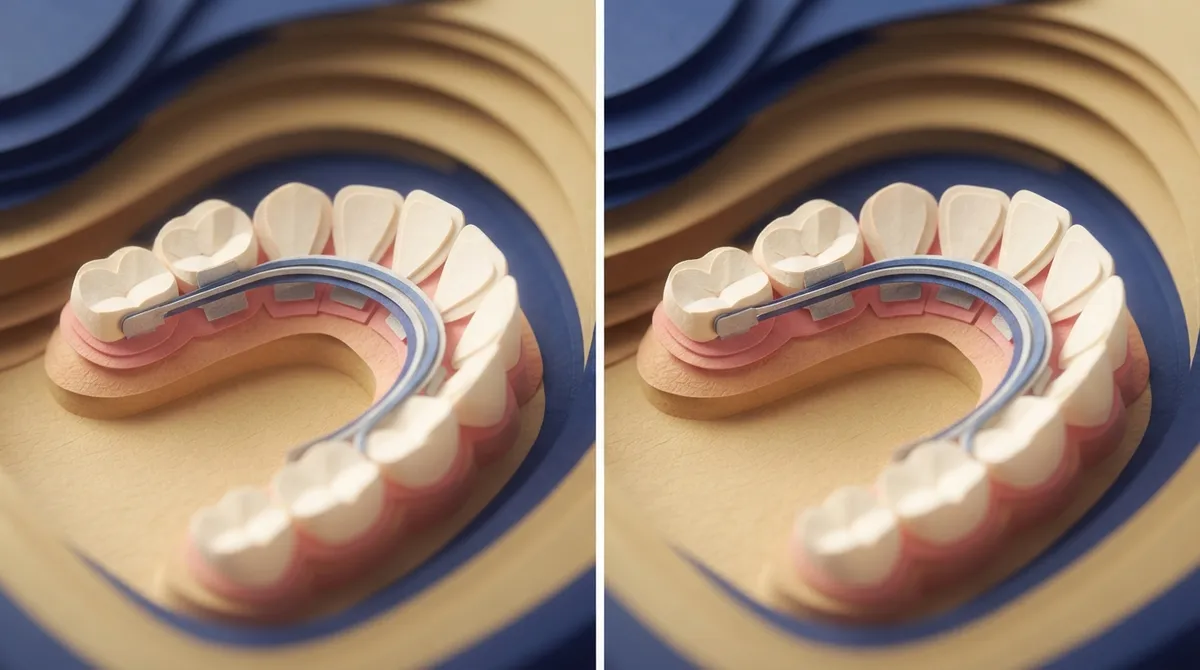
What Exactly Is a Bonded Retainer?
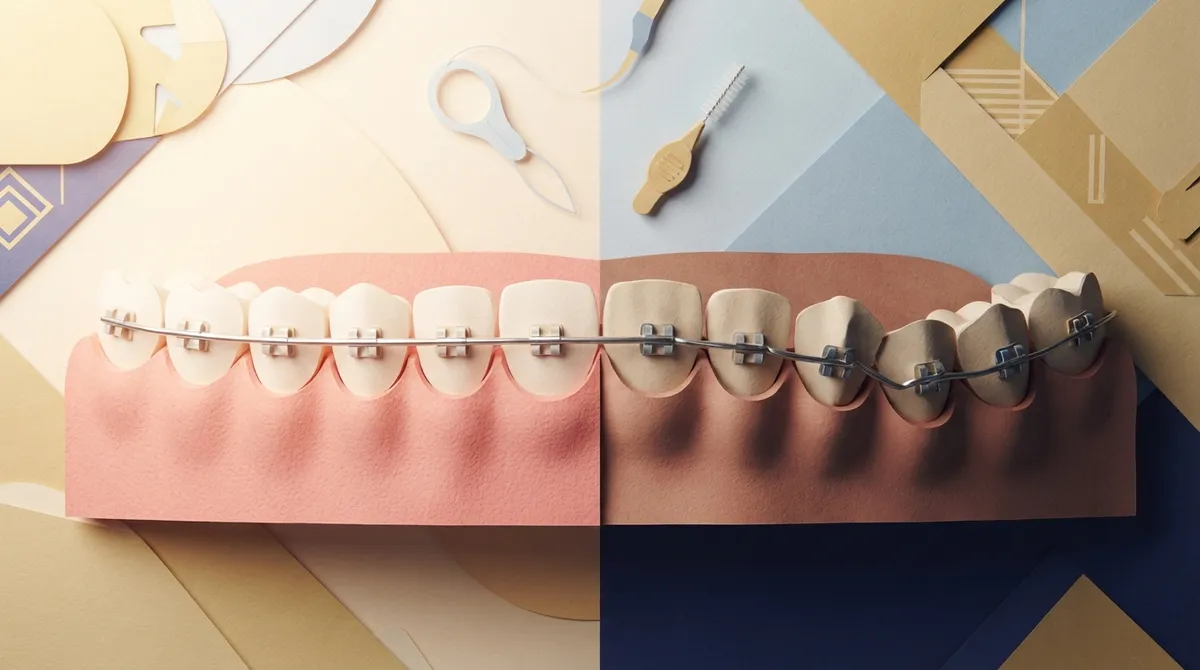
A bonded retainer is also called a fixed or permanent retainer. It’s a small, thin wire attached with dental cement to the back of your teeth. Most often, it goes behind your lower front teeth or upper front teeth.
Unlike a removable retainer that you take in and out, a bonded retainer stays put. You don’t have to remember to wear it. It’s just always there, quietly doing its job while you go about your day.
This little wire matters more than you might think. After braces or Spark™ Clear Aligners, your teeth naturally want to drift back toward their old positions. Dentists call this relapse. A bonded retainer helps stop that shift before it starts.
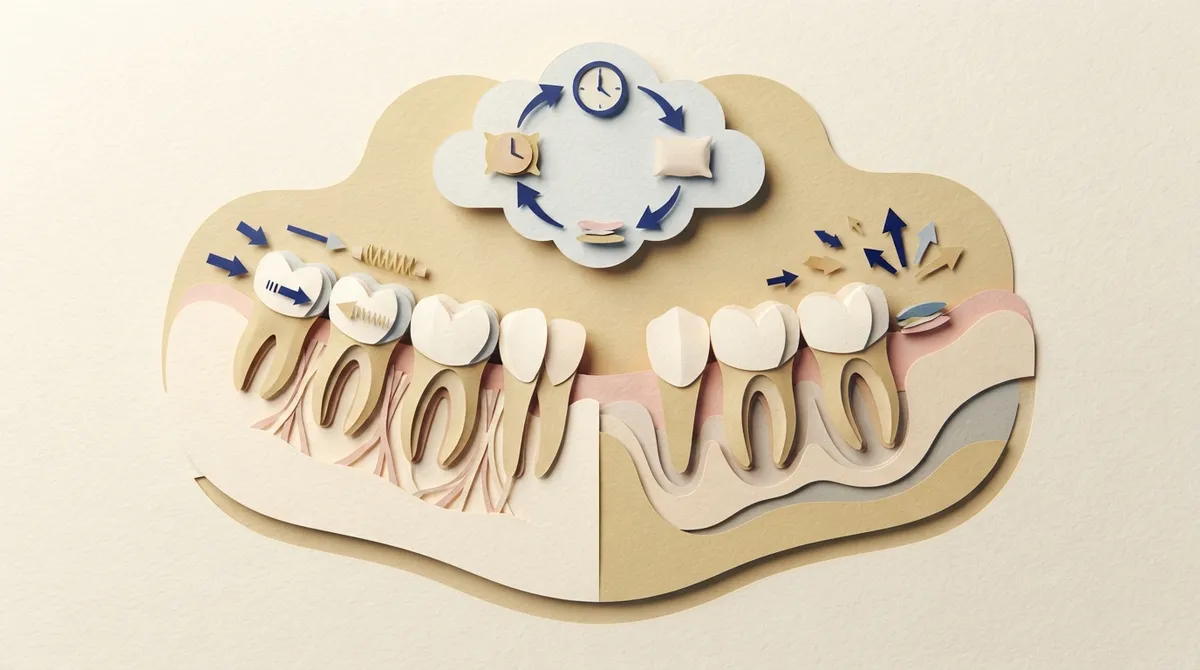
Why Teeth Move After Orthodontic Treatment
This part surprises a lot of patients. You’d think once your teeth are straight, they’d just stay that way forever. Sadly, that’s not how the mouth works.
Your teeth are held in place by gum tissue and tiny fibers that stretch and adjust over time. Right after braces come off, those fibers are still settling. Add in normal aging, and crowding can creep back in even years later.
That’s why a solid retention plan is just as important as the treatment itself. Skipping retainers is one of the biggest regrets we hear from patients who come back years later for retreatment. If you’re already dealing with this, our team can walk you through your options for adult orthodontic treatment to fix relapse the right way.
Bonded Retainer vs. Removable Retainer: The Real Comparison
This is the question everyone actually wants answered. Let’s compare the two side by side so you can see the real differences.
| Feature | Bonded Retainer | Removable Retainer |
|---|---|---|
| Daily Effort | None, it stays in place | Must remember to wear it |
| Visibility | Hidden behind teeth | Can be seen when worn |
| Cleaning | Requires floss threaders or special tools | Easy to remove and clean |
| Risk of Loss | Cannot be lost or misplaced | Can be lost or forgotten |
| Eating | No restrictions | Must remove before eating |
| Repair Needs | Wire can break or debond | Can crack or warp over time |
Research backs up what many orthodontists already suspected. A 2022 systematic review of clinical trials found that in the lower arch, bonded retainers worked better than removable ones during the first three to six months. They also showed an edge for long-term stability in that same study. But after a year or two, both types performed about the same.
Interestingly, for upper teeth, bonded and removable retainers were generally equally effective at keeping things stable. So the “best” choice really depends on which teeth we’re talking about and your personal habits.
The Big Benefits of a Bonded Retainer
Let’s talk about why so many patients (and parents) love this option.
- No daily reminders needed. You won’t forget to put it in because it’s already there.
- Nearly invisible. It sits behind your teeth, so nobody will notice it during conversations or photos.
- Great for busy teens. Let’s be honest, teenagers don’t always remember to wear removable retainers. A bonded option takes that worry away.
- Consistent, round-the-clock support. There’s no gap in protection from forgetting to wear it after a long day.
For teens juggling school, sports, and social life, this hands-off approach is often a game changer for parents too. If you’re exploring options for your child, check out our guide on adolescent orthodontic treatment to see what fits your family best.
The Downsides You Should Know About
No treatment is perfect, and bonded retainers do come with some real challenges.
- Trickier to clean. Plaque and calculus love to hide around that wire. You’ll need floss threaders, interdental brushes, or a water flosser to keep things clean.
- Possible gum irritation. Poor hygiene around the wire can lead to gingivitis if you’re not careful.
- Wire breakage happens. The bond can loosen, or the wire itself can snap, especially if you bite into something hard.
- Unwanted tooth movement. If the wire partly detaches and gets twisted, it can actually push a tooth out of alignment instead of holding it in place.
A 2022 review found more plaque and calculus buildup with bonded retainers compared to removable ones after a year of wear. That doesn’t mean they’re bad. It just means you need to be extra diligent about brushing and flossing around that wire every single day.
How to Keep Your Bonded Retainer Clean and Healthy
Good hygiene habits make all the difference here. Follow these simple steps every day:
- Brush gently around the wire at least twice a day, angling your brush to reach behind it.
- Use a floss threader or orthodontic floss pick to get underneath the wire.
- Try an interdental brush for extra cleaning power between teeth.
- Consider a water flosser if string floss feels too frustrating.
- Keep up with regular dental checkups so your dentist can spot any early issues.
The American Dental Association recommends brushing twice daily and flossing once a day for everyone, but bonded retainer wearers need to be even more thorough around that hardware. It sounds like a lot, but it becomes second nature after a week or two.
What Happens If Your Bonded Retainer Breaks or Comes Loose?
This happens more often than you’d think, and it’s usually not a big emergency. But timing matters a lot here.
If you notice your retainer feels loose, wiggly, or if part of it has popped off a tooth, don’t wait it out. Teeth can start shifting within days once that wire loses its grip. The sooner you get it checked, the easier the fix will be.
A 2023 review found complication rates for bonded retainers are actually pretty low, around 1.1% for certain lower retainer types in one study. Most problems tend to show up in the first five to six years after bonding. Still, that number can vary a lot depending on the retainer design and how well it was originally placed.
If something feels off with your retainer, don’t try to fix it yourself with nail glue or a rubber band (we’ve seen it all). Instead, reach out and get in touch with our team so we can take a look and get you back on track quickly.
Do Bonded Retainers Last Forever?
Many patients assume a bonded retainer is a “set it and forget it” solution for life. That’s mostly true, but with some important caveats.
Bonded retainers are often meant for long-term, sometimes lifelong, use. But that doesn’t mean you can ignore them. Regular checkups let your orthodontist catch small issues, like a loosening bond, before they turn into bigger problems.
One older review looking at four long-term studies found survival rates around 50% or higher for fixed retainers over time, though the research quality varied quite a bit. The takeaway? These retainers can last many years, but nothing lasts forever without a little maintenance.
Is a Bonded Retainer Right for You?
Honestly, there’s no universal answer here. Current evidence doesn’t show that bonded retainers are always better than removable ones. It really comes down to a few personal factors.
- How likely are your teeth to shift back (your relapse risk)?
- Which teeth were treated, upper, lower, or both?
- How consistent are you with oral hygiene habits?
- Can you reliably wear a removable retainer every night without fail?
- What does your orthodontist recommend based on your specific bite?
This is exactly why a personalized consultation matters so much. Every smile is different, and what works great for your neighbor might not be the best fit for you. During your first visit with us, we’ll talk through your goals, your lifestyle, and your treatment history to figure out the smartest retention plan.
Why Clearwater Families Trust Brockway Orthodontics for Retainer Care
Dr. Brockway has spent years helping patients throughout Clearwater protect their smiles long after braces come off. She takes the time to really listen, answer your questions, and make sure you understand exactly how to care for your retainer, whether it’s bonded or removable.
Our office uses modern tools like digital impressions and 3D imaging, so your retainer fits precisely from day one. We also know life gets busy, so we offer flexible scheduling and, in some cases, same-day solutions to get you the care you need without the runaround.
Curious what other patients think? You can visit us on Google — Brockway Orthodontics to read real reviews from families just like yours. We’re also active on Instagram and Facebook, where we share smile transformations and helpful tips for retainer care.
Frequently Overlooked Retainer Mistakes to Avoid
Before we wrap up, here are a few common slip-ups we see patients make with bonded retainers:
- Chewing on ice, pens, or fingernails, which can crack the wire or bond.
- Skipping regular dental cleanings, letting plaque build up unnoticed.
- Ignoring a loose feeling and hoping it fixes itself.
- Assuming the retainer means you can skip your orthodontic checkups entirely.
Staying on top of these small habits keeps your bonded retainer working exactly as it should for years to come. For more general guidance, the Florida Association of Orthodontists also offers helpful patient resources about long-term retention care.
Ready to Protect Your Smile for Good?
Whether you’re finishing up treatment soon or you’re dealing with shifting teeth years after braces, the right retainer plan makes all the difference. Dr. Brockway and our friendly Clearwater team are here to help you figure out exactly what your smile needs.
Ready to talk retainer options or schedule your next checkup? Book your appointment online today and let’s keep that beautiful new smile exactly where it belongs.
FAQs
Q: What is a bonded retainer and how does it work?
A: A bonded retainer is a thin wire glued behind your teeth using dental cement, usually on the lower or upper front teeth. It stays in place all day and night, quietly holding your teeth steady without you having to think about it at all.
Q: How long do bonded retainers last?
A: Many bonded retainers are designed to last for years, sometimes even a lifetime, with proper care. That said, regular checkups are important since the wire or bond can wear down over time and may need repair or replacement.
Q: Are bonded retainers better than removable retainers?
A: Not necessarily! Studies show bonded retainers work great for short-term lower teeth stability, but removable retainers can be just as effective long-term. The best choice really depends on your habits, your bite, and what your orthodontist recommends.
Q: What should I do if my bonded retainer comes loose or breaks?
A: Don’t wait around, give your orthodontist a call as soon as you notice it. Teeth can start shifting quickly once the wire loosens, so a prompt repair helps you avoid bigger problems down the road.
Q: How do you clean around a bonded retainer?
A: You’ll want to use a floss threader, interdental brush, or water flosser to get underneath the wire every day. It takes a little extra effort at first, but it becomes a simple part of your routine pretty quickly.
Our Service Area