
Key Takeaways
-
Understanding the root cause of gaps (frenum, missing teeth, genetics, etc.) is essential because different causes require different treatment approaches, and your orthodontist will determine this during your initial exam.
-
Clear aligners are ideal for busy adults and small to moderate gaps because they’re removable, nearly invisible, and fit seamlessly into professional schedules without requiring noticeable changes.
-
Treatment timelines vary significantly: small gaps close in 6-9 months, larger gaps take 12-18 months, and complex cases may require up to 24 months; bonding is a single-visit option for tiny cosmetic gaps.
-
Wearing a retainer exactly as instructed after treatment is critical because teeth naturally want to return to their original position, making gap closure vulnerable to relapse without consistent retention.
-
Multiple treatment options exist beyond braces, including ceramic braces, dental bonding, porcelain veneers, and frenectomy procedures, allowing you to choose based on gap size, budget, and cosmetic preferences.
-
Closing gaps improves both function and aesthetics: it prevents food trapping that causes gum disease, supports proper chewing, and improves bite alignment alongside giving you a more confident smile.
Do you have a small space between your two front teeth? Or maybe gaps have shown up in several spots. Either way, you’re not alone. Gap teeth, also called diastema, are one of the most common reasons people visit an orthodontist. The good news? Gap teeth treatment works really well, and there are more options today than ever before.
At Brockway Orthodontics, we see patients of all ages who want their gaps closed. Some are parents bringing in their kids. Some are teens getting ready for prom photos. Others are busy professionals who finally have time to invest in their smile. No matter your story, this guide will walk you through exactly how gap teeth treatment works, what it costs, and how long it takes.
What Causes Gaps Between Teeth?
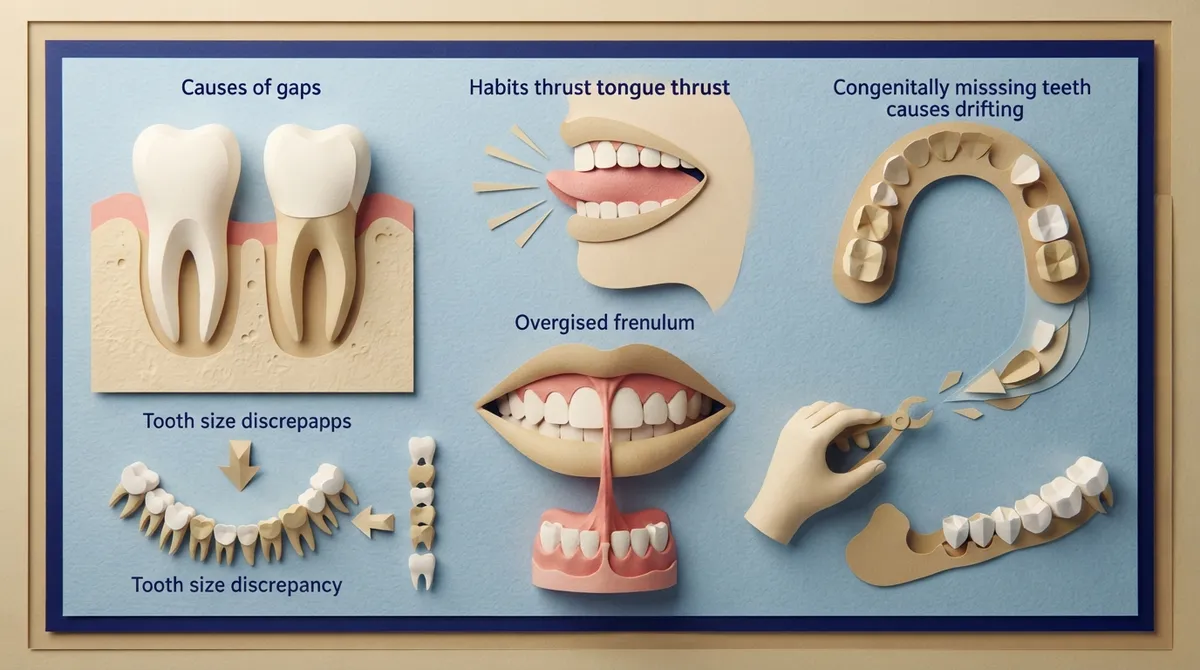
Before we talk about fixing gaps, let’s talk about why they happen. Understanding the cause helps your orthodontist pick the best treatment for you.
- Teeth that are smaller than your jawbone, leaving extra space
- Missing teeth or teeth that never grew in
- A thick or high labial frenum (the tissue between your front teeth and upper lip) pushing teeth apart
- Thumb sucking or tongue thrusting habits from childhood
- Gum disease that has caused teeth to shift and loosen
- Genetics — sometimes gaps just run in the family
Your orthodontist will figure out the exact cause during your exam. This step matters because a gap caused by a frenum needs different care than one caused by small teeth or missing teeth.
Gap Teeth Treatment Options: Which One Fits You?
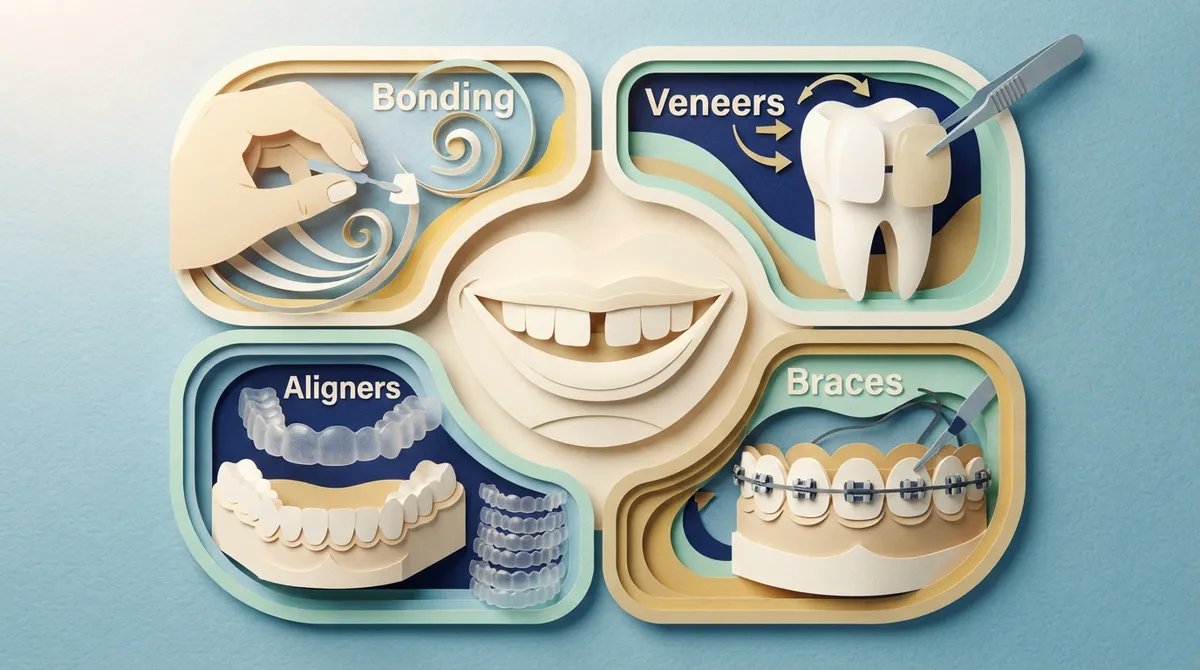
There isn’t just one way to close a gap. Your treatment plan depends on the size of the gap, your bite, and whether you have other alignment issues too. Here’s a breakdown of the most common approaches.
1. Traditional Metal Braces
Braces are still one of the most reliable ways to close gaps of any size. They use brackets and wires to slowly guide teeth into place. Braces work great for small gaps and large ones, and they can also fix other issues at the same time, like crowding or bite problems. If you want to learn more about how this classic treatment works, check out our page on All About Braces.
2. Ceramic (Clear) Braces
Ceramic braces work just like metal braces, but the brackets blend in with your teeth. Many teens and adults like this option because it’s less noticeable while still handling complex spacing cases.
3. Clear Aligners
Clear aligners are a popular pick for small to moderate gaps, especially when your bite is otherwise in good shape. These clear trays are removable, nearly invisible, and comfortable. At Brockway Orthodontics, we offer Spark™ Clear Aligners, a more affordable option that gives you the same great results as pricier brands. Many adult professionals love this choice because it fits their busy lives without anyone noticing.
4. Dental Bonding
Dental bonding adds tooth-colored resin to your teeth to close small gaps quickly. It’s not exactly orthodontic treatment since it doesn’t move teeth, but it’s often used as a fast, budget-friendly fix for tiny spaces. Bonding usually lasts about 5 to 10 years before it needs a touch-up.
5. Porcelain Veneers
Veneers are thin shells placed over your teeth. They can close gaps while also changing the shape, size, or color of your teeth. Veneers require some enamel removal, so they’re usually chosen when you want more than just gap closure. With good care, veneers can last 10 to 15 years or longer.
6. Frenectomy
If a thick or high labial frenum is pushing your front teeth apart, your orthodontist may recommend a frenectomy. This is a simple procedure that removes or adjusts the tissue. It’s often done alongside braces or aligners, not as a standalone fix.
Comparing Your Gap Teeth Treatment Options
| Treatment | Best For | Typical Timeline | Moves Teeth? |
|---|---|---|---|
| Traditional Braces | Small to large gaps, complex cases | 12–24 months | Yes |
| Ceramic Braces | Moderate to large gaps, discreet look | 12–24 months | Yes |
| Clear Aligners | Small to moderate gaps, good bite | 6–18 months | Yes |
| Dental Bonding | Small cosmetic gaps | 1 visit | No |
| Porcelain Veneers | Gaps plus shape/color changes | 2–3 visits | No |
| Frenectomy | Gaps caused by frenum tissue | 1 procedure + ortho time | No (supports ortho) |
How Long Does Gap Teeth Treatment Take?
This is one of the most common questions we hear, and the honest answer is: it depends. Here’s a general idea of what to expect.
- Small gaps often close in about 6 to 9 months with braces or clear aligners.
- Larger gaps, or gaps combined with other issues, may take 12 to 18 months or more.
- Complex spacing cases involving multiple teeth can take up to 24 months.
- Bonding is done in a single office visit, with no waiting for movement.
- Veneers usually take two to three appointments over a few weeks.
Surgery is rarely needed for gap closure. Most cases can be handled with orthodontic treatment or a combination of dental procedures. Your first visit will include a full exam, X-rays, and sometimes digital scans, so we can map out a timeline just for you.
Gap Teeth Treatment for Different Life Stages
Parents: Helping Kids and Teens
If your child has a gap between their front teeth, don’t panic. Some gaps close on their own as adult teeth come in. But if the gap is still there by early adolescence, it’s worth getting checked. Early evaluation helps us catch issues before they become bigger problems. Learn more about timing on our Early Treatment page or our guide on Adolescent Treatment.
Teens and Young Adults: Smiling Big for Milestones
Prom, graduation, senior photos — these moments matter, and so does your confidence. Clear aligners and ceramic braces are popular with teens who want results without feeling self-conscious. Many teens finish treatment just in time for their big events.
Adult Professionals: Discreet and Efficient
Busy adults often ask for treatment that fits into their schedule without slowing them down. Clear aligners are a favorite here because they’re removable and barely noticeable in meetings or on video calls. Check out our Adult Treatment options to see what fits your lifestyle.
Orthodontic Relapse Patients: Fixing Gaps That Came Back
Had braces years ago, but now your gap is back? This happens more often than you’d think, especially if a retainer wasn’t worn consistently. The good news is that retreatment is usually quicker and simpler than your first round of treatment. We’ll help you get back on track and this time, we’ll make sure retention sticks.
Health-Conscious Individuals: Function Meets Beauty
Gaps aren’t just a cosmetic concern. They can affect your bite, make it harder to chew properly, and even contribute to gum issues since food gets trapped more easily. Closing gaps supports both a healthier mouth and a smile you’re proud of.
What Happens During Your Gap Teeth Treatment Journey?
- Initial consultation and exam, including X-rays and photos or digital scans
- Discussion of your goals, concerns, and treatment options
- Choosing the right method: braces, aligners, bonding, veneers, or a combination
- Beginning treatment and regular check-in appointments
- Monitoring progress as your gap gradually closes
- Finishing treatment and moving into the retention phase
That last step is one people sometimes forget about, but it’s just as important as the treatment itself.
Why Retention Matters After Gap Teeth Treatment
Here’s something we want every patient to know: teeth can shift back after treatment if you skip your retainer. Gaps are especially prone to reopening because the space was there for a reason, and your teeth “remember” that position. Wearing your retainer as directed is the best way to protect your results long term.
- Wear your retainer exactly as instructed, especially during the first year
- Keep up with regular dental checkups to catch small shifts early
- Replace a lost or broken retainer right away instead of waiting
- Ask your orthodontist about permanent retainers if you’re at higher risk of relapse
Is Gap Teeth Treatment Covered by Insurance?
Many dental insurance plans offer partial coverage for orthodontic treatment, especially when there’s a functional reason for the gap, like bite problems. Coverage varies a lot depending on your plan and whether treatment is considered medically necessary or purely cosmetic. Our team can help you understand your financing and insurance options, and we also offer flexible payment plans to make treatment affordable for every family.
Why Choose Brockway Orthodontics for Gap Teeth Treatment in Clearwater
Dr. Brockway isn’t just skilled and experienced — she genuinely cares about your smile journey. From your very first appointment, she takes time to listen to your goals and answer every question, so you always know what’s happening and why. Our Clearwater practice is built around families, which means we treat everyone from young kids to grandparents, all under one roof.
We use modern technology like digital impressions and 3D imaging, so there are no messy molds and your treatment plan is more precise. In select cases, we can even offer same-day treatment starts, because we know life gets busy and waiting around isn’t always an option. To see real feedback from our patients, take a look at Brockway Orthodontics reviews on Google.
For general guidelines on oral health and orthodontic care, the American Dental Association offers helpful resources. You can also learn more about orthodontic standards of care through the Florida Association of Orthodontists. And don’t forget to follow us on Facebook for smile transformations, tips, and updates from our Clearwater office.
Ready to Close Your Gap?
Gap teeth treatment isn’t one-size-fits-all, and that’s a good thing. Whether you need braces, clear aligners, bonding, or a mix of treatments, there’s a path that fits your life and your smile goals. The most important step is simply getting started with a proper exam so you know exactly what your teeth need.
Ready to see your options in person? Book your free consultation online today, and let’s map out your smile journey together. Have questions first? Feel free to reach out to our friendly team — we’re always happy to help.
FAQs
Q: What is the best treatment for gaps between teeth?
A: It really depends on your gap and your goals! Braces and clear aligners are usually best for moving teeth into place, while bonding or veneers work well for smaller cosmetic fixes. The friendliest way to find your perfect match is to come in for an exam so we can guide you personally.
Q: Can braces close gaps in front teeth?
A: Absolutely, braces are one of the most trusted ways to close front teeth gaps, big or small. They gently guide your teeth together over time, and they can fix other alignment issues at the same time, so you get a fully balanced smile.
Q: Are clear aligners effective for diastema?
A: Yes, clear aligners work great for small to moderate gaps, especially when your bite is already in good shape. Many of our patients love that these trays are nearly invisible, so they can close their gap without anyone even noticing they’re in treatment.
Q: How long does it take to close gaps between teeth?
A: Smaller gaps often close in about 6 to 9 months, while larger or more complex spacing can take 12 to 18 months or longer. We’ll give you a personalized timeline at your consultation, so you’ll always know what to expect along the way.
Q: Do gaps between teeth come back after treatment?
A: They can, but only if retention isn’t taken seriously. That’s why we always pair gap teeth treatment with a solid retainer plan, because keeping your smile beautiful is just as important as achieving it in the first place.
Our Service Area