
Key Takeaways
-
Rinse aligners immediately after removal with lukewarm water, then brush gently with a soft toothbrush and clear unscented soap twice daily to prevent plaque buildup, cloudiness, and bad breath.
-
Never use toothpaste, hot water, colored soaps, or harsh scrubbing on aligners as these damage the plastic, cause cloudiness, warping, and create hiding spots for bacteria.
-
Deep clean aligners 2-3 times weekly with Invisalign Cleaning Crystals or orthodontist-approved soaking solutions for 15-20 minutes to maintain clarity and hygiene beyond daily care.
-
Clean your aligner case daily with a damp cloth and wash it weekly with mild soap to prevent bacteria buildup that transfers back to freshly cleaned trays.
-
Dirty aligners increase cavity risk, gum irritation, and enamel demineralization, so proper cleaning is as essential to treatment success as wearing trays 20-22 hours daily.
-
Create a sustainable habit by keeping your cleaning kit next to your toothbrush, setting phone reminders, and packing a travel kit for school or work to maintain consistency.
Your clear aligners work hard for you, quietly straightening your smile while staying nearly invisible. But here’s the thing: they need a little care in return. Cleaning your Invisalign trays the right way keeps them clear, fresh-smelling, and comfortable to wear. Skip this step, and you might end up with cloudy trays, bad breath, or even a higher risk of cavities.
At Brockway Orthodontics in Clearwater, we talk to patients every day who have questions about aligner care. Whether you’re a busy parent managing your teen’s treatment, a professional wearing aligners to work, or an adult finally getting the smile you always wanted, this guide will walk you through exactly how to clean your Invisalign trays. We’ll keep it simple, practical, and easy to fit into your daily routine.
Why Cleaning Your Invisalign Aligners Actually Matters
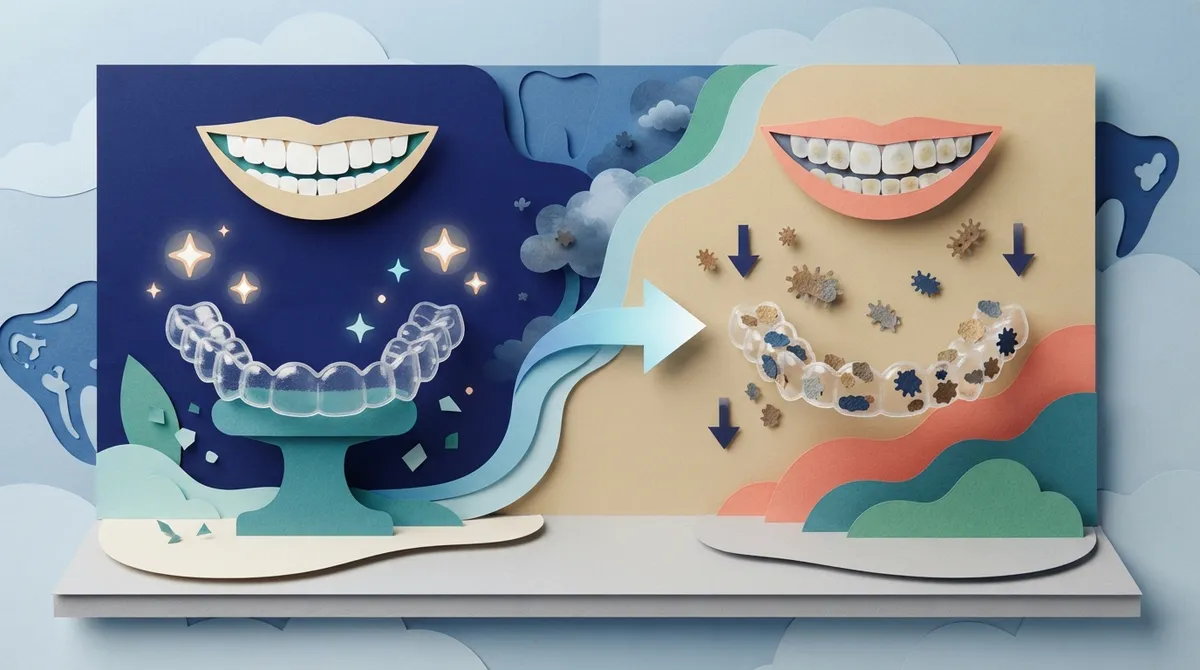
Think about it this way: your aligners sit against your teeth and gums for 20 to 22 hours a day. That’s a lot of contact time with saliva, food particles, and bacteria. Without regular cleaning, plaque can build up on the plastic, leading to a cloudy appearance, odor, and even an increased risk of tooth decay or gum irritation.
Clean aligners also just feel better. Nobody wants to pop in a tray that smells off or feels filmy. Plus, keeping your aligners clear means they stay as discreet as they’re supposed to be, which matters a lot if you’re a teen headed to prom or a professional in client meetings all day.
What Happens If You Skip Cleaning
- Aligners turn cloudy or yellow over time
- Bacteria and plaque build up, raising your risk of cavities
- Bad breath becomes more noticeable
- Trays may develop a rough texture that irritates your gums
- Treatment progress can be affected if aligners don’t fit as cleanly as they should
How to Clean Invisalign Aligners Every Day
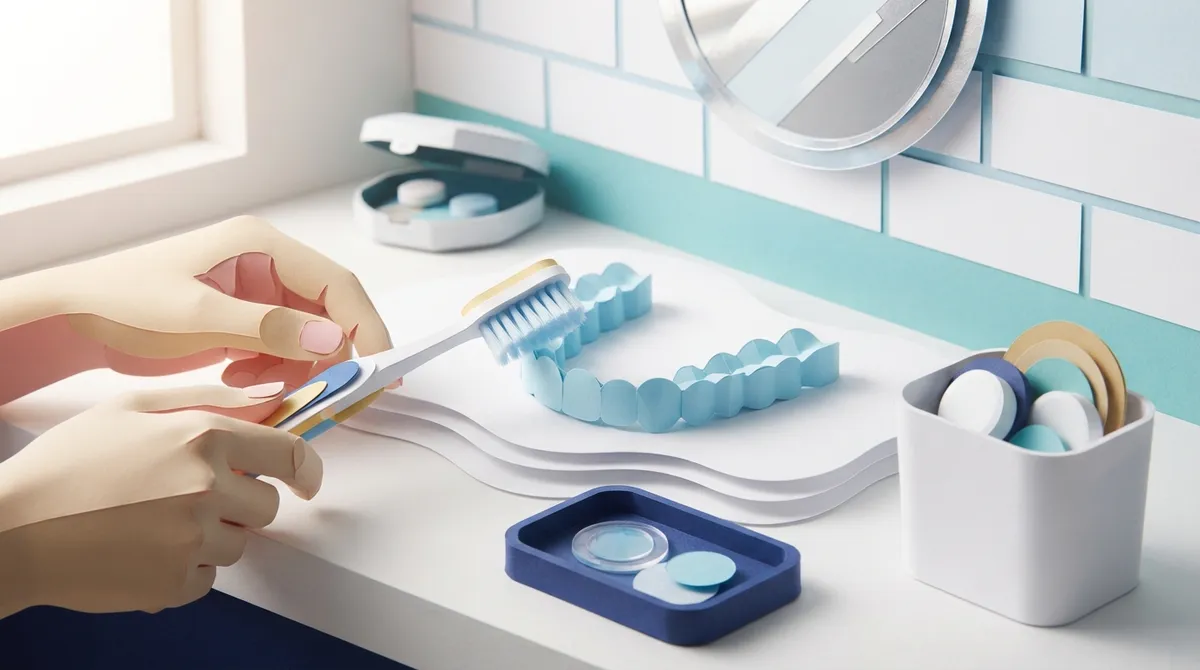
The good news is that daily cleaning doesn’t take much time or effort. Most orthodontic sources recommend cleaning your aligners at least twice a day, ideally when you brush your teeth in the morning and at night. Here’s a simple step-by-step routine you can follow.
Step-by-Step Daily Cleaning Routine
- Rinse immediately after removal. Every time you take your aligners out, rinse them right away with lukewarm water. This washes away saliva and food particles before they have a chance to dry and stick.
- Brush gently with a soft-bristled toothbrush. Use a separate, soft toothbrush (not the one you use on your teeth) to clean both the inside and outside of the tray.
- Use clear, unscented soap. A gentle liquid soap or clear antibacterial soap works well. Avoid colored or heavily scented soaps, which can leave residue or stain the plastic.
- Rinse thoroughly. Make sure all soap residue is washed away before putting your aligners back in your mouth.
- Dry or reinsert. You can pat them dry gently or place them back in right after rinsing, as long as they’re clean.
This simple routine takes less than five minutes and makes a huge difference in how your aligners look, feel, and smell. It’s a habit worth building, especially if you’re guiding a teenager through their first experience with clear aligner treatment.
What NOT to Use When Cleaning Invisalign
Just as important as knowing what to do is knowing what to avoid. Some common household products can actually damage your aligners, so steer clear of these mistakes.
Common Cleaning Mistakes to Avoid
- Toothpaste: It seems like the obvious choice, but toothpaste is abrasive. It can scratch the plastic, making it cloudy and creating tiny grooves where bacteria can hide.
- Hot water: Heat can warp the plastic trays, changing their shape and affecting how well they fit. Always use lukewarm or cool water instead.
- Colored or scented soaps: These can leave behind residue, stains, or unwanted flavors on your aligners.
- Mouthwash soaking: The color and alcohol content in many mouthwashes can discolor and dry out the plastic.
- Harsh scrubbing: Being too rough with a toothbrush can scratch the surface, so always use gentle pressure.
Deep Cleaning: When and How to Soak Your Aligners
Daily rinsing and brushing handle everyday buildup, but periodic deep cleaning helps keep your aligners looking their best. Many orthodontic practices recommend using Invisalign Cleaning Crystals or similar clinician-approved soaking solutions a few times a week.
| Cleaning Method | Frequency | Soak Time |
|---|---|---|
| Invisalign Cleaning Crystals | 2-3 times per week | 15-20 minutes |
| Clinician-approved soaking solution | As recommended | 10-30 minutes |
| Daily rinse and brush | Twice daily (morning and night) | Not applicable |
| Denture-cleaning tablets (if approved) | 1-2 times per week | 15-20 minutes |
Always check with your orthodontist before trying a new cleaning product, since not everything marketed as a “denture cleaner” is safe for clear aligners. Some patients also ask about vinegar or baking soda solutions. While a diluted vinegar soak is sometimes mentioned as a home remedy, it’s best to stick with products specifically designed for aligners, or check with your provider first. Baking soda can be too abrasive for daily use, similar to toothpaste.
Caring for Your Invisalign Case Too
It’s easy to focus all your attention on the trays and forget about the case, but that little container matters more than you might think. Bacteria and residue can build up inside the case, transferring right back onto your clean aligners the next time you store them.
Simple Tips for Keeping Your Case Clean
- Wipe out the inside of the case daily with a damp cloth
- Let the case air dry fully before closing it
- Wash the case with mild soap and water once a week
- Replace the case if it starts to crack, smell, or look worn
- Never store aligners loose in a pocket or bag without the case
A clean case protects your investment in your smile and helps you avoid losing your aligners, which happens more often than you’d think, especially with busy teens and on-the-go professionals.
Cleaning Tips for Different Lifestyles
Everyone’s daily routine looks a little different, so here’s how cleaning fits into a few common lifestyles we see at our Clearwater practice.
For Parents Managing a Teen’s Treatment
Help your teen build a habit of packing a small cleaning kit for school: a travel toothbrush, a tiny bottle of clear soap, and their case. This makes it easy to clean aligners right after lunch instead of waiting until they get home. If you’re just starting to explore options, our page on adolescent treatment covers what to expect.
For Busy Professionals
If your schedule is packed with meetings, keep a travel-sized cleaning kit at your desk. A quick rinse and brush during a coffee break keeps your aligners looking sharp for your next presentation. Many adults choose Spark™ Clear Aligners for exactly this reason: they fit into a demanding lifestyle without drawing attention.
For Health-Conscious Patients
If you’re already mindful about oral health, you’ll appreciate that consistent aligner cleaning supports your overall hygiene goals. Pairing your aligner care with good brushing and flossing habits helps protect your teeth and gums throughout treatment. The American Dental Association offers helpful general guidance on maintaining strong oral hygiene habits during any orthodontic treatment.
Troubleshooting Cloudy or Discolored Aligners
Sometimes, despite your best efforts, aligners can start to look a little hazy. Here’s what usually causes it and how to fix it.
Common Causes of Cloudy Aligners
- Using toothpaste instead of clear soap
- Skipping regular cleanings for a few days
- Drinking colored beverages (coffee, tea, wine) while wearing trays
- Using hot water during cleaning
- Not soaking regularly with an approved cleaning solution
If your aligners are already cloudy, a thorough soak in an approved cleaning solution followed by gentle brushing can sometimes help restore clarity. However, if the cloudiness doesn’t improve, it may be time to talk with your orthodontist about your next set of trays.
When to Reach Out to Your Orthodontist
Cleaning issues aren’t just cosmetic. If your aligners feel unusually rough, smell persistently bad even after cleaning, or seem to fit differently than before, it’s worth checking in with your provider. This is especially true for patients managing complex cases or those who previously experienced orthodontic relapse and want to protect their investment in retreatment.
Regular checkups also give you a chance to ask questions about your cleaning routine and make sure you’re on the right track. Our team walks every patient through proper care during their first visit, so you always know exactly what’s expected.
Building a Sustainable Cleaning Habit
The best cleaning routine is one you’ll actually stick with. Here are a few ways to make it second nature.
Habit-Building Tips
- Keep your cleaning kit next to your toothbrush so it’s part of your existing routine
- Set a phone reminder if you tend to forget midday cleanings
- Pack a mini travel kit for school, work, or trips
- Involve your teen in choosing their own case and travel brush to build ownership
- Treat aligner cleaning like brushing your teeth: non-negotiable, twice a day
Consistency really is everything here. A quick, simple habit repeated daily will keep your aligners clear and comfortable throughout your entire treatment, whether that’s a few months or closer to a year.
Why Proper Care Supports Your Treatment Goals
Clean aligners aren’t just about fresh breath and clear plastic. They support the entire purpose of your treatment: a healthy, confident smile. Bacteria buildup on dirty trays can contribute to enamel demineralization and gum irritation, which nobody wants during a process designed to improve their smile.
The Florida Association of Orthodontists emphasizes that proper aligner hygiene is just as important as wearing your trays for the recommended hours each day. Both habits work together to help you get the results you’re looking for, on schedule and without setbacks.
If you’re weighing your options between traditional braces and clear aligners, our guide on all about braces can help you compare paths toward your best smile. And if you’re nearing the end of treatment, don’t forget that proper care extends to your retainers too, since many of the same cleaning principles apply.
Ready to Start Your Clear Aligner Journey?
Clean, clear aligners are one small habit that makes a big difference in your overall treatment experience. At Brockway Orthodontics, we’re proud to be the trusted choice for families and adults across Clearwater looking for personalized, friendly orthodontic care. Dr. Brockway and our team are always happy to answer your questions about aligner care, treatment timelines, or which option might work best for your smile goals.
Curious to see what real patients say about their experience? You can visit us on Google — Brockway Orthodontics to read reviews from our Clearwater community. We also love connecting with patients on Facebook and sharing smile transformations on Instagram.
If you’re ready to explore whether clear aligners are right for you or your family, our team would love to help. Book appointment online today and take the first step toward a smile you’ll love showing off.
FAQs
Q: How do you clean Invisalign aligners daily?
A: Rinse your aligners every time you take them out, then brush them gently with a soft toothbrush and clear, unscented soap. Do this at least twice a day, ideally alongside your morning and nighttime tooth brushing routine, and you’ll keep your trays fresh and clear.
Q: Can you use toothpaste to clean Invisalign?
A: It’s best to skip toothpaste for cleaning your aligners. Toothpaste is abrasive and can scratch the plastic, leaving it cloudy and creating tiny spots where bacteria like to hide. Stick with a gentle, clear soap instead.
Q: What is the best cleaner for Invisalign trays?
A: Invisalign Cleaning Crystals or a similar clinician-approved soaking solution work great for deep cleaning a few times a week. For daily care, clear unscented liquid soap and a soft toothbrush do the trick beautifully.
Q: Can you use hot water to clean Invisalign?
A: Nope, hot water is a no-go here! Heat can actually warp your aligners, changing their shape and messing with how well they fit. Always stick to lukewarm or cool water when rinsing or cleaning your trays.
Q: How often should Invisalign aligners be soaked?
A: Most orthodontic practices recommend soaking aligners in a cleaning solution two to three times a week for about 15 to 20 minutes. Daily rinsing and brushing handle everyday buildup, while soaking gives them a deeper refresh.
Our Service Area