Key Takeaways
-
Research shows no significant difference in total treatment time between self-ligating and traditional braces, despite marketing claims—your orthodontist's technique and case complexity matter more than bracket type.
-
Self-ligating braces use a built-in clip instead of elastic bands, reducing chair time for wire adjustments from 2.3-8 minutes to just 0.7 minutes, but this doesn't translate to fewer overall appointments.
-
Studies found no statistically significant difference in pain levels between self-ligating and conventional braces at 24 hours, 3 days, or 7 days post-adjustment, despite common assumptions.
-
Self-ligating brackets cost more than traditional braces due to specialized design, but pricing varies widely based on case complexity—ask about financing options during your consultation.
-
Both passive and active self-ligating designs exist; your orthodontist chooses based on your specific bite goals, making a personalized consultation essential rather than relying on marketing claims.
-
Oral hygiene requires equal effort with self-ligating braces as traditional braces—brush after meals, use floss threaders, and maintain regular dental cleanings regardless of bracket type.
If you’re researching braces options for yourself or your child, you may have come across the term “self-ligating braces” and wondered what makes them different. Maybe a friend mentioned they skipped the little rubber bands, or you saw an ad promising fewer appointments and less discomfort. We get it. Choosing the right orthodontic treatment feels like a big decision, and you deserve clear, honest answers.
At Brockway Orthodontics in Clearwater, we believe every patient deserves to understand their options before committing to a treatment plan. In this guide, we’ll walk through exactly what self-ligating braces are, how they work, and what the research really says about their benefits. No sales pitch, just friendly, straightforward facts to help you make a confident choice.
What Are Self-Ligating Braces, Exactly
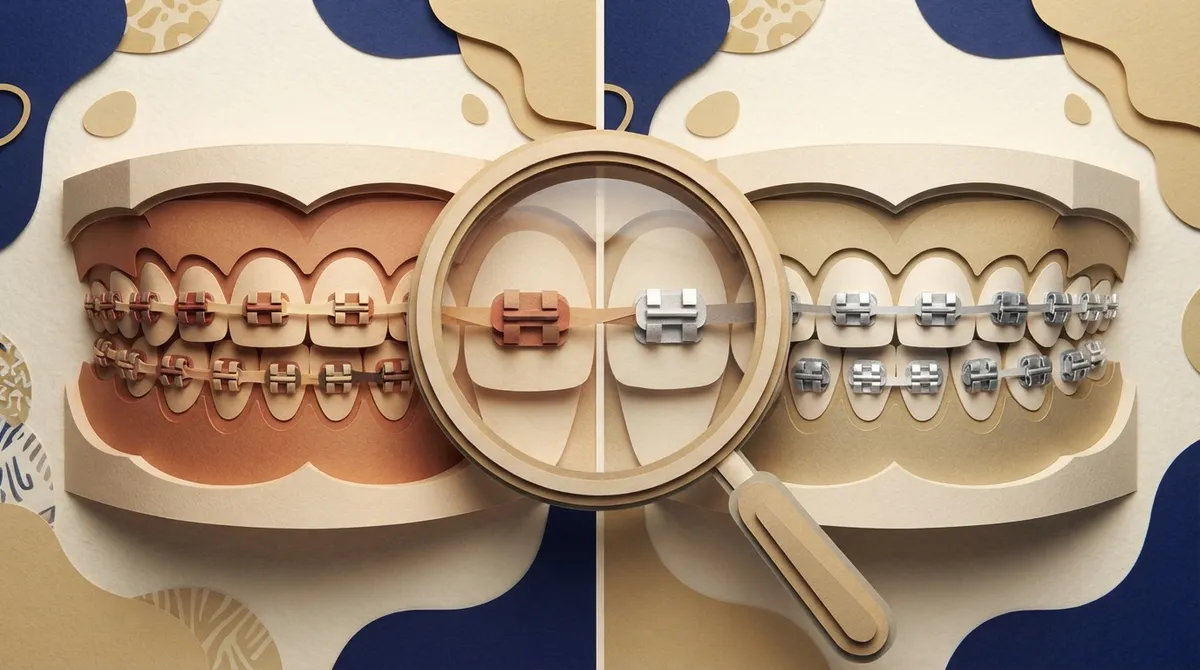
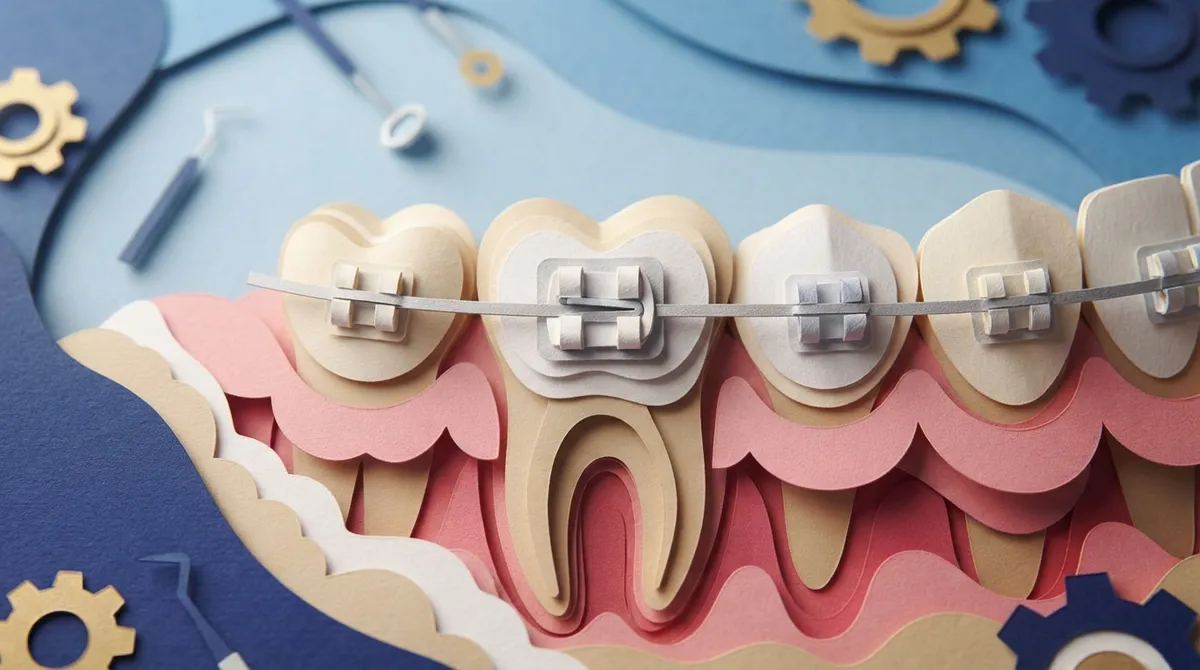
Self-ligating braces are a type of fixed braces that use a small built-in clip or sliding door to hold the archwire in place. Traditional braces use tiny elastic bands or metal ties to secure the wire to each bracket. Self-ligating brackets skip that step entirely.
Think of it like the difference between tying your shoes with laces versus slipping them on with velcro straps. Both get the job done, but the mechanism is different. The archwire still guides your teeth into position over time, but the way it attaches to each bracket is what sets this system apart.
These brackets come in two main styles:
- Passive self-ligating brackets: The clip holds the wire loosely without pressing against it directly.
- Active self-ligating brackets: A spring-loaded clip applies gentle pressure to the wire, which some orthodontists use for specific tooth movements.
Self-ligating brackets are available in metal or ceramic (clear) versions, so you can still choose a more discreet look if that matters to you. They can treat many of the same issues as traditional braces, including crowded teeth, gaps, and bite problems.
How Self-Ligating Braces Work During Treatment
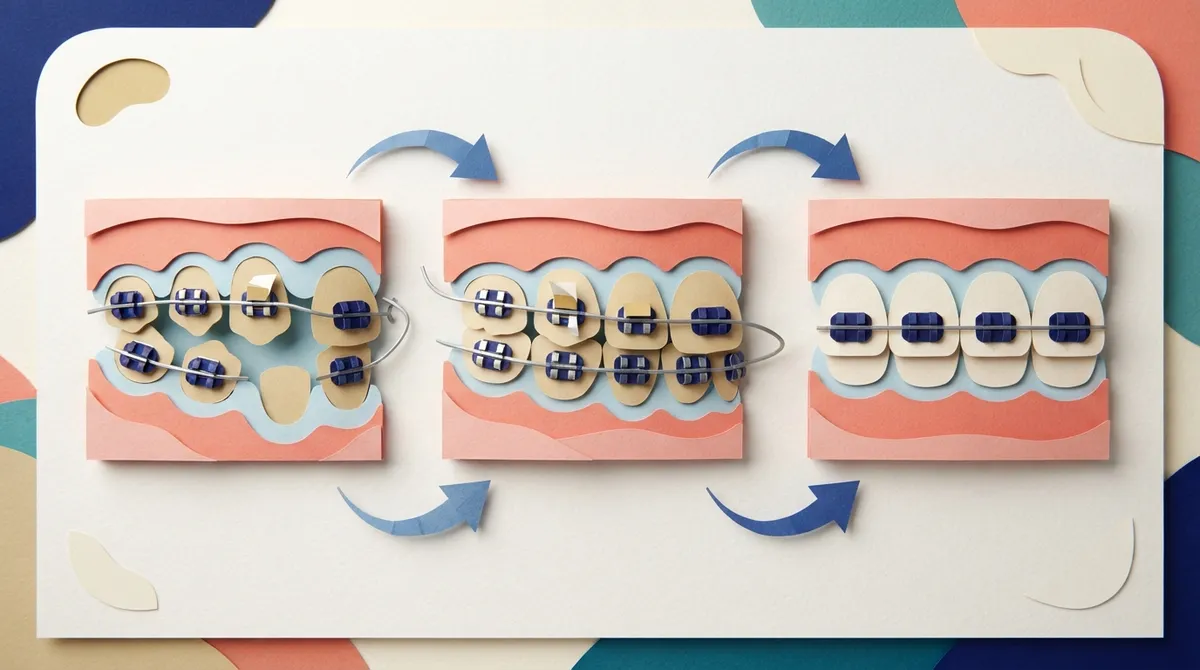
The main practical difference happens at your adjustment appointments. Because there’s no elastic tie to remove and replace, your orthodontist can swap out or adjust the archwire faster. One review of clinical studies found that ligation time per arch averaged about 8 minutes with metal ties, 2.3 minutes with elastic ties, and just 0.7 minutes with self-ligating brackets.
That’s a nice time-saver during your chair time. However, faster wire changes don’t automatically mean a faster overall treatment or fewer visits to the office. You’ll still need regular checkups to monitor your progress, just like with traditional braces.
Passive vs Active Brackets: What’s the Difference For You
Your orthodontist will choose between passive and active designs based on your specific bite and alignment goals. Passive brackets tend to create less friction against the wire, which some orthodontists prefer during early alignment. Active brackets can apply more direct pressure, which may help with certain rotations or movements.
The truth is, this decision is highly individual. What works beautifully for one patient’s crowded teeth might not be the best fit for another person’s bite correction. This is exactly why a personalized consultation matters so much.
Do Self-Ligating Braces Really Work Faster
This is probably the question we hear most often, and it’s a fair one. Marketing materials sometimes suggest self-ligating braces dramatically cut down treatment time. Let’s look at what the actual research shows.
A systematic review examining six randomized controlled trials and eleven controlled clinical studies found insufficient evidence to say self-ligating braces outperform traditional braces overall. Another comprehensive analysis reported no significant differences in total treatment duration, number of appointments, or final results between the two systems.
| Study Comparison | Self-Ligating Braces | Conventional Braces |
|---|---|---|
| Average treatment duration (Study 1) | 19.19 months | 21.25 months |
| Average treatment duration (Study 2) | 25.83 months | 24.34 months |
| Pain levels at 24 hours | No significant difference | No significant difference |
| Ligation time per arch | 0.7 minutes | 2.3–8 minutes |
Notice something interesting? In one study, self-ligating braces finished faster. In another, conventional braces finished faster. Neither difference was statistically significant. This tells us that treatment speed depends far more on your specific case, your orthodontist’s technique, and how well you follow instructions than on the bracket type alone.
Are Self-Ligating Braces Less Painful
Many patients hope that skipping the elastic ties means less soreness after adjustments. Unfortunately, the evidence doesn’t strongly support this idea either. A meta-analysis comparing pain levels found no statistically significant difference between self-ligating and conventional brackets at four hours, 24 hours, three days, or seven days after an adjustment.
Some discomfort after getting braces tightened is completely normal, no matter which system you choose. Your mouth is adjusting to new pressure, and that takes a little time. The good news is that this soreness is temporary and manageable with over-the-counter pain relief and soft foods for a day or two.
Self-Ligating Braces for Crowded Teeth and Other Issues
Crowding is one of the most common reasons families seek orthodontic care. Some marketing suggests self-ligating brackets are specifically better suited for crowded teeth because passive brackets create less friction, potentially allowing teeth to slide into place more easily during early stages.
A network meta-analysis did find that active self-ligating brackets showed slightly faster early alignment compared to passive designs in some comparisons. However, this early speed didn’t translate into a shorter overall treatment timeline in most studies. Your orthodontist’s skill in diagnosing your specific crowding pattern and building the right treatment plan matters far more than the bracket mechanism itself.
If you’re curious whether your case might benefit from a specific bracket type, our first visit consultation is the perfect place to get personalized answers.
Cleaning and Oral Hygiene With Self-Ligating Braces
Some patients assume self-ligating braces are automatically easier to keep clean since there are no elastic ties to trap food particles. While the smooth bracket design can feel slightly less bulky, good oral hygiene still requires consistent effort no matter which braces you choose.
Here are some tips that apply to any type of fixed braces:
- Brush after every meal, or at least twice daily, using a soft-bristled toothbrush.
- Use a floss threader or water flosser to clean between wires and brackets.
- Rinse with fluoride mouthwash to strengthen enamel around the brackets.
- Avoid sticky, hard, or overly sugary foods that can damage brackets or promote decay.
- Keep up with regular dental cleanings alongside your orthodontic visits.
The American Dental Association offers helpful general guidance on maintaining oral health during orthodontic treatment, which applies whether you choose self-ligating or traditional braces.
How Much Do Self-Ligating Braces Cost
Cost is understandably a big factor in any orthodontic decision. Self-ligating braces often carry a slightly higher price tag than traditional metal braces because of the specialized bracket design. However, pricing varies widely depending on your case complexity, treatment length, and location.
At Brockway Orthodontics, we believe cost shouldn’t stand between you and a healthy, confident smile. That’s why we offer flexible financing and insurance options to help make treatment fit your budget. We also offer Spark™ Clear Aligners as a more affordable alternative to other clear aligner brands, giving Clearwater families even more choices.
Choosing the Right Braces for Your Family
So how do you actually decide? Here’s a simple checklist to guide your thinking:
- Consider your specific bite issue, not just what’s trendy or heavily marketed.
- Ask your orthodontist about their experience with different bracket systems.
- Factor in your budget and insurance coverage.
- Think about aesthetics if a discreet look matters to you (ceramic options exist for both systems).
- Remember that consistent appointment attendance matters more than bracket type for staying on schedule.
Dr. Brockway takes time to explain every option clearly, whether you’re a parent exploring adolescent treatment for your teen or an adult considering adult treatment for yourself. We never push a specific product just because it sounds impressive. Instead, we focus on what will actually work best for your unique smile.
What Happens During Your Consultation
During your visit, Dr. Brockway will examine your teeth, discuss your goals, and recommend a treatment plan based on your diagnosis. This might include traditional braces, self-ligating braces, or clear aligners, depending on what fits your needs. We use modern digital imaging and impressions, so there’s no messy goop involved, just a comfortable, efficient scanning process.
We also understand that life gets busy. That’s why we offer same-day treatments in certain cases, so you can get started without juggling multiple appointments. Our team is passionate about serving the Clearwater community, and we treat every patient like family from your very first visit.
Why Families Trust Brockway Orthodontics
Choosing an orthodontist is about more than just bracket technology. It’s about finding a provider who listens, explains things clearly, and genuinely cares about your results. Dr. Brockway has built her practice around exactly that philosophy, combining modern technology with warm, personalized care for patients of every age.
Many organizations, including the Florida Association of Orthodontists, emphasize the importance of choosing a qualified, experienced provider rather than focusing solely on appliance type. That’s advice we wholeheartedly agree with. The right orthodontist will guide you toward the treatment that actually fits your bite, your lifestyle, and your budget.
Curious what other Clearwater families think of their experience with us? You can visit us on Google — Brockway Orthodontics to read real reviews from our patients. We’re also active on Facebook and Instagram, where we love sharing smile transformations and community moments.
Your Next Step Toward a Confident Smile
Self-ligating braces can be a great option for many patients, but they aren’t automatically better or faster than traditional braces. What matters most is having an experienced orthodontist who understands your specific needs and explains your choices honestly. That’s exactly the kind of care we provide at Brockway Orthodontics.
Ready to explore your options and find the treatment plan that’s right for you or your child? We’d love to meet you and answer all your questions in person. Book appointment online today and take the first step toward a smile you’ll love for years to come. If you have questions before your visit, feel free to contact us and our friendly team will be happy to help.
FAQs
Q: What are self-ligating braces and how do they work?
A: Self-ligating braces use a built-in clip or sliding door on each bracket to hold the archwire in place, instead of the elastic bands used with traditional braces. This means your orthodontist can adjust your wire more quickly during appointments, though the overall treatment process works much the same way as conventional braces.
Q: Are self-ligating braces faster than traditional braces?
A: Not necessarily! While wire changes happen faster at the chair, research shows no consistent difference in total treatment time between self-ligating and traditional braces. Your specific bite issue and how well you follow your orthodontist’s instructions matter much more than the bracket type.
Q: Do self-ligating braces hurt less than regular braces?
A: Studies comparing pain levels at various points after adjustments found no significant difference between self-ligating and conventional braces. Some soreness after tightening is normal with any braces, but it’s temporary and manageable with simple at-home care.
Q: Are self-ligating braces easier to keep clean?
A: They can feel slightly less bulky without elastic ties, but good oral hygiene still takes consistent effort with any type of braces. Brushing after meals, flossing carefully, and keeping up with dental checkups matter just as much with self-ligating brackets as with traditional ones.
Q: How much do self-ligating braces cost compared to traditional braces?
A: Self-ligating braces often cost a bit more than traditional metal braces due to their specialized design, but pricing depends on your specific case and treatment length. We’re happy to walk through financing and insurance options during your consultation at Brockway Orthodontics to find a plan that fits your budget.
Our Service Area