
Key Takeaways
-
Most orthodontic treatment takes 18-24 months on average, but mild cases finish in under 12 months while complex cases involving extractions, impacted teeth, or jaw surgery can extend several years.
-
Patient habits directly control treatment timeline: missed appointments, broken brackets, not wearing elastics/aligners as directed, and poor oral hygiene can delay progress by months, but these are all controllable factors.
-
Age doesn't significantly affect treatment duration for adults versus teens—research shows only -0.8 months difference once permanent teeth are in, so adult patients shouldn't expect longer treatment times.
-
Clear aligners and traditional braces show no significant average difference in treatment time (only -0.6 months), so choosing between them should depend on your case type and ability to comply with wear instructions rather than speed.
-
Retention with a retainer is a mandatory second phase after active treatment ends and must continue long-term to prevent tooth relapse, making it essential to factor into your overall orthodontic commitment.
-
Request a realistic timeline range (like '18-22 months') from your orthodontist rather than a single date, and book a full consultation exam since individual diagnosis severity, treatment type, and extraction needs all significantly impact your personal timeline.
Let’s be honest: the first question almost everyone asks at a consultation is, “So, how long does orthodontist treatment take?” It’s a fair question! Whether you’re a parent planning around soccer season, a teen eyeing graduation photos, or a busy professional juggling meetings, timing matters.
Here’s the friendly truth: most people finish active treatment in about 18 to 24 months, but your own timeline depends on your smile, your bite, and your habits. The good news is that you can learn how to estimate your timeline, and even how to keep it from stretching longer than it needs to.
In this guide, we’ll walk through the typical ranges, the factors that speed things up or slow them down, and the simple steps you can take to stay on track. At Brockway Orthodontics, we love helping families understand what to expect, so there are no surprises along the way.
The Short Answer: Typical Orthodontic Treatment Times
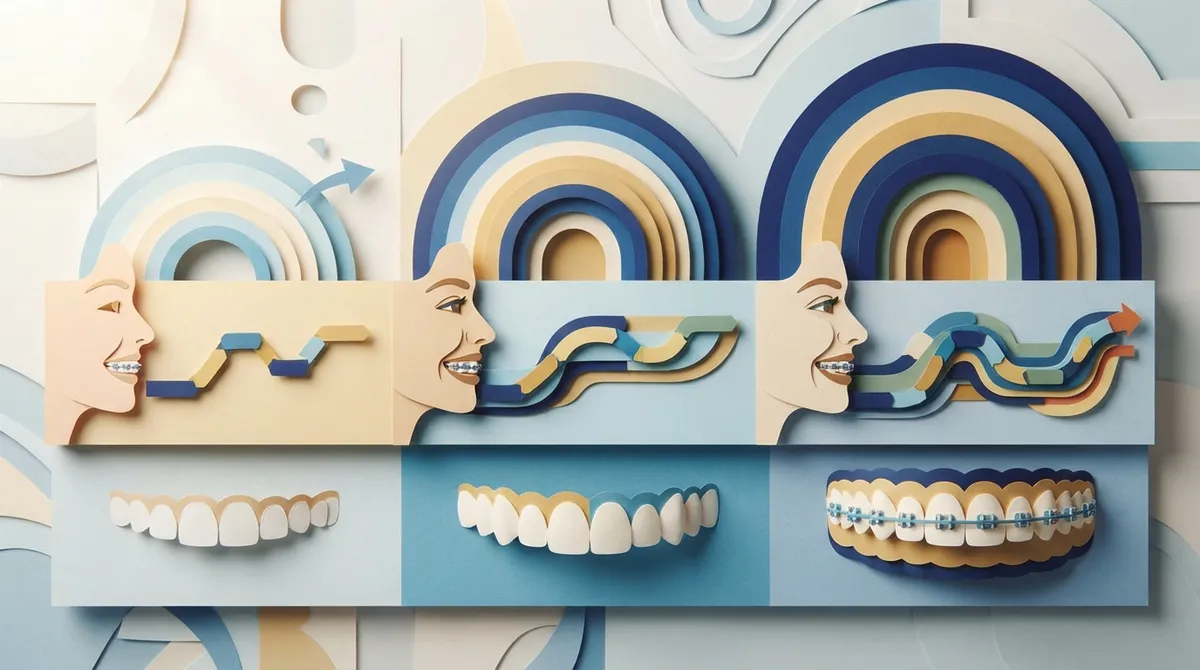
Most comprehensive orthodontic treatment lasts somewhere between 12 months and 2.5 years. The NHS gives this same range, and the American Association of Orthodontists says most people wear braces for 12 to 24 months.
Research backs this up. A systematic review reported an average fixed-braces treatment time of about 19.9 months, though individual studies ranged from 14 to 33 months. A 2024 meta-analysis landed at a pooled average of 22 months.
Think of it like planning a road trip. The map gives you a good estimate, but traffic, weather, and detours can change your arrival time. Your orthodontist can give you a personal estimate after a full exam.
| Type of Case | Typical Active Treatment Time |
|---|---|
| Mild corrections (minor spacing or small shifts) | A few months to about 12 months |
| Average comprehensive treatment | About 18 to 24 months |
| Broad published range (NHS) | 12 months to 2.5 years |
| Complex cases (severe bite issues, impacted teeth, jaw surgery) | Can extend to several years |
How to Estimate Your Own Treatment Timeline
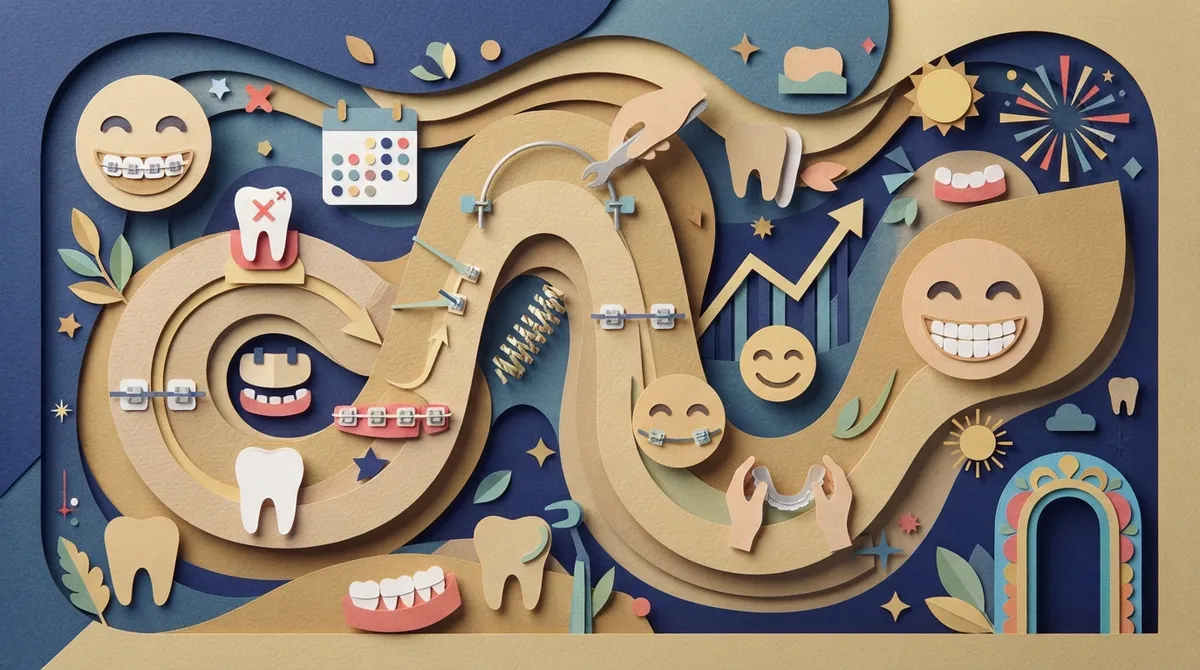
You can’t know your exact timeline without an exam, but you can get a pretty good idea by following these steps.
- Book a consultation. Only an orthodontist can examine your teeth, bite, and jaw and give a reliable estimate. A first visit is the best starting point.
- Ask about your specific diagnosis. Is your case mild, moderate, or complex? Crowding, spacing, overbite, underbite, and crossbite all move on different schedules.
- Discuss your treatment type. Braces and clear aligners can both work well, and the choice affects how your plan is built.
- Ask about extractions or extra appliances. Some plans need them, and they can change the timeline.
- Request a timeline range, not a single date. A range like “18 to 22 months” is more realistic than a promise of one exact day.
- Plan for retention. Active treatment is followed by a separate retainer phase, so factor that in too.
What Affects How Long Treatment Takes?
Several things shape your timeline. Some are about your teeth. Others are about daily habits. Let’s break them down.
Severity and Type of Problem
This is the biggest factor. A small gap or slightly rotated tooth moves much faster than severe crowding or a deep bite. Cases involving impacted teeth, jaw discrepancies, multiple treatment phases, or orthognathic (jaw) surgery take longer.
For example, learning how braces fix a deep overbite shows how much bite correction can involve beyond simply straightening teeth.
Your Treatment Plan
Whether your plan includes extractions can matter. One study of fixed-appliance patients found average treatment times of 19.85 months with extractions and 17.56 months without them. Keep in mind that this varies from case to case.
Cooperation and Daily Habits
Your habits can nudge your timeline forward or backward. These things commonly cause delays:
- Missed or rescheduled appointments
- Broken or loose brackets from hard or sticky foods
- Not wearing elastics (rubber bands) as directed
- Skipping aligner wear time
- Poor brushing and flossing that leads to gum problems
Good news: these are all things you control! Following our foods to avoid with braces tips goes a long way.
Appointment Schedule
Visits are typically needed every 4 to 10 weeks, according to the NHS. Keeping those visits on the calendar helps your treatment stay on track.
Do Adults Take Longer Than Teens?
This is a very common worry, especially for adult professionals considering treatment. Here’s the encouraging news: once all permanent teeth are in, age alone doesn’t reliably decide treatment length.
A systematic review and meta-analysis compared adults and adolescents with comprehensive fixed braces. It found no significant difference in treatment duration, with a mean difference of just -0.8 months.
Adults do sometimes have different needs, like gum health concerns or older dental work. If you’re curious, our guides on adult treatment and getting braces at 40 are a great place to start.
For kids and teens, timing can look a little different. Early evaluation helps your orthodontist choose the best moment to begin. You can read more about early treatment and adolescent treatment.
Braces vs. Clear Aligners: Is One Faster?
Many people assume clear aligners are the speedy choice. The research says it’s not that simple. A systematic review found no significant average difference in treatment time between aligners and fixed braces. The mean difference was only -0.6 months, and the authors rated the evidence as very low quality.
In other words, both options can work well. What matters most is picking the right option for your case and following the plan.
| Factor | Braces | Clear Aligners |
|---|---|---|
| Average treatment time | No significant difference found | No significant difference found |
| Who controls wear time? | Fixed in place, so always working | You do! They must be worn as directed |
| Best for | A wide range of cases, including complex ones | Suitable cases with good case selection |
| Biggest delay risk | Broken brackets, missed visits | Not wearing aligners enough |
We offer both. You can explore all about braces or learn more about Spark™ Clear Aligners. If you’re still deciding, our comparison of braces vs. clear aligners can help.
Simple Ways to Keep Treatment on Schedule
You can’t change your diagnosis, but you can protect your timeline. Here are the habits that make the biggest difference.
- Show up to every appointment. Each visit moves your plan forward.
- Wear elastics and aligners exactly as directed. They only work when they’re in your mouth.
- Protect your appliances. Skip hard, sticky, and chewy foods that can pop off brackets.
- Brush and floss every day. Healthy gums let teeth move smoothly.
- Call us early if something breaks. A quick fix now prevents a long delay later.
- Ask questions. If you’re unsure about anything, we’re happy to explain.
Small habits really do add up. A teen who wears elastics faithfully might finish months ahead of one who forgets them. That’s a great reason to build good routines from day one!
The Retention Phase: Your Smile’s Second Chapter
Here’s something many people don’t realize. Active treatment is not the finish line. After your braces come off or your last aligner is done, you move into retention.
Retainers help hold your teeth in their new spots while the surrounding bone and gums settle. Without them, teeth can slowly drift back. The NHS notes that retainers are needed for some time after treatment, and many patients wear them long-term.
This matters for everyone, but especially for adults who’ve had braces before and are considering retreatment due to relapse. Wearing your retainer as directed is the best way to protect your investment. Learn more about retainers or read our tips on how to wear a retainer after braces.
Think of retention like brushing your teeth. It’s a small daily habit that keeps your results looking great for years.
Planning Around Life Events
Many of our teens and young adults want to be ready for a big moment, like graduation, a wedding, or a milestone birthday. Others are busy parents or professionals who want to know what’s realistic.
Here are a few planning tips:
- Start your consultation early, ideally many months before your target date.
- Share your important dates with your orthodontist so they can build them into your conversation.
- Be flexible. A good plan prioritizes healthy, lasting results over rushing.
- Remember that retainers will be part of your life after treatment.
Be careful with promises of super-fast results. Moving teeth safely takes time, and rushing can backfire. Our guide on speed traps that sabotage fast teeth straightening explains what to watch out for.
Why Choose Brockway Orthodontics in Clearwater?
If you’re looking for a trusted orthodontist in Clearwater, Florida, Dr. Brockway takes the time to listen to your goals and explain your options in plain, friendly language. She doesn’t just hand you a plan. She makes sure you feel comfortable and informed from start to finish.
We treat the whole family, from kids and teens to adults. We also use modern technology like digital impressions and 3D imaging, which helps us plan your treatment with precision and comfort. In certain cases, we can even offer same-day treatments to help busy families get started faster.
Want to see what other patients think? You can visit us on Google — Brockway Orthodontics to read reviews from our Clearwater community. You can also explore the Florida Association of Orthodontists and the American Dental Association for more general oral health resources.
If cost is part of your planning, take a look at our financing and insurance options. We want treatment to fit your life and budget.
Ready to Get Your Personal Timeline?
The best answer to “how long does orthodontist treatment take?” is the one made just for you. While the typical range is about 18 to 24 months, your bite, your plan, and your daily habits will shape your journey.
The easiest next step is to sit down with an expert who can examine your smile and give you a real estimate. Book your appointment online and let’s map out your path to a smile you’ll love. Have questions first? Feel free to contact us, and our friendly team will be happy to help!
FAQs
Q: How long do braces usually take to straighten teeth?
A: Most people wear braces for about 18 to 24 months, though the NHS gives a wider range of 12 months to 2.5 years. Mild cases can be quicker, while complex cases may take longer. Your orthodontist can give you a personal estimate after an exam.
Q: Do braces take longer if teeth need to be extracted?
A: They can, but it varies from case to case. One study found average times of about 19.9 months with extractions and 17.6 months without them. Your orthodontist will explain whether extractions are part of your plan and how they affect your timeline.
Q: Can missed appointments or skipping elastics delay treatment?
A: Yes, they really can! Missed visits, broken brackets, and not wearing elastics or aligners as directed all slow progress. The good news is that these are habits you control, so staying consistent helps you finish on time.
Q: How long do I need to wear a retainer after treatment?
A: Retainers are needed for some time after active treatment, and many patients wear them long-term to keep teeth from shifting. Your orthodontist will give you a wear schedule that fits your case. Following it closely protects your new smile.
Q: Do adults take longer to straighten their teeth than teenagers?
A: Not usually. A systematic review found no significant difference in fixed-braces treatment time between adults and adolescents once permanent teeth are in. Your individual case matters far more than your age.
Our Service Area