Key Takeaways
-
Research shows fixed braces reduce bite-problem scores by an average of 82.6%, with average treatment taking about 22 months across 1,470 patients in clinical trials.
-
Your participation is critical to braces effectiveness: keeping appointments, following orthodontist instructions, careful cleaning, and avoiding hard/sticky foods directly impact treatment success.
-
Teeth can shift after braces are removed, making retainer compliance essential for maintaining results long-term rather than assuming results are permanent.
-
Fixed braces can handle complex bite problems including crowded teeth, overbites, underbites, and crossbites, while clear aligners work best for mild to moderate cases.
-
Treatment timeline varies from 6-30 months depending on problem severity and your compliance, with appointments typically scheduled every 4-10 weeks during active treatment.
-
Careful daily cleaning and regular orthodontist checkups prevent common side effects like gum problems, cavities, and permanent white spot marks around brackets.
If you’ve ever stared at your reflection and wondered, “Will braces really work for me?”, you’re in good company. It’s one of the most common questions we hear, and it deserves an honest answer. The good news? Braces are one of the most well-studied and trusted ways to straighten teeth and fix bite problems. The even better news? You can learn how to judge for yourself how effective they’ll be in your unique situation.
In this friendly guide, we’ll walk through how to evaluate how effective braces are for your goals, what the research says, and what you can do to help your treatment succeed. Whether you’re a parent thinking about your child’s smile, a teen counting down to a big milestone, or an adult ready for a change, you’ll find clear steps here. Think of it as a chat over coffee, minus the coffee (and minus the popcorn, if you’re already wearing braces!).
So, How Effective Are Braces, Really?
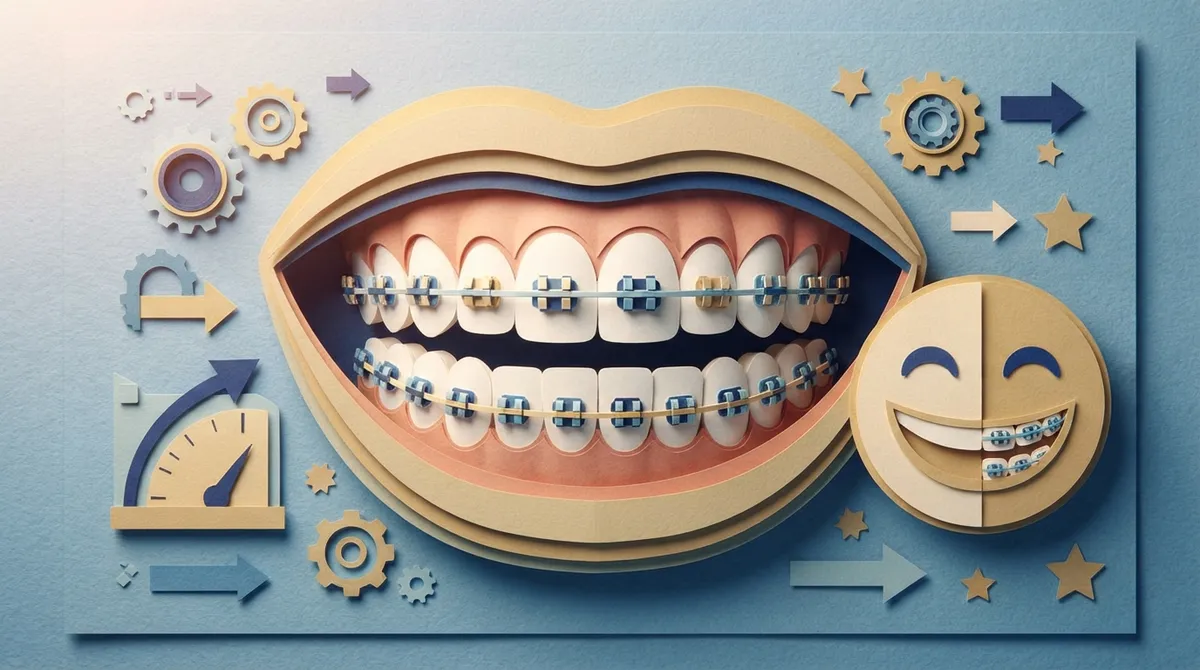
Let’s start with the big picture. Braces are an established orthodontic treatment for correcting crooked, crowded, or protruding teeth, closing gaps, and improving how the upper and lower teeth meet. When teeth line up better, they can also be easier to clean, and prominent teeth may be less likely to get damaged.
Here’s how braces work in simple terms. Fixed braces apply gentle, controlled pressure over time. That pressure moves teeth slowly through the bone that supports them. The right appliance and plan depend on your diagnosis, which is why no two treatment plans look exactly alike.
What the Research Shows
A 2024 systematic review looked at 20 clinical trials with 1,470 patients. It found that fixed braces led to a big improvement in measured bite outcomes. On average, scores on the Peer Assessment Rating (PAR) index dropped by 82.6%. That index is a tool orthodontists use to score how far teeth are from ideal alignment.
Results did vary from study to study and patient to patient. So braces are clearly effective on average, but they aren’t magic. Your starting point, your body’s response, and your habits all play a part.
| Measure | What the 2024 Review Found |
|---|---|
| Trials included | 20 trials across 12 countries |
| Patients included | 1,470 |
| Average PAR score reduction | 82.6% |
| Average post-treatment PAR score | 6.0 points |
| Average treatment length | About 22 months |
How to Judge Whether Braces Will Work for You
You can’t predict your result from statistics alone. But you can follow a simple process to figure out how effective braces are likely to be for you. Here are the steps.
- Get a professional diagnosis. An orthodontist checks your teeth, jaw, and bite, often with X-rays and digital scans. This shows exactly what needs to move.
- Name your goals. Do you want straighter teeth, a corrected overbite, or both? Clear goals help you measure success.
- Ask about the expected timeline. A realistic time frame tells you a lot about how complex your case is.
- Talk through your part of the plan. Braces work best when you take part. We’ll cover this below.
- Plan for retention. Keeping your results depends on a retainer plan. Ask about it from day one.
Your first visit is the perfect time to go through all five steps with an orthodontist who listens.
What Problems Can Braces Fix?
Braces are known for being flexible. They can handle a wide range of issues, from mild to complex. Here are some of the most common things braces can improve:
- Crowded teeth that overlap or twist.
- Gaps and spacing between teeth.
- Overbites and underbites, where the upper and lower teeth don’t meet well.
- Crossbites, where some upper teeth sit inside the lower teeth.
- Protruding teeth that stick out and may be at higher risk of injury.
If you’re curious about a specific bite problem, our article on how braces fix a deep overbite is a helpful place to start. You can also browse our all about braces page for a deeper look at how treatment works.
How Long Do Braces Take to Work?
Time is a big part of how effective braces feel. The 2024 review found an average treatment time of about 22 months. NHS guidance gives a wider range of roughly 6 to 30 months, depending on how complex your case is. These are general ranges, not a promise for any one person.
Several things can change your timeline:
- How severe the bite or crowding problem is
- How far the teeth need to travel
- How well you follow instructions, such as wearing elastics
- Whether you keep your appointments
Appointments are commonly scheduled every 4 to 10 weeks, depending on your treatment stage. Want a full timeline breakdown? Read our friendly guide on how long braces take to work.
Your Role: The Secret Ingredient
Here’s something many people don’t realize. Braces are effective, but not on their own. Your participation matters a great deal, and it’s good news because it means you have real control over your results.
Here’s what helps treatment stay on track:
- Keep every appointment. Missed visits can slow progress.
- Follow your orthodontist’s instructions. That includes wearing any prescribed elastics or other appliances.
- Brush and floss carefully. Braces can trap plaque, so cleaning takes extra care.
- Mind your food choices. Hard and sticky foods can break brackets and cause delays.
- Call us when something breaks. A loose bracket or poking wire is worth a quick visit, not a DIY fix.
Need a refresher on what’s safe to eat? Our friendly food guide for braces has you covered. And for cleaning tips, check out 7 smart steps to brush teeth with braces.
Do Braces Work for Every Age?
Yes, braces can work across a wide range of ages. Different groups just have different needs and motivations.
For Kids and Teens
Younger patients are often still growing, which can make certain bite problems easier to address. Many parents wonder when to start, and the answer depends on your child’s development. Learn more about adolescent treatment or read our guide, 9 signs your child needs braces.
For Adults
It’s never too late to improve your smile. Adults choose braces for looks, comfort, and bite health, and many pick discreet options. Our page on adult treatment explains your choices, and you may enjoy Can Adults Get Braces at 40?
For Retreatment After Relapse
Did your teeth shift after past treatment? You’re not alone, and retreatment can work well. The key is finding out why the shift happened, often because of retainer habits, and building a stronger plan this time.
Braces vs. Clear Aligners: Which Is More Effective?
This is a hot topic, and the honest answer is: it depends on your case. Fixed braces can handle a very broad range of problems, including complex ones. Clear aligners can be a great, more discreet option for many mild to moderate cases.
A 2020 review of 11 studies and 887 patients compared aligners with fixed braces. In the adult studies it included, aligners were linked to lower average scores and a higher chance of an unacceptable result. That doesn’t apply to every patient or to today’s aligner methods, but it does show why a proper evaluation matters.
| Feature | Fixed Braces | Clear Aligners |
|---|---|---|
| Range of problems treated | Very broad, including complex cases | Best for many mild to moderate cases |
| Visibility | Visible (clear options available) | Nearly invisible |
| Removable | No | Yes |
| Patient responsibility | Care, cleaning, appointments | Wearing aligners most of the day |
At Brockway Orthodontics in Clearwater, we offer metal braces, ceramic (clear) braces, and Spark™ Clear Aligners, a more affordable alternative to Invisalign. That means we can match the tool to your needs instead of forcing one option on everyone. Not sure which way to lean? See our comparison, clear aligners vs. braces.
Keeping Your Results: Why Retainers Matter
Here’s a truth worth knowing before you start. Braces can straighten your teeth beautifully, but they don’t guarantee a permanent result on their own. Teeth can shift after braces come off, because the tissues around them need time to settle.
That’s where retainers come in. They help hold your new smile in place. Long-term tooth movement is still possible, so follow your orthodontist’s retainer instructions carefully. For a simple how-to, see how to wear a retainer after braces.
Risks and Side Effects to Know About
Being informed is part of feeling confident. Braces are safe and effective, but it’s smart to know the possible downsides:
- Harder cleaning. Plaque can build up around brackets and wires.
- Gum problems and decay. Poor cleaning can lead to gum trouble or cavities.
- White spot marks. These can become permanent if plaque sits on teeth for too long.
- Soreness. Mild discomfort after adjustments is common and usually fades.
The good news is that careful brushing, flossing, and regular checkups go a long way. If you ever feel unsure, you can always ask us. Our FAQs page answers many common worries, and you can learn more about choosing the right care through the Florida Association of Orthodontists.
Why Choose an Orthodontist for Your Braces?
A big factor in how effective braces are is who plans and guides your treatment. Orthodontists complete extra specialized training focused on moving teeth and aligning jaws. The American Dental Association recognizes orthodontics as a dental specialty.
At Brockway Orthodontics, Dr. Brockway takes the time to listen to your concerns and dreams for your smile. Meet Dr. Brockway to see why so many Clearwater families trust her. We use modern tools like digital impressions, so there are no messy molds, and 3D imaging to plan your treatment precisely. In some cases, we can even offer same-day treatment to make life easier for busy families.
Want to hear from real patients? Take a peek at what people say about us, and feel free to visit us on Google — Brockway Orthodontics to read reviews from our Clearwater community.
A Quick Checklist: Will Braces Be Effective for You?
Use this simple checklist to see how ready you are to get the best results from treatment:
- I have a clear diagnosis from an orthodontist.
- I understand my expected timeline.
- I’m ready to brush and floss carefully every day.
- I’m willing to keep my appointments.
- I’m committed to wearing a retainer afterward.
If you checked most of these, you’re in a great position to see strong results. And if you didn’t, that’s okay! We’ll help you get there, one step at a time.
Ready to See How Effective Braces Can Be for You?
So, how effective are braces? Research shows they can make a major difference in both alignment and bite. Your own results depend on your starting point, your treatment plan, your daily habits, and how well you protect your new smile with a retainer.
The best way to find out what braces can do for you is a personal evaluation. Dr. Brockway and our friendly team are here to answer your questions, explain your options in plain language, and help you feel confident from day one. Ready to take the first step? Book your appointment online or contact us today, and let’s talk about your smile goals. We can’t wait to meet you!
FAQs
Q: How effective are braces for straightening teeth and correcting a bite?
A: Braces are very effective for most people! A 2024 review of 20 trials found fixed braces cut bite-problem scores by about 82.6% on average. Your own results depend on your starting point, your treatment plan, and how well you follow instructions.
Q: Do teeth move back after braces?
A: They can, which is why retainers are so important. Teeth need time to settle in their new spots, and long-term movement is still possible. Wearing your retainer exactly as your orthodontist advises is the best way to protect your new smile.
Q: Do braces work for adults as well as kids and teens?
A: Absolutely! Braces can work at many ages, and lots of adults choose them for a straighter smile and a healthier bite. Treatment just gets tailored to your needs, and discreet options like ceramic braces or clear aligners may be available.
Q: What can make braces treatment take longer or work less well?
A: Missed appointments, skipped elastics, poor cleaning, and broken brackets can all slow things down. More complex bite problems also take more time. The good news is that these are things you and your orthodontist can work on together.
Q: Are braces more effective than clear aligners for complex problems?
A: Fixed braces can treat a very broad range of issues, including complex ones, while clear aligners often shine for mild to moderate cases. The best choice depends on your diagnosis and goals. A personal consultation is the easiest way to find your best fit.
Our Service Area