Key Takeaways
-
More than 2.37 million adults are currently receiving orthodontic treatment in the U.S., with numbers growing significantly year-over-year, making adult braces a mainstream choice.
-
Adults have more appliance options than ever including clear aligners, ceramic braces, and lingual braces, allowing you to choose based on discretion needs, complexity of your case, and budget.
-
Adult orthodontic treatment typically ranges from 6 to 30 months depending on complexity, with most cases lasting 12-24 months, so your orthodontist needs a proper exam to give accurate timelines.
-
Active gum disease and cavities must be treated before braces are applied, since braces trap plaque and can worsen existing dental problems or cause permanent enamel damage.
-
Wearing a retainer long-term after treatment is essential, as teeth naturally shift at any age; skipping retainer wear is the most common reason adults need braces again.
-
Adult candidates should have a consultation-based evaluation assessing gum health, bite issues, existing dental work, and lifestyle preferences, as no single treatment works for everyone.
If you’ve been hiding your smile in photos or covering your mouth when you laugh, we have good news for you. Yes, adults absolutely get braces, and you are far from alone. In fact, more grown-ups than ever are choosing to finally get the smile they’ve always wanted. So grab a cup of coffee, get comfortable, and let’s talk about why it’s never too late to invest in yourself and your smile.
Whether you’re a busy professional tired of feeling self-conscious in meetings, a parent who put your own dental needs on hold while raising kids, or someone dealing with teeth that have shifted since your teenage braces came off, this guide is for you. We’ll walk through everything you need to know about adult orthodontics, from timelines to costs to what actually happens at your first visit.
Do Adults Get Braces? The Simple Answer
Yes! Adults get braces at almost any age. Your teeth, gums, and jawbone just need to be healthy enough to handle the movement. Age alone does not disqualify you from treatment.
This isn’t just a nice thing we tell patients to make them feel better. The numbers back it up. According to survey data from the American Association of Orthodontists, roughly 1.91 million adults were receiving orthodontic treatment through AAO-member practices based on 2024 figures. When you include non-member practices, that number climbs to about 2.37 million adults. That’s a huge jump from just a couple of years earlier, when the estimate was closer to 1.64 million.
So if you’re thinking about getting braces as an adult, you’re joining a growing community of people who decided their smile was worth the investment. At Brockway Orthodontics, we see adult patients from all walks of life in Clearwater every single week.
Why So Many Adults Are Choosing Braces Now
There are plenty of reasons adults decide it’s time. Here are some of the most common ones we hear from patients:
- Crooked or crowded teeth that got worse over time
- Gaps between teeth that bother you when you smile
- An overbite, underbite, or crossbite affecting your bite or jaw comfort
- Teeth that shifted back after wearing braces years ago (this is more common than you think)
- Wanting better oral hygiene, since straight teeth are easier to clean
- Preparing for other dental work like crowns, bridges, or implants
- Simply wanting more confidence in photos, at work, and in social situations
None of these reasons are silly or vain. A healthy, confident smile affects how you feel every single day. That matters at any age.
How to Know If You’re a Good Candidate
Here’s how to figure out if adult braces might be right for you:
- Check your gum health first. Active gum disease usually needs treatment before braces go on, since braces can trap plaque and make gum problems worse.
- Think about your goals. Are you hoping to fix crowding, close gaps, or correct a bite issue? Knowing your goals helps your orthodontist recommend the right treatment.
- Consider your dental history. Crowns, bridges, missing teeth, or implants don’t automatically rule you out, but your orthodontist will need to plan around them.
- Be honest about your lifestyle. Do you want something discreet for work? Are you willing to wear aligners for 20-22 hours a day? Your answers guide which appliance fits best.
- Schedule a consultation. This is the only real way to know for sure. A trained orthodontist will examine your bite, teeth roots, gums, and bone support before recommending a plan.
Ready to find out where you stand? You can book appointment online and get personalized answers instead of guessing.
Adult Braces vs. Teen Braces: What’s Different
Adult treatment often looks a little different than what your teenager might experience. Here’s a quick comparison:
| Factor | Teens | Adults |
|---|---|---|
| Jaw growth | Still growing, which can help guide treatment | Jaw has stopped growing, so movement relies on teeth and bone alone |
| Treatment time | Often 18-24 months | Can range from about 6 to 30 months depending on complexity |
| Existing dental work | Usually minimal | May include crowns, bridges, fillings, or missing teeth to plan around |
| Gum health | Typically healthy | May need gum disease treatment first |
| Appliance preference | Often colorful metal braces | Often prefer clear aligners or ceramic braces for a discreet look |
Neither path is harder or easier, just different. Your orthodontist will factor in these differences when building your treatment plan.
Types of Braces Available for Adults
You have more choices today than ever before. Here’s a breakdown of what’s typically available:
- Traditional metal braces: Durable, effective, and often the most budget-friendly option for complex cases.
- Ceramic braces: Tooth-colored brackets that blend in more than metal, great for adults who want something less noticeable.
- Lingual braces: Placed behind the teeth so they’re hidden from view entirely.
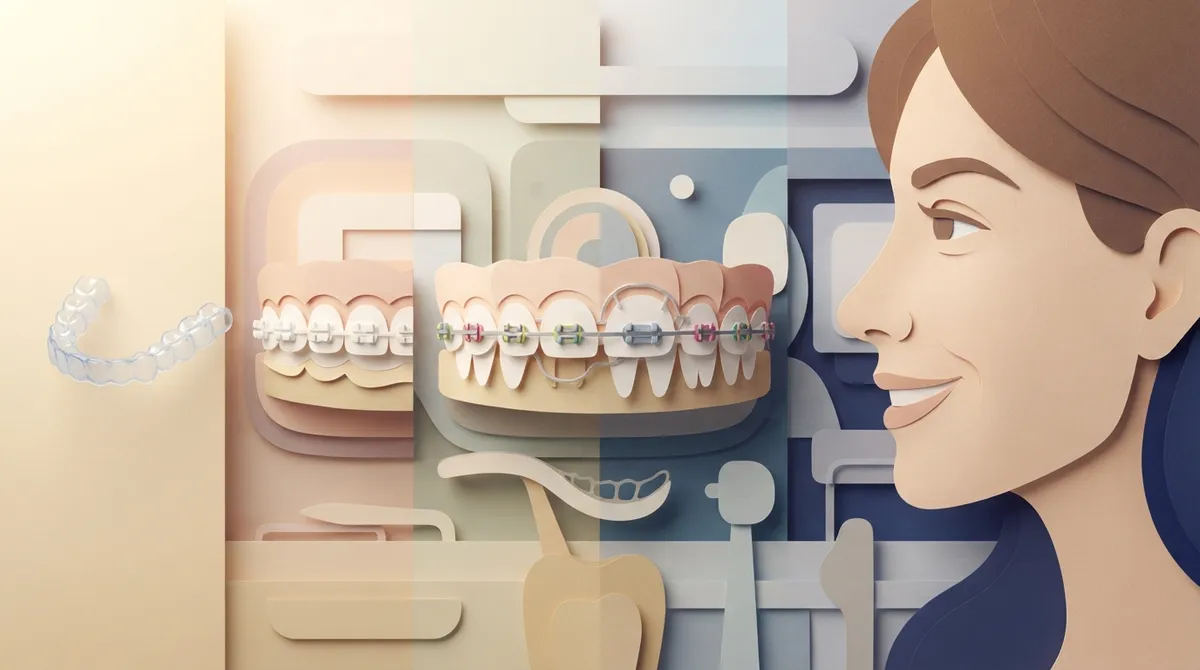
- Clear aligners: Removable trays you can take out for eating and special occasions.
At our Clearwater practice, we’re proud to offer Spark™ Clear Aligners as a more affordable alternative for adults who want a nearly invisible option. We also provide traditional metal and ceramic braces for patients who need or prefer them. Choosing the right one isn’t about looks alone. It depends on your diagnosis, your goals, and your budget, which is exactly what we help you sort out during your consultation.
How Long Does Adult Treatment Take?
This is one of the most common questions we hear, and it makes sense. Nobody wants an open-ended timeline. According to NHS guidance, orthodontic treatment commonly lasts about 12 months to 2 and a half years. Some sources put the broader range between 6 and 30 months, depending on how complex your case is and how well you follow instructions.
A few things that can affect your timeline:
- How crowded or misaligned your teeth are
- Whether you have bite issues like an overbite or crossbite
- Your commitment to wearing aligners or attending adjustment visits
- Any existing dental restorations that need extra planning
The best way to get an accurate estimate is a proper exam. Every mouth is different, so cookie-cutter timelines rarely tell the whole story.
What Happens Before You Get Braces
Before any brackets go on or aligners get made, your orthodontist needs to check a few things first. Here’s what that process typically looks like:
- A full evaluation of your bite, teeth, and jaw alignment
- X-rays or digital scans to check tooth roots and bone support
- A review of your gum health and any signs of decay
- Treatment of active cavities or gum disease, if needed
- A conversation about your goals, timeline, and budget
- Selecting the appliance type that fits your needs best
Skipping these steps can lead to complications down the road, so a thorough first visit really does matter. Active decay or gum disease should generally be treated first, since braces can trap plaque and increase your risk of permanent enamel damage.
Caring for Your Smile During Treatment
Braces can trap food and plaque more easily than bare teeth. That means good habits matter more than ever while you’re in treatment. Here are some simple tips to protect your smile:
- Brush after every meal, especially around brackets and wires
- Use floss threaders or a water flosser to clean between teeth
- Limit sugary snacks and acidic drinks that can cause white spots on enamel
- Keep up with regular dental cleanings, not just orthodontic visits
- Avoid hard or sticky foods that can damage brackets or wires
Good hygiene habits protect your investment and keep your gums healthy the whole time. The American Dental Association offers helpful guidance on maintaining oral health during orthodontic treatment, which pairs nicely with the personalized instructions your orthodontist gives you.
What About Cost?
Cost is often the biggest question on people’s minds, and that’s completely understandable. Pricing varies a lot depending on where you live, your specific case, and the type of appliance you choose. For reference, NHS sources note that private adult orthodontic fees in the UK often range from about £2,000 to £6,000, though this is just one country’s benchmark and prices vary widely elsewhere.
Here in the U.S., many practices offer flexible payment plans to make treatment more manageable. We always recommend asking about financing and insurance options during your consultation so there are no surprises. Understanding your total investment upfront helps you plan with confidence.
Will Your Teeth Move Back After Treatment?
This is a fair worry, especially if you had braces as a teenager and your teeth shifted anyway. Teeth can move at any age, which is exactly why retainers matter so much. Most patients need to wear a removable or fixed retainer for the long haul, often at night, to keep their new smile in place.
Skipping retainer wear is one of the most common reasons people end up needing braces again as adults. If you’re in this boat, you’re not alone, and it’s never too late to fix it properly this time.
Can Braces Fix Everything?
Braces and aligners are incredibly effective at moving teeth, but they can’t correct every jaw-related problem on their own. Severe skeletal discrepancies sometimes require a combined approach involving both orthodontics and oral surgery. This isn’t common, but it’s worth knowing about if your case is more complex.
The only way to know what your specific smile needs is a proper consultation. Marketing claims about one-size-fits-all treatment or fully remote care shouldn’t replace an in-person exam with imaging. Your smile deserves a real, personalized look from someone trained to catch the details.
Why Choose Brockway Orthodontics in Clearwater
Dr. Brockway isn’t just a qualified orthodontist in Clearwater, FL. She genuinely cares about your journey from your very first visit to the day your retainer goes in. Our team takes time to listen to your goals and explain your options in a way that actually makes sense, no confusing jargon required.
We treat the whole family, from teens getting their first set of braces to adults finally chasing the smile they’ve always wanted. Our office uses modern technology, including digital impressions and 3D imaging, so your treatment plan is precise and your visits are as comfortable as possible. In certain cases, we can even offer same-day treatment starts, because we know your schedule is busy.
Curious what real patients think? You can visit us on Google — Brockway Orthodontics to read reviews from families right here in Clearwater. You can also connect with us on Facebook or follow along on Instagram to see real smile transformations. For additional resources on choosing a qualified provider, the Florida Association of Orthodontists is a great place to learn more about credentialed care in our state.
Your Next Steps Toward a Confident Smile
Getting braces as an adult isn’t just possible, it’s something thousands of people in Clearwater and beyond are doing right now. Whether you’re dealing with crowding, gaps, a shifted bite, or teeth that relapsed after your teenage treatment, there’s a path forward that fits your life and your budget.
You deserve to smile freely, without hesitation or self-consciousness. If you’ve been putting this off, consider this your sign to finally take the next step. Contact us today, and let’s talk about what your smile could look like with the right care behind it.
FAQs
Q: At what age is it too late for an adult to get braces?
A: Good news, there really isn’t an age limit! As long as your teeth, gums, and bone are healthy enough for movement, you can get braces at 30, 50, or beyond. We’ve helped plenty of patients in their 60s and 70s achieve smiles they love.
Q: Are braces or clear aligners better for adults?
A: It really depends on your specific case and lifestyle. Clear aligners work great for milder cases and offer more discretion, while traditional braces can handle more complex issues. Your orthodontist will help you figure out which one fits your smile and your goals best.
Q: How much do adult braces cost, and does insurance cover them?
A: Costs vary quite a bit depending on your case and the type of treatment you choose. Some dental insurance plans offer partial coverage for adults, and many practices, including ours, offer flexible payment plans to make things easier on your budget.
Q: Will my teeth move back after adult orthodontic treatment?
A: They can, if you skip wearing your retainer! Teeth naturally want to shift over time at any age, so sticking with your retainer schedule is the key to keeping that new smile in place for good.
Q: Do adults with missing teeth or crowns need special orthodontic care?
A: Not necessarily special, but your orthodontist will need to plan carefully around any existing dental work. Crowns, bridges, and missing teeth don’t rule you out, they just mean your treatment plan gets a little extra customization.
Our Service Area