Key Takeaways
-
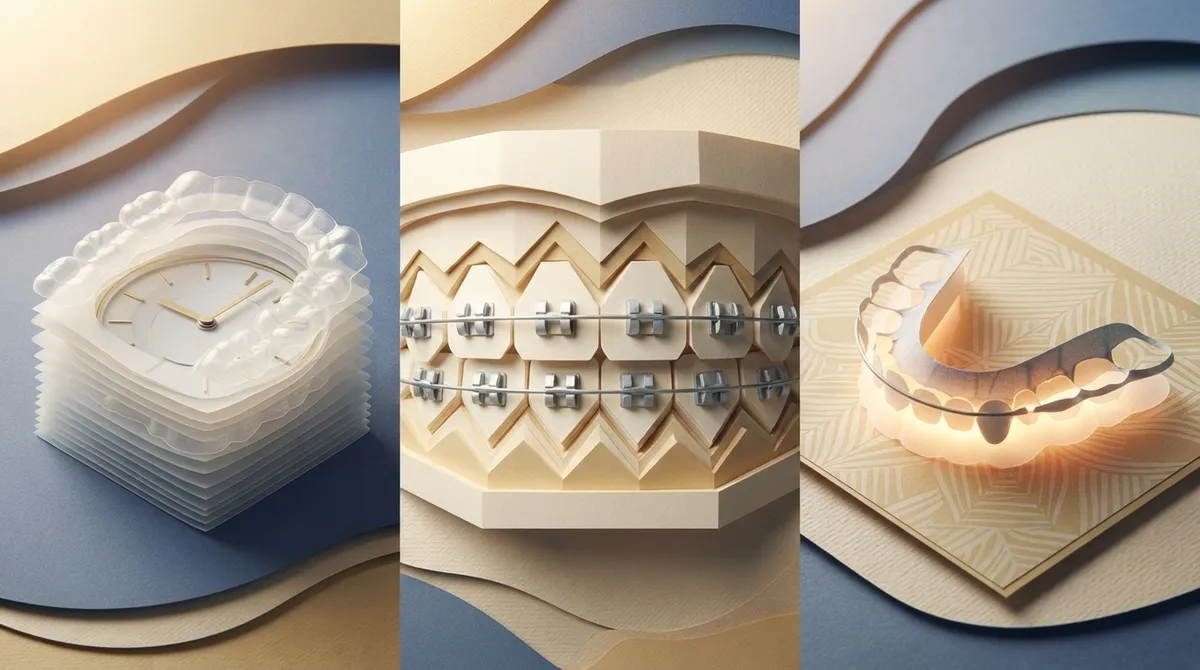
Clear aligners require 20-22 hours of daily wear to be effective; skipping wear time can significantly extend your treatment timeline, making consistency more important than the appliance type itself.
-
Fixed braces can address nearly any bite problem including complex cases, while clear aligners work best for mild to moderate crowding and spacing issues, so your orthodontist must evaluate your specific case before recommending treatment.
-
Treatment duration typically ranges from 12 months to 2.5 years regardless of appliance type; your timeline depends on bite complexity, jaw development, and how well you follow instructions rather than which option you choose.
-
Wearing retainers after treatment is critical to prevent teeth from naturally drifting back to old positions; skipping retainer wear is the most common reason patients need retreatment later.
-
Ceramic braces and lingual braces offer more discreet alternatives to metal braces with similar effectiveness, but lingual braces can be harder to clean and may require adjustment to speaking.
-
Cost varies significantly based on case complexity and treatment length; many orthodontists offer flexible financing plans to make treatment accessible, so budget concerns shouldn't prevent you from exploring options.
Choosing braces or clear aligners can feel overwhelming. You want a straight, healthy smile, but with so many options, where do you even start? This orthodontic treatment comparison breaks down everything you need to know in plain, friendly language, so you can walk into your consultation feeling confident and ready.
At Brockway Orthodontics in Clearwater, we’ve helped families, teens, and busy professionals find the right fit for their smiles for years. Every mouth is different, and that’s exactly why we take time to explain your choices instead of pushing a one-size-fits-all plan. Let’s dive into the details so you can make a smart, informed decision.

Why Orthodontic Treatment Comparison Matters
Not every smile needs the same fix. Some people have crowded teeth. Others deal with gaps, overbites, or a mix of issues. That’s why an orthodontic treatment comparison isn’t just about picking the prettiest option. It’s about matching the right tool to your specific bite and lifestyle.
Your orthodontist looks at your teeth, jaw, and goals before suggesting anything. This is why your first visit is so important. It’s where the real comparison begins, based on your mouth, not a generic chart.
Fixed Braces: The Reliable Classic
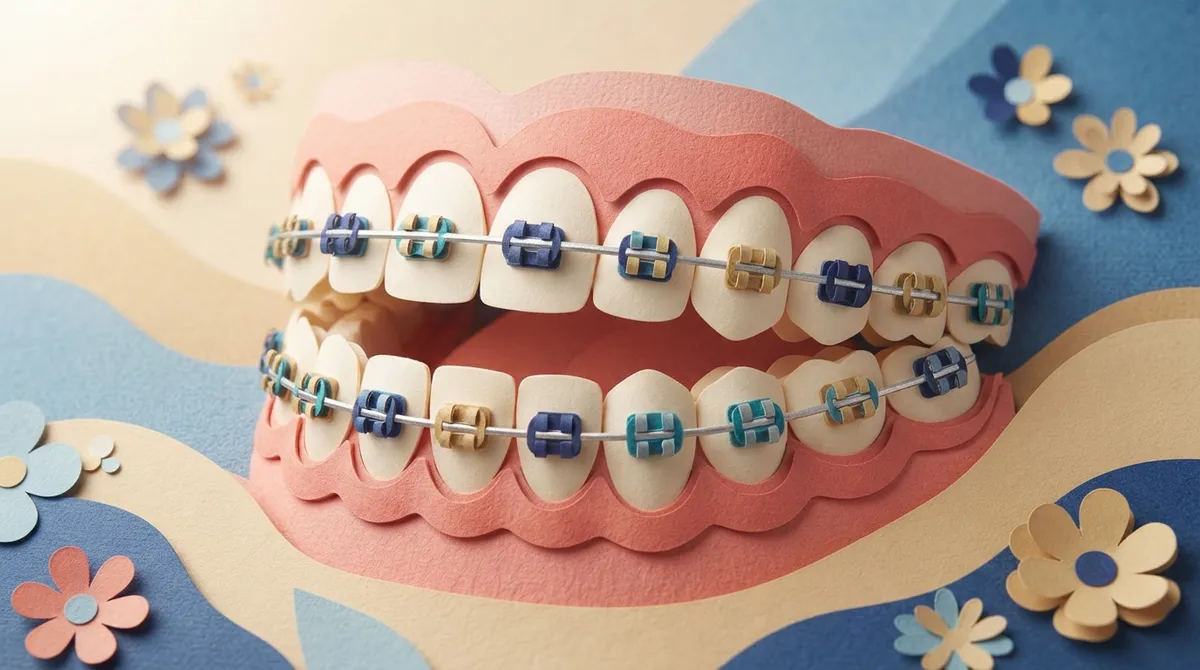
Fixed braces have been straightening smiles for generations, and for good reason. They work. Brackets are bonded to your teeth, and wires gently guide them into place over time.
Here’s what makes fixed braces stand out:
- They can fix nearly any bite problem, from mild to complex
- You don’t have to remember to wear them since they stay on
- Metal braces are often more budget-friendly than other options
- Ceramic braces offer a tooth-colored, less noticeable look
The tradeoff? You’ll need to avoid sticky, hard, or crunchy foods that could damage brackets or wires. Good brushing habits are a must too. Curious about the process? Check out all about braces for a deeper look at what to expect.
Ceramic and Lingual Braces: The Discreet Options
If you want the strength of fixed braces but a lower-key look, ceramic braces use clear or tooth-colored brackets. They blend in better than traditional metal, which many teens and adults appreciate.
Lingual braces go a step further. They attach to the back of your teeth, hidden from view entirely. They can be trickier to clean and may take some getting used to when speaking, but they’re nearly invisible from the front. Both options require careful evaluation to see if they fit your specific case.
Clear Aligners: Flexible and Nearly Invisible
Clear aligners have become a popular pick for teens and adults who want a more discreet treatment. These custom-made trays gently shift your teeth, and you can pop them out to eat, brush, or for special occasions.
At Brockway Orthodontics, we offer Spark™ Clear Aligners, a comfortable and affordable option for straightening your smile without traditional metal. Many of our Clearwater patients love how easy they are to fit into a busy schedule.
But here’s the catch: aligners only work if you wear them. The American Dental Association and orthodontic experts agree that consistency is everything. Most aligner systems need about 20 to 22 hours of daily wear to stay on track. Skip too many hours, and your treatment timeline can stretch out.
Who Are Clear Aligners Best For?
Aligners tend to work well for mild to moderate crowding, spacing, and some bite issues. Complex cases, like severe rotations or significant bite corrections, may still call for fixed braces. Your orthodontist will let you know if aligners are a good match after checking your teeth and X-rays.
Side-by-Side Comparison Table
Here’s a simple breakdown to help you compare your options at a glance:
| Feature | Metal Braces | Ceramic Braces | Clear Aligners |
|---|---|---|---|
| Visibility | Most noticeable | Less noticeable | Nearly invisible |
| Removable | No | No | Yes |
| Best for complex cases | Yes | Yes | Sometimes |
| Daily wear required | 24/7 | 24/7 | 20-22 hours |
| Food restrictions | Yes | Yes | None (removable) |
How Long Does Treatment Take?
This is one of the most common questions we hear. According to the NHS, orthodontic treatment generally lasts between 12 months and 2.5 years, though every case is different. Appointments are typically scheduled every 4 to 10 weeks to check progress and make adjustments.
A 2019 meta-analysis found that aligners sometimes finished faster than fixed braces in certain studies, but this doesn’t mean aligners are always quicker for every patient. Your treatment time depends on your starting bite, how complex the movement is, and how well you follow instructions.
Here are the main factors that affect your timeline:
- How crowded or spaced your teeth are
- Whether you have a bite issue like an overbite or underbite
- How consistently you wear aligners or keep appointments
- Your age and how your jaw is still developing
- Whether you need extra tools like expanders or elastics
What the Research Says About Aligners vs. Braces
A 2024 systematic review published in the Journal of Orthodontic Science looked at five studies comparing aligners to fixed braces. The results suggested aligners can be an effective option for many patients, but the researchers noted more studies are still needed to fully understand long-term outcomes.
This is why working with an experienced orthodontist matters so much. Dr. Brockway stays current on the latest research and technology so she can guide you toward the option that fits your unique needs, not just what’s trending on social media.
Comparing Costs and Payment Options
Cost is often a big part of any orthodontic treatment comparison. Prices can vary based on your case complexity, the type of appliance, and how long treatment takes. Many patients ask about payment options up front, and that’s completely understandable.
Brockway Orthodontics believes a great smile shouldn’t be out of reach. We offer flexible plans to help fit treatment into your budget. Learn more about your options on our financing and insurance page.
Treatment Options by Life Stage
For Kids and Growing Smiles
Some bite issues are easier to guide early, while a child’s jaw is still developing. Catching problems sooner can sometimes mean simpler treatment later. If you’re wondering when to bring your child in, our early treatment page explains what signs to watch for.
For Teens Wanting a Confident Smile
Big milestones like graduation photos or school dances often motivate teens to seek treatment. Whether it’s traditional braces or clear aligners, our adolescent treatment options are designed to fit real teenage life, including sports and social events.
For Busy Adults
Many working professionals want a subtle way to fix their smile without disrupting meetings or presentations. Clear aligners and ceramic braces are popular picks here. Explore our adult treatment page to see what fits your schedule.
For Patients Needing a Second Round
If your teeth have shifted after previous treatment, you’re not alone. Many adults come back for a tune-up. Wearing your retainers as directed is the best way to protect your results long-term, and if relapse has already happened, retreatment options are available.
Comfort and Side Effects to Expect
No matter which option you choose, some soreness is normal, especially right after your braces are placed or tightened, or when you switch to a new aligner tray. This discomfort is temporary and usually fades within a few days.
To keep your mouth healthy during treatment, keep these tips in mind:
- Brush after every meal to avoid trapped food particles
- Use a fluoride mouthwash to help protect enamel
- Avoid skipping aligner wear time, even on busy days
- Attend every scheduled appointment for adjustments and checks
- Reach out right away if you notice a broken bracket or wire
Good hygiene during treatment helps prevent decay and gum problems, so don’t skip your regular dental cleanings either.
Life After Treatment: Retention Matters
Once your active treatment ends, the job isn’t quite done. Teeth naturally want to drift back toward their old positions, which is why retainers are so important. Your orthodontist will tell you whether a removable or fixed retainer is right for you, and how often to wear it.
Skipping retainer wear is one of the most common reasons people need retreatment later. Taking this step seriously protects the investment you’ve already made in your smile.
Why Choose Brockway Orthodontics in Clearwater
Dr. Brockway is more than a skilled orthodontist. She takes time to listen to your goals and answer your questions with patience and care. Our Clearwater practice welcomes patients of every age, from young kids getting their first check-up to adults exploring options later in life.
We use modern technology like digital impressions and 3D imaging to plan your treatment with precision and comfort in mind. In certain cases, we can even offer same-day treatment starts, saving you extra trips to the office. Curious what sets us apart? Visit our our difference page to learn more, or browse our full services list.
We’re proud to be part of the Clearwater community, and we love seeing families grow and smile with confidence. You can also connect with us and see real patient stories on Facebook and Instagram. If you’d like to see what our patients say, feel free to visit us on Google — Brockway Orthodontics.
Questions to Ask During Your Consultation
Walking into your consultation prepared can help you feel more in control of the process. Consider asking these questions:
- What treatment options fit my specific bite issue?
- How long will my treatment likely take?
- What’s the estimated cost, and are payment plans available?
- How often will I need check-up appointments?
- What happens after treatment ends?
A trusted orthodontist, like those recognized by the Florida Association of Orthodontists, will walk you through each answer clearly and patiently, without rushing you into a decision.
Making Your Final Decision
At the end of the day, the best orthodontic treatment comparison isn’t about picking the trendiest option. It’s about finding what works for your bite, your budget, and your daily routine. Some people love the simplicity of fixed braces. Others prefer the flexibility of aligners. Both can lead to a healthy, confident smile when done right.
Ready to find your best fit? Our friendly Clearwater team is here to guide you every step of the way. Book appointment online today and let’s start planning your smile journey together. Have questions first? Feel free to contact us, and we’ll be happy to help.
FAQs
Q: What is the difference between braces and clear aligners?
A: Braces are fixed to your teeth and can’t be removed, while clear aligners are removable trays you can take out to eat and brush. Braces tend to handle more complex cases, while aligners offer a more discreet, flexible experience for many milder to moderate issues.
Q: Are clear aligners as effective as braces for complex cases?
A: It depends on your specific bite problem. Aligners work great for many people, but some complex tooth movements are still better handled with fixed braces. Your orthodontist can tell you which option fits your smile after a full evaluation.
Q: Which orthodontic treatment is fastest?
A: There’s no single answer since it depends on your starting point and how complex your case is. Some studies show aligners finishing a bit faster in certain situations, but consistency in wear time makes a huge difference either way.
Q: How much do braces and clear aligners cost?
A: Costs vary based on your case, treatment length, and appliance type. The good news is Brockway Orthodontics offers flexible financing options, so you can find a plan that fits your budget comfortably.
Q: Do I need to wear a retainer after braces or aligners?
A: Yes, almost everyone needs a retainer after finishing active treatment. Teeth naturally want to shift back over time, so wearing your retainer as directed helps protect your beautiful new smile for years to come.
Our Service Area