Key Takeaways
-
Metal braces treat the widest range of complex alignment and bite problems and work around the clock without depending on patient compliance, making them ideal for kids and teens.
-
Clear aligners work well only for mild-to-moderate cases and require wearing them 20-22 hours daily, so success depends entirely on patient discipline and commitment.
-
Retention with retainers is mandatory after treatment, not optional—teeth naturally drift back over time, and most patients need to wear retainers nightly for at least 12 months or longer.
-
Treatment duration typically ranges from 6-30 months with regular check-ups every 4-10 weeks, and success depends on following orthodontist instructions and maintaining excellent oral hygiene.
-
Ceramic and lingual braces offer discreet alternatives to metal braces for older teens and adults, though ceramic requires extra cleaning care and lingual braces may cause temporary speech adjustments.
-
Early treatment in growing children can guide jaw development and make room for incoming teeth, but not every child needs early orthodontics—a professional assessment determines the right timing.
Wondering what your orthodontist treatment options actually are? You’re in good company! Whether you’re a parent helping a nine-year-old, a teen planning for graduation photos, or an adult who has been hiding your smile for years, the choices can feel overwhelming at first. Braces, clear aligners, retainers, expanders… it’s a lot of words to sort through.
Here’s the good news. Modern orthodontics offers more ways than ever to straighten teeth and fix bite problems. The best plan depends on your teeth, your bite, your age, and your daily life. There is no one-size-fits-all answer, and that’s actually a good thing.
In this friendly guide, we’ll walk through each option in plain language. You’ll learn how each one works, who it suits best, and what to expect along the way. By the end, you’ll feel ready to have a confident conversation with your orthodontist about what makes sense for you or your family.
What Orthodontic Treatment Actually Does
Orthodontic treatment corrects how your teeth line up and how your upper and lower teeth fit together. It can help with crowding, gaps, protruding teeth, and some jaw-position issues. A healthy, well-aligned bite is easier to clean and more comfortable to use.
Every plan starts with a careful exam. Your orthodontist looks at your teeth, gums, bite, and growth stage. Then they match you with the approach that fits your goals and your case. A good plan is built around you, not around a trend.
At Brockway Orthodontics, Dr. Brockway takes time to listen first. She wants to hear your concerns and your dreams for your smile before recommending anything. That personal approach helps every patient feel informed and comfortable.
Your Main Orthodontist Treatment Options at a Glance
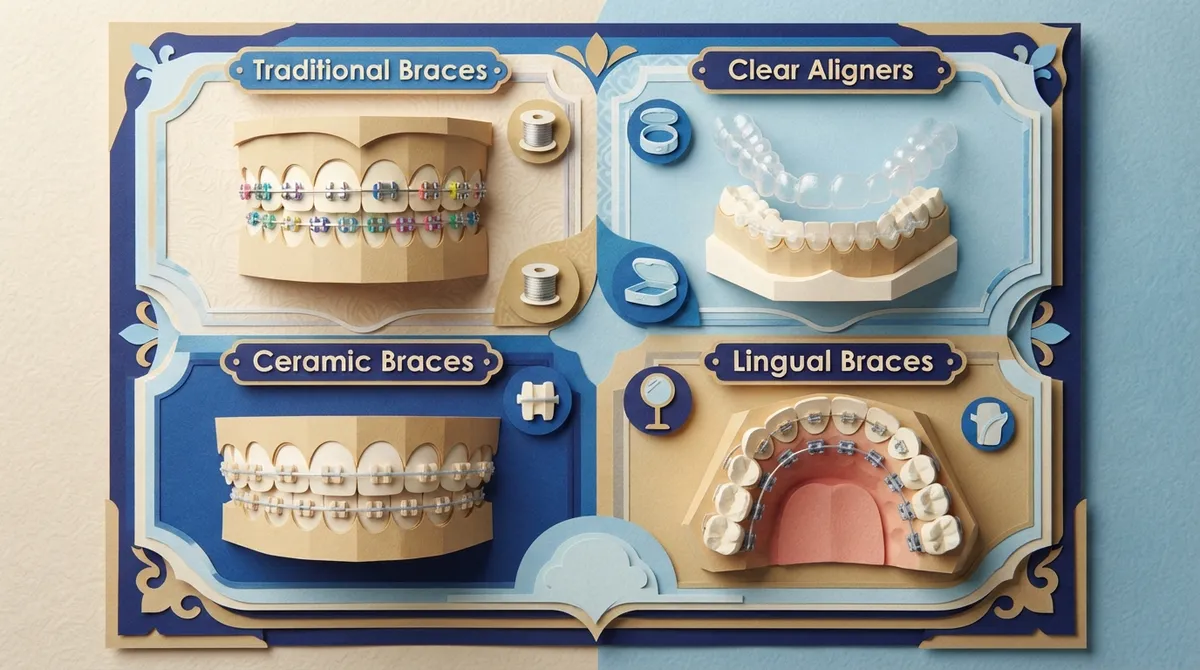
Let’s start with a quick overview. Most patients choose from a few core options, and some cases need a combination.
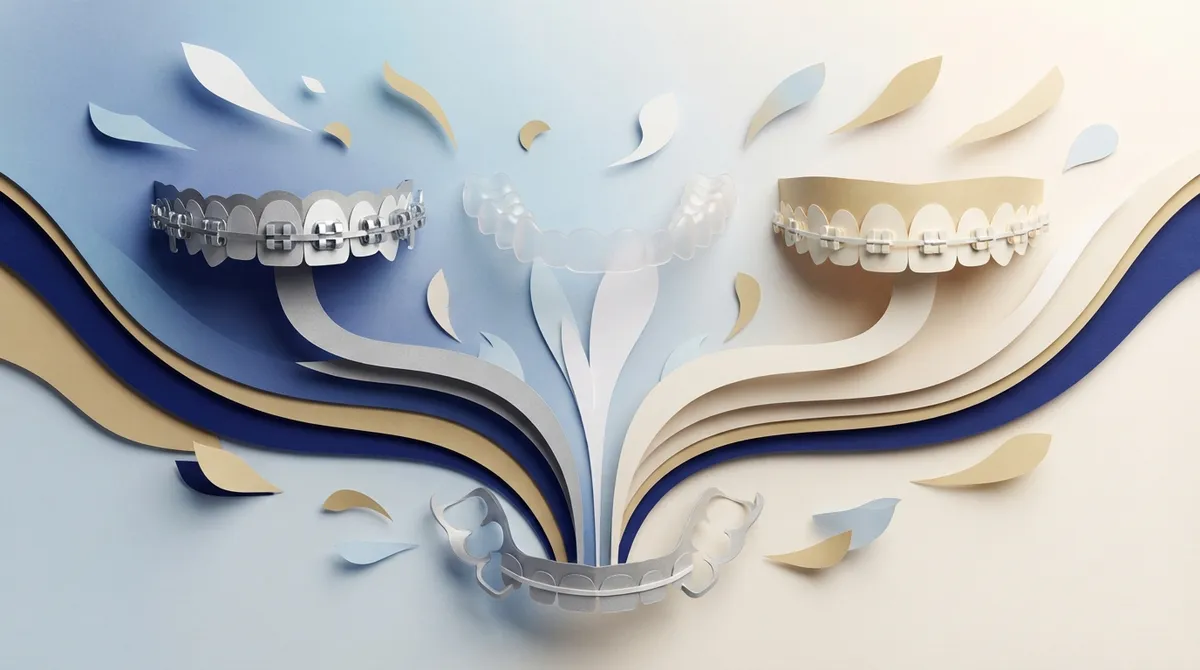
| Treatment Option | How It Works | Best For | Visibility |
|---|---|---|---|
| Metal braces | Brackets and wires gently move teeth | Wide range of alignment and bite issues | Noticeable |
| Ceramic (clear) braces | Tooth-colored brackets with wires | Patients wanting a less visible fixed option | Less noticeable |
| Lingual braces | Brackets attached behind the teeth | Adults wanting a hidden fixed option | Hidden |
| Clear aligners | Removable custom trays | Selected mild-to-moderate cases | Nearly invisible |
| Functional appliances and expanders | Guide jaw growth or widen the arch | Growing children and teens | Varies |
| Orthodontics plus jaw surgery | Braces combined with surgical jaw correction | Severe jaw discrepancies | Varies |
Now let’s look at each one in more detail.
Traditional Metal Braces
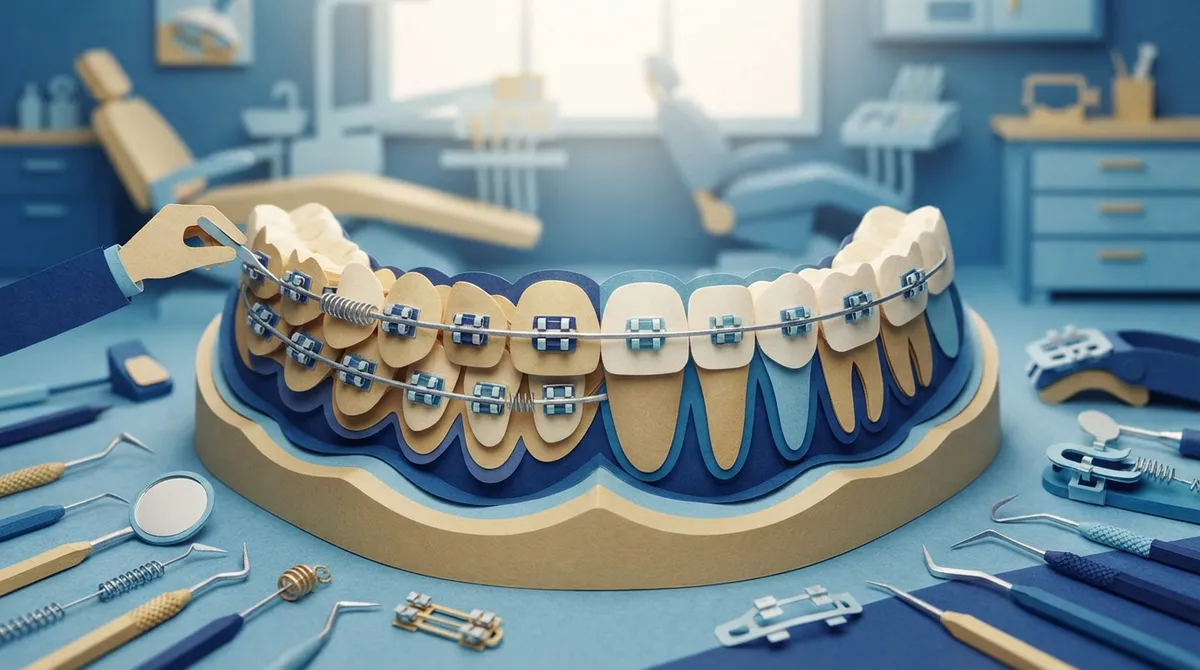
Metal braces are the classic choice, and for good reason. They use small brackets bonded to the teeth and wires that apply steady, gentle pressure. Over time, your teeth move into their new positions.
Fixed braces can treat a very broad range of alignment and bite problems, including complex ones. They work around the clock, so they don’t depend on you remembering to wear them. That makes them a reliable pick for many kids and teens.
Today’s metal braces are smaller and more comfortable than older versions. Many teens even enjoy picking colored bands to show off their personality. If you want to dive deeper, check out All About Braces for a full walkthrough.
Who Are Metal Braces Best For?
- Children and teens with crowding, gaps, or bite concerns
- Patients with more complex tooth movements
- Anyone who prefers a “set it and forget it” option
- Patients who want a budget-friendly fixed treatment
Ceramic (Clear) Braces
Ceramic braces work just like metal braces, but the brackets are tooth-colored or clear. They blend in with your natural teeth, so they’re far less noticeable in photos and conversations.
They are a popular pick for older teens and adults who want a fixed option without the metal look. Because they’re fixed, they can still handle a wide range of cases. The trade-off is that they need a little extra care to keep the brackets clean and looking their best.
Curious how they stack up against metal? Our guide on metal vs. clear braces for adults breaks down the differences in a friendly way.
Lingual Braces
Lingual braces are attached to the back surfaces of your teeth. That means almost no one can see them from the front. They are generally considered a specialty option, and they’re not right for every case.
Because they sit behind the teeth, they can feel different at first. Your tongue may need a little time to adjust, and speech can take a few days to settle. Your orthodontist can tell you whether this option fits your bite and your goals.
Clear Aligners
Clear aligners are removable, custom-made trays that move your teeth in small steps. You switch to a new set every so often, and each set nudges your teeth a little closer to the goal.
They are popular with teens, young adults, and busy professionals because they’re discreet and easy to take out for meals and brushing. They can be a great fit for selected mild-to-moderate cases. But success depends on wearing them as directed, usually around 20 to 22 hours a day.
Brockway Orthodontics offers Spark™ Clear Aligners, a more affordable alternative to Invisalign. Spark aligners are designed to be clear, comfortable, and easy to live with. If you’re weighing your choices, you may also enjoy our post on clear aligners vs. braces.
Are Clear Aligners Right for Everyone?
Not always, and that’s okay. Some complex bite problems or tooth movements are better handled with fixed braces. A careful exam is the only way to know for sure. An honest orthodontist will tell you which option will give you the best result, not just the most popular one.
Other Appliances That Play a Special Role
Some orthodontic tools have narrower jobs, but they can make a big difference in the right case.
- Palatal expanders: These gently widen the upper jaw in growing children, making room for teeth and improving the bite.
- Functional appliances: These can guide jaw growth in some growing patients.
- Headgear: Used with other appliances in selected cases to help guide growth or move teeth.
- Removable plates: These can make limited tooth movements in simple situations.
These tools are most helpful when started at the right time. That’s one reason early treatment can be so valuable for some kids.
When Jaw Surgery Is Part of the Plan
In some severe jaw cases, braces alone can’t fix the problem. Your orthodontist may work with an oral surgeon to combine orthodontics with jaw surgery. Braces move the teeth into the right positions before and after surgery, while the surgeon corrects the jaw itself.
This path is less common, but it can be life-changing for the right patient. If your orthodontist mentions it, they’ll walk you through every step and explain why it’s recommended.
Which Option Fits Which Age Group?
There’s no single perfect age for treatment. Growth stage and goals both matter.
Children
Kids are often assessed while they’re still growing. This gives the orthodontist a chance to guide jaw development and make room for incoming teeth. Not every child needs early treatment, but a check-up can tell you for sure. Learn more in our guide to orthodontics for kids.
Teens
Teen years are a popular time for full treatment because most permanent teeth are in. Teens can choose between braces and aligners based on their lifestyle, sports, and comfort. Our adolescent treatment page explains what to expect.
Adults
It’s never too late to improve your smile! Adults make up a growing share of orthodontic patients. Many choose discreet options like ceramic braces or clear aligners. Explore our adult treatment options if you’ve been thinking about it.
Retreatment After Relapse
Did you have braces years ago, and your teeth have slowly shifted? You’re not alone. Teeth can move over time, especially if retainers weren’t worn as directed. Many adults return for a touch-up, and the good news is that it’s often simpler than the first round.
How Long Does Treatment Take?
Treatment time depends on your case, the appliance you choose, and how well you follow instructions. The NHS notes that orthodontic treatment commonly takes about 6 to 30 months, and many patients fall between 12 months and two and a half years.
You’ll also need regular check-ups. The NHS describes visits every 4 to 10 weeks for many patients. These visits let your orthodontist adjust your braces or check your aligner progress and keep everything on track.
Want a more detailed timeline? Take a peek at how long braces take to work.
Keeping Your Teeth and Gums Healthy During Treatment
Treatment works best when your teeth and gums are healthy to begin with. Braces can make cleaning harder, which raises the risk of plaque buildup, gum problems, and early signs of decay like white spots. The good news is that a few simple habits go a long way.
- Brush after meals, or at least twice a day, with a soft brush.
- Floss daily, using floss threaders or a water flosser if needed.
- Limit sticky and hard foods that can damage brackets.
- Keep up with your regular dental cleanings.
- Wear your aligners or elastics exactly as directed.
Need a refresher on eating well? Our friendly guide on what you can eat with braces has plenty of ideas.
Retainers: The Step You Can’t Skip
Here’s something many people don’t realize. Retention is part of treatment, not an optional extra. After your teeth move, they want to drift back. Retainers hold them in their new spots while the bone and gums settle.
Retainers can be removable or fixed. The NHS notes that removable retainers are commonly worn nightly for at least 12 months, with the exact schedule set by your orthodontist. Many patients keep wearing them at night for the long term, because teeth can shift over time.
Learn more about your options on our retainers page. Think of your retainer as the final piece that protects all your hard work.
How to Choose the Right Orthodontist Treatment Option
Feeling ready to choose? Here’s a simple way to think it through.
- Get a professional exam. Only an orthodontist can tell you which options are safe and effective for your bite.
- Share your goals. Do you want the fastest route, the most discreet look, or the lowest cost?
- Be honest about your habits. Aligners need steady wear, while braces work on their own.
- Ask about timing and cost. Understand the full plan, including retainers and follow-up visits.
- Check the comfort level. Choose an office where you feel heard and welcome.
If cost is a concern, you’re in luck. Our team can help you understand financing and insurance so there are no surprises.
What to Expect at Your First Visit
Your first appointment is a relaxed, no-pressure chat. We’ll look at your smile, take digital images, and talk through what we see. Thanks to modern technology like digital impressions and 3D imaging, there are no messy molds. That means a more comfortable experience and more precise planning.
In certain cases, we can even offer same-day treatments so busy families don’t need to juggle multiple visits. You’ll leave knowing your options, your timeline, and your next steps. To see how it all works, visit Your First Visit.
Local families also love that our Clearwater office feels welcoming and personal. Take a peek at what patients say by reading reviews from Brockway Orthodontics on Google.
A Note on Trusted Guidance
Good information matters when you’re making healthcare choices. For general oral health guidance, the American Dental Association is a helpful resource. For finding orthodontic professionals in our state, the Florida Association of Orthodontists is another useful place to start.
Ready to Explore Your Options?
Choosing among orthodontist treatment options doesn’t have to be stressful. Metal braces, ceramic braces, lingual braces, clear aligners, and special appliances each have a place. The right one depends on your teeth, your bite, your age, and your lifestyle. Most of all, it depends on having a caring expert who will guide you honestly.
If you’re in Clearwater, Florida, we’d love to meet you. Dr. Brockway and our team offer Spark™ Clear Aligners, metal braces, and ceramic braces for kids, teens, and adults. Take the first step today and book your free consultation online. You can also contact us with any questions. We can’t wait to help you smile with confidence!
FAQs
Q: What orthodontic treatment options are available?
A: The main options are metal braces, ceramic braces, lingual braces, and clear aligners. There are also special tools like expanders, functional appliances, and headgear for certain cases. In rare, severe jaw cases, braces may be paired with jaw surgery. Your orthodontist will help you pick what fits your smile best!
Q: Are clear aligners as effective as braces?
A: Clear aligners work really well for selected mild-to-moderate cases, as long as you wear them as directed. Braces can handle a broader range of complex bite and tooth movement problems. The best way to know which is right for you is a professional exam.
Q: Do I need to wear a retainer after braces or aligners?
A: Yes, and it’s one of the most important parts of treatment! Teeth can shift back over time, so retainers help protect your new smile. Your orthodontist will tell you exactly how long and how often to wear yours.
Q: At what age should a child see an orthodontist?
A: There’s no single perfect age, because every child grows differently. Many kids are first checked while they’re still growing, which helps the orthodontist spot issues early. A quick visit can tell you whether treatment should start now or wait.
Q: How long does orthodontic treatment usually take?
A: Most treatment takes about 6 to 30 months, depending on your case and the appliance you choose. Following your orthodontist’s instructions and keeping every appointment can help you finish on time. Your personal timeline will be shared at your consultation.
Our Service Area