
Key Takeaways
-
Orthodontists complete 2-3 years of specialized training beyond dental school and are uniquely qualified to treat bite issues, jaw alignment, and dentofacial orthopedics that general dentists cannot handle at the same level.
-
The American Dental Association recommends children see an orthodontist by age 7 for early evaluation, which allows specialists to spot problems before they become complex and can make future treatment simpler and shorter.
-
You don’t need a referral to see an orthodontist—you can schedule directly, and modern treatment options like clear aligners, ceramic braces, and metal braces offer choices ranging from nearly invisible to affordable solutions.
-
Licensed orthodontists provide professional oversight with diagnostic X-rays, in-person monitoring, and emergency support, while at-home aligner kits offer limited capability for only mild cases without professional evaluation.
-
Common signs you need orthodontic care include crooked or overlapping teeth, difficulty chewing, jaw pain or clicking, open bites, mouth breathing, and gaps between teeth—early treatment prevents these issues from worsening.
-
More adults are seeking orthodontic treatment in 2026 using discreet options like clear aligners and ceramic braces, making professional smile improvement accessible for busy professionals at any age.
You’re sitting in the dental chair, and your dentist says, “You might want to see an orthodontist.” Suddenly, you’re wondering — what’s the difference, and do you really need a specialist? You’re not alone in asking this question. Many families, teens, and adults face this exact moment every year. Understanding the role of an orthodontist can save you time, money, and a lot of confusion. Whether you’re a parent worried about your child’s crowded teeth or an adult thinking about improving your smile, this guide will help you understand exactly what an orthodontist does — and why it matters for your long-term oral health.

What Is an Orthodontist, Exactly?
An orthodontist is a dental specialist who focuses on correcting misaligned teeth and jaws. According to the American Association of Orthodontists, orthodontists complete two to three years of additional specialized training after dental school. This extra education is what sets them apart from general dentists. Their goal is to improve how your teeth fit together — which affects everything from chewing and speaking to your overall confidence.
An orthodontist is also trained in dentofacial orthopedics. That means they don’t just focus on teeth. They also evaluate and guide jaw growth and facial structure. This makes them uniquely qualified to treat a wide range of concerns that go far beyond a crooked smile. You can meet Dr. Brockway to learn more about her specialized training and approach to orthodontic care.

Orthodontist vs. Dentist: The Core Differences
It’s easy to mix up these two roles. Both care about your oral health. But they focus on very different things. Think of it this way — your dentist is like your primary care doctor, while your orthodontist is the specialist they refer you to when a specific issue needs expert attention.
| Feature | General Dentist | Orthodontist |
|---|---|---|
| Primary Focus | Overall oral health, cleanings, fillings | Teeth and jaw alignment, bite correction |
| Additional Training | None beyond dental school | 2–3 years of specialized orthodontic training |
| Treatments Offered | Cleanings, crowns, root canals, extractions | Braces, clear aligners, retainers, appliances |
| Treats Bite Issues | Limited | Yes — overbite, underbite, crossbite, and more |
| Who They Typically See | All ages, routine care | All ages, alignment and bite concerns |
| Referral Required? | N/A | No — you can self-refer in most cases |
Did you know you don’t need a referral to see an orthodontist? You can schedule your first visit anytime. Many people are surprised to learn this. Check out 14 reasons you don’t need a referral to see an orthodontist for more helpful information.
What Conditions Does an Orthodontist Treat?
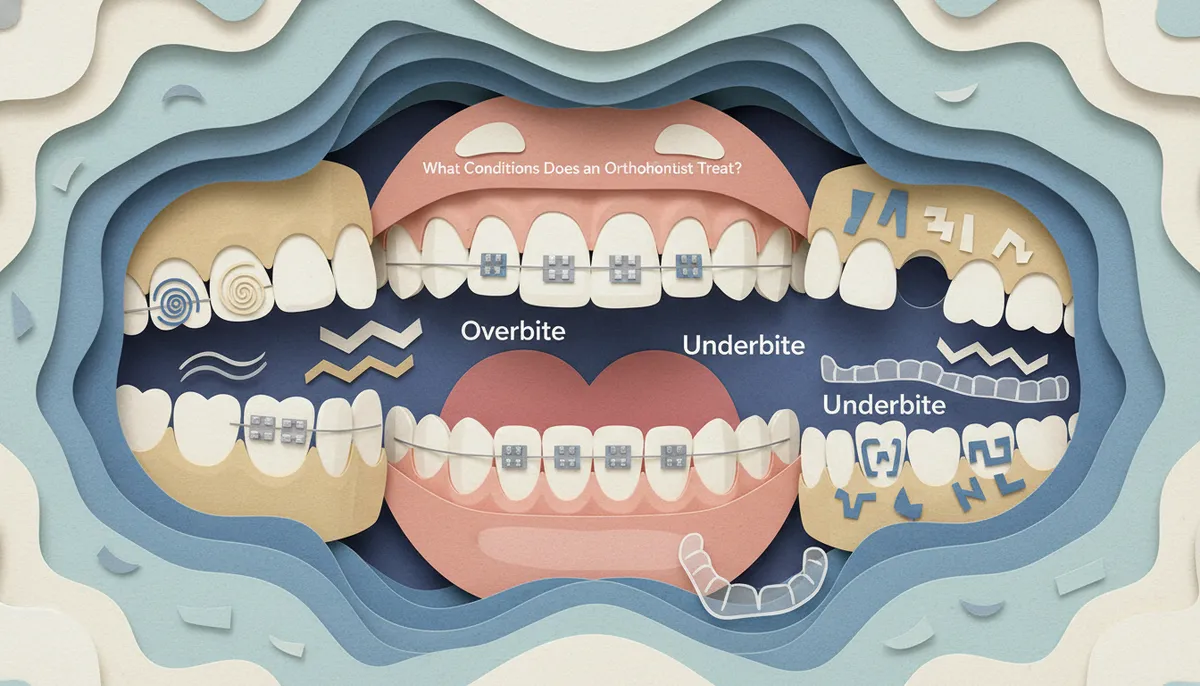
Orthodontists treat a wide variety of dental and jaw concerns. Many of these issues affect how you chew, speak, and feel about your appearance. Here are the most common conditions an orthodontist can help with:
- Crooked or crowded teeth — When teeth don’t have enough room to grow in properly
- Overbite — When the upper front teeth overlap the lower teeth too much
- Underbite — When the lower jaw juts out past the upper jaw
- Crossbite — When upper and lower teeth don’t meet correctly
- Open bite — When front teeth don’t touch when the mouth is closed
- Gaps between teeth — Spaces that affect appearance and function
- Jaw growth irregularities — Issues with how the jaw develops over time
Many of these issues are best caught early. That’s why the American Dental Association recommends children see an orthodontist by age seven. Early evaluation allows your orthodontist to spot problems and create a plan before they become more complex. Learn more about early orthodontic treatment for kids.
What Treatments Do Orthodontists Use?
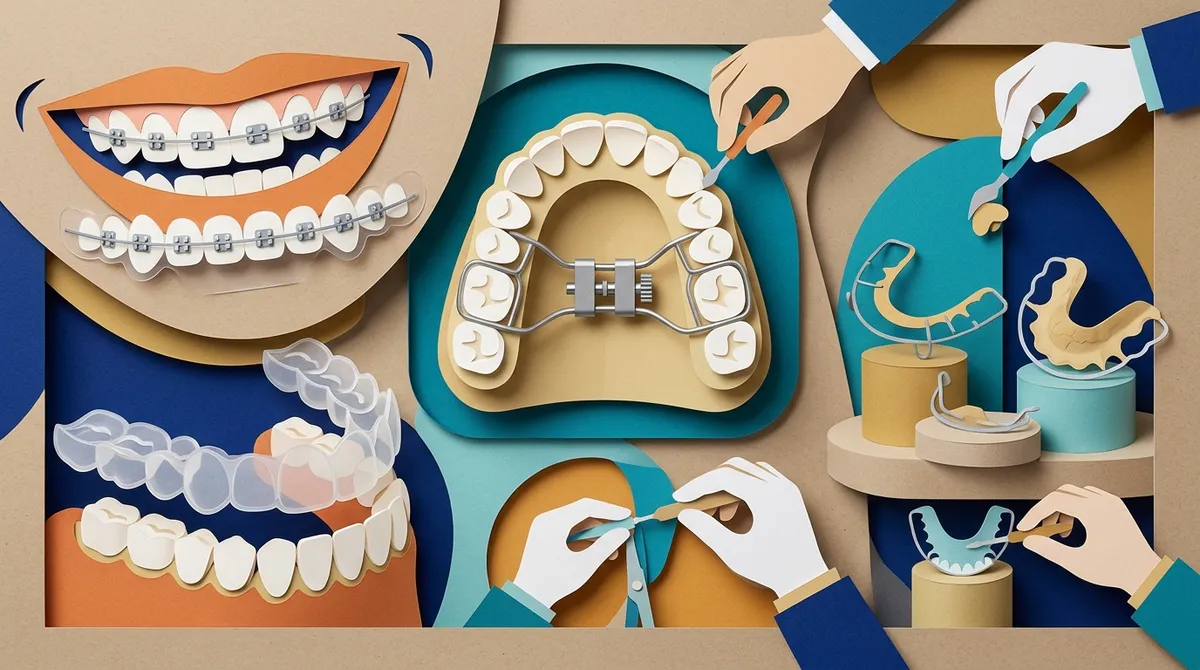
Orthodontic treatment has come a long way. Today’s options are more comfortable and discreet than ever before. An orthodontist uses a variety of tools to align your teeth and jaw.
| Treatment Type | Best For | Visibility | Typical Duration |
|---|---|---|---|
| Metal Braces | Complex cases, kids, teens | Visible | 12–24 months |
| Ceramic Braces | Teens and adults wanting a subtle look | Tooth-colored | 12–24 months |
| Clear Aligners | Mild to moderate cases, adults, teens | Nearly invisible | 6–18 months |
| Retainers | Post-treatment maintenance | Minimal | Ongoing |
| Orthodontic Appliances | Jaw growth guidance in children | Varies | Varies by need |
At Brockway Orthodontics, patients can explore options like Spark™ Clear Aligners, traditional metal braces, and ceramic braces. Whether you’re looking for something discreet or the most affordable path, there’s a treatment that fits your life. You can also explore clear aligners vs. braces to see which option suits your needs best.
How Does an Orthodontist Create Your Treatment Plan?
One of the most important things an orthodontist does is create a plan that’s built just for you. This isn’t a one-size-fits-all process. Your orthodontist gathers detailed information before recommending any treatment.
Here’s a step-by-step look at how the process typically works:
- Initial consultation — You meet with the orthodontist to discuss your concerns and goals
- Diagnostic records — X-rays, photos, digital scans, and impressions are taken to evaluate your teeth and jaw
- Treatment plan development — The orthodontist reviews all records and maps out a personalized plan
- Treatment begins — Braces, aligners, or appliances are placed or delivered
- Progress monitoring — Regular checkups ensure everything is moving as planned
- Retention phase — Once active treatment ends, a retainer keeps your new smile in place
This careful, step-by-step approach is what makes orthodontic care so effective. You can learn more about what to expect during your orthodontic consultation before your first appointment.
Who Should See an Orthodontist?
Orthodontic care isn’t just for kids with metal braces. In 2026, more adults than ever are seeking treatment to improve both function and appearance. Here’s a breakdown of who benefits most from seeing an orthodontist:
- Children ages 7–12 — Early evaluation allows for guidance during jaw development
- Teenagers — The most common time for braces treatment, with many modern options available
- Adults — Clear aligners and ceramic braces make treatment discreet and professional-friendly
- Orthodontic relapse patients — Those whose teeth have shifted after previous treatment
- Health-conscious individuals — Those who want to improve oral function and reduce long-term dental issues
No matter your age, it’s never too late or too early to explore your options. Check out adult orthodontic treatment options or learn about adolescent treatment to find what’s right for your family.
Signs You Might Need to See an Orthodontist
Not sure if you or your child needs orthodontic care? There are some clear signals to watch for. If you notice any of the following, it’s a good idea to schedule a consultation:
- Teeth that are visibly crooked or overlapping
- Difficulty biting or chewing food properly
- Jaw pain or clicking sounds when opening or closing your mouth
- Teeth that don’t come together when your mouth is closed
- Breathing through the mouth habitually
- Teeth that are widely spaced with noticeable gaps
- Previous orthodontic treatment with noticeable shifting or relapse
Many of these signs are easy to miss until a professional takes a closer look. Don’t wait too long — the sooner you act, the more straightforward treatment tends to be. Read about the signs you need braces to get more details on what to watch for.
Why Specialized Training Matters for Your Smile
When it comes to your smile, expertise really does make a difference. Orthodontists spend years learning the nuances of tooth movement, bite mechanics, and jaw development. This depth of knowledge allows them to handle complex cases with precision. According to the Florida Association of Orthodontists, this specialized focus ensures patients receive care that a general dentist simply isn’t trained to provide at the same level.
At Brockway Orthodontics, you’re in the hands of a dedicated specialist who combines advanced training with a genuinely caring approach. Every patient receives a customized plan, not a cookie-cutter solution. Visit us on Google — Brockway Orthodontics to read what our patients in Clearwater and the surrounding area are saying about their experience.
Orthodontist vs. At-Home Alignment Products
You may have seen ads for mail-order aligner kits that promise straight teeth without an office visit. It’s tempting — but there’s a big difference between working with a licensed orthodontist and using a DIY product. Here’s a side-by-side comparison to help you understand what you’re choosing between:
| Factor | Licensed Orthodontist | At-Home Aligner Kits |
|---|---|---|
| Professional Oversight | Yes — in-person exams and monitoring | No in-person evaluation |
| Diagnostic X-Rays | Included in treatment planning | Not typically included |
| Complex Case Capability | Yes — handles all severity levels | Only mild cases |
| Emergency Support | Available in-office | Limited or remote only |
| Long-Term Results | Supported with retainers and follow-up | Variable, less predictable |
For deeper insights, explore the key differences between at-home aligners and professional orthodontics. Your smile is worth the investment in proper, supervised care.
How to Choose the Right Orthodontist
Not all orthodontists are the same. When you’re choosing a provider, here are the most important things to look for:
- Board certification or specialty training beyond dental school
- A range of treatment options to suit different needs and budgets
- A welcoming, patient-centered environment
- Transparent pricing and flexible financing and insurance options
- Positive patient reviews and a strong local reputation
If you’re looking for a trusted orthodontist in the Clearwater area, Brockway Orthodontics checks every one of these boxes. You can also review mistakes to avoid when choosing an orthodontist near you to make a well-informed decision.
Your Next Step Toward a Healthier, Happier Smile
Seeing an orthodontist is one of the best investments you can make in your health and confidence. Whether you’re starting fresh, exploring options for your child, or finally tackling treatment you’ve been putting off, the right specialist makes all the difference. The journey to a straighter, healthier smile starts with a single conversation.
Ready to take that first step? Schedule your free consultation at Brockway Orthodontics and discover a personalized plan that works for your smile, your schedule, and your budget. We’d love to welcome you into the Brockway family!
FAQs
Q: What does an orthodontist actually do?
A: An orthodontist is a dental specialist who diagnoses and treats misaligned teeth and jaws. They use tools like braces, clear aligners, and retainers to improve how your teeth fit together and how your smile looks and functions. Think of them as the expert your dentist calls in when your teeth need more than a cleaning!
Q: Do I need a referral to see an orthodontist?
A: Nope — and this surprises a lot of people! In most cases, you can schedule a consultation with an orthodontist directly, without a referral from your dentist. It’s a great idea to take that step if you’ve noticed alignment concerns or just want a professional opinion on your smile.
Q: At what age should my child first see an orthodontist?
A: The American Dental Association recommends children have their first orthodontic evaluation around age seven. This early visit doesn’t always mean treatment starts right away — it just helps the orthodontist spot any developing issues and plan ahead if needed. Early attention can actually make future treatment simpler and shorter!
Q: How long does orthodontic treatment usually take?
A: Treatment length really depends on your specific needs. Some cases wrap up in six months, while others take up to two years or more. Your orthodontist will give you a personalized estimate during your consultation based on your goals, the severity of your case, and the treatment option you choose.
Q: Can adults benefit from seeing an orthodontist?
A: Absolutely — and more adults than ever are doing exactly that! In 2026, modern options like clear aligners and ceramic braces make treatment discreet and comfortable for busy professionals and anyone who wants a straighter smile without the traditional look of metal braces. It’s truly never too late to invest in your smile.