Key Takeaways
-
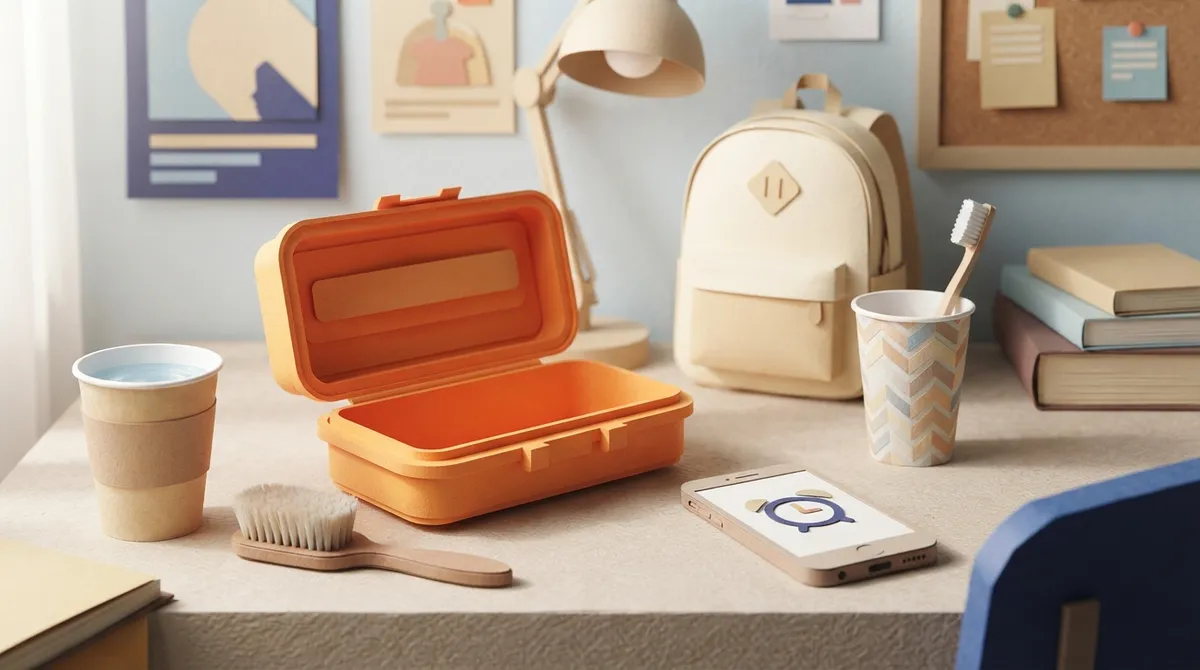
Never wrap your retainer in a napkin or leave it on a cafeteria tray; put it straight into a hard case the moment it leaves your mouth, and keep a bright-colored case in your backpack.
-
Remove removable retainers for meals, and with clear plastic retainers drink only plain water while wearing them, since sugary or colored drinks can stain plastic and trap bacteria.
-
Clean your retainer every time you remove it by rinsing and gently brushing with a soft brush and cool or lukewarm water; avoid hot water, bleach, and alcohol-based products.
-
Attach your retainer routine to an existing habit, like putting it in right after brushing your teeth or plugging in your phone, and set a recurring phone reminder for bedtime wear.
-
Call your orthodontist promptly if your retainer is lost, cracked, or feels tight; do not force it or reshape it at home, since waiting lets teeth drift.
-
Keep a spare case, a soft toothbrush for your retainer, and your orthodontist's number saved in your phone, and store the retainer away from heat like hot cars and sunny windowsills.
Moving into a dorm is exciting. New classes, new friends, late-night pizza runs, and zero parents reminding you to do anything. But here is the thing: your straight smile did not come easy, and your retainer is the little hero keeping it that way. Good retainer care for college students can feel tricky when your schedule changes every day and your room is the size of a closet.
The good news? It does not have to be hard. A few simple habits can keep your retainer clean, safe, and on your teeth where it belongs. You do not need fancy gear or a perfect routine, just a plan that fits your busy life.
At Brockway Orthodontics in Clearwater, Florida, we love helping patients protect the smile they worked so hard to earn. In this guide, we will walk you through why retainers matter, how to clean them, how to avoid the classic dining hall disaster, and what to do if something goes wrong. Let’s keep that smile looking great all the way to graduation.
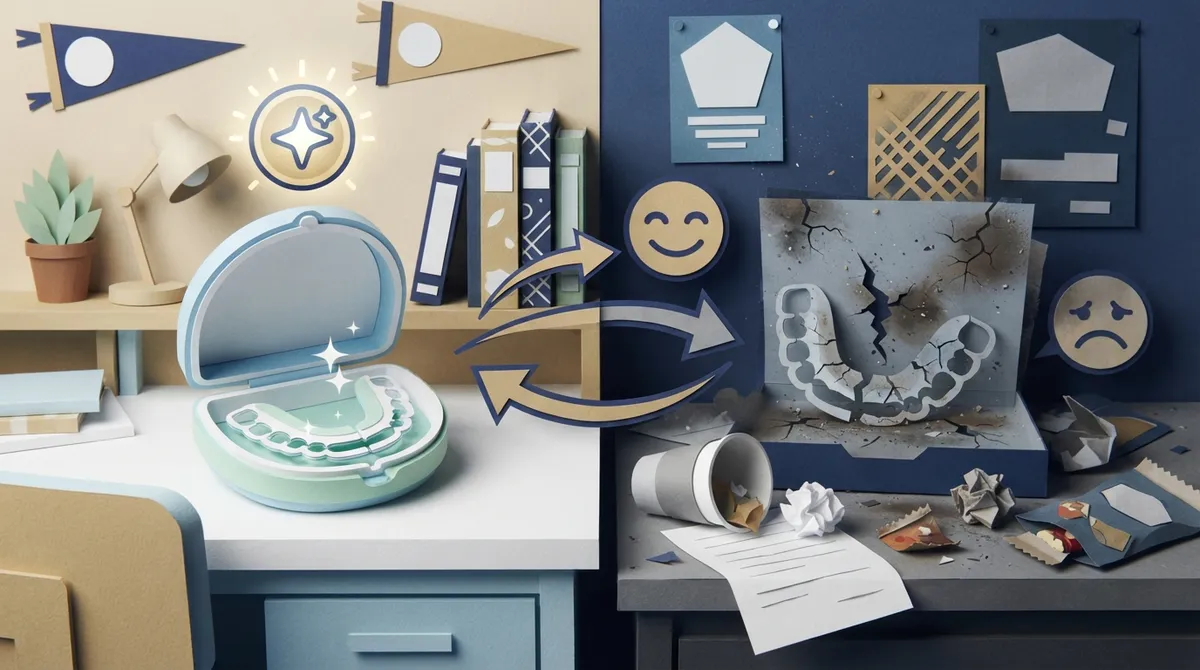
Why Retainer Care Matters More in College
Retainers help hold your teeth in their new positions after braces or aligners. Without retention, teeth can slowly shift over time. Long-term retention is commonly recommended, and your wear schedule should come from your orthodontist, since it can change as time goes on.
College life makes this harder. Your sleep schedule is unpredictable. You eat in new places. You share small spaces with roommates. All of that raises the odds that a retainer gets forgotten, lost, or damaged.
Here is a quick look at why the college years are a risky time for retainers:
- Busy, changing routines: Early classes, late study sessions, and weekend trips can throw off nightly habits.
- More eating on the go: Cafeterias, food courts, and coffee shops mean more chances to set a retainer down and walk away.
- Shared spaces: Roommates, laundry rooms, and cluttered desks add risk.
- Less supervision: No one is nudging you to wear it, so the habit is all yours.
The good news is that a little planning goes a long way. If you want a refresher on the basics, our page on retainers explains the main types and what each one does.
Know Your Retainer Type First
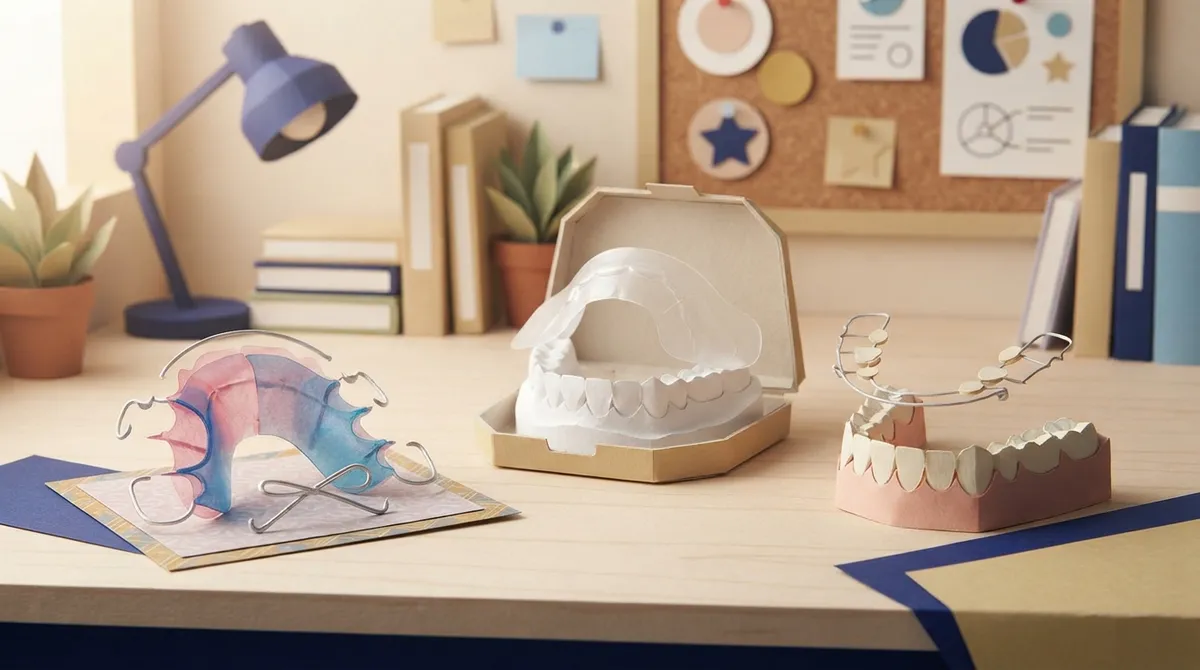
Before you build a routine, it helps to know what you are caring for. Different retainers need slightly different care.
| Retainer Type | What It Looks Like | Main Care Focus |
|---|---|---|
| Clear plastic (removable) | Thin, transparent tray that fits over your teeth | Gentle cleaning, avoiding heat, water only while wearing |
| Wire-and-acrylic (removable) | Metal wire across the front with an acrylic base | Careful cleaning, protecting the wire from bending |
| Fixed (bonded) | Thin wire glued behind your teeth | Daily brushing and flossing around the wire, checking for loose spots |
No single type is the best for everyone. Research does not show that one approach is clearly better than the others. A 2023 Cochrane review found low-certainty evidence and could not name a universal winner. The right option depends on your treatment, your teeth, and your risk of shifting. Your orthodontist picks what fits you best.
Build a Simple Daily Retainer Routine
The best routine is one you will actually follow. Think of it like your phone charger: it should live in the same spot, every single day.
Here is an easy routine for dorm life:
- Follow your prescribed wear schedule. Your orthodontist tells you how many hours to wear it. Some studies of part-time wear found that about 10 hours a day maintained results in certain protocols, but that is not a rule for everyone. Always follow your own instructions.
- Take it out for meals. Unless your orthodontist says otherwise, remove removable retainers when you eat.
- Put it straight into its case. Do not set it on a tray, in a pocket, or in a napkin.
- Brush and rinse before putting it back in. Clean teeth plus a clean retainer means fewer problems.
- Wear it at night. Make it part of your wind-down, right next to plugging in your phone.
Use Habit Stacking
Habit stacking just means linking a new habit to one you already have. For example, brush your teeth, then pop in your retainer. Or plug in your phone, then pop in your retainer. After a couple of weeks, it feels automatic.
Set a Phone Reminder
A recurring alarm is your friend. Set one for bedtime wear and another for a weekly deep clean. Label it something fun so you do not swipe it away.
How to Clean Your Retainer the Right Way
A dirty retainer can hold plaque and bacteria, and it can get cloudy or smelly. Cleaning it takes only a minute or two.
American Association of Orthodontists guidance recommends gentle cleaning with a soft toothbrush and water. Here is what to do:
- Rinse it every time you take it out, so food and saliva do not dry on it.
- Brush gently with a soft brush and cool or lukewarm water.
- Skip hot water. Heat can bend or warp plastic retainers.
- Avoid harsh chemicals like bleach or alcohol-based products.
- Check any cleaning product to make sure it works with your retainer material, and ask your orthodontist if you are unsure.
A Quick Word on Dorm Sinks
Shared bathrooms can be rushed and crowded. Never leave your retainer on the counter while you grab your towel. Rinse, brush, and pop it right back into its case before you do anything else.
Caring for a Fixed Retainer
If you have a thin wire bonded behind your teeth, you cannot take it out, so your cleaning habits matter even more. Plaque loves to build up around wires.
- Brush carefully around the wire, paying attention to the gumline.
- Clean between your teeth every day with floss, a floss threader, an interdental brush, or another tool your dental team recommends.
- Skip hard, sticky foods that could pull the wire loose.
- Pay attention to any rough spots, loose areas, or changes in how your bite feels.
Fixed retainers can come loose over time. Studies of fixed retainers show a wide range of failure rates, from about 3.5% to 53% for metal and 11% to 51% for fibre retainers, depending on the study, design, and patient. That range is a good reminder to keep your checkups and call us if something feels off.
Dining Hall Smarts: Avoid the Napkin Mistake
If there is one retainer disaster that happens again and again, it is this: wrapping it in a napkin and tossing the napkin out with your lunch tray. It is so common that it is practically a college tradition, and it is a costly one.
Try these habits instead:
- Keep a case in your backpack at all times.
- Put your retainer in the case the moment it leaves your mouth.
- Never leave it on a cafeteria tray, a table, or in a napkin.
- Pick a case in a bright color so it is hard to miss.
- Do a quick “phone, wallet, keys, retainer” check before you stand up.
A little pat-down before you leave a table can save you hundreds of dollars and a lot of stress.
Eating and Drinking With Your Retainer
This is one of the most common questions we hear. For removable retainers, take them out for meals unless your orthodontist tells you something different. With clear plastic retainers, generally drink only water while wearing them.
Why? Sugary or colored drinks can get trapped between the plastic and your teeth. Coffee, soda, energy drinks, and sports drinks can all stain the plastic or feed cavity-causing bacteria. If you are heading to a late-night study session with a latte, take the retainer out first and brush before you put it back in.
Smart Storage for Dorm Life
Where you keep your retainer is half the battle. Dorm rooms can be messy, and pets or roommates may grab things by accident.
| Do This | Not This |
|---|---|
| Store it in a hard case every time | Wrap it in a napkin or tissue |
| Keep the case in the same spot, like your nightstand | Leave it loose on a desk or bed |
| Keep it away from hot cars, windows, and radiators | Leave it in a hot car or direct sun |
| Rinse it before storing | Put it away dirty |
| Keep pets and roommates away from it | Leave it where it can be knocked or chewed |
Heat can warp plastic retainers, so a hot car or sunny windowsill is a bad spot. Also, many dogs love the smell of a retainer, so if you go home for the weekend, tuck the case somewhere safe.
What to Do if Your Retainer Feels Tight
If you skipped a few nights and your retainer feels snug, do not panic. Teeth can move a little when a retainer is out. But a tight fit is a signal worth taking seriously.
Here is how to handle it:
- Do not force it. Pushing a retainer that will not seat can damage it or your teeth.
- Do not try to reshape it at home with hot water or tools.
- Contact your orthodontist. A tight fit can mean your teeth have moved, and a professional should take a look.
- Ask what to do next. You may need a quick adjustment, a new retainer, or a short treatment plan to guide teeth back.
If your teeth have shifted more than you would like, you are not alone. Many adults and young adults come back for a refresh. Our adult treatment options can help bring a shifted smile back on track.
What to Do if You Lose or Break Your Retainer
It happens to nearly everyone at some point. The key is to act quickly instead of waiting and hoping it turns up.
Contact your orthodontist promptly if your retainer is:
- Lost or missing
- Cracked or warped
- Loose or damaged, including a bent or broken wire
- No longer fitting normally
Waiting too long can let your teeth drift. If you break a wire or something pokes your mouth, call us right away. We also have a helpful guide on what to do if your retainer breaks that walks through the steps.
One extra tip: before you head off to school, save your orthodontist’s phone number in your phone and take a photo of your retainer. That makes any replacement conversation much faster.
Keep Up With Checkups, Even at School
Retainers do not last forever. Removable ones can wear out or lose their fit. Fixed ones need monitoring for bond failure and plaque buildup. Replacement timing is different for each person, so we guide you based on what we see.
Keep up with routine dental visits and any orthodontic follow-ups. Winter and summer breaks are great times to schedule a quick check, since you may be back home anyway. Our guide on how to wear a retainer after braces is a good read to share with a friend or younger sibling too.
A Packing List for Retainer Success
Heading off to campus? Add these items to your list:
- Two retainer cases, one for your backpack and one for your nightstand
- A soft toothbrush reserved for cleaning your retainer
- Floss, floss threaders, or interdental brushes
- A small travel bottle of water for rinsing on the go
- Your orthodontist’s contact info saved in your phone
- A backup plan, like knowing where to find help near campus
Having a spare case is a tiny cost that can save you a big headache.
Ready to Protect Your Smile? We Are Here to Help
Retainer care for college students comes down to a few simple habits: wear it as prescribed, clean it gently, store it safely, and call for help when something feels off. You worked hard for your smile, and a little daily care keeps it looking great through every semester.
If your retainer is lost, cracked, tight, or just not feeling right, do not wait. Dr. Brockway and our team in Clearwater, FL are happy to help you get back on track. Book an appointment online and let’s keep your smile straight for the long run. You can also see what our patients say when you visit us on Google — Brockway Orthodontics, or connect with the Florida Association of Orthodontists and the American Dental Association for more oral health resources.
FAQs
Q: How many hours a day should a college student wear a retainer?
A: It depends on your orthodontist’s plan for you. Some studies found that around 10 hours a day kept results stable in certain protocols, but that is not a rule for everyone. Always follow the schedule your orthodontist gave you, and ask if it should change over time.
Q: Can I eat or drink with my retainer in?
A: For most removable retainers, take them out when you eat. With clear plastic retainers, drink only water while wearing them. Coffee, soda, and sugary drinks can stain the plastic and get trapped against your teeth.
Q: What should I do if I lose my retainer at college?
A: Call your orthodontist as soon as you can. Teeth can shift quickly without a retainer, so waiting makes things harder. We can talk through a replacement and tell you what to do in the meantime.
Q: Is it safe to wear a retainer that feels tight?
A: Do not force it. A tight fit can mean your teeth have moved, so it is best to get professional advice. Never try to reshape it at home, since that can damage the retainer or your teeth.
Q: How can I keep my retainer from getting lost in a dorm or dining hall?
A: Always put it straight into a hard case, never a napkin. Keep a case in your backpack and one on your nightstand, and do a quick check for your retainer before you leave a table. A brightly colored case also makes it much harder to lose.
Our Service Area