Key Takeaways
-
Crowded teeth happen when there isn't enough room in the jaw for teeth to align, usually from a size mismatch between teeth and the dental arch, and it's rarely caused by just one factor.
-
Genetics play a major role, since inherited jaw size, tooth size, and tooth count can all create a tight fit, though other factors often make crowding better or worse.
-
Losing baby teeth too early from decay or injury lets nearby teeth drift into the gap, leaving the adult tooth without enough room to come in properly.
-
Crowding can develop or return with age, especially in the lower front teeth, and teeth can relapse after braces if the retainer isn't worn as directed.
-
Childhood habits like long-term thumb sucking or pacifier use can contribute to crowding, but they are usually only part of the cause and many children outgrow them.
-
Crowding is common, with a 2022 review of 123 studies finding a mean prevalence of 33.8% in children and adolescents, and an orthodontic exam can identify the specific causes.
Have you ever looked in the mirror and wondered why your teeth seem to be fighting for space? You’re not alone! Crowded teeth are one of the most common reasons people visit an orthodontist, and the good news is that they have clear, understandable causes. So, what causes crowded teeth? In most cases, there simply isn’t enough room in the jaw for all of your teeth to line up neatly.
That space problem can come from many places. Your family tree, the way your baby teeth fell out, and even how your jaw grew can all play a part. Crowding is rarely caused by just one thing. It’s usually a mix of factors that add up over time.
In this friendly guide, we’ll walk through the main causes, explain how crowding can change as you age, and share what an orthodontist looks for during an exam. Whether you’re a parent wondering about your child’s smile, a teen planning ahead, or an adult who has noticed changes, you’ll find helpful answers here.
What Are Crowded Teeth, Exactly?
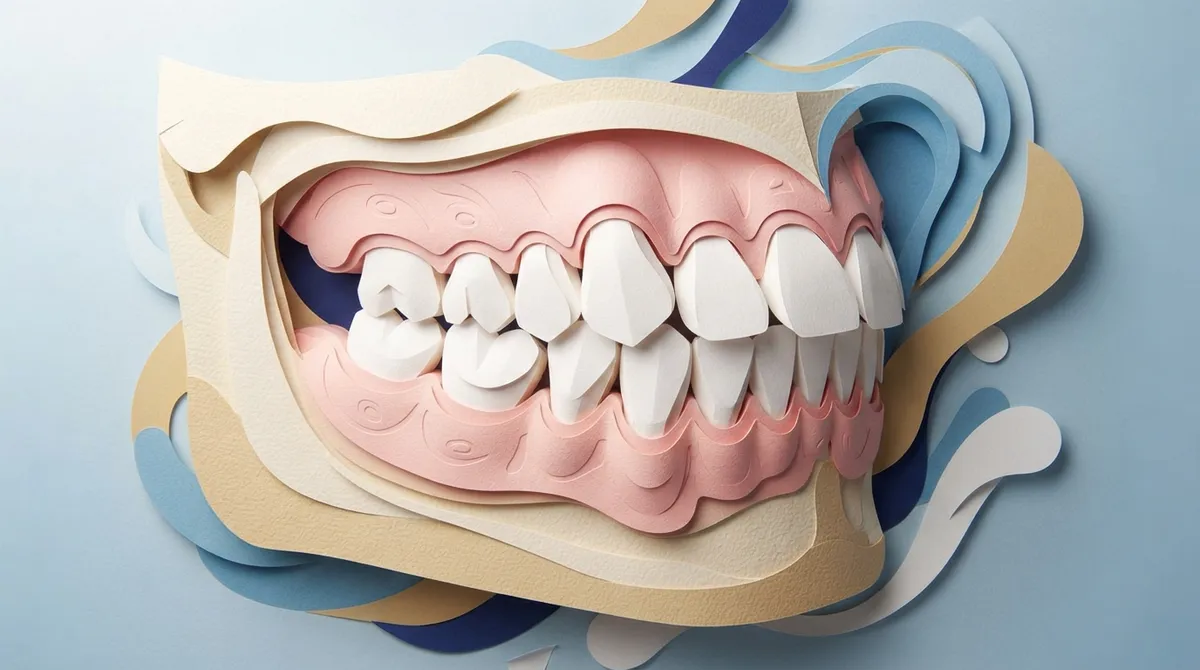
Crowded teeth, also called dental crowding, happen when the dental arch does not have enough space for teeth to sit in a straight, even line. As a result, teeth may overlap, twist, tilt, or push forward or backward out of place.
Think of it like a crowded elevator. If too many people try to squeeze in, someone ends up turned sideways or standing awkwardly. Your teeth do the same thing when the space is too small.
Crowding is very common. A 2022 systematic review of 123 studies of children and adolescents found a mean crowding prevalence of 33.8%. That said, the range was huge, from 0.8% to 93.4%, because studies measured crowding in different ways and looked at different groups of people. The takeaway? Crowded teeth are widespread, and you’re in good company.
Mild, Moderate, and Severe Crowding
Not all crowding looks the same. Here is a simple way to think about it:
- Mild crowding: One or two teeth are slightly twisted or overlapping.
- Moderate crowding: Several teeth are noticeably out of line, and brushing or flossing may get tricky.
- Severe crowding: Teeth are stacked, blocked out of the arch, or stuck beneath the gums.
The Core Problem: Not Enough Space for Your Teeth
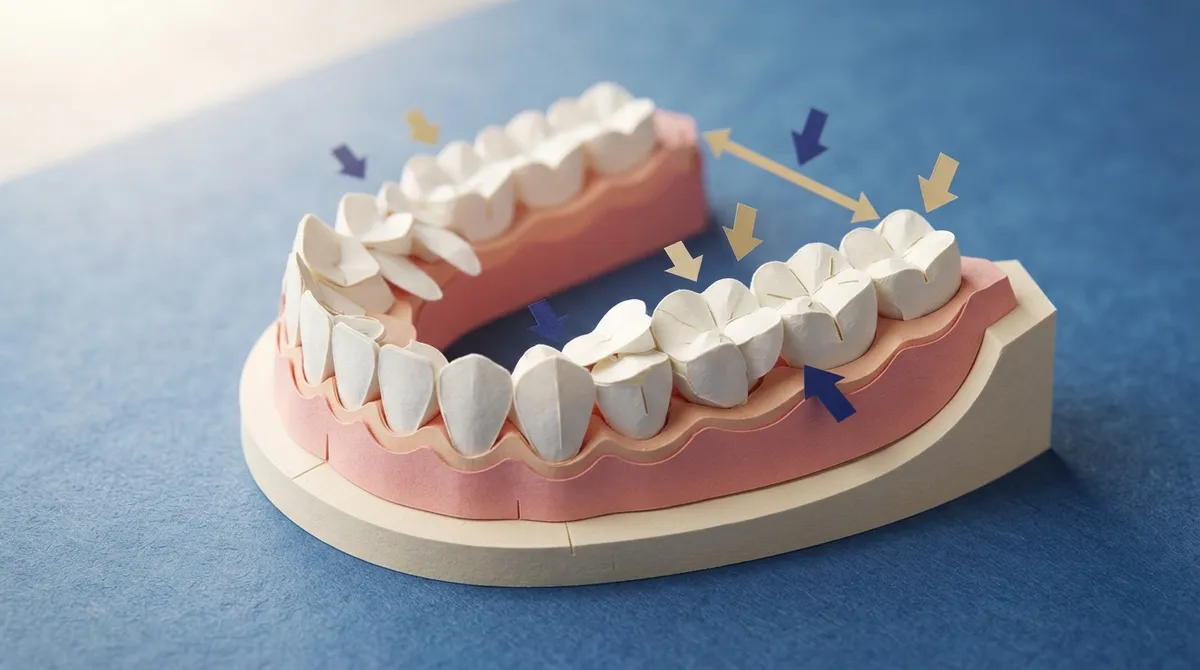
At its heart, crowding is a space mismatch. Either the teeth are too big for the jaw, the jaw is too small for the teeth, or a bit of both. Orthodontists often describe this as a difference between the size of your teeth and the size of your dental arch.
Because this mismatch can come from several directions, it helps to look at each cause one at a time. Let’s go through them.
7 Common Causes of Crowded Teeth
1. Genetics and Family Traits
If your parents or siblings have crowded teeth, there’s a good chance you might too. Inherited traits can shape the size of your jaw, the size of your teeth, and even how many teeth you have. You might get a smaller jaw from one parent and larger teeth from the other, which sets the stage for a tight fit.
Genetics rarely work alone, though. Crowding is usually multifactorial, meaning several things work together. So even if crowding runs in your family, other factors can make it better or worse.
2. Jaw Size and Growth Patterns
The way your jaw grows matters a lot. A narrow dental arch or a mismatch between the upper and lower jaws can leave less room for teeth. This is one reason an orthodontist looks at your whole bite, not just the teeth that look crooked.
Certain developmental conditions, such as cleft lip or palate, can also affect jaw development and tooth alignment. In these cases, an orthodontist often works as part of a larger care team.
For some young patients, guiding jaw growth early can help create more space. You can learn more about this in our guide to early orthodontic treatment.
3. Losing Baby Teeth Too Early
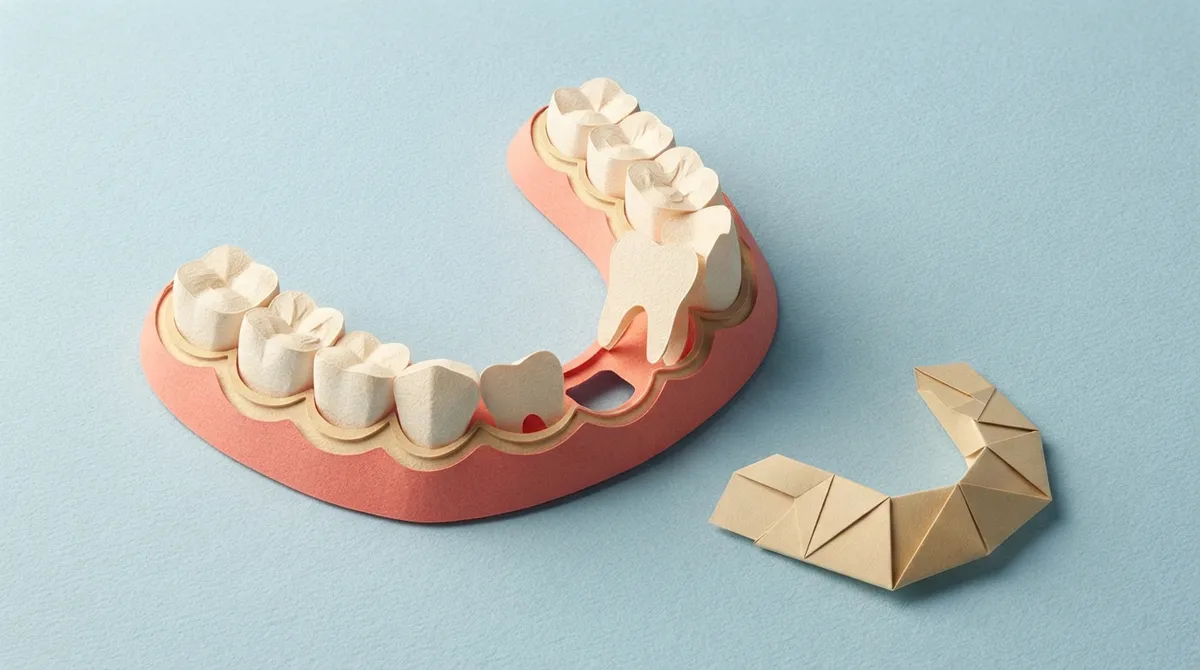
Baby teeth do an important job. They act like little placeholders, saving the exact spot where the adult tooth will arrive later. When a baby tooth is lost too soon from decay or an injury, nearby teeth can drift into the empty space.
When that happens, the adult tooth that was supposed to take that spot may not have enough room. It can come in crooked, rotated, or even stuck under the gums. This is one reason caring for baby teeth truly matters!
4. Problems With Tooth Eruption
Crowding often shows up when permanent teeth begin to replace baby teeth. Sometimes teeth erupt too early, too late, or in the wrong direction. Teeth that are unusually large, extra teeth, missing teeth, or teeth that are impacted can all change the available space.
For example, an extra tooth, called a supernumerary tooth, can take up room that other teeth need. On the flip side, a missing tooth can cause neighbors to tip and shift. Either way, the balance of the arch changes.
5. Oral Habits in Childhood
Thumb sucking, finger sucking, and long-term pacifier use can affect how teeth and the bite develop. The effect depends on how long and how intensely the habit continues.
Here’s an important point: these habits are usually not the only reason for crowding. They can contribute, but they are rarely the full story. So if your child sucks their thumb, please don’t feel guilty. Many children outgrow it, and an orthodontist can offer gentle guidance if it continues.
6. Losing Permanent Teeth
Losing an adult tooth can also lead to crowding. When a gap opens up, the teeth beside it tend to lean into the space. Over time, this can change the way your whole bite fits together.
If you’ve lost a tooth, it’s worth asking an orthodontist about your options. In many cases, orthodontic care can help reposition teeth so your smile works well again. If you’re curious, we explain this further in Can I Get Braces With Missing Teeth?
7. Teeth Shifting With Age or After Treatment
Here’s something that surprises many people: crowding can start or get worse later in life. Teeth naturally shift a little as we age. This is especially common in the lower front teeth.
Crowding can also return after braces if a retainer isn’t worn as directed. Without retention, teeth can slowly move back toward their old positions. That’s why retainers are such a big deal after treatment. Learn more about keeping your results in our retainer guide.
Quick Summary: Causes of Crowded Teeth at a Glance
| Cause | What Happens | Who It Often Affects |
|---|---|---|
| Genetics | Inherited jaw and tooth size mismatch | All ages |
| Jaw growth | Narrow arch or jaw discrepancy limits space | Children and teens |
| Early baby tooth loss | Neighboring teeth drift into the gap | Children |
| Eruption problems | Extra, missing, or impacted teeth change spacing | Children and teens |
| Oral habits | Thumb sucking or pacifier use affects alignment | Young children |
| Permanent tooth loss | Adjacent teeth tip and shift | Teens and adults |
| Age-related shifting or relapse | Teeth drift over time or after treatment | Adults |
What About Wisdom Teeth?
Many people blame wisdom teeth for crowded smiles, and it’s a popular question. The truth is a bit more nuanced. Wisdom teeth may add pressure when they have no room to come in, but crowding often starts long before they appear.
Because crowding usually has several causes, wisdom teeth are rarely the sole culprit. An orthodontist can review your X-rays and tell you whether they may be playing a role in your situation.
Why Does Crowding Matter?
Crowded teeth are not just a looks issue, although feeling confident in your smile is a wonderful reason to seek care! Crowding can also affect everyday oral health.
- Harder cleaning: Overlapping teeth create tight spots where food and plaque hide.
- Gum health concerns: Plaque that builds up in crowded areas can irritate gums.
- Bite problems: Teeth that don’t fit together well can affect how you chew.
- Confidence: Many people feel self-conscious about smiling in photos or at work.
Not every case of crowding needs treatment. An orthodontist can help you decide what’s right based on your health, goals, and lifestyle.
How Do Orthodontists Find the Cause of Crowding?
Figuring out the cause is the first step toward the right plan. During an exam, an orthodontist looks closely at your teeth, bite, and jaw relationship. Here is what that process often looks like:
- A friendly conversation: We ask about your concerns, your goals, and your dental history.
- A careful exam: We check how your teeth line up and how your upper and lower teeth meet.
- Digital records: Modern tools like digital impressions and 3D imaging give a clear picture of your teeth and jaw.
- A personalized plan: We explain what we found and walk you through your options in plain language.
Curious about what to expect? Take a peek at Your First Visit to see how comfortable and simple it can be.
Treatment Options for Crowded Teeth
The right treatment depends on why your teeth are crowded and how severe it is. Here are the most common approaches:
- Traditional braces: Metal or ceramic braces gently move teeth into better positions. Learn more about braces.
- Clear aligners: Nearly invisible trays that straighten teeth step by step. Brockway Orthodontics offers Spark™ Clear Aligners, a more affordable alternative to other popular aligner brands.
- Early treatment: For kids, guiding growth and creating space while the jaw is still developing.
- Retainers: Keeping teeth in place after treatment so crowding doesn’t come back.
Want to dig deeper? Our article on the best crowded teeth treatment options breaks it all down, and 9 Crowded Teeth Fix Options That Actually Work in 2026 shares even more ideas.
Crowded Teeth by Age: What Parents, Teens, and Adults Should Know
For Parents of Children and Teens
Watch for signs like overlapping teeth, baby teeth that fall out very early, or permanent teeth coming in at odd angles. Early check-ups help catch space problems while your child is still growing. Many families find our orthodontics for kids guide helpful.
For Teens and Young Adults
If you’re planning ahead for graduation, prom, or just feeling more confident, now is a great time to explore options. Discreet choices like clear aligners or ceramic braces fit well with busy school and social lives. See our adolescent treatment page for more.
For Adults and Relapse Patients
It’s never too late for a straighter smile. If your teeth have shifted since your last round of braces, or if crowding has crept in over the years, retreatment is a real option. Our adult treatment options are designed to fit demanding schedules.
Can You Prevent Crowded Teeth?
Since genetics play a big role, you can’t prevent every case of crowding. But you can lower your chances of making it worse. Here are some helpful habits:
- Take care of baby teeth so they stay in place until they’re ready to fall out.
- Visit a dentist and orthodontist regularly, starting in childhood.
- Talk to a professional if your child has long-term thumb sucking or pacifier habits.
- Wear your retainer exactly as instructed after braces or aligners.
Why Families Choose Brockway Orthodontics in Clearwater
At Brockway Orthodontics, we love helping families feel confident about their smiles. Dr. Brockway takes time to listen, explain your options in easy-to-understand language, and build a plan that fits your life. We use modern technology like digital impressions and 3D imaging, and in certain cases we can offer same-day treatments for busy families.
We’re proud to be a trusted orthodontic resource in Clearwater, Florida, and we’d love to meet you. You can also see what neighbors say about us when you visit us on Google — Brockway Orthodontics. For general guidance on oral health, the American Dental Association is a great place to learn more, and the Florida Association of Orthodontists offers helpful resources about orthodontic care in our state.
The Bottom Line
So, what causes crowded teeth? It’s usually a combination of inherited jaw and tooth traits, jaw growth, early tooth loss, eruption problems, childhood habits, and natural shifting over time. The more you understand the cause, the easier it is to choose the right path forward.
If you’ve noticed crowding in your smile or your child’s, you don’t have to figure it out alone. A simple exam can reveal the cause and open the door to a plan that works for you.
Ready to take the first step? Book your free consultation online and let’s talk about your smile goals. Prefer to chat first? Just contact us and our friendly team will be happy to help!
FAQs
Q: What causes crowded teeth in children?
A: In kids, crowding often comes from a mix of inherited jaw and tooth size, early loss of baby teeth, and how adult teeth come in. Some long-term habits, like thumb sucking, may also play a small role. An orthodontist can spot the cause early and guide your child’s growth.
Q: Can crowded teeth be caused by genetics?
A: Yes, they certainly can! Traits like jaw size, tooth size, and the number of teeth you have can be passed down in families. Genetics usually work together with other factors, so crowding is rarely caused by just one thing.
Q: Can teeth become crowded as you get older?
A: They can! Teeth naturally shift a little over time, especially the lower front teeth. Crowding can also return after braces if a retainer isn’t worn as directed, which is why retainers matter so much.
Q: Do crowded teeth need to be treated?
A: Not every case needs treatment, but crowding can make brushing and flossing harder and may affect your bite. An orthodontic exam can help you decide what’s best for your health and your goals.
Q: How do orthodontists diagnose crowded teeth?
A: We look closely at your teeth, bite, and jaw relationship, often using digital impressions and 3D imaging. Then we explain what we see and talk through your options in plain, friendly language.
Our Service Area