Key Takeaways
-
Explore multiple orthodontic treatment options like metal braces, clear aligners, and ceramic braces, each with unique benefits for different age groups and lifestyle needs.
-
Schedule a comprehensive initial consultation with a board-certified orthodontist to get a detailed digital assessment of your teeth and personalized treatment plan.
-
Verify your dental insurance coverage and explore flexible payment options, as orthodontic treatments typically range from $3,000 to $8,000.
-
Address common orthodontic issues like malocclusion, crowding, spacing, and jaw alignment through modern digital treatment technologies.
-
Consider the full treatment process, including active treatment, regular adjustments, and crucial retention phase to maintain your new smile.
-
Research orthodontists with advanced technologies like 3D digital scanning, computer-aided planning, and mobile progress tracking platforms.
-
Choose an orthodontist who combines clinical expertise with a welcoming environment and convenient office practices for a smoother treatment experience.
Searching for “orthodontic services near me” can feel overwhelming with so many options popping up on your screen. Whether you’re a parent researching braces for your teenager or an adult finally ready to address that crooked smile, finding the right orthodontic care in your local area is an important decision that impacts both your oral health and confidence. The good news? Modern orthodontics offers more treatment options than ever before, making it easier to find a solution that fits your lifestyle, budget, and smile goals.
In Clearwater, Florida, patients discover that quality orthodontic care combines cutting-edge technology with personalized attention. Brockway Orthodontics has built a reputation for creating beautiful, healthy smiles through comprehensive treatment options tailored to each patient’s unique needs. From traditional metal braces to virtually invisible clear aligners, today’s orthodontic services offer something for everyone seeking to improve their bite and appearance.
This guide walks you through everything you need to know about orthodontic services available in your area, helping you make an informed decision about your smile journey. We’ll explore treatment types, costs, technology advancements, and practical tips for choosing the right orthodontist near you.

Understanding Modern Orthodontic Services
Orthodontic services have evolved dramatically over the past decade, moving far beyond the metal brackets your parents might remember from their teenage years. Today’s orthodontic practices offer specialized treatments designed to correct misaligned teeth, bite problems, and jaw irregularities using advanced digital technologies and innovative materials.
The American Dental Association recognizes orthodontics as a specialized field requiring years of additional training beyond dental school. Orthodontists focus exclusively on straightening teeth and correcting bite issues, which means they bring deeper expertise to your treatment compared to general dentists who may offer limited cosmetic options.
Modern orthodontic services typically include comprehensive evaluations using 3D imaging technology that creates detailed digital models of your teeth and jaw structure. This technology allows orthodontists to plan treatments with incredible precision, predict outcomes before treatment begins, and minimize the number of office visits required throughout your journey to a straighter smile.
Types of Orthodontic Treatments Available
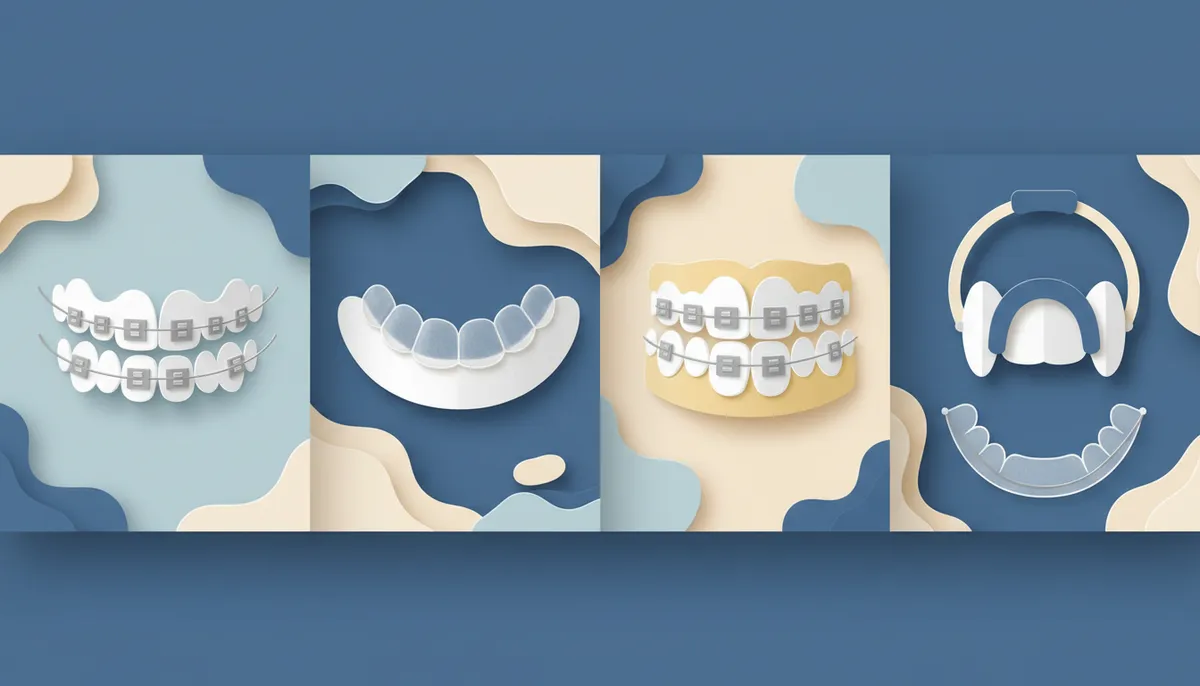
When you search for orthodontic services near you, you’ll encounter several treatment options. Each approach has unique benefits, making certain solutions better suited for different age groups, lifestyle needs, and orthodontic challenges.
Traditional Metal Braces
Metal braces remain the most common and effective treatment for complex orthodontic cases. These systems use brackets attached to each tooth, connected by wires that gradually shift teeth into proper alignment. Modern metal braces are smaller, more comfortable, and less noticeable than versions from previous generations.
Traditional braces work exceptionally well for children and teenagers whose jaw development is still underway. They’re also the most cost-effective option for families managing orthodontic care on a budget. Treatment typically lasts 18-24 months, though complex cases may require longer periods.
Clear Aligners
Clear aligners have revolutionized orthodontic care for adults and image-conscious teens. These removable, transparent trays gradually move teeth without visible metal hardware. Patients receive a series of custom-made aligners, switching to a new set approximately every two weeks as teeth shift into position.
The beauty of clear aligners lies in their discretion and convenience. You can remove them for eating, drinking, and special occasions, making them perfect for professionals who want to straighten their teeth without broadcasting their orthodontic treatment to colleagues and clients.
Ceramic Braces
Ceramic braces function identically to traditional metal braces but use tooth-colored or clear brackets that blend with your natural teeth. This option appeals to patients who need the effectiveness of fixed braces but prefer a less obvious appearance during treatment.
While ceramic braces cost slightly more than metal versions, they provide an excellent middle ground between traditional braces and clear aligners. They’re particularly popular among adults returning for orthodontic retreatment after previous corrections relapsed over time.
| Treatment Type | Best For | Treatment Time | Visibility |
|---|---|---|---|
| Metal Braces | Complex cases, children, teens | 18-36 months | Highly visible |
| Clear Aligners | Mild to moderate cases, adults | 12-24 months | Nearly invisible |
| Ceramic Braces | Adults preferring fixed appliances | 18-36 months | Low visibility |
| Lingual Braces | Professionals seeking discretion | 18-36 months | Completely hidden |

Common Orthodontic Problems Treated
Orthodontic services address a wide range of dental alignment and bite issues that affect both function and appearance. Understanding these problems helps you identify whether you or your child might benefit from orthodontic evaluation.
Malocclusion and Bite Problems
Malocclusion refers to improper alignment between upper and lower teeth when the jaw closes. Approximately one-fifth of the U.S. population experiences some form of malocclusion annually, making it one of the most common reasons people seek orthodontic care.
Bite problems include overbites (upper teeth extending too far over lower teeth), underbites (lower teeth protruding beyond upper teeth), and crossbites (teeth meeting abnormally when biting down). These issues can cause uneven tooth wear, jaw pain, difficulty chewing, and increased risk of tooth decay in hard-to-clean areas.
Crowding and Spacing Issues
Dental crowding occurs when your jaw doesn’t have enough space for all your teeth to fit normally, causing teeth to twist, overlap, or grow at odd angles. Conversely, spacing problems create gaps between teeth that can trap food particles and affect your smile’s appearance.
Both crowding and spacing issues respond well to orthodontic treatment. Modern services can address these problems through tooth extraction (when necessary), jaw expansion devices for children, or strategic tooth movement using braces or aligners.
Jaw Alignment Disorders
Some patients require orthodontic services to correct jaw alignment problems that affect facial symmetry, breathing, and overall oral function. These cases often involve coordination between orthodontists and oral surgeons for comprehensive treatment plans.
Jaw alignment issues may cause TMJ (temporomandibular joint) disorders, leading to chronic headaches, facial pain, and difficulty opening or closing the mouth comfortably. Orthodontic intervention can significantly improve quality of life for patients suffering from these conditions.
The Orthodontic Treatment Process
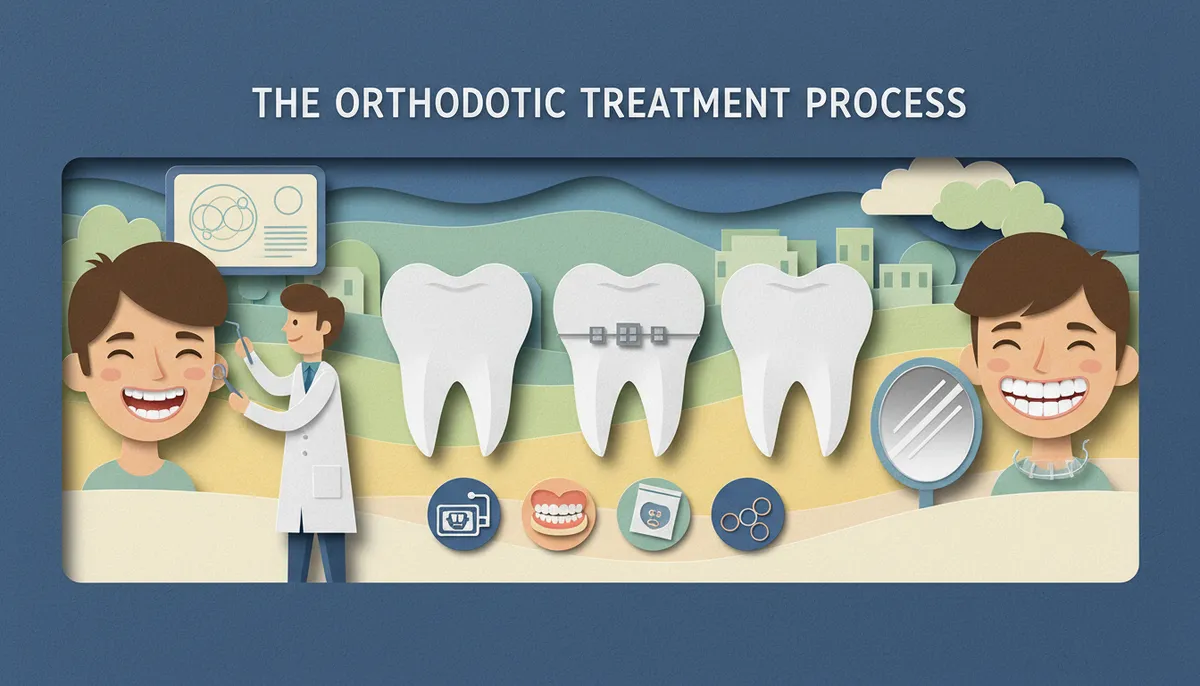
Understanding what to expect during orthodontic treatment helps reduce anxiety and prepares you for the journey ahead. Most orthodontic services follow a similar process, though specifics vary based on your chosen treatment type.
Initial Consultation and Assessment
Your orthodontic journey begins with a comprehensive consultation where the orthodontist evaluates your teeth, bite, and jaw alignment. This visit typically includes:
- Detailed examination of teeth and gums
- Digital X-rays to assess bone structure and root positions
- 3D imaging or impressions to create accurate models
- Discussion of your concerns and smile goals
- Review of treatment options and expected timelines
Many orthodontic practices, including Brockway Orthodontics, offer complimentary initial consultations, making it easy to explore your options without financial commitment. This no-pressure approach allows you to ask questions and understand what orthodontic treatment involves before making decisions.
Treatment Planning with Digital Technology
Modern orthodontic services leverage digital technologies to create precise treatment plans tailored to your unique needs. Computer-aided design (CAD) systems allow orthodontists to map out tooth movements before treatment begins, providing you with realistic predictions of your final results.
Digital smile design has proven remarkably effective at increasing patient confidence and commitment to treatment. Studies show that when patients can visualize their treatment outcomes through digital simulations, case acceptance rates increase by 25% compared to verbal descriptions alone.
Active Treatment Phase
Once your appliances are placed, the active treatment phase begins. This period requires regular adjustment appointments where your orthodontist monitors progress and makes necessary modifications to keep your treatment on track.
Practices utilizing fully integrated digital workflows report 15% fewer adjustment appointments compared to traditional methods, saving patients time while maintaining excellent treatment outcomes. These efficiencies stem from more accurate treatment planning and better monitoring technologies.
Retention and Long-Term Care
After your braces come off or you complete your aligner series, the retention phase begins. Retainers prevent teeth from shifting back to their original positions, protecting your investment in orthodontic care.
Most orthodontists recommend wearing retainers full-time for several months after active treatment, then transitioning to nighttime wear indefinitely. This phase is crucial—many adults seeking orthodontic retreatment skipped retention protocols after their first round of braces during childhood.
Cost Considerations for Orthodontic Services
Understanding the financial aspects of orthodontic care helps you plan appropriately and avoid surprises. Costs vary widely based on treatment complexity, duration, and the specific services required for your case.
Average Treatment Costs
The U.S. orthodontics market has grown from $5.27 billion in 2026 to an anticipated $25.36 billion by 2034, reflecting both increased demand and the introduction of premium treatment options. For individual patients, this translates to costs ranging from $3,000 to $8,000 depending on treatment type and case complexity.
Traditional metal braces typically cost between $3,000 and $6,000, making them the most budget-friendly option for comprehensive treatment. Clear aligners generally range from $4,000 to $8,000, with premium systems commanding higher prices due to advanced materials and digital treatment planning.
| Treatment Option | Average Cost Range | Treatment Duration |
|---|---|---|
| Metal Braces | $3,000-$6,000 | 18-36 months |
| Clear Aligners | $4,000-$8,000 | 12-24 months |
| Ceramic Braces | $4,000-$7,000 | 18-36 months |
| Lingual Braces | $8,000-$10,000 | 18-36 months |
Insurance Coverage and Payment Options
Many dental insurance plans include orthodontic benefits, typically covering $1,000 to $2,000 toward treatment costs. Coverage details vary significantly between plans, so reviewing your specific benefits before beginning treatment is essential.
Orthodontic practices have adapted to make treatment more accessible through flexible payment options. Most offices offer:
- Interest-free monthly payment plans spread over your treatment duration
- Discounts for paying treatment costs in full upfront
- Third-party financing through healthcare credit companies
- Family discounts when multiple members undergo treatment simultaneously
These financing options have significantly improved access to orthodontic care across different income levels, allowing more families to prioritize oral health without financial strain.
Government Assistance Programs
Families with limited financial resources may qualify for government assistance programs that cover orthodontic treatment for children. Medicaid programs in many states include orthodontic benefits when treatment is deemed medically necessary rather than purely cosmetic.
Some states also offer reduced-cost orthodontic services through dental schools and community health centers where advanced students provide care under experienced supervision. These programs deliver quality treatment at substantially lower costs while training the next generation of orthodontists.
Finding the Right Orthodontist Near You
Choosing an orthodontist involves more than selecting the closest office to your home or workplace. The right provider combines clinical expertise with a welcoming environment, modern technology, and a communication style that makes you feel comfortable and informed throughout treatment.
Qualifications and Experience
Orthodontists complete four years of dental school followed by an additional 2-3 years of specialized orthodontic training. When researching orthodontic services near you, verify that providers are board-certified by the American Board of Orthodontics, demonstrating their commitment to maintaining the highest professional standards.
Experience matters, particularly for complex cases involving jaw surgery coordination or treating patients with unique medical considerations. The Florida Association of Orthodontists provides resources for finding qualified practitioners in your area who meet rigorous educational and ethical standards.
Technology and Treatment Approaches
Modern orthodontic practices invest in advanced technologies that improve treatment accuracy, comfort, and efficiency. When evaluating potential providers, look for practices offering:
- 3D digital scanning instead of uncomfortable traditional impressions
- Computer-aided treatment planning and outcome visualization
- Digital X-rays with reduced radiation exposure
- Mobile platforms for tracking progress between appointments
- Accelerated treatment options when appropriate
Practices equipped with these technologies typically deliver better patient experiences and outcomes. Mobile platform integration, for instance, has demonstrated 30% improvement in compliance for patients using removable appliances like clear aligners.
Office Environment and Patient Care
The best orthodontic services combine clinical excellence with genuine care for patient comfort and convenience. Visit potential offices before committing to treatment, observing how staff interact with patients and whether the environment feels welcoming and professional.
Consider practical factors like office hours, location convenience, emergency care availability, and whether the practice accommodates busy schedules. Orthodontic treatment requires multiple visits over many months, so choosing a practice that fits seamlessly into your life reduces stress and improves treatment adherence.
Benefits of Seeking Local Orthodontic Care
While online orthodontic services have emerged in recent years, traditional in-office care offers significant advantages that remote options simply cannot match. Local orthodontic services provide personalized attention and hands-on adjustments that optimize treatment outcomes.
Personalized Treatment Adjustments
Orthodontic treatment rarely proceeds exactly according to initial plans. Teeth move at different rates, patients experience varying levels of discomfort, and unexpected challenges emerge that require professional judgment and immediate intervention.
In-person orthodontic services allow your provider to make real-time adjustments based on treatment progress, addressing issues before they compromise your results. This personalized approach explains why dental clinics handle approximately 72% of global orthodontic revenues—patients recognize the value of hands-on professional care.
Building Long-Term Relationships
Choosing a local orthodontist creates opportunities for lasting relationships that extend beyond your initial treatment. Many patients return for maintenance check-ups, retreatment if needed, or bring their children for early orthodontic evaluations.
These ongoing relationships provide continuity of care, as your orthodontist maintains detailed records of your dental history and can spot potential problems early. Local providers also feel more invested in your satisfaction since their reputation depends on word-of-mouth referrals within the community.
Supporting Your Local Community
Patronizing local orthodontic services keeps healthcare dollars circulating within your community, supporting local jobs and contributing to the area’s economic vitality. Many orthodontists actively participate in community events, school programs, and charitable initiatives that benefit local families.
Brockway Orthodontics exemplifies this community-focused approach, building lasting relationships with Clearwater families while providing exceptional orthodontic care tailored to each patient’s unique needs and goals.
Special Considerations for Different Age Groups
Orthodontic needs and treatment approaches vary significantly across different life stages. Understanding these distinctions helps you select services most appropriate for your situation or your child’s development.
Orthodontics for Children and Early Intervention
The American Association of Orthodontists recommends that children receive their first orthodontic evaluation by age seven. Early assessment allows orthodontists to identify developing problems and, when necessary, intervene while jaw growth is still occurring.
Early orthodontic treatment, sometimes called Phase 1 treatment, addresses specific issues like severe crowding, crossbites, or jaw growth discrepancies. These interventions create proper conditions for permanent teeth to erupt correctly, potentially reducing the complexity of later comprehensive treatment.
Not every child needs early intervention, but timely evaluation ensures that problems are caught when treatment can be most effective and minimally invasive.
Teenage Orthodontics
Adolescence remains the most common time for comprehensive orthodontic treatment. Most permanent teeth have erupted by age 12-13, allowing orthodontists to address alignment issues comprehensively while patients still benefit from active jaw growth.
Teenagers today have more treatment options than previous generations, including clear aligners designed specifically for adolescent compliance challenges. Many modern systems include features like eruption tabs to accommodate teeth still coming in and compliance indicators that show whether patients are wearing their aligners as prescribed.
Adult Orthodontics
Adult orthodontics represents one of the fastest-growing segments of orthodontic care. Approximately one-third of orthodontic patients today are adults seeking to improve their smiles for professional advancement, social confidence, or health reasons.
Adults often prefer discreet treatment options like clear aligners or ceramic braces that minimize the aesthetic impact of orthodontic appliances. Treatment planning for adults requires special attention to existing dental work, bone density considerations, and periodontal health—factors less relevant in younger patients.
Many adults seek orthodontic retreatment after previous corrections relapsed due to inadequate retention or natural dental shifts over time. Modern orthodontic services can successfully address these cases, delivering the lasting results patients desire.
Regional Growth and Accessibility Trends
The orthodontics market continues expanding globally, driven by rising disposable incomes, improved healthcare infrastructure, and growing awareness of dental aesthetics’ importance. Understanding these trends helps contextualize the services available in your local area.
North American Market Leadership
The United States leads global orthodontic care, with the market expanding at 21.70% annually. This growth reflects strong insurance penetration, established healthcare infrastructure, and cultural emphasis on cosmetic dentistry.
Increased competition among providers has improved service quality while expanding access to cutting-edge technologies. Patients in well-established markets like Florida benefit from abundant choices, competitive pricing, and orthodontists who stay current with the latest treatment innovations.
Emerging Markets and Innovation
Asia-Pacific regions are experiencing the fastest orthodontic market growth globally, with the sector projected to reach $2.45 billion in 2026. Rising middle-class populations, urbanization, and increased awareness of dental aesthetics drive this expansion.
Innovations developed for emerging markets often benefit established markets as well. For example, treatment approaches optimized for limited appointment schedules benefit busy professionals everywhere, while cost-reduction innovations make orthodontic care more accessible across all income levels.
Maintaining Results After Treatment
Completing active orthodontic treatment marks an exciting milestone, but maintaining your results requires ongoing commitment to retention protocols and oral hygiene practices.
Retainer Compliance
Retainers are non-negotiable for maintaining orthodontic results long-term. Teeth naturally tend to shift throughout life due to jaw growth, wisdom teeth eruption, and normal aging processes. Retainers counteract these forces, keeping teeth in their corrected positions.
Most orthodontists recommend wearing retainers full-time for 3-6 months after braces removal, then transitioning to nighttime wear indefinitely. While this seems like a significant commitment, it’s minimal compared to the time and expense of orthodontic retreatment.
Oral Hygiene and Regular Dental Care
Straight teeth are easier to clean effectively, reducing cavity risk and periodontal disease. However, maintaining excellent oral hygiene remains essential for preserving both orthodontic results and overall dental health.
Continue regular dental check-ups and cleanings every six months, allowing your dentist to monitor your bite stability and address any developing issues promptly. Professional cleanings remove calculus buildup that can contribute to tooth movement and gum disease.
Lifestyle Factors Affecting Retention
Certain habits can compromise orthodontic results despite faithful retainer wear. Tongue thrusting, thumb sucking (in children), teeth grinding, and using teeth as tools to open packages can all cause unwanted tooth movement.
If you grind your teeth at night, discuss protective appliances with your orthodontist. Custom night guards protect both your teeth and your orthodontic investment, preventing damage while you sleep.
Conclusion: Your Journey to a Confident Smile
Finding quality orthodontic services near you opens doors to improved oral health, enhanced facial aesthetics, and greater confidence in both personal and professional settings. Today’s orthodontic care combines time-tested principles with cutting-edge technologies, delivering results that were unimaginable just a generation ago.
Whether you’re considering treatment for yourself or your child, the key to success lies in choosing an experienced, caring orthodontist who takes time to understand your unique needs and goals. The comprehensive services available through modern orthodontic practices ensure that virtually every patient can find a treatment approach that fits their lifestyle and budget.
Remember that orthodontic treatment is an investment in yourself or your child’s future. The benefits extend far beyond aesthetics, improving chewing function, reducing tooth wear, decreasing cavity risk, and even alleviating jaw pain and headaches caused by misalignment. With flexible payment options and insurance coverage, professional orthodontic care is more accessible than ever.
Ready to explore your orthodontic options and take the first step toward your dream smile? Schedule a complimentary consultation to discuss your goals, learn about treatment options, and discover how modern orthodontic care can transform your confidence and oral health.
FAQs
Q: How long does orthodontic treatment typically take?
A: Treatment duration varies based on case complexity, but most patients complete their orthodontic journey in 12-36 months. Clear aligner treatments for mild to moderate cases often take 12-24 months, while traditional braces for complex alignment issues may require 18-36 months. Your orthodontist will provide a personalized timeline after your initial consultation and assessment.
Q: Are clear aligners as effective as traditional braces?
A: Clear aligners work beautifully for mild to moderate orthodontic cases, including crowding, spacing, and minor bite issues. However, traditional braces remain more effective for complex cases involving severe misalignment, significant bite corrections, or teeth that need vertical movement or rotation. Your orthodontist will recommend the most effective treatment option based on your specific needs.
Q: Does dental insurance cover orthodontic treatment?
A: Many dental insurance plans include orthodontic benefits, typically providing $1,000-$2,000 toward treatment costs. Coverage varies significantly between plans and may have age restrictions or require pre-authorization. It’s best to review your specific policy details or have your orthodontist’s office verify your benefits before beginning treatment.
Q: At what age should my child see an orthodontist?
A: Children should have their first orthodontic evaluation around age seven, when some permanent teeth have erupted and growth patterns become apparent. Early assessment allows orthodontists to identify developing problems and determine the optimal timing for intervention. Not every child needs immediate treatment, but early evaluation ensures problems are caught when correction is easiest.
Q: What payment options are available for orthodontic treatment?
A: Most orthodontic practices offer flexible payment arrangements to make treatment affordable for families. Common options include interest-free monthly payment plans spread over your treatment duration, discounts for paying in full upfront, third-party healthcare financing, and family discounts when multiple members need treatment. Many offices work with patients to create customized payment schedules that fit individual budgets.