Key Takeaways
-
Teeth positioning involves not just individual tooth alignment but also how upper and lower teeth meet (occlusion); misalignment can cause tooth wear, jaw discomfort, speech difficulties, and increased cavity risk if left untreated.
-
After orthodontic treatment ends, teeth can shift for over 7 months as tissue fibers around them remain stretched; consistent retainer wear as directed is essential to protect results long-term, with some patients needing indefinite wear.
-
Multiple causes contribute to misalignment including genetics, early/late baby tooth loss, childhood habits like thumb-sucking, jaw trauma, and uneven jaw growth; each case requires personalized evaluation and treatment planning rather than generic approaches.
-
Treatment options now include traditional metal braces for complex cases, ceramic braces for subtlety, clear aligners like Spark™ for mild-to-moderate cases, and palatal expanders for children needing jaw widening—choice depends on diagnosis and lifestyle.
-
Early orthodontic evaluation by age 7 can catch developing issues before they worsen; teenagers can achieve results before major events if treatment starts early, while adults can use discreet clear aligners to fit busy professional schedules.
-
Comprehensive orthodontic evaluation includes medical history review, clinical exam, digital 3D scans, photographs, and X-rays to accurately diagnose bite problems; abnormal bites typically become noticeable between ages 6-12 and active treatment often begins by age 14.
Have you ever looked in the mirror and wondered why your teeth sit the way they do? Maybe one tooth twists a little, or your bite feels off when you chew. You are not alone. Teeth positioning is something almost everyone thinks about at some point, whether it’s for yourself, your child, or a teenager getting ready for prom pictures. At Brockway Orthodontics in Clearwater, we talk about this every single day, and we love helping our patients understand what’s really going on with their smiles.
Teeth positioning is more than just how straight your teeth look. It’s about how your teeth fit together, how they line up with your jaw, and how everything works together when you talk, chew, and smile. Good positioning supports your oral health for years to come. In this friendly guide, we’ll walk you through everything you need to know, from common problems to treatment options, so you can feel confident about your next steps.
What Does Teeth Positioning Actually Mean?
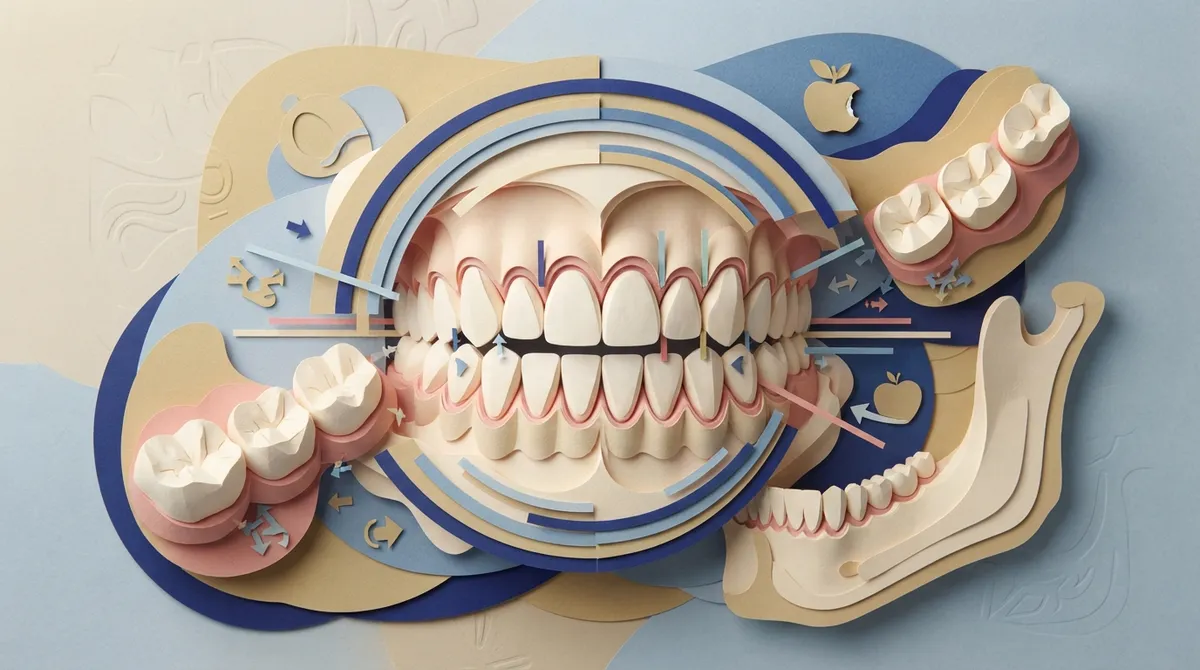
In orthodontic care, teeth positioning refers to how each tooth sits in your mouth. This includes the angle, rotation, and spacing of individual teeth. It also covers how your upper and lower teeth meet when you bite down, which dentists call your occlusion.
When teeth don’t line up correctly, orthodontists call this malocclusion. This simply means a “bad bite.” It sounds a little scary, but it’s actually very common and very treatable. Dr. Brockway and our team have helped countless patients in Clearwater achieve healthier, straighter smiles through personalized care. You can learn more about her approach on our Meet Dr. Brockway page.
The Difference Between Tooth Position and Bite Alignment
These two ideas work together, but they’re not exactly the same thing. Tooth position is about a single tooth. Bite alignment is about how the whole upper and lower arches meet. You can have one crooked tooth with an otherwise fine bite, or you might have straight teeth with a bite that doesn’t quite line up. That’s why a full evaluation matters so much.
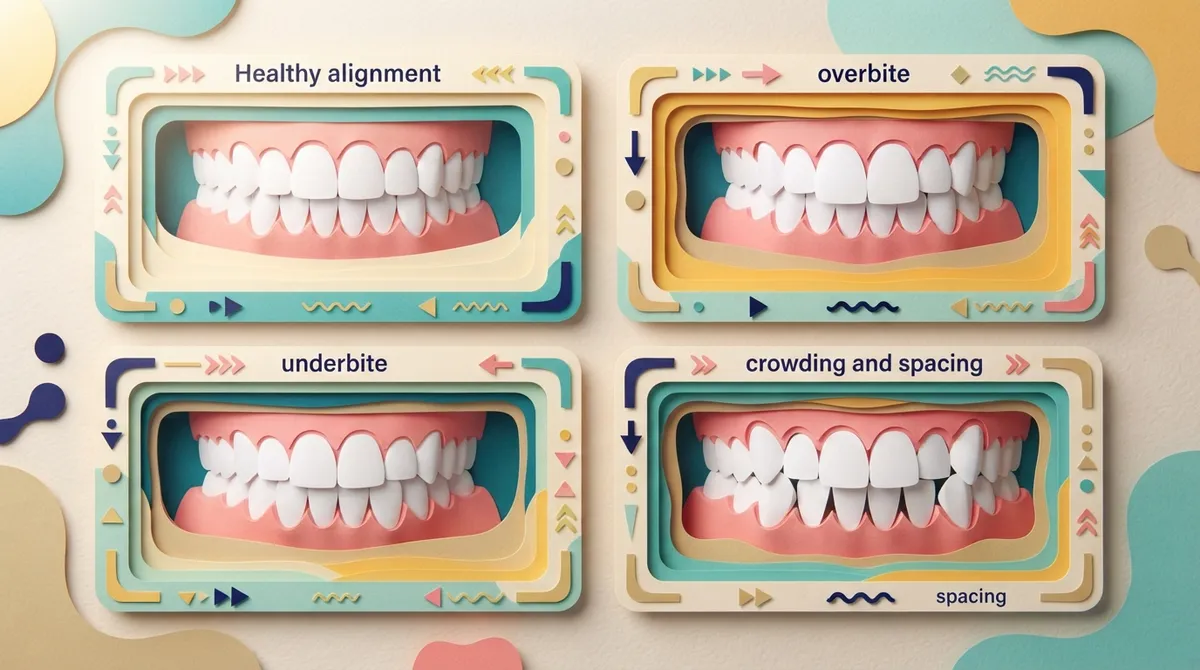
Common Types of Teeth Misalignment
There are several ways teeth can be out of position. Understanding these terms can help you talk with your orthodontist about your specific situation.
- Crowding: Teeth don’t have enough room, so they overlap or twist
- Spacing: Gaps appear between teeth due to extra room in the jaw
- Overjet: Upper front teeth stick out further than the lower teeth
- Deep bite: Upper teeth cover too much of the lower teeth when biting down
- Open bite: Front teeth don’t touch even when the back teeth are closed
- Crossbite: Some upper teeth sit inside the lower teeth instead of outside
Some of these issues are purely about teeth. Others connect to how the jaw itself grew. This is why every treatment plan should be personalized, not copied from someone else’s smile journey.
What Causes Teeth to Shift Out of Position?
There isn’t usually just one cause. Genetics play a big role, since jaw size and tooth size often run in families. Other common factors include:
- Losing baby teeth too early or too late
- Teeth that never fully erupt, known as impacted teeth
- Childhood habits like thumb-sucking or long-term pacifier use
- Injury or trauma to the mouth or jaw
- Uneven jaw growth during childhood and the teen years
Because the causes are often mixed together, it takes a trained eye to figure out the real story behind your smile. This is exactly what happens during your first visit with our team.
How Orthodontists Evaluate Teeth Positioning
You might wonder what actually happens during an orthodontic exam. It’s more thorough than most people expect, and that’s a good thing! A proper evaluation helps us build a treatment plan that actually works for your mouth.
| Evaluation Step | What It Shows |
|---|---|
| Medical and dental history | Past issues, habits, and family patterns |
| Clinical exam | Direct look at teeth, gums, and bite |
| Digital scans or impressions | Precise 3D model of your teeth |
| Photographs | Visual record of your smile and profile |
| X-rays (when needed) | Roots, unerupted teeth, and jaw relationships |
According to the American Dental Association, abnormal bites often become noticeable between ages 6 and 12. Many active treatments begin between ages 8 and 14, though every child develops on their own timeline. This is why early check-ins matter, even if treatment isn’t needed right away. Our early treatment program is designed with this in mind.
Treatment Options for Correcting Teeth Positioning
The good news? There are more ways than ever to fix teeth positioning, no matter your age. At Brockway Orthodontics, we offer several options so every patient can find something that fits their life and goals.
Traditional Braces
Metal braces remain one of the most reliable ways to move teeth into their correct spots. They work well for complex cases, including significant crowding or bite problems. Modern brackets are smaller and more comfortable than they used to be. You can read more on our All About Braces page.
Clear Aligners
For patients who want a more discreet option, clear aligners have become incredibly popular. We proudly offer Spark™ Clear Aligners, which give you a more affordable path to a straighter smile without the look of traditional metal.
Ceramic Braces
Ceramic braces blend in with your natural tooth color, making them a nice middle ground between metal braces and clear aligners. They’re a great choice for teens and adults who want strong results with a lower profile.
Palatal Expanders and Space Maintainers
For younger patients, sometimes the jaw itself needs a little help. Expanders widen the upper jaw gently over time, creating room for teeth to come in correctly. Space maintainers hold spots open after early tooth loss.
Comparing Your Options at a Glance
| Treatment | Best For | Visibility |
|---|---|---|
| Metal Braces | Complex cases, all ages | Visible |
| Ceramic Braces | Teens and adults wanting subtlety | Low visibility |
| Spark™ Clear Aligners | Mild to moderate cases, busy adults | Nearly invisible |
| Palatal Expanders | Growing children with narrow jaws | Visible, temporary |
Choosing between these options isn’t about what looks trendy. It depends on your diagnosis, growth stage, and personal goals. Our services page covers each option in more detail so you can start thinking about what might work for you.
Teeth Positioning at Different Life Stages
Parents and Growing Kids
If you’re a parent, you probably want to know the right time to bring your child in. Many orthodontists suggest an evaluation by age 7, even if braces aren’t needed yet. This lets us catch developing issues early. Our adolescent treatment options are built around your child’s changing smile.
Teens Preparing for Big Moments
Teenagers often want results before prom, graduation, or senior photos. While every case is different, starting early gives us more time to plan a treatment that fits your timeline and your budget.
Busy Professionals
Adults in demanding careers often ask for treatment that doesn’t disrupt meetings or social events. This is where clear aligners really shine. Our adult treatment plans are designed to fit into real, busy lives.
Patients Dealing With Relapse
Maybe you had braces years ago, but your teeth have shifted since then. This happens more often than people realize, and it’s nothing to feel embarrassed about. Retreatment is common, and we’ll walk you through your options with patience and care.
Why Retainers Are So Important After Treatment
Here’s something a lot of patients don’t expect: finishing active treatment isn’t really the finish line. Your teeth can still shift afterward if you skip your retainer. Research from the British Orthodontic Society shows that the tissue fibers around your teeth can stay stretched for more than 7 months after treatment ends. That means your teeth are still settling into place long after your braces come off.
Some patients need retainers for just a few years. Others benefit from long-term or even indefinite wear, especially if their teeth have a strong tendency to shift back. This decision should always be made with your orthodontist, based on your specific case. Learn more on our retainers page.
Steps to Protect Your Results Long-Term
- Wear your retainer exactly as instructed by your orthodontist
- Bring your retainer to follow-up appointments for checks
- Replace worn or cracked retainers right away
- Keep up with regular dental cleanings and checkups
- Tell your orthodontist right away if you notice any shifting
Why Untreated Teeth Positioning Problems Matter
It’s tempting to think crooked teeth are just a cosmetic issue. But bite problems can lead to real health concerns over time. These include:
- Uneven tooth wear and enamel damage
- Difficulty chewing certain foods comfortably
- Speech difficulties in some cases
- Higher risk of tooth loss over time
- Jaw discomfort or tension headaches
- Harder to clean teeth, leading to more cavities and gum issues
Straightening your teeth isn’t just about looking good in photos. It’s about setting your mouth up for a healthier future. The Florida Association of Orthodontists emphasizes this same message across the state, and we see it play out every day in our Clearwater practice.
What to Expect During Your Consultation
Walking into an orthodontic office for the first time can feel a little intimidating. We want you to feel completely at ease. Here’s what typically happens during your visit with us:
- A friendly welcome and conversation about your goals
- A gentle clinical exam of your teeth and bite
- Digital scans instead of messy molds
- X-rays if needed to see roots and jaw structure
- A clear explanation of your treatment options and costs
We never want you to leave confused. Every question gets answered in plain language, so you always know what’s happening and why. Curious what other patients think? You can visit us on Google — Brockway Orthodontics to see real reviews from our Clearwater community.
Why Choose Brockway Orthodontics for Your Smile Journey
Dr. Brockway has built her practice around one simple idea: real care for real people. She listens to your concerns, explains your options clearly, and treats every patient like family. Whether you’re a parent bringing in your seven-year-old or an adult finally ready to fix that bite you’ve worried about for years, our Clearwater team is here for you.
We also use modern technology like digital impressions and 3D imaging to make your experience more comfortable and your treatment more precise. And for those busy families juggling school, work, and everything in between, we sometimes offer same-day treatment options so you don’t need multiple trips just to get started. Follow our journey and see smile transformations on Instagram or connect with us on Facebook.
Ready to Take the Next Step?
Teeth positioning affects more than just your smile in photos. It touches your comfort, your confidence, and your long-term oral health. Whether you’re dealing with crowding, an unusual bite, or teeth that have shifted since your last treatment, our Clearwater team is ready to help you figure out the best path forward.
There’s no need to guess about your smile any longer. Book your appointment online today and let’s talk about what a straighter, healthier smile could look like for you. Or if you have questions first, feel free to reach out to our friendly team anytime. We can’t wait to meet you and start this journey together.
FAQs
Q: What does teeth positioning mean in orthodontics?
A: Great question! It’s all about how each tooth sits in your mouth and how your upper and lower teeth meet when you bite down. Orthodontists look at angles, rotation, spacing, and your overall bite to get the full picture.
Q: Are braces or clear aligners better for fixing teeth positioning?
A: Honestly, it depends on your specific case! Braces tend to handle more complex issues really well, while clear aligners like our Spark™ option are wonderful for milder cases and busy lifestyles. We’ll help you figure out which one fits your smile goals best.
Q: Can adults still fix their teeth positioning?
A: Absolutely, yes! We see adults of all ages start treatment, and it’s never too late to get the smile you want. Healthy teeth and gums are really the main requirement, not your age.
Q: Will my teeth move back after braces or aligners?
A: They can, which is exactly why retainers matter so much. Your teeth can shift for months after treatment ends, so wearing your retainer as directed helps protect all that hard work.
Q: How long do I need to wear a retainer after treatment?
A: This really varies from person to person. Some patients wear retainers for a few years, while others need long-term or nightly wear indefinitely. We’ll create a personalized plan based on how your smile responds over time.
Our Service Area